Ad Feedback
EDITOR’S NOTE: Call to Earth is a CNN editorial series committed to reporting on the environmental challenges facing our planet, together with the solutions. Rolex’s Perpetual Planet Initiative has partnered with CNN to drive awareness and education around key sustainability issues and to inspire positive action.
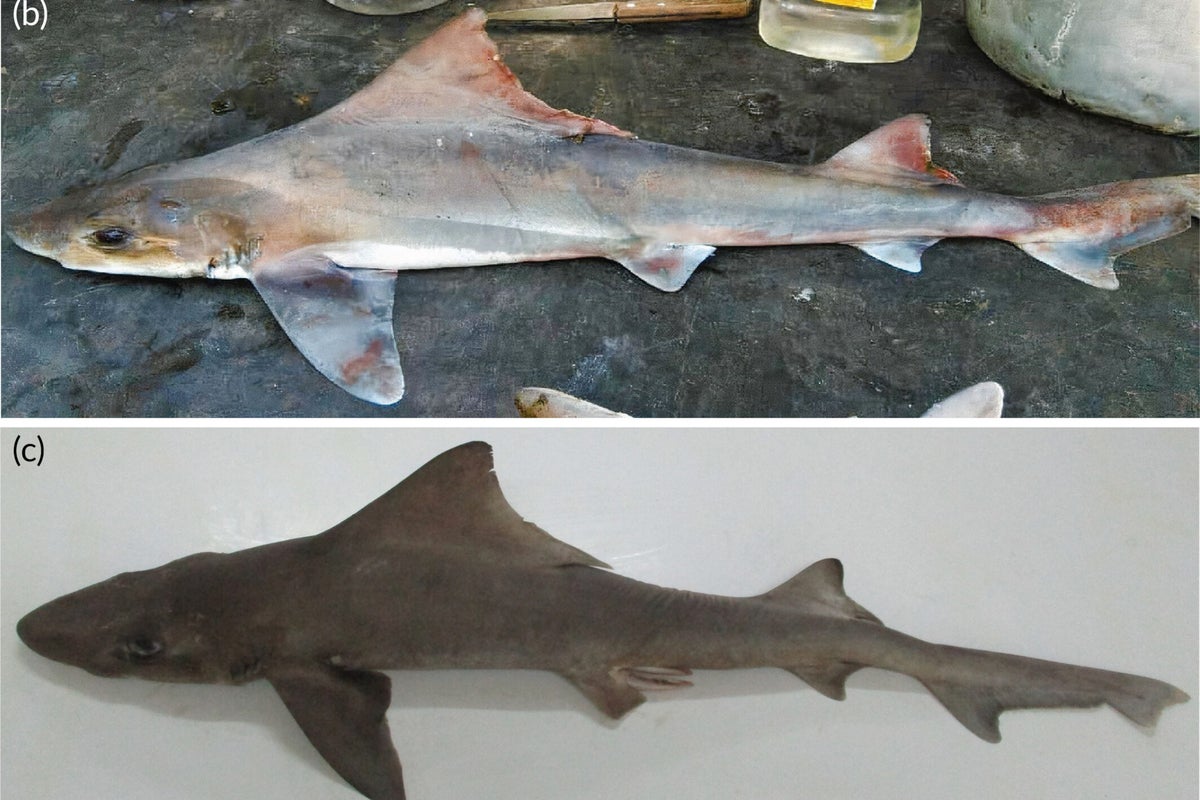
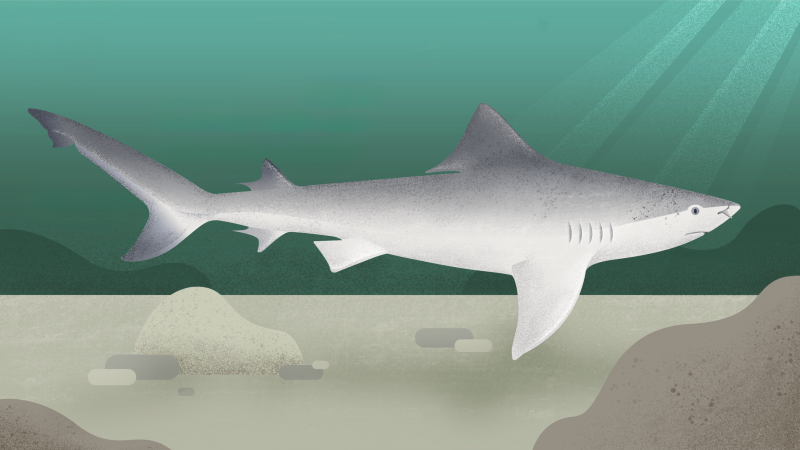
The Ganges shark is nothing if not elusive. Living in murky, brackish water it is one of only three river shark species globally — and is almost impossible to see in the wild. It’s never been photographed alive. The only evidence biologists have to go by is when one turns up dead as bycatch. Even then, they might just find a fin.
The critically endangered species lives across parts of Pakistan, India, Bangladesh, Malaysia and Myanmar, but it’s thought most populations are dwindling. An estimated 240 adults remain according to the IUCN Red List of Threatened Species. The last published sighting of a Ganges shark near its namesake river was in 2017.
But after decades of sporadic sightings across South and Southeast Asia, the last stronghold of the Ganges shark may have been found in a remote corner of Indonesia. New fieldwork now offers fresh hope that it might have a future there.