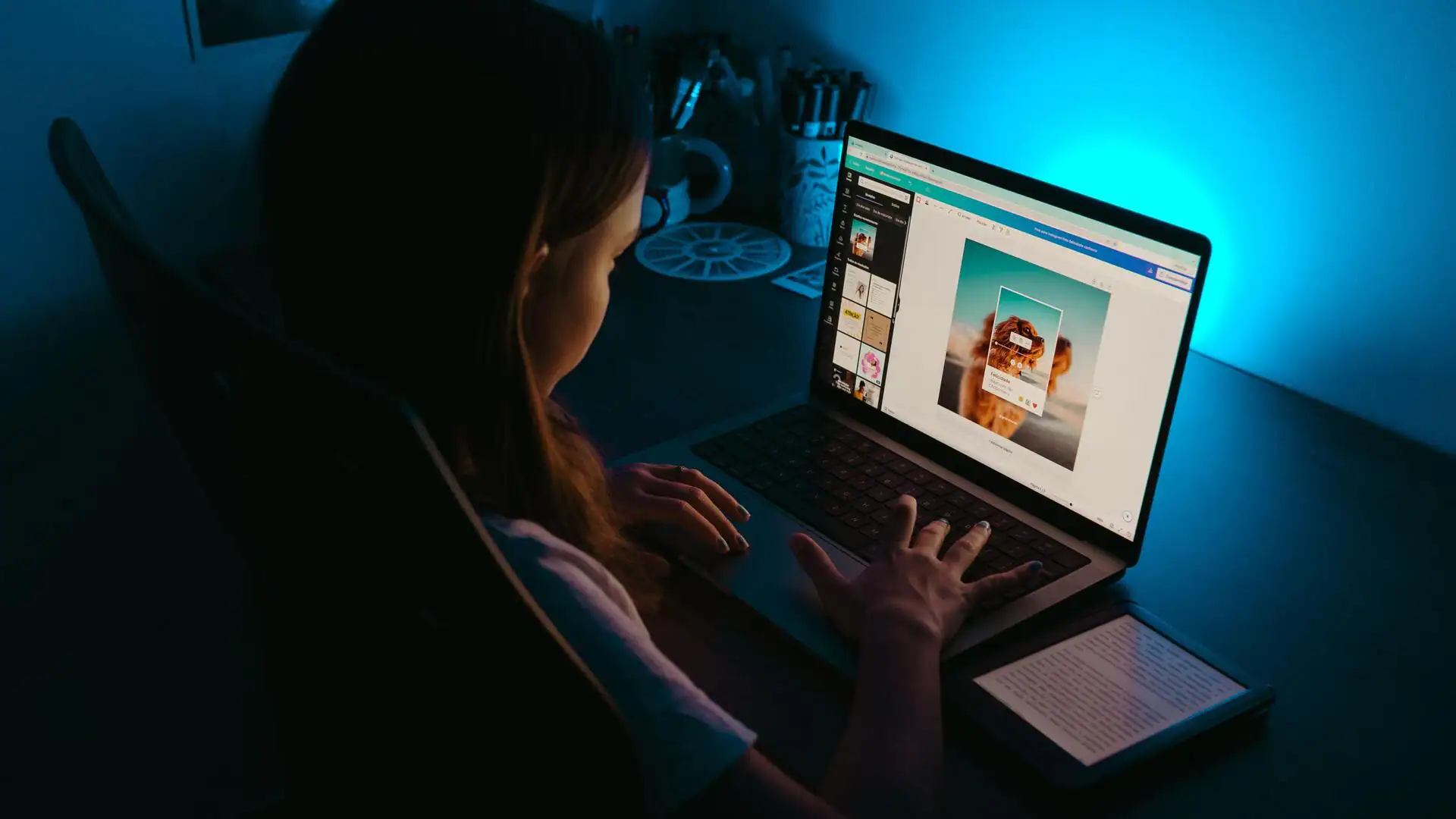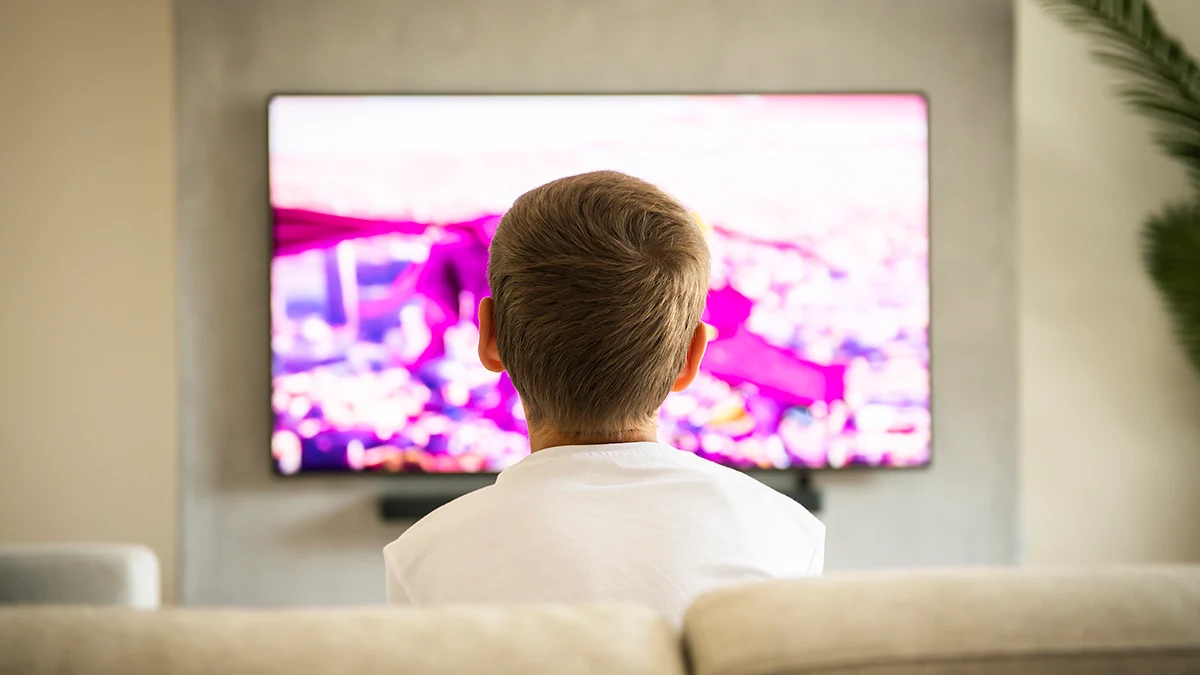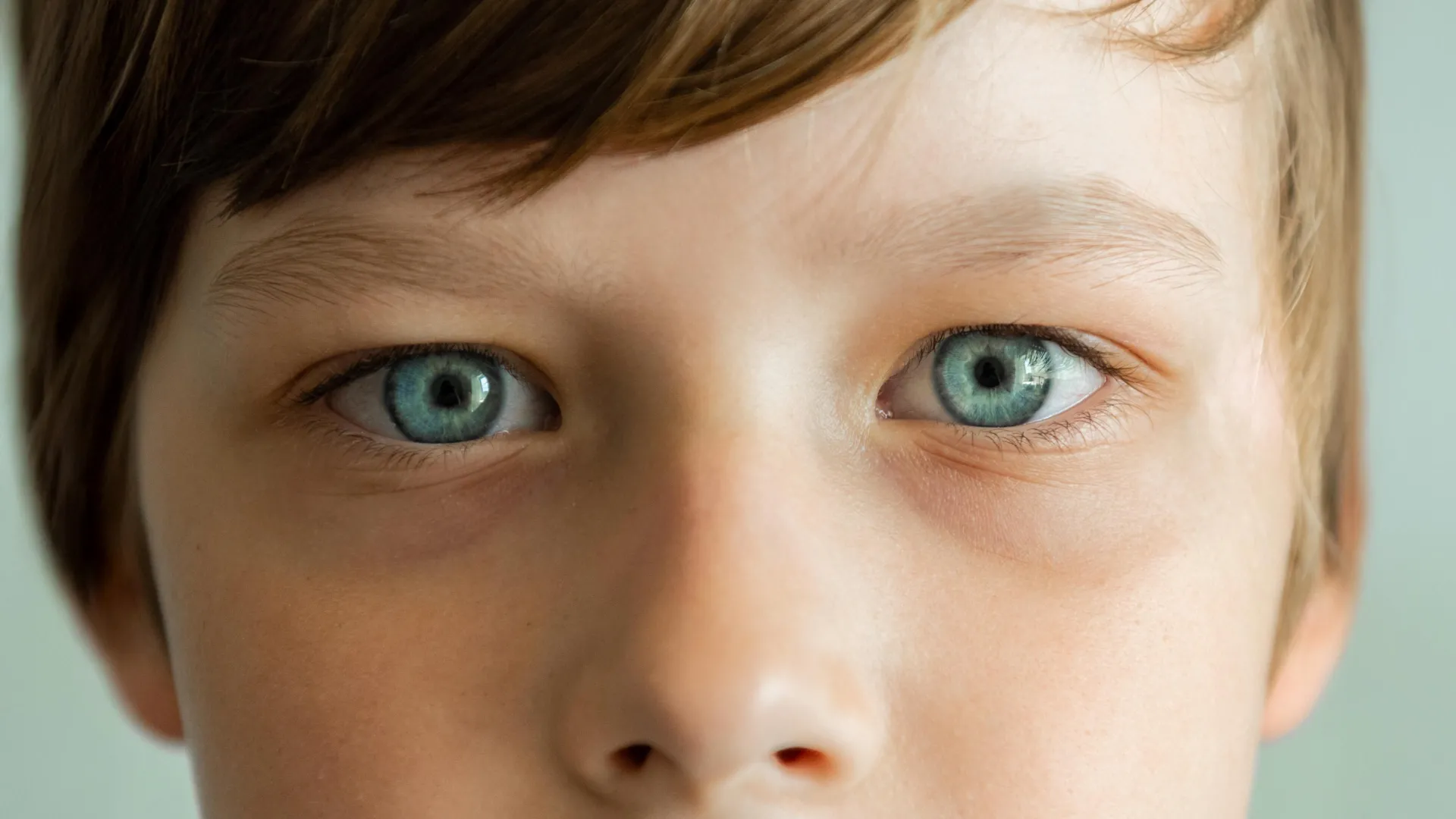
Children who spend more time indoors looking at screens and less time outside are more likely to develop myopia, also known as nearsightedness. The problem is growing rapidly worldwide, with some experts estimating that nearly 5 billion people (or 50% of the world population) could be nearsighted by 2050.
New research led by scientists at Cincinnati Children's and the University of Alabama at Birmingham points to indoor lighting as a possible way to reduce that risk. The findings were published online Aug. 18, 2026, in Cell Reports Medicine.
The study examined indigo light, a short wavelength of visible light that is plentiful in natural sunlight but largely absent from standard white LED lighting. In experiments with tree shrews, whose visual systems share important similarities with those of humans, researchers found that exposure to indigo light completely prevented the development of nearsightedness.
"The model of myopia we use in the tree shrew is fairly extreme," says corresponding author Richard Lang, PhD, director of research in the Division of Ophthalmology at Cincinnati Children's. "So, if indigo light can suppress myopia in these tests, then it should also be quite effective in humans."