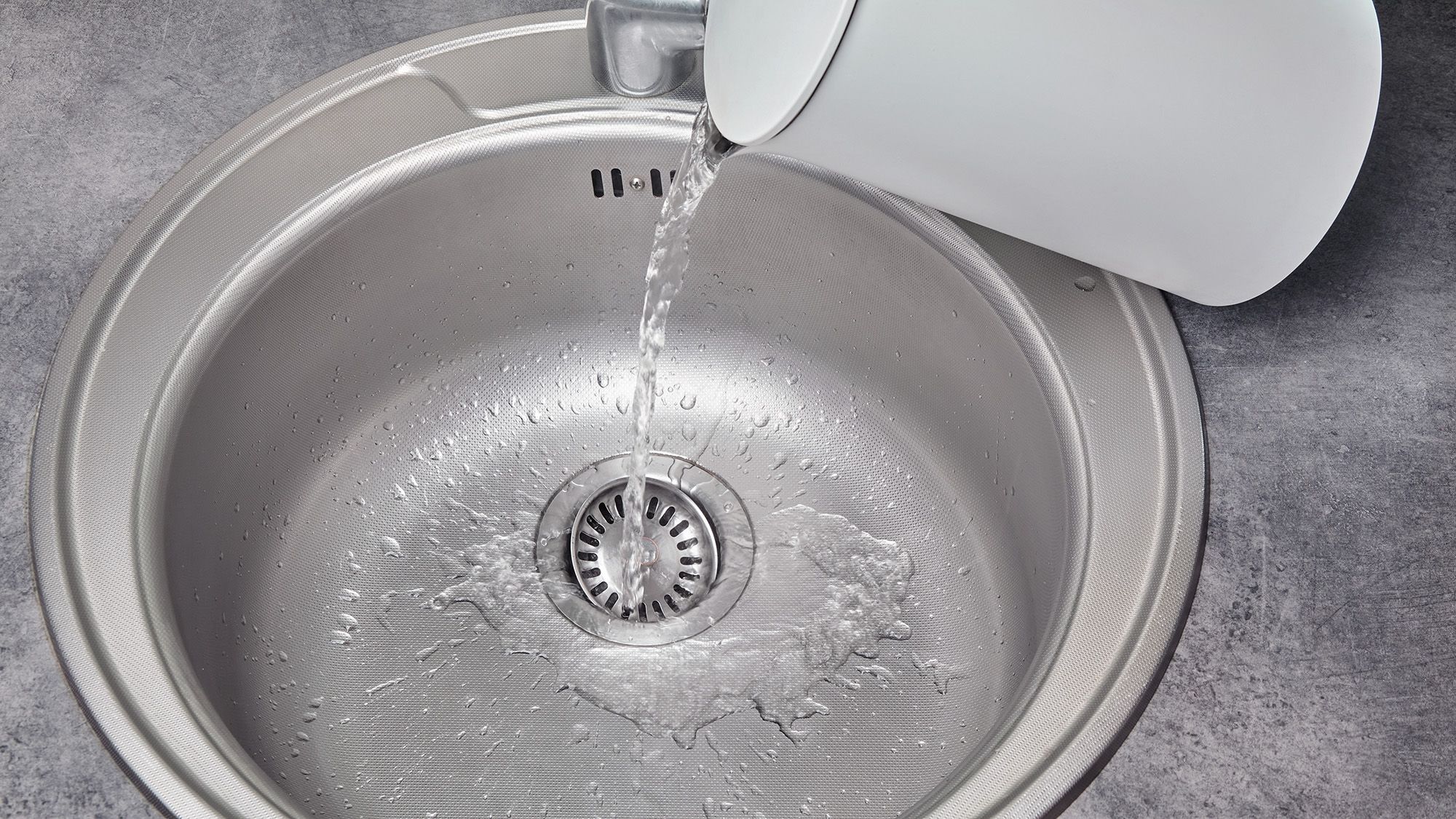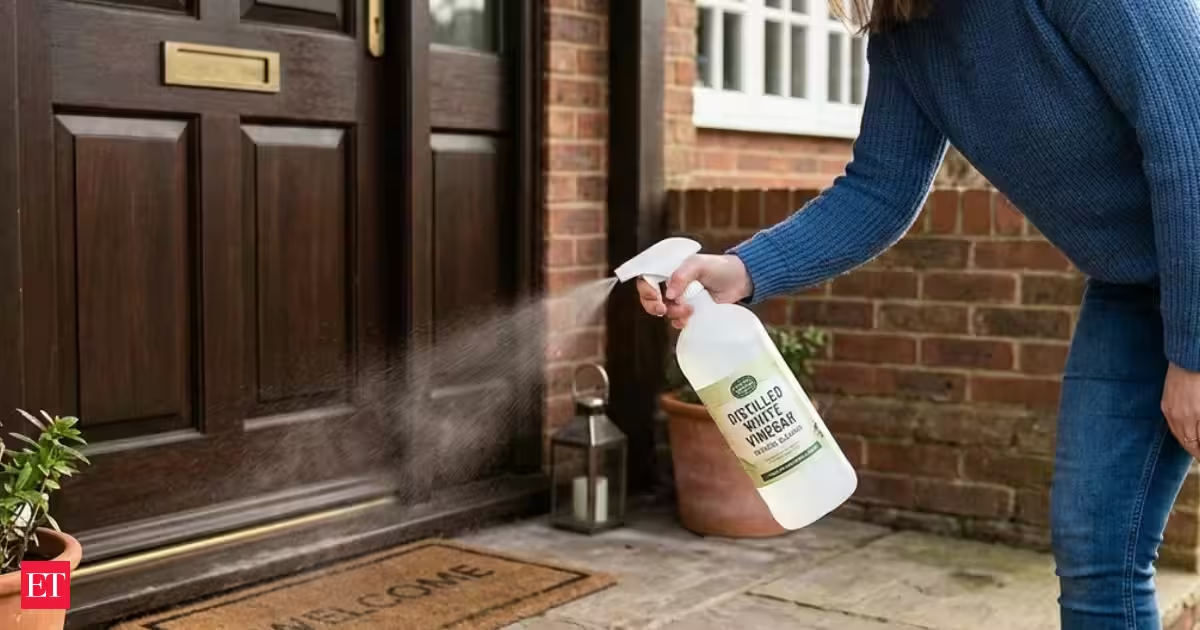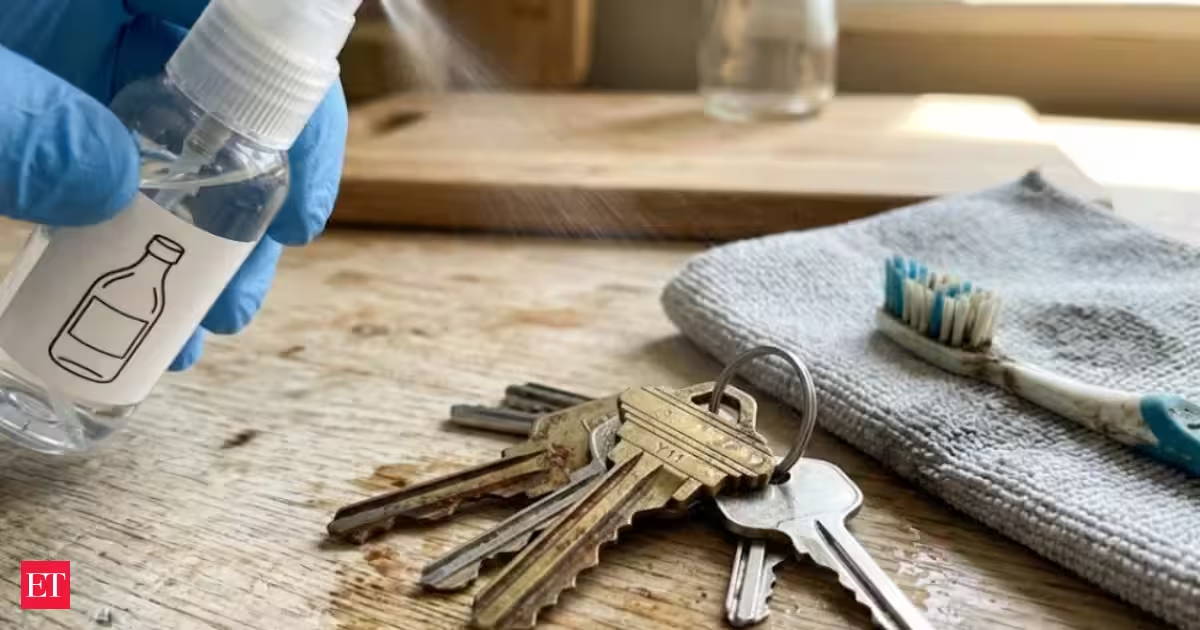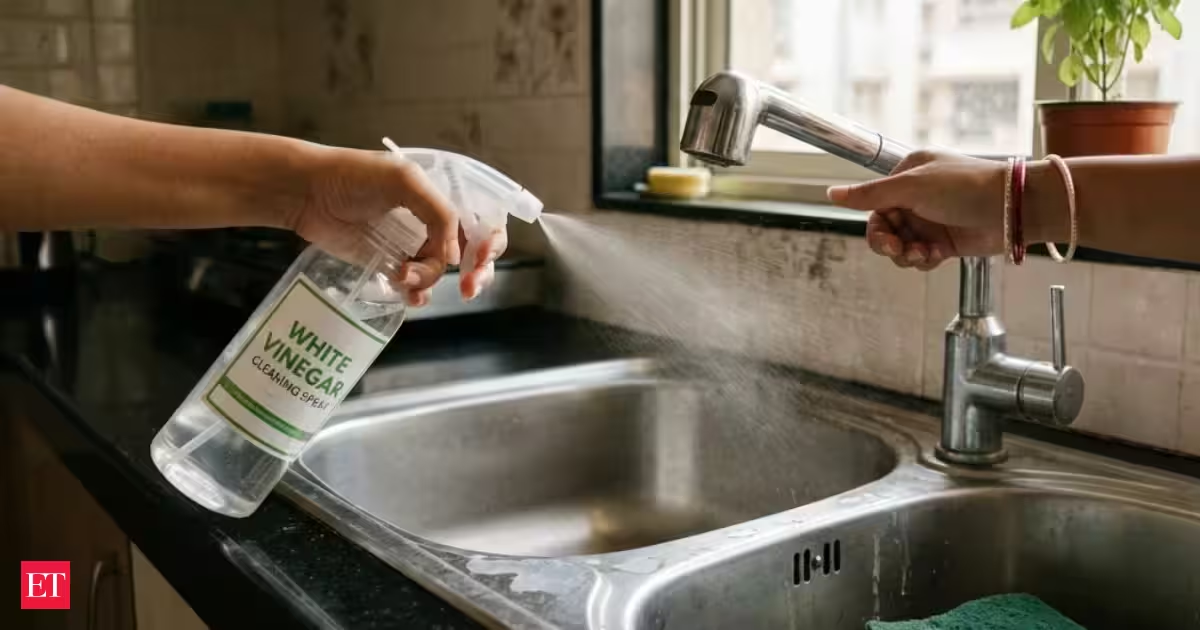
White vinegar is a popular household cleaning ingredient that can help tackle grease, soap residue and light mineral deposits on certain kitchen surfaces. Its versatility makes it a common choice for everyday cleaning.One simple method is to spray a diluted vinegar solution on the kitchen sink before scrubbing it with a sponge or cloth. This can help remove surface dirt, reduce some unpleasant odours and leave the sink looking cleaner and shinier.White Vinegar for Kitchen Sink Cleaning: What Does It Do?Spraying white vinegar on the kitchen sink is a commonly used cleaning method for dealing with grease, water marks and soap residue that can accumulate with regular use.Vinegar contains acetic acid, which can help loosen light mineral deposits and make certain surface residues easier to remove. It may also help freshen the sink by reducing some unpleasant smells around the drain, particularly when food particles or other residues have accumulated.White Vinegar Spray for Kitchen Sink: How to Make ItMaking a simple white vinegar cleaning solution requires only two ingredients:White vinegarWaterMix equal amounts of white vinegar and water in a clean spray bottle. Shake the bottle gently to combine the solution.White Vinegar Kitchen Sink Hack: How to Use ItFollow these simple steps to clean your kitchen sink with white vinegar:Step 1: Remove Food DebrisBefore applying the vinegar solution, clear away food scraps and other visible debris from the sink and drain area.Step 2: Spray White Vinegar SolutionSpray the diluted white vinegar solution evenly over the sink surface, paying extra attention to areas with visible grease, water stains or soap residue.Step 3: Let White Vinegar SitAllow the solution to sit on the surface for around 10 to 15 minutes. This gives the vinegar time to work on light surface residue and mineral deposits.Step 4: Scrub With White Vinegar SolutionUse a soft sponge or clean cloth to gently scrub the sink. Focus on areas where stains, residue or grime have collected.Step 5: Rinse After Using White VinegarRinse the sink thoroughly with warm water to remove the loosened dirt and remaining vinegar solution.Step 6: Dry the SinkFinally, wipe the sink with a clean, dry cloth. Drying the surface can help reduce water marks and leave it looking cleaner.White Vinegar for Kitchen Sink Odour: Can It Help?White vinegar is also commonly used to freshen kitchen sinks and reduce unpleasant smells. Odours can develop around the drain when food scraps and other residues accumulate.Cleaning the sink regularly with a diluted vinegar solution can help remove some of the surface residue contributing to these smells. However, persistent drain odours may have another cause and may require additional cleaning.White Vinegar Kitchen Cleaning: What Are the Benefits?Using a diluted white vinegar solution can offer several simple cleaning benefits:Helps remove light grease and surface residueCan loosen some water stains and mineral depositsMay help reduce certain unpleasant odoursIs inexpensive and widely availableCan be easily diluted with water for routine cleaningMay help keep the sink looking cleaner with regular useWhite Vinegar Warning: Where Should You Not Use It?Although white vinegar can be useful for some kitchen-cleaning tasks, it is not suitable for every surface. Avoid using vinegar on natural stone surfaces such as marble and granite, as its acidity can damage or dull these materials over time. Always check the manufacturer's cleaning recommendations for your sink and kitchen surfaces before applying vinegar.White Vinegar Kitchen Sink Hack: A Simple Cleaning RoutineA diluted white vinegar solution can be a convenient option for routine kitchen sink cleaning when used on suitable surfaces. Regular wiping, rinsing and drying can also help prevent the buildup of food residue, grease and water marks.
White vinegar kitchen sink cleaning hack: How to spray vinegar to remove grease, water stains and bad odours
White vinegar serves as a potent cleaning agent for kitchen sinks, effortlessly eliminating grease and soap buildup. The acetic acid in vinegar aids in loosening minor mineral deposits while revitalizing the drain area. For regular cleaning, a mix of vinegar and water is effective; letting it sit enhances its dirt-removing power. However, it's crucial to steer clear of using vinegar on natural stones such as marble and granite.
595 words~3 min read