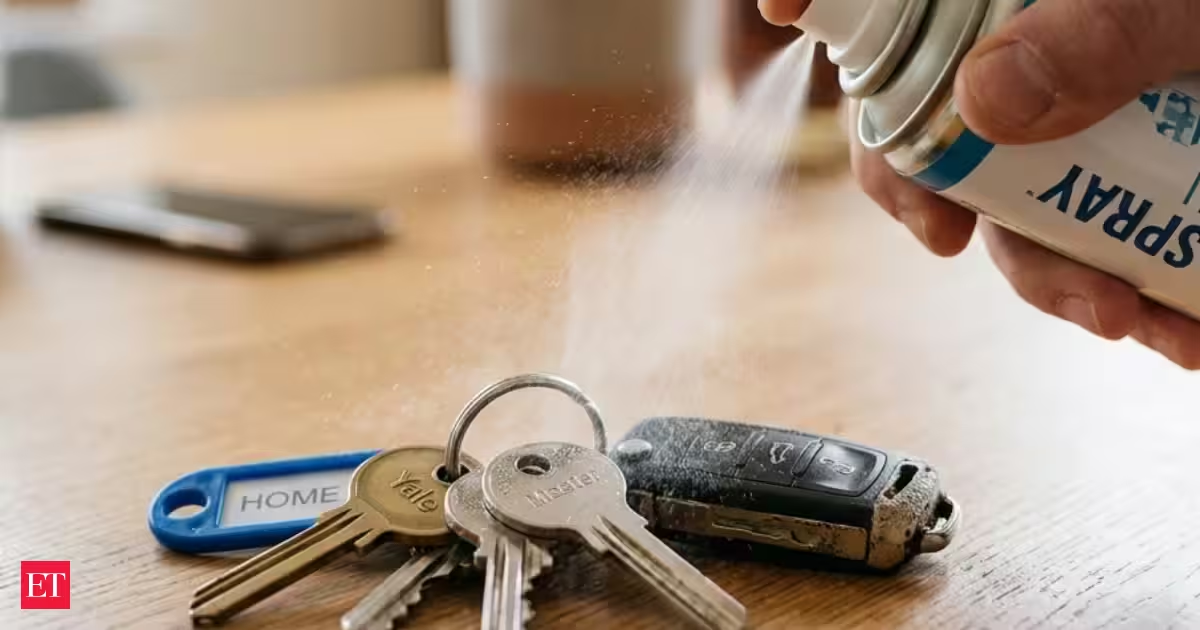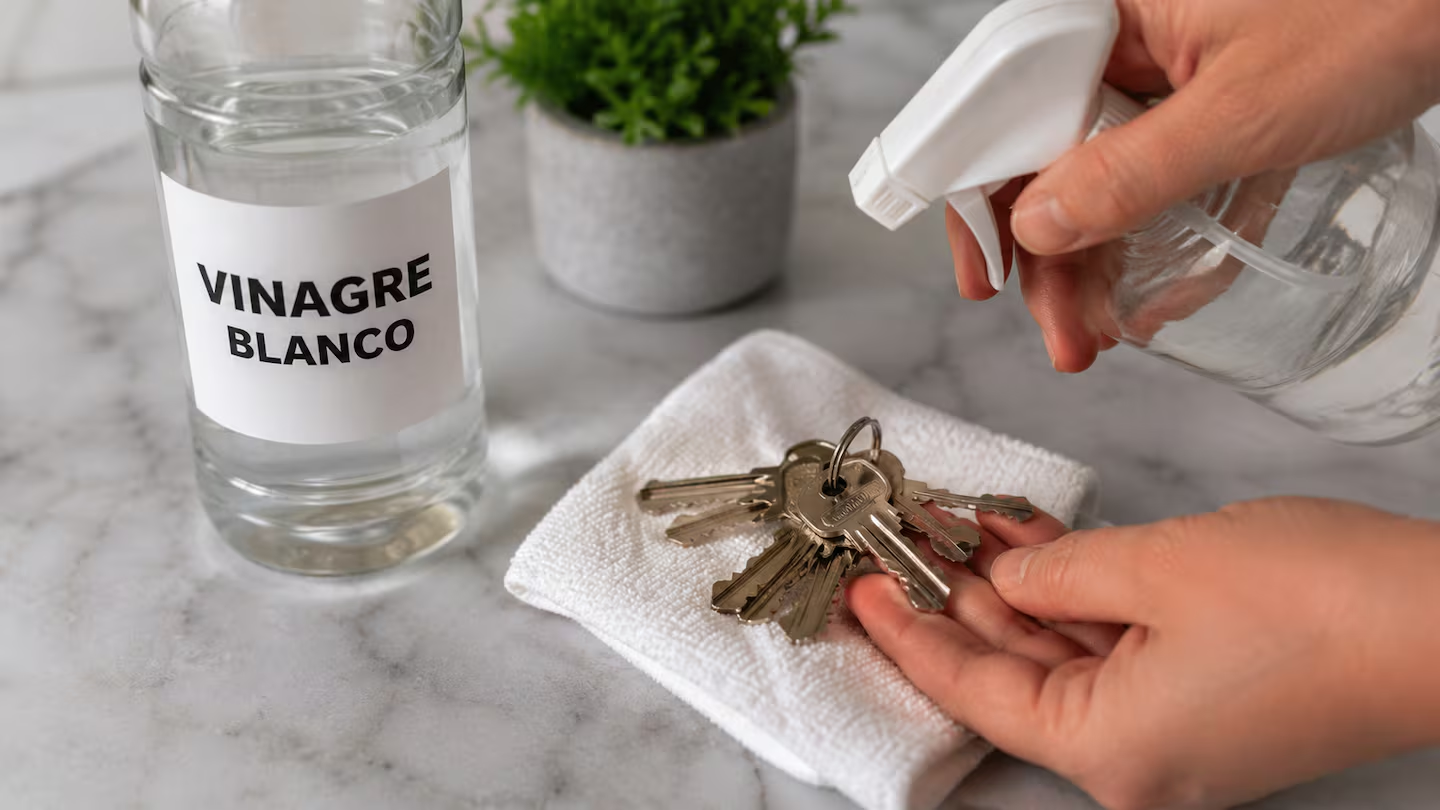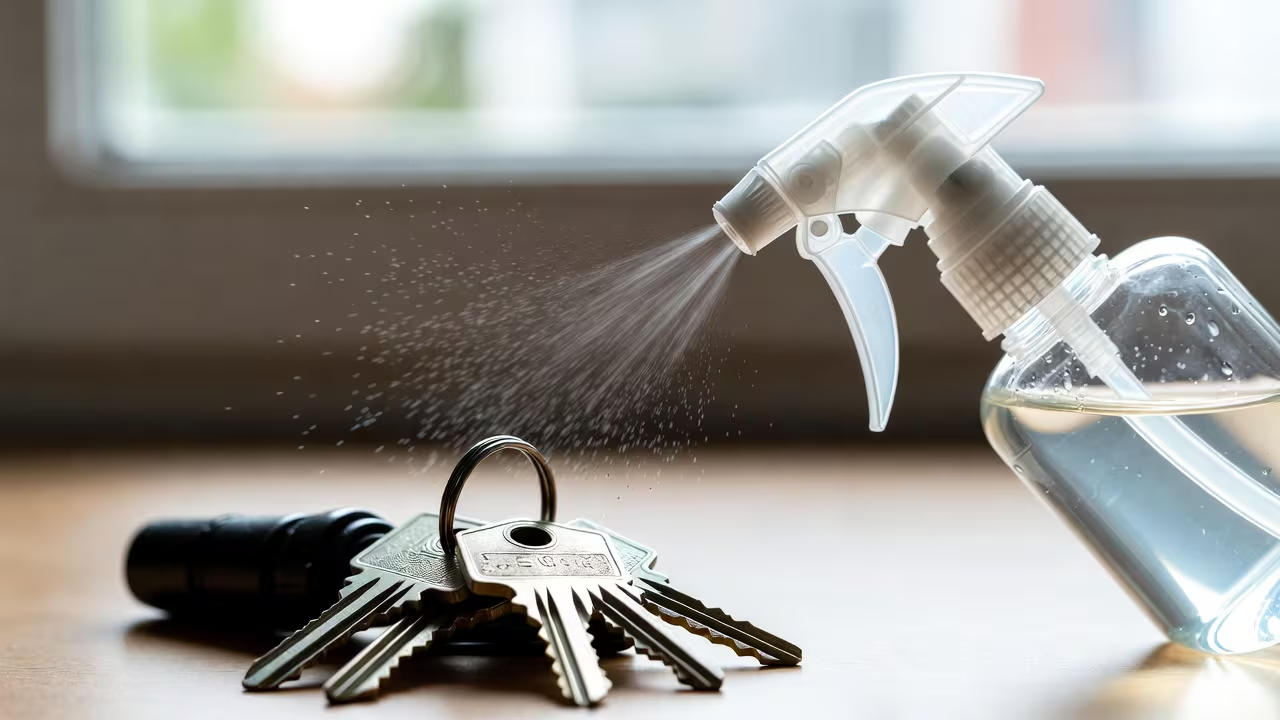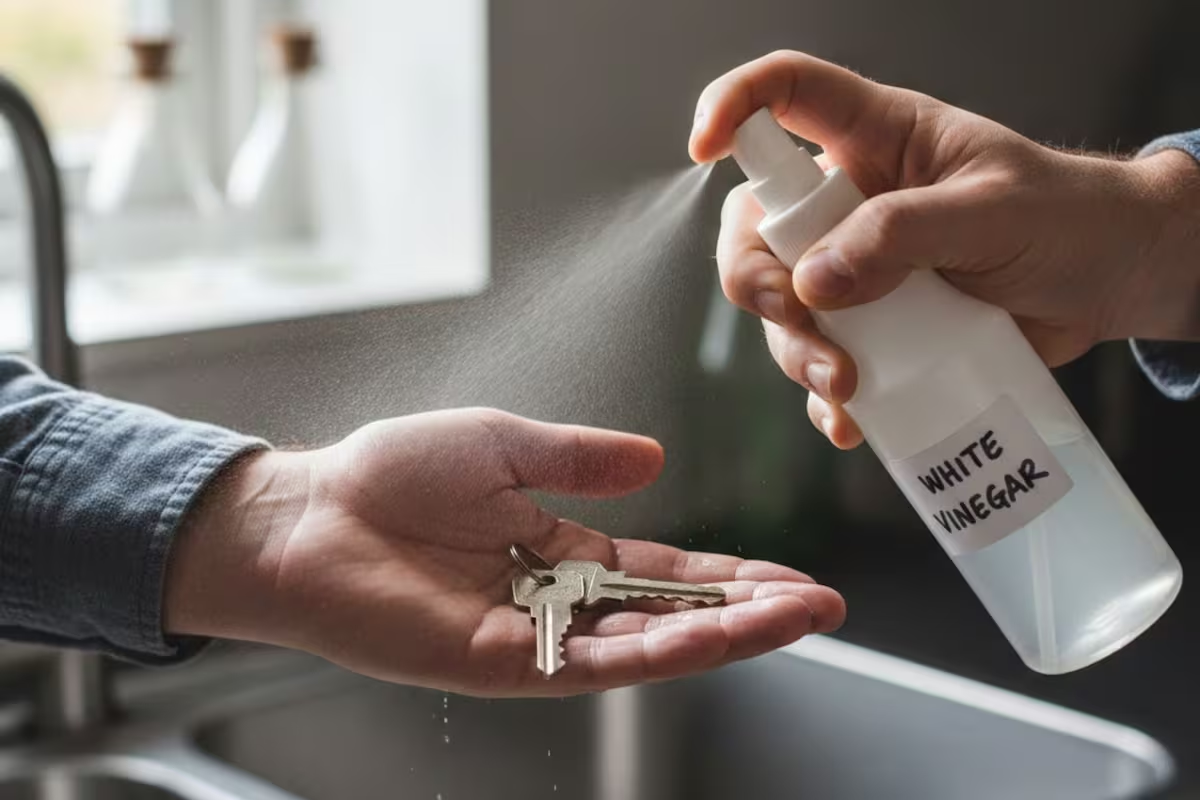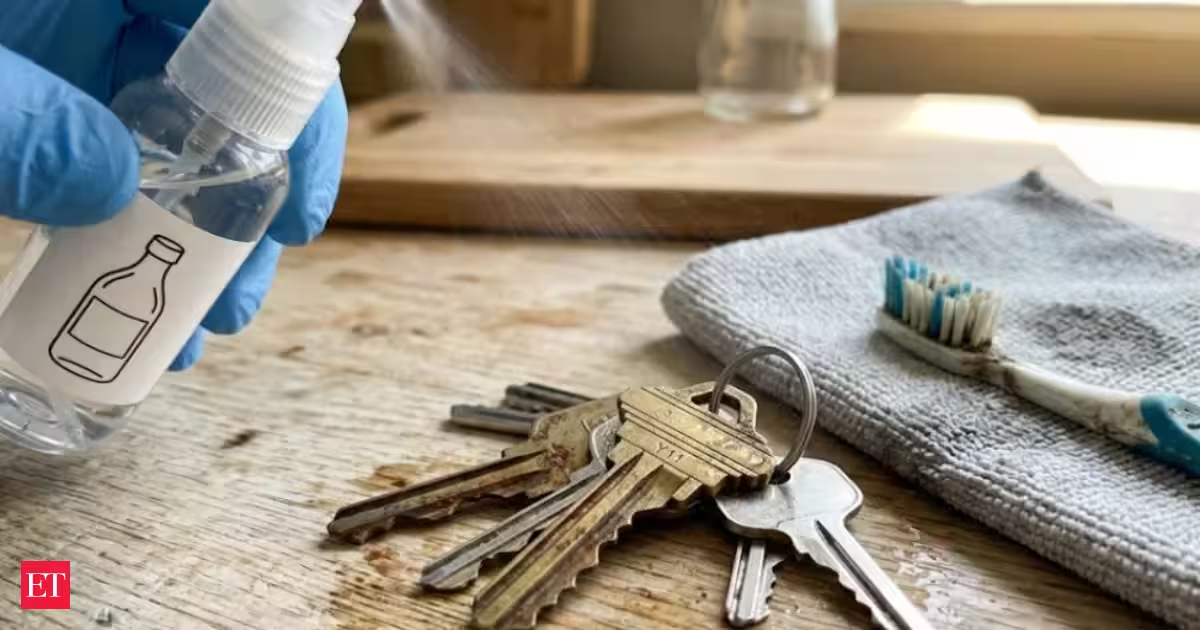
House keys are among the everyday objects we rarely think about cleaning. They are handled repeatedly throughout the day, placed on tables, tossed into pockets and bags, and sometimes dropped onto surfaces that are far from clean. That constant use can leave a layer of dirt and grease on the metal, particularly around the grooves and edges of the key.One inexpensive household product often recommended for tackling that buildup is white vinegar.The reason is simple: white vinegar contains acetic acid, which gives it mild acidic and cleaning properties that can help loosen certain types of grime and mineral deposits.But there is an important distinction. Vinegar can be useful for cleaning, but it may not be treated as a guaranteed disinfectant.Why spray white vinegar on house keys?White vinegar is commonly used as a household cleaner because its acidity can help break down certain residues. When used on metal house keys, a small amount may help loosen grease, dirt, and surface buildup, particularly in the grooves and around the edges.Vinegar may also help with light surface oxidation or rust stains, although heavily corroded metal may require a different treatment.The trick is therefore less about making your keys “germ-free” and more about giving a frequently handled object a simple deep clean.How to clean house keys with white vinegarThe process is straightforward and requires only a small amount of vinegar and a cloth. Start by removing the keys from the key ring and placing them on a clean, dry surface. Then either spray a small amount of white vinegar onto the metal key or dampen a cloth with vinegar and wipe the surface thoroughly.Pay particular attention to the grooves, edges, and teeth of the key, where dirt can accumulate.Allow the vinegar to sit for a few minutes, giving it time to loosen the buildup. For stubborn grime, gently scrub the key with an old toothbrush or soft cloth.Finally, wipe the key clean and dry it completely.Drying the keys is importantThis step is easy to overlook but important. House keys are made from metal, and leaving moisture on metal surfaces for prolonged periods can contribute to corrosion.After cleaning your keys with vinegar, use a dry cloth or paper towel to remove all remaining moisture.Do not put the keys back into your pocket, bag, or key holder while they are still wet.Does white vinegar kill germs on house keys?This is where many online cleaning claims go too far. Vinegar contains acetic acid and has demonstrated antimicrobial activity against some microorganisms under certain conditions. However, that does not mean spraying household vinegar on your house keys makes them completely disinfected.The US Environmental Protection Agency does not register ordinary household vinegar as a disinfectant for general pathogen-killing claims.Research has also found that vinegar can reduce certain microorganisms, but its effectiveness depends on factors such as the concentration, contact time, and type of microorganism involved.So, if your goal is simply to remove dirt and grime from house keys, vinegar can be a useful household cleaning option.If your goal is disinfection, use a product specifically designed and labeled for that purpose.Can vinegar remove rust from house keys?Vinegar can sometimes help with light surface rust because acetic acid can react with iron oxides.For very mild rust, you can dampen a cloth with vinegar and rub the affected area gently.More extensive corrosion, however, may require a dedicated rust-removal product or mechanical cleaning.How often should you clean your house keys?There is no universal need to clean house keys on a fixed schedule. If your keys are visibly dirty, greasy or exposed to particularly grimy environments, cleaning them occasionally can help maintain their appearance.For routine cleaning, simply wiping them with a slightly damp cloth may be enough. If using vinegar, avoid soaking the keys unnecessarily and always dry them afterward.What about house keys with electronic components?This is an important distinction. A traditional metal house key can tolerate a small amount of liquid much better than an electronic key fob or smart key.Never spray vinegar directly onto an electronic house key, smart lock remote, or other electronic access device.Liquid can enter gaps around buttons, seams or the casing and potentially damage the electronics.Instead, use a slightly damp cloth on the exterior and follow the cleaning instructions provided by the manufacturer.
What happens when you spray white vinegar on keys? The simple cleaning trick you may not know
Cleaning house keys is easy with white vinegar. Its mild acidity acts as a natural agent, loosening dirt and light rust. Just remember to dry the keys thoroughly post-cleaning to avoid any corrosion issues. While vinegar helps with dirt, it doesn't disinfect, so consider using dedicated germicidal products. If you use electronic key fobs, remember to use appropriate cleaning methods to prevent damage.
705 words~3 min read