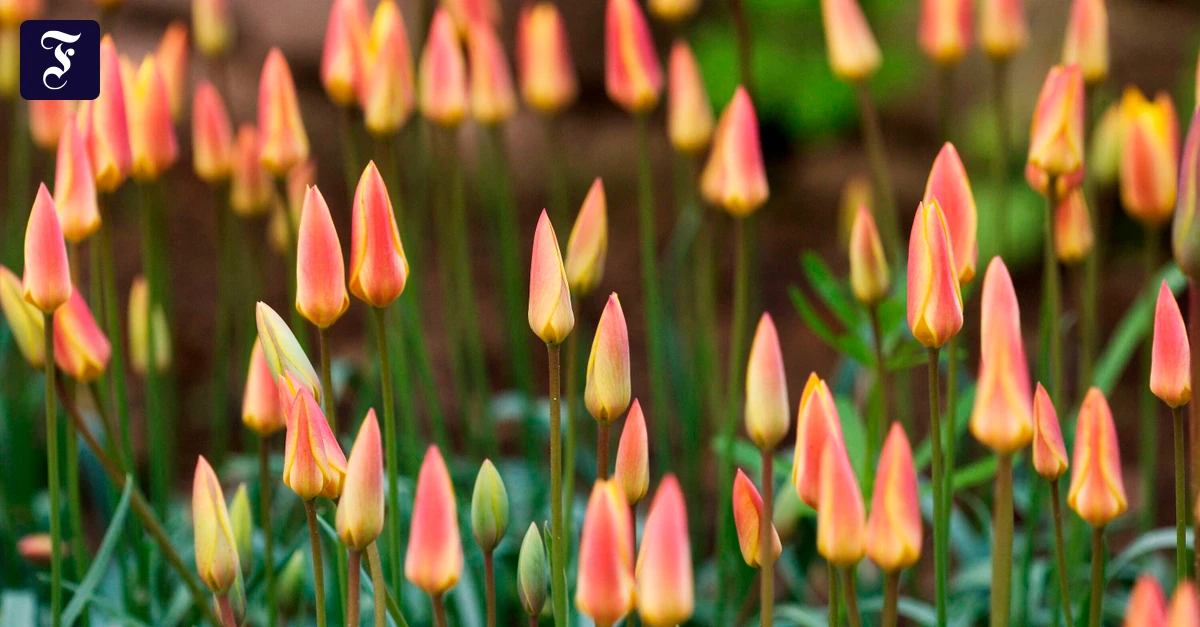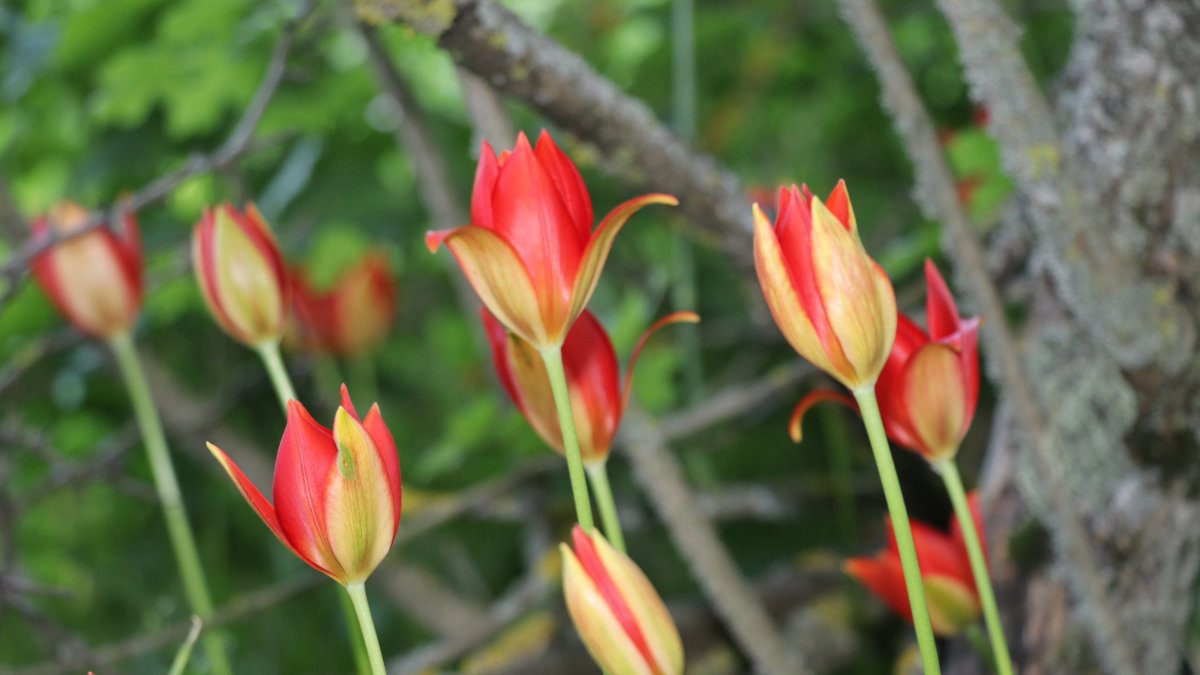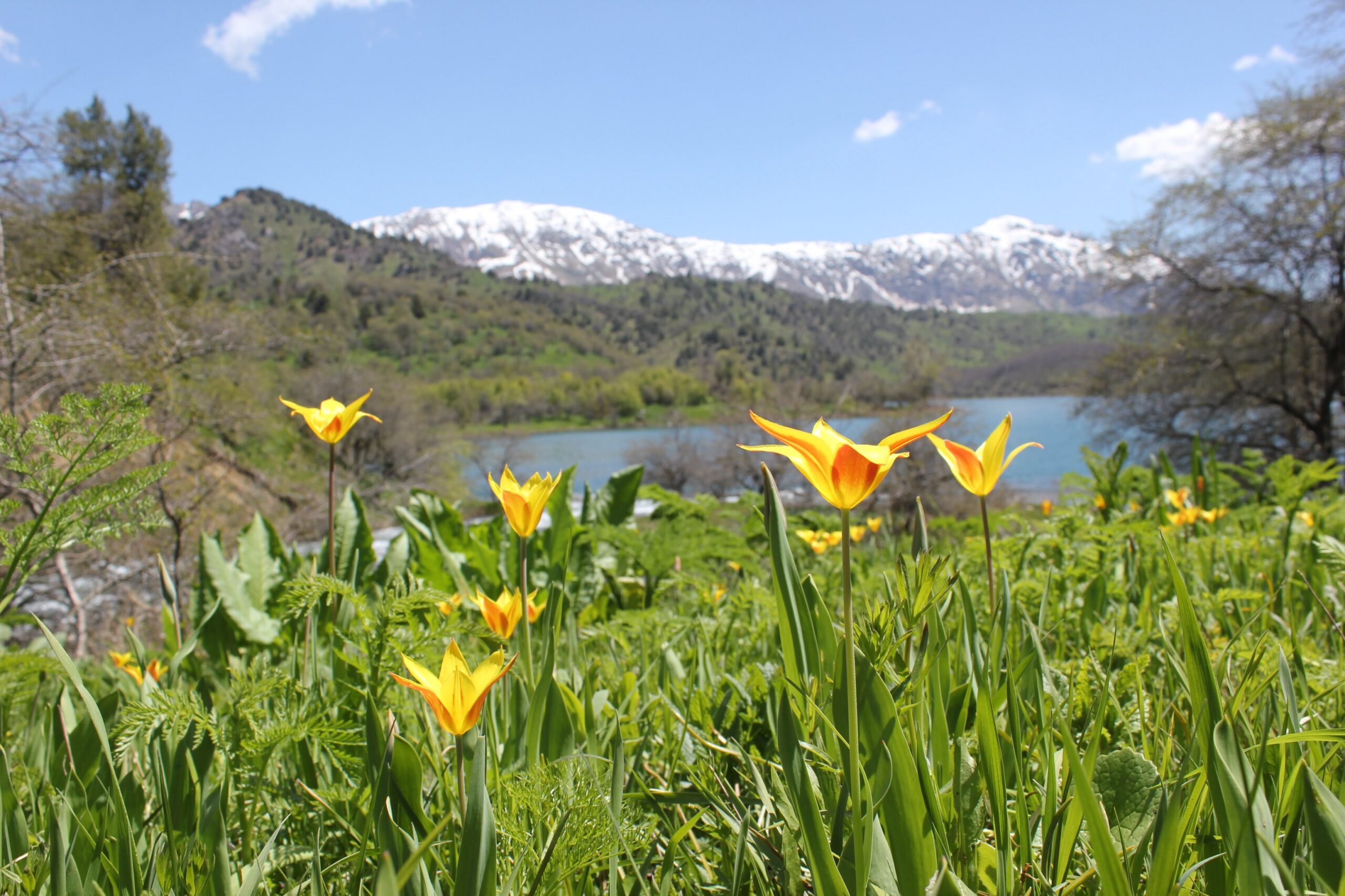
A massive genetic analysis of wild tulips has confirmed that Central Asia is the birthplace of tulips, but no single country can rightfully claim the flower originated within its borders.The researchers of the study also traced the closest ancestors of the popular garden tulips down to two possible candidates, Tulipa suaveolens and T. scardica.Brett Wilson, the study’s lead author and co-founder of the IUCN SSC Wild Tulip Specialist Group, told Mongabay that “urgent action is needed … if we are not going to lose a great many of these species.”More than half of all wild tulips assessed on the IUCN Red List are threatened with extinction.
The universally beloved tulips are synonymous with the Netherlands. The low-lying European country dominates the global market, producing nearly 90% of the world’s tulips. Every year, from March to May, tourists flock to tulip gardens and fields in the Dutch countryside to see the flowers in full bloom.
The origins of Tulipa, however, are believed to lie elsewhere.
A massive genetic analysis of wild tulips has confirmed that broader Central Asia is the birthplace of tulips, dating back roughly 32.5 million years. The researchers also traced the closest ancestors of the popular garden tulips down to two possible candidates.