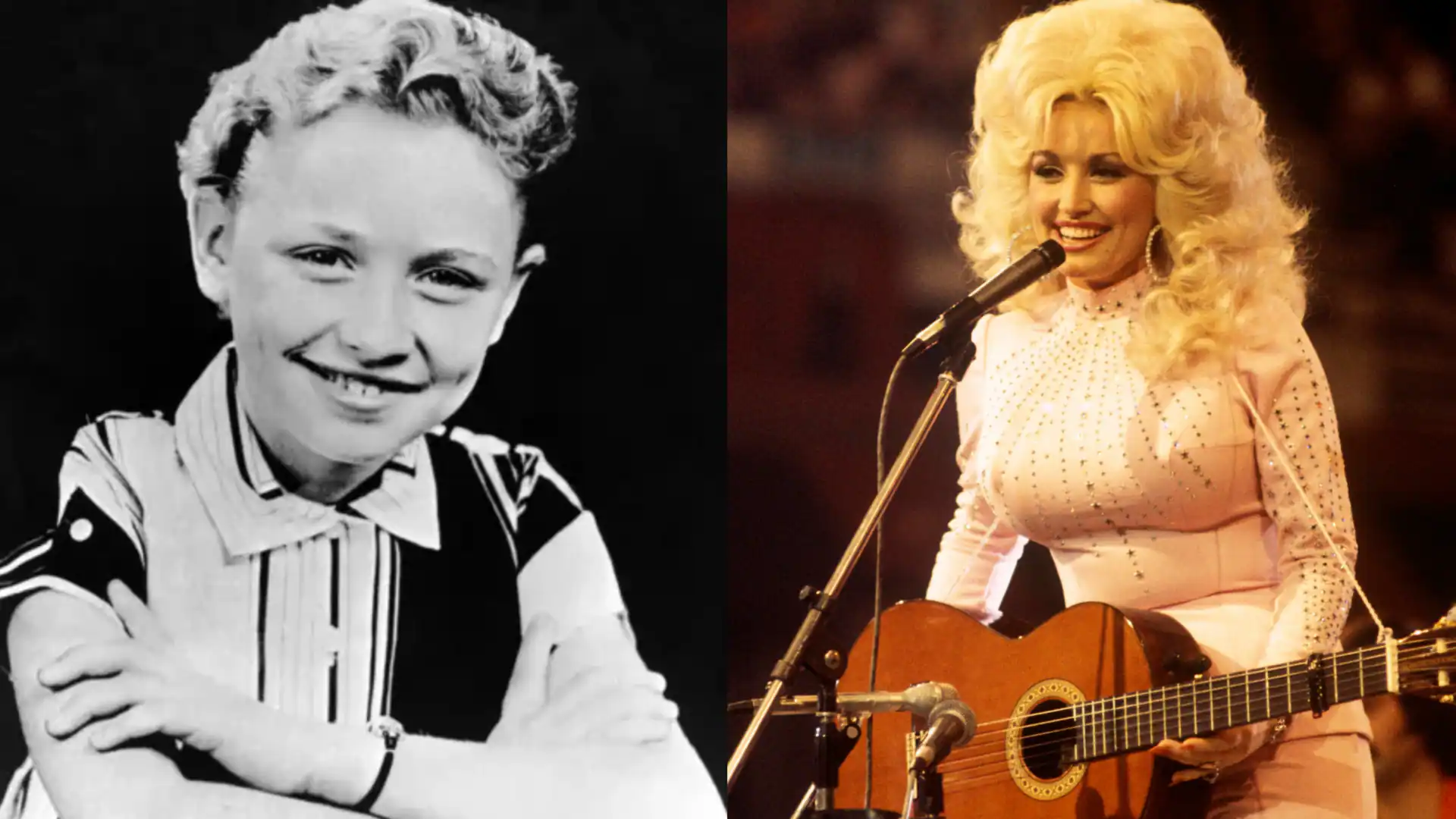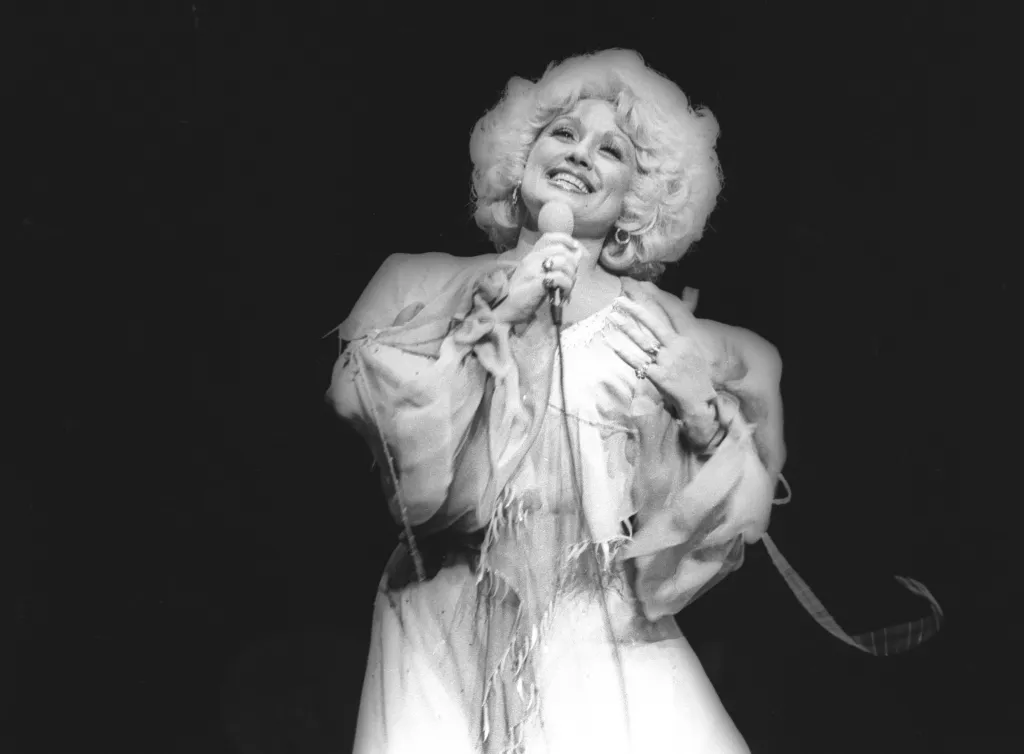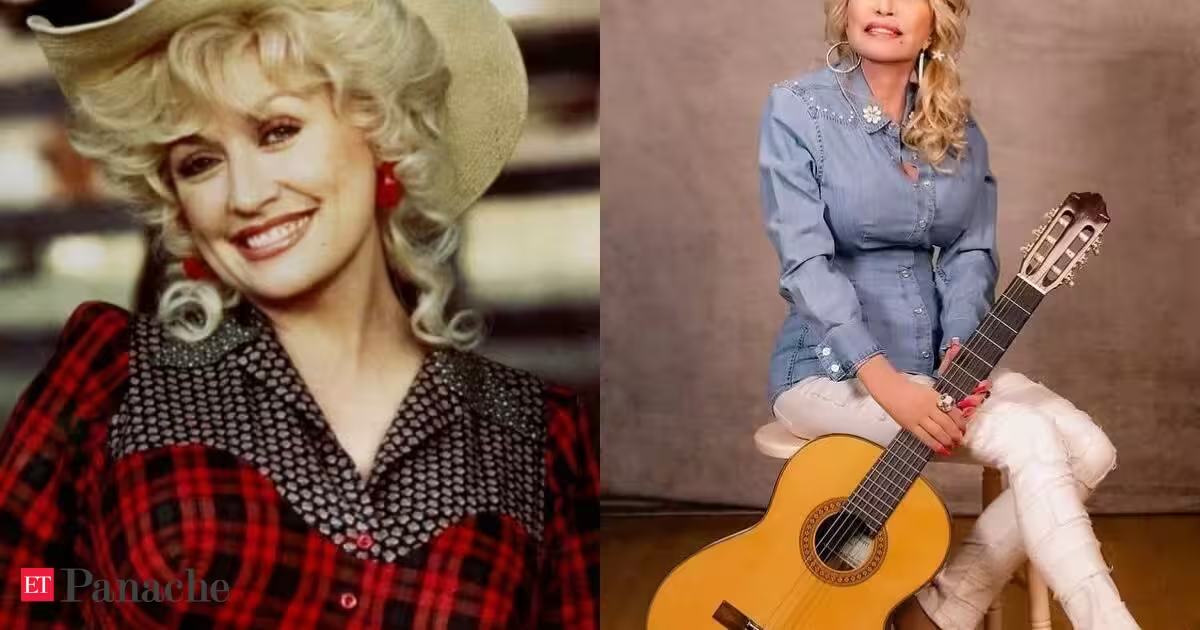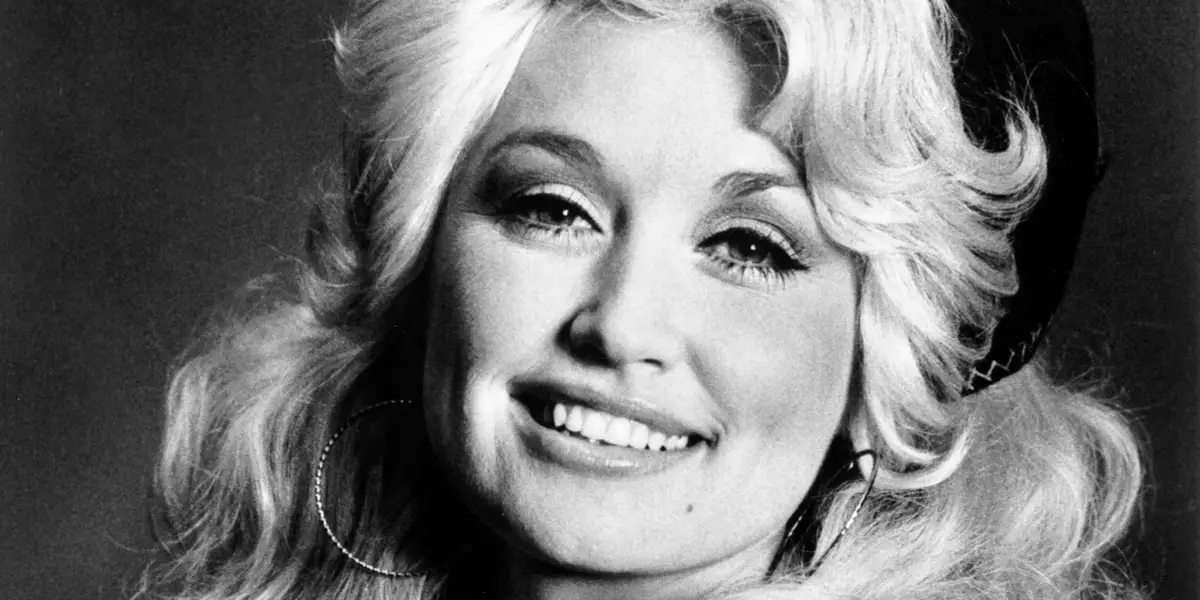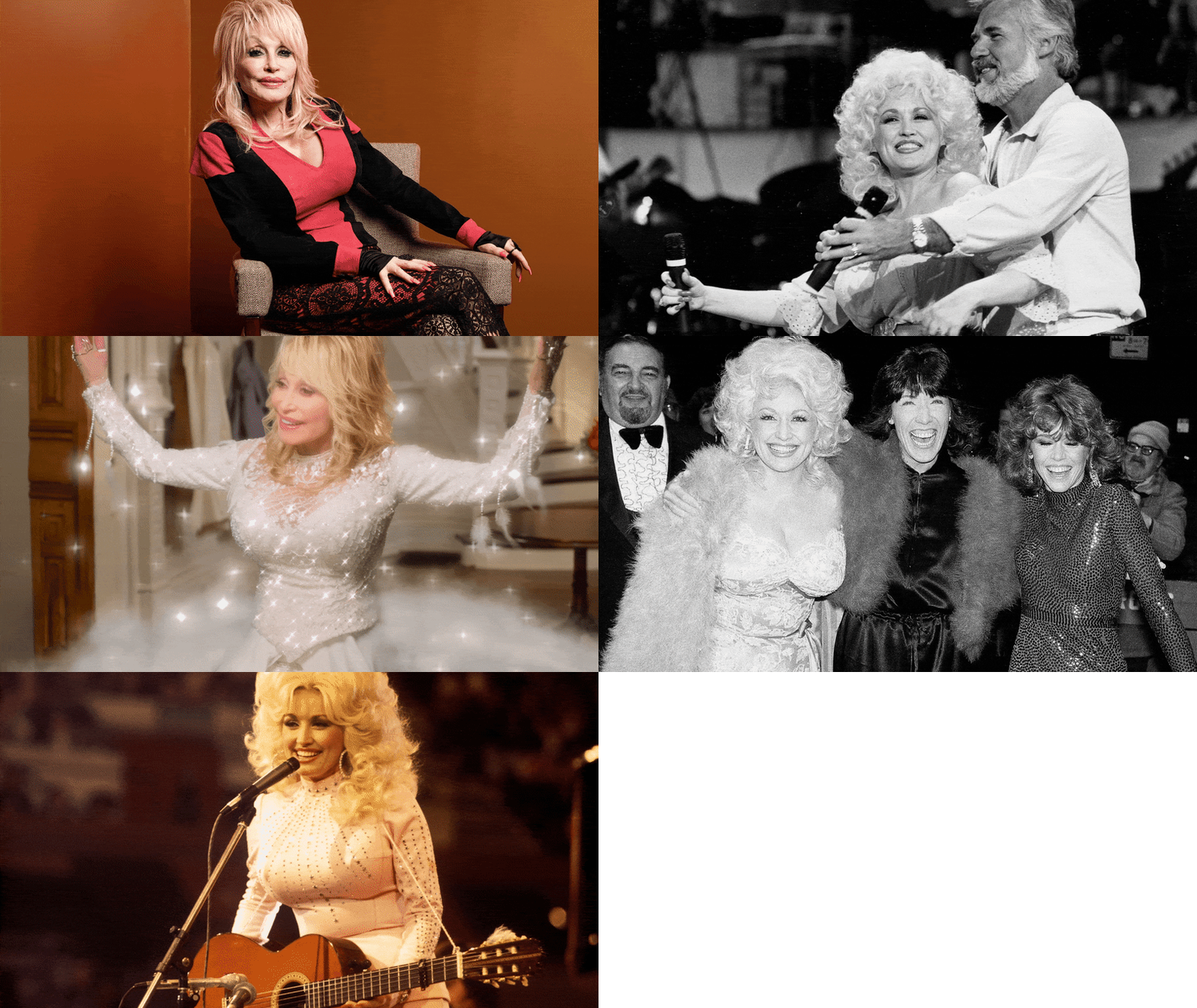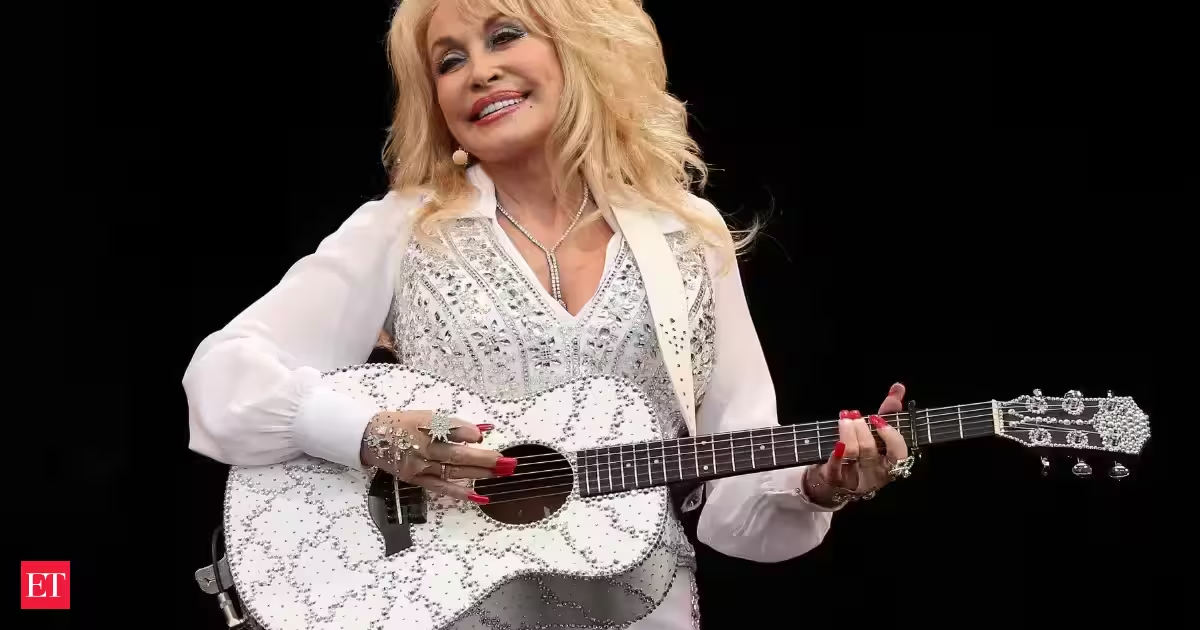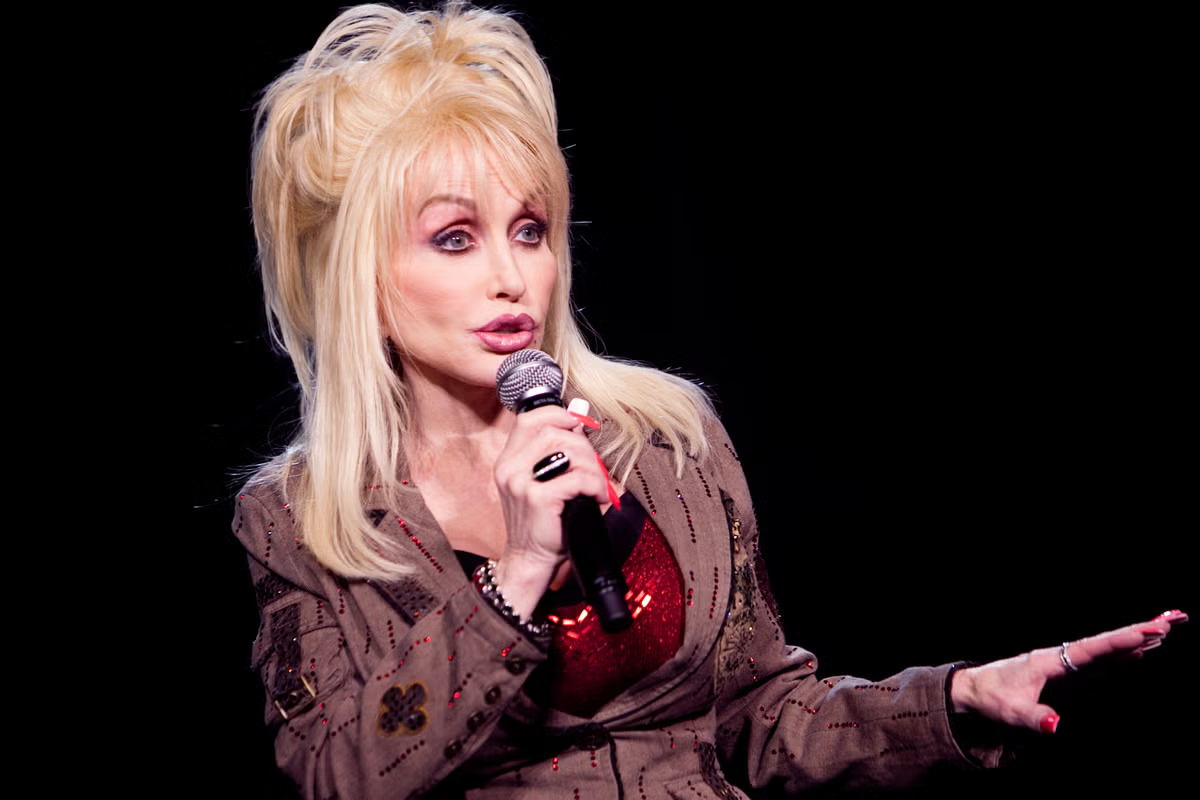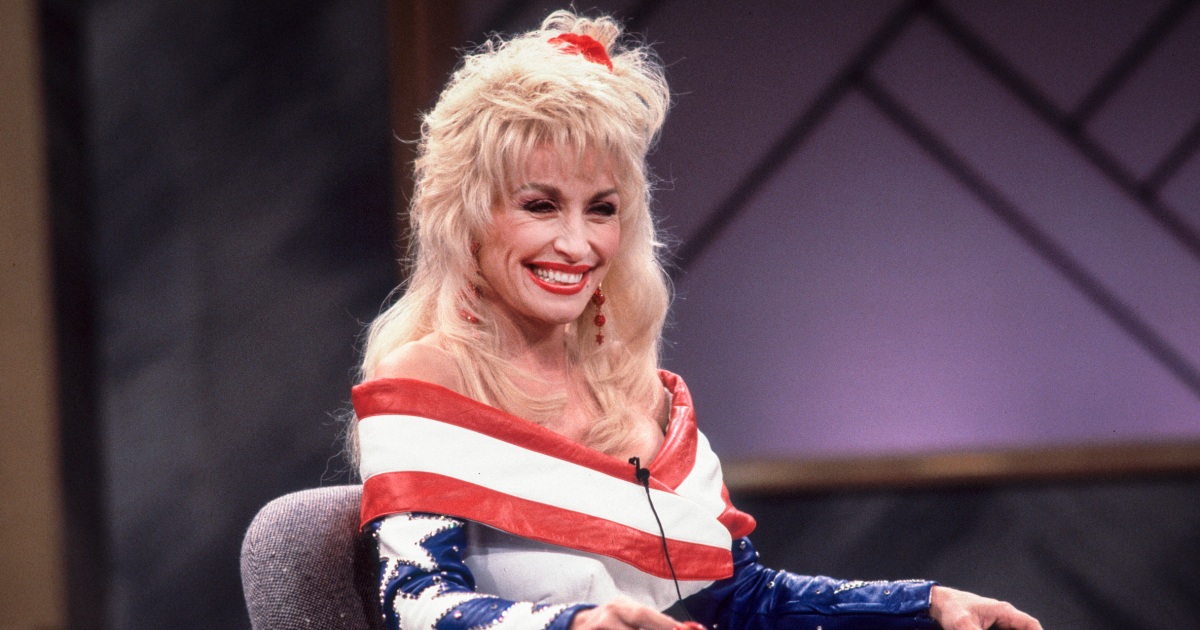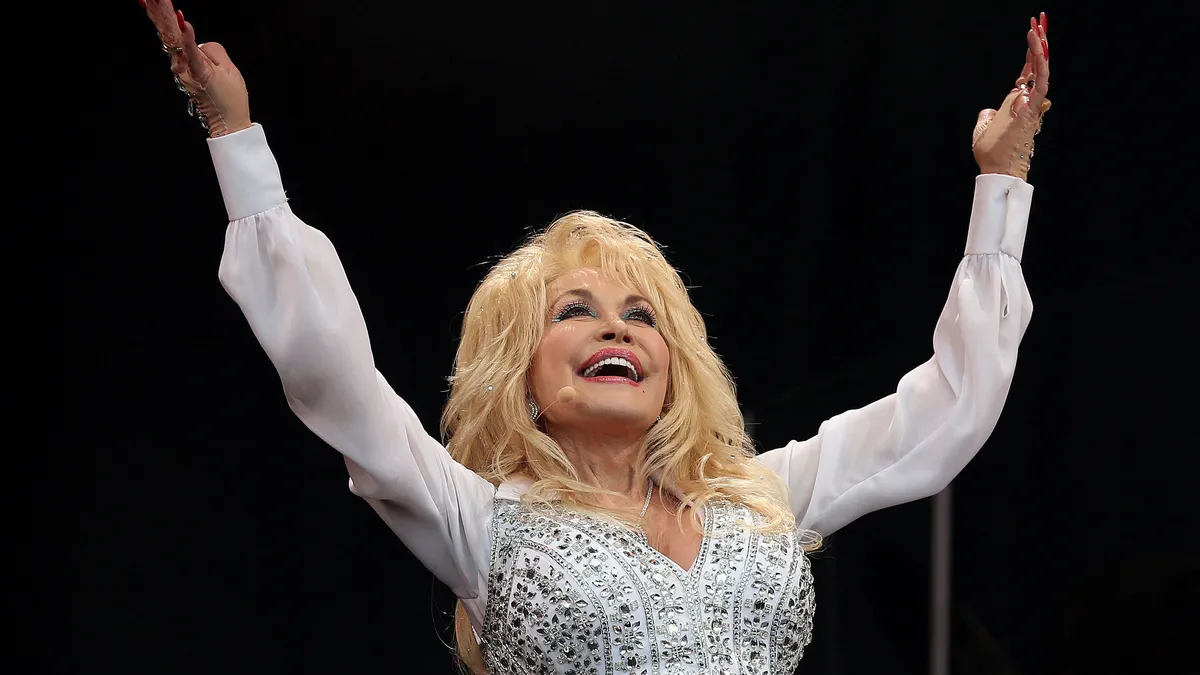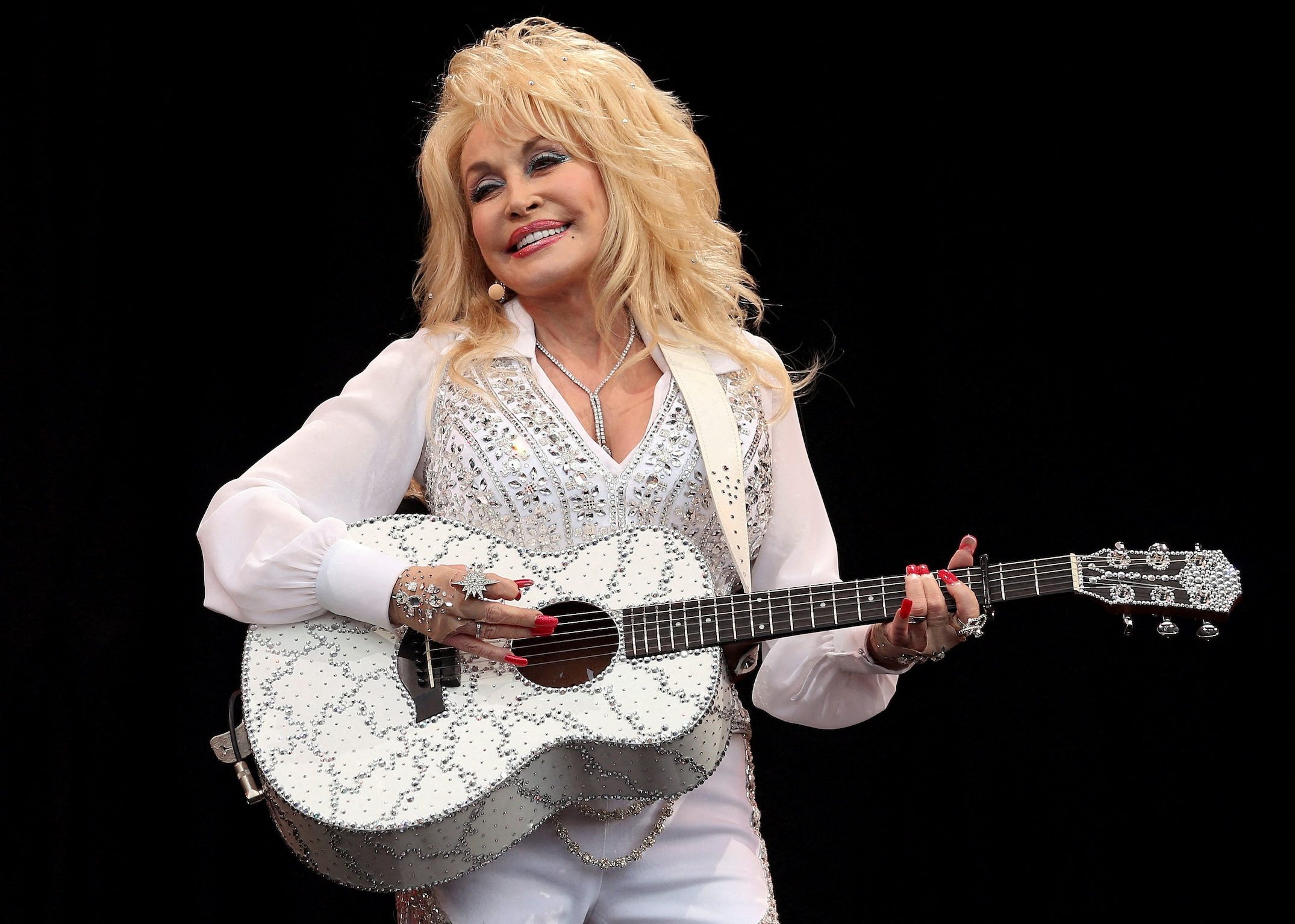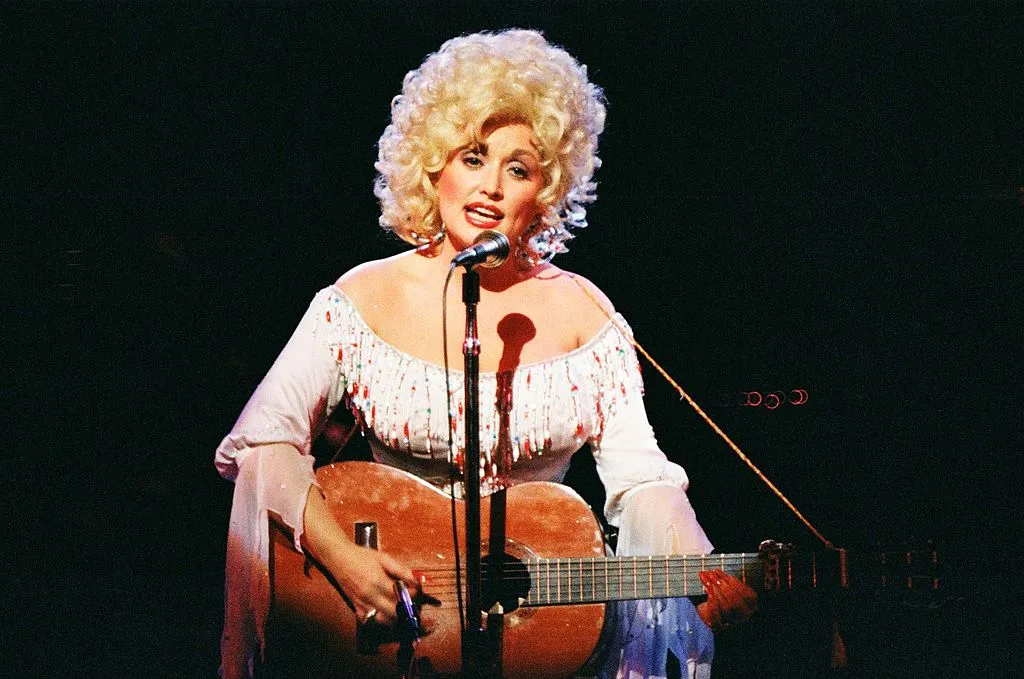
Dolly Parton was all-American. Born into the dirt-poor Tennessee hills of the Great Smokey Mountains, her upbringing reflected the indigent nature of country life in the South, even as the urban and suburban United States reaped the rewards of peacetime. Her father was, among other things, a tobacco farmer but struggled to support his wife and 12 children, all but one of whom survived infancy. It was a childhood steeped in hard work, mountain wisdom, and most important of all, the Bible.
Dolly Parton’s fame and fortune were built on talent, toil, personality and moral character
But unlike some country singers, Parton did not wallow in her hardscrabble childhood. In fact, she considered herself to have been rich in love, if lacking in money, a theme she sketched out in her 1971 song ‘Coat of Many Colours’. Drawing on a true story from her girlhood, Parton recounted how her mother turned a box of multicoloured fabric scraps into a winter coat for her daughter. ‘Momma sewed the rags together/Sewin’ every piece with love/She made my coat of many colours/That I was so proud of.’ This leads the young Dolly to conclude that ‘one is only poor/Only if they choose to be.’
Parton did become financially wealthy, and in the remarkable career she built for herself often collided with the sexist attitudes that prevailed in the country and western scene in the 1960s and 70s. She was able to overcome these obstacles with force of personality and sheer talent – not to mention the backing of country legend Porter Wagoner, who showcased her on his TV series and recorded with her.