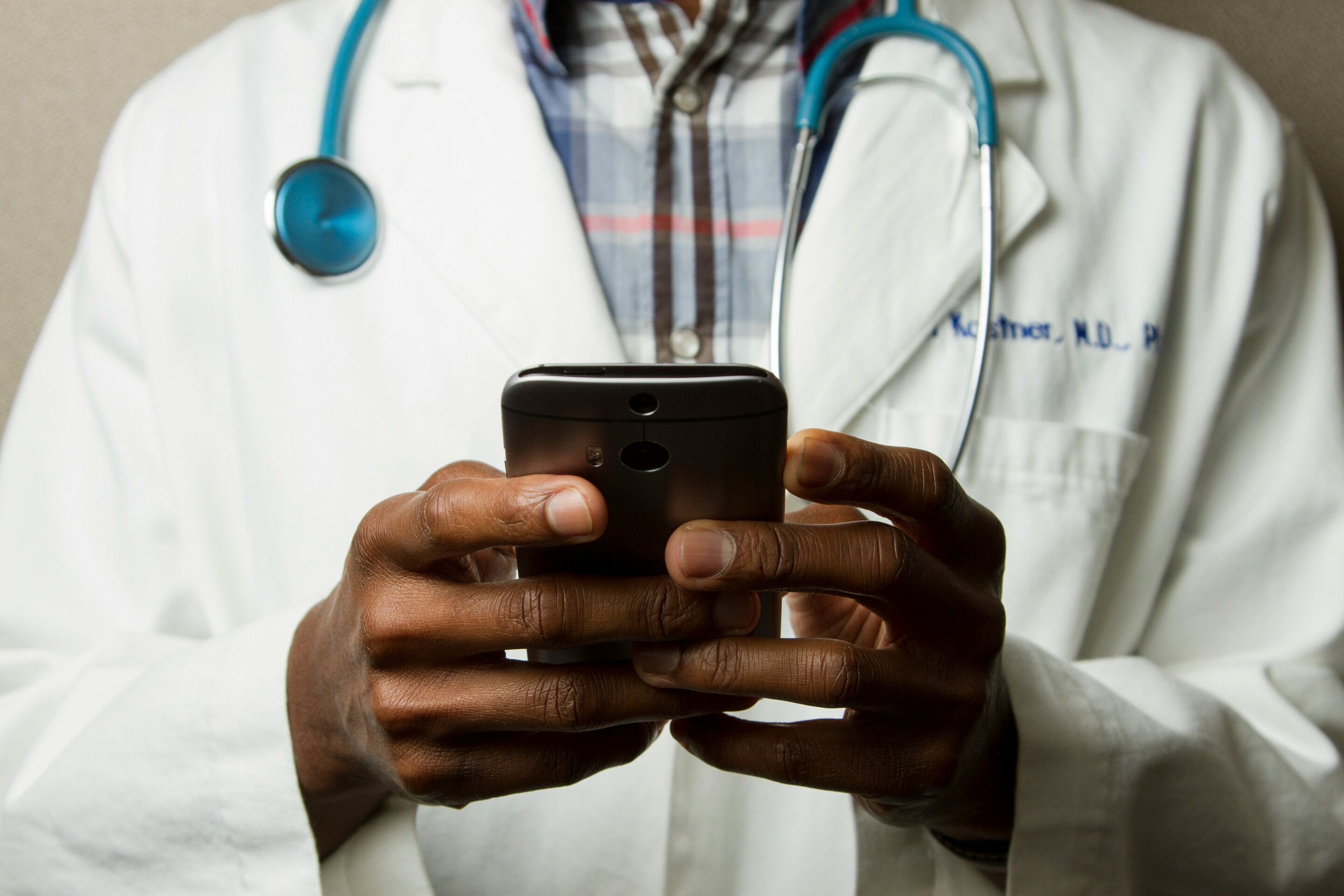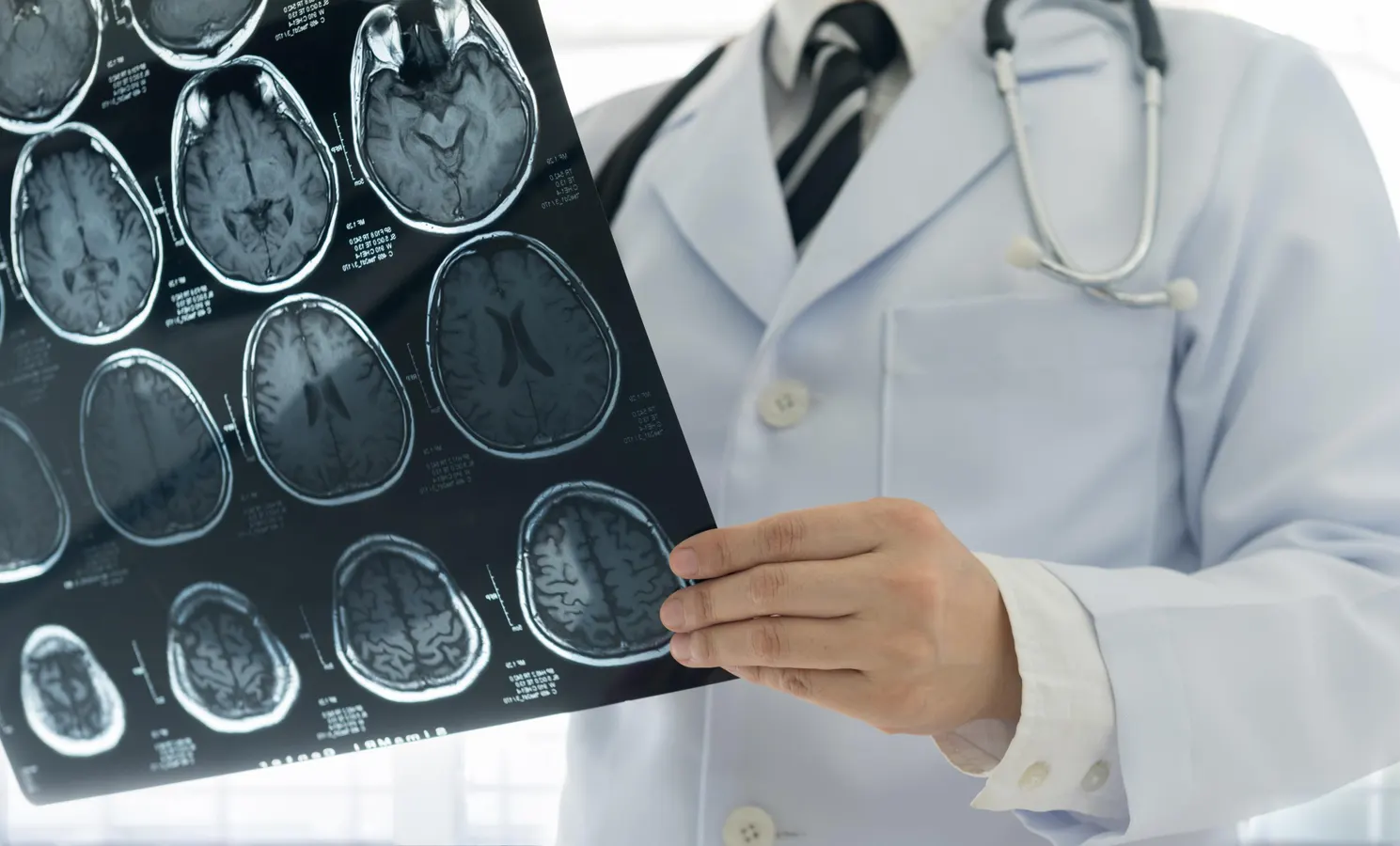
(Image credit: Imamu Tomlinson/Shutterstock)
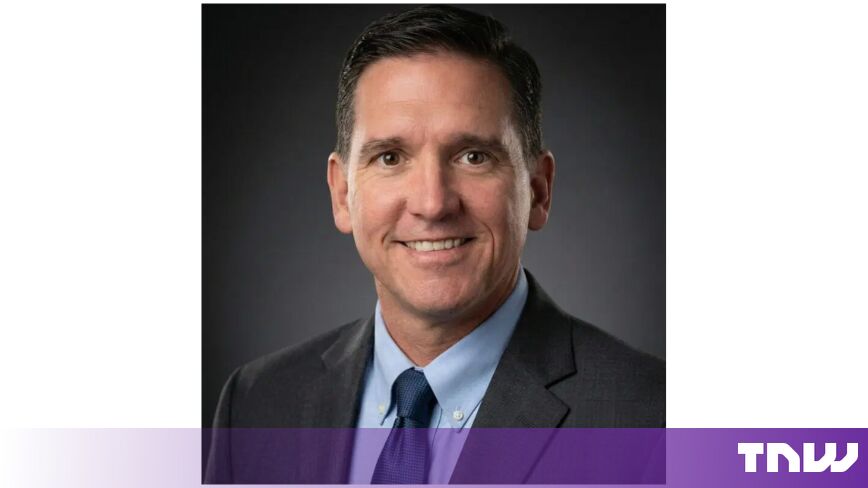
AI has made its way into the creation of music, art and literature. Some video game development studios are now using AI tools as part of their creative methods. And that same blossoming technology is relied upon by everyday people to help them with their persian land professional challenges.Speaking of personal challenges, many users use AI (such as ChatGPT Health) to learn more about their health conditions and get all the data they need to remain in a great physical state. With a growing number of healthcare professionals using AI systems to detect diseases early, get recommendations on how to treat individual patients, handle administrative tasks and more, AI is becoming more prevalent within the healthcare industry.There’s an important question that must be asked in relation to the rise of AI in healthcare: How much of our healthcare should we actually trust to artificial intelligence?To help us answer that question and get a definitive take on the one thing AI should never be in charge of from a medical perspective, we spoke to Imamu "Mu" Tomlinson, MD, a practicing emergency physician and CEO of Vituity, a national healthcare organization that is actively advancing healthcare technology and AI-enabled care solutions.AI’s modern-day presence in healthcare and what its future may look like