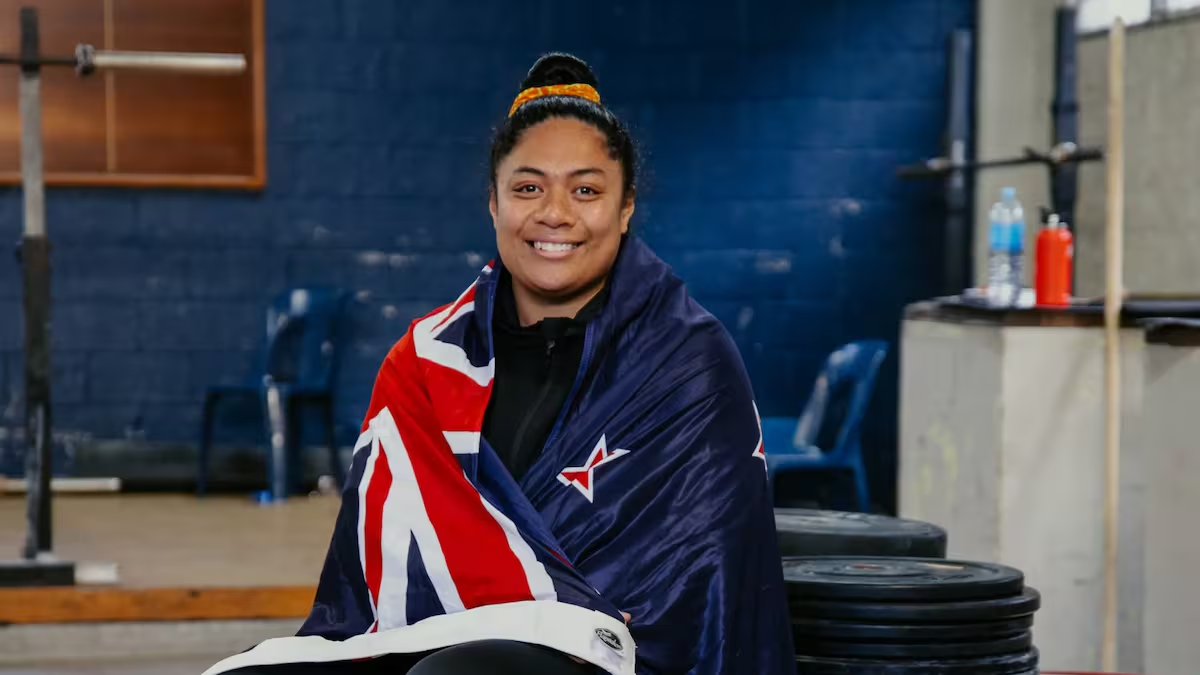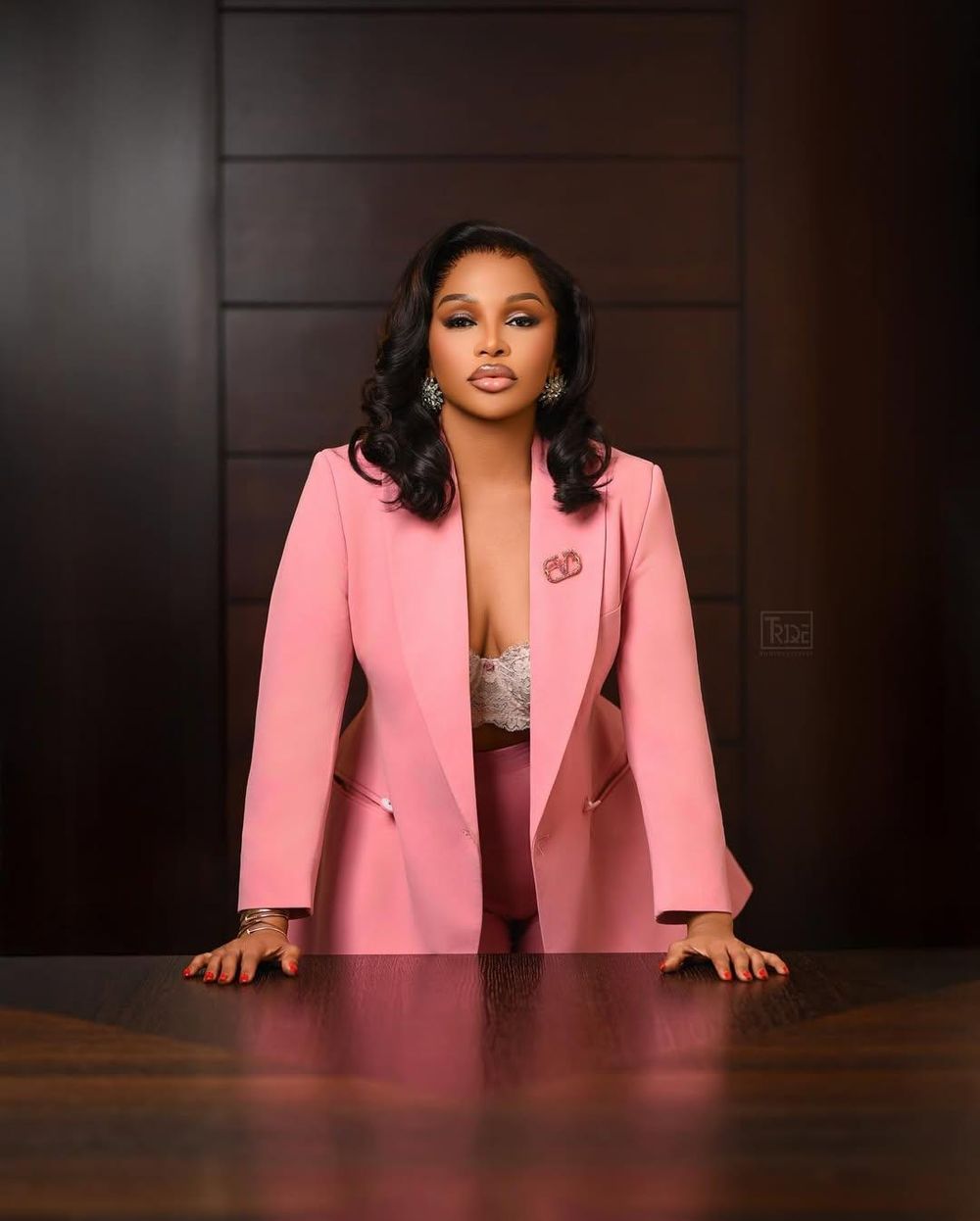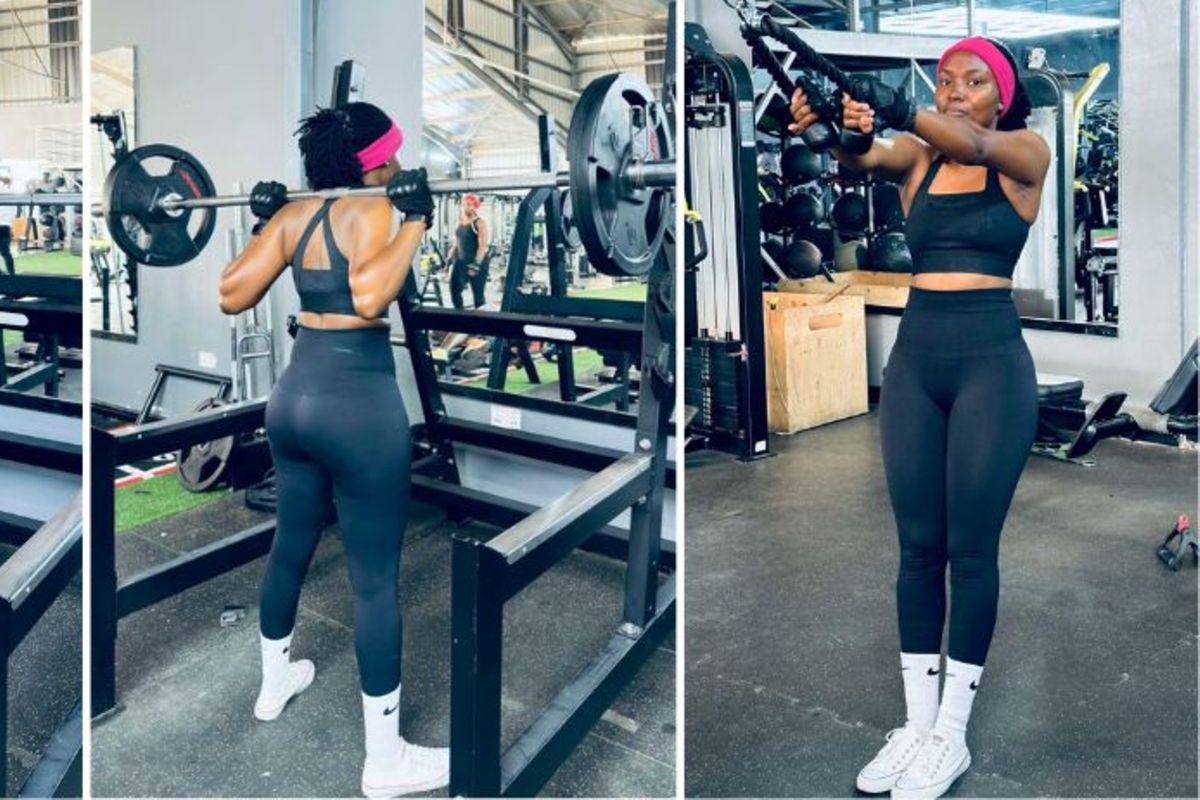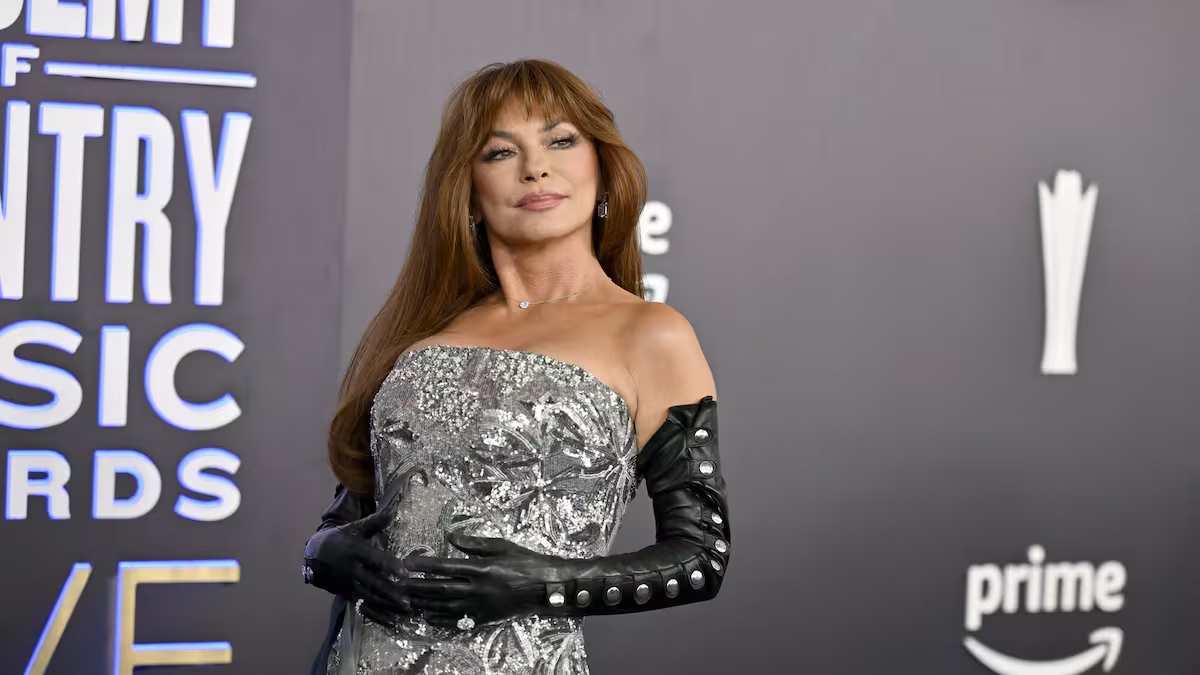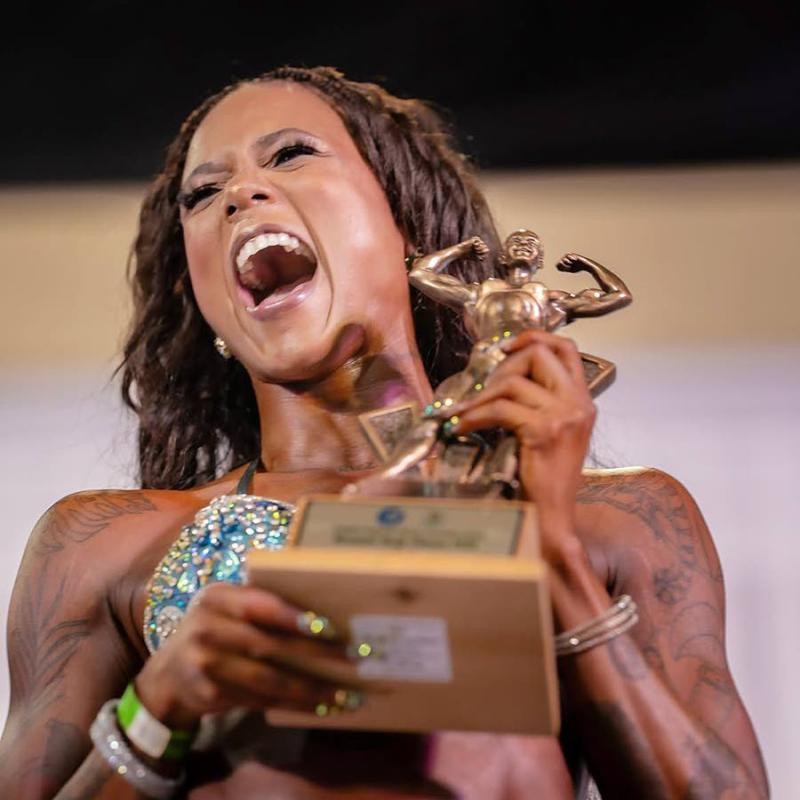
The first weight Shania Daley learnt to lift could not be measured in pounds. It was the private burden of a life she was trying to make bearable — one therapy session, one `prayer and one difficult decision at a time. On August 15, after months of restrictive meals, tough training sessions and practising her poses wherever she could, the 27-year-old won the Women’s Body Fitness title at the 2026 Mayberry Jamaica Amateur Bodybuilding and Fitness Association (JABBFA) National Senior Championship. For her, the trophy recognised more than the physique presented to the judges. When her name was announced inside the packed auditorium, the surrounding cheers appeared to recede. “I don’t think I could hear anything,” she told Lifestyle. The moment, she said, felt like “a full-body exhale”. The judges had assessed her physique, conditioning and overall presentation. What they could not see was everything her body had carried before reaching the stage. Daley disclosed in a public post that, about two years earlier, she had sat on her bedroom floor after attempting to end her life, and prayed for something to change. Her victory was not merely the reward for successfully preparing for a bodybuilding competition, it was proof that she had honoured a promise to herself. “This trophy for me is a physical representation of suffering meaning something,” she said. “If you stay true to yourself and the plan that you’ve made, and you work really, really, really hard and never give up on yourself, then it can be fruitful.” Before the Weights Raised in Glengoffe, St Catherine, Daley later moved to Kingston and attended Holy Childhood High School. At 16, she enrolled at The University of the West Indies to study psychology and gender and development studies. A year later, she established Just Peachy, the waxing and aesthetics business she still owns and operates. Balancing university, entrepreneurship and adulthood at a young age taught Daley to navigate difficult situations independently. She said those experiences shaped her approach to life. Fitness on the other hand, was not entirely new to Daley. She participated in competitive cheerleading throughout school and university and practised yoga for several years. She also worked as a private chef and operated a catering and food pop-up business, In the Kitchen with Princess, in 2020. What had been missing, she explained, was a holistic approach connecting physical health, nutrition and mental well-being. Despite living with polycystic ovary syndrome –now called polyendocrine metabolic ovarian syndrome (PMOS)– and endometriosis, Daley said she was never a woman who hated her body. Her concern was the inflammation, pain, reduced mobility and mental fog that accompanied her illnesses. “I loved my body,” she said. “But, when I would gain more weight or get increasingly sick, I would feel like my body betrayed me.” Near the end of the pandemic, an online remark changed the way she believed others viewed her body. Another comment beneath a TikTok post, “Do you think you’re small?”, provided an unlikely catalyst, intensifying Daley’s determination to make a change. Choosing Strength Initially, Daley’s mission was to become as small as possible. Before entering the gym, she lost approximately 40 pounds through severe undereating — a practice she now acknowledges was harmful. The weight disappeared, but so did significant muscle mass. Her focus shifted after she began training with bodybuilding and strength coach Xavier Reid in April 2025. He told her that her fitness level was low and explained what prolonged deprivation had cost her body. Daley then redirected the intensity she had used to restrict herself towards rebuilding what she had lost. Both Daley and her primary care physician recognised that her shoulder-to-waist-to-hip proportions were well suited to competitive bodybuilding. Her intensity, perfectionism and appetite for demanding, goal-oriented work also became assets. “The same personality traits that made me an intense person made me succeed in bodybuilding,” she explained. The qualities that had once made her feel like an outsider, she added, made her feel “like a superhero in bodybuilding”. As her strength increased, bodybuilding gave Daley a sense of possibility and tangible proof of her discipline. “It was becoming something by your own hands or of your own design. Undeniable work, undeniable proof, a physical representation, a manifestation of all of your efforts,” she shared. Daley began her weight-loss effort at 187 pounds in January 2025 and weighed 118 pounds at competition. Her resting weight now ranges between 123 and 125 pounds. Still, she considers the psychological change the more consequential measurement. The Unseen Muscle Daley has spent years in therapy and lives with borderline personality disorder, which she says is now in active remission. Therapy helped her establish structure, examine herself honestly, and rebuild trust in her own character. “Sometimes you don’t have the tools that you need to advance or to go further,” she said. “In order to do better, you need more knowledge. So, I went to therapy.” By the time Daley committed to bodybuilding, the groundwork for a healthier relationship with herself had already been laid. The gym provided somewhere for that developing confidence to take form. Daley said she had done considerable groundwork to rebuild trust in herself and had come to see herself as trustworthy, reliable and safe. “When this version of myself met with bodybuilding, we created magic. I don’t feel just like I got a new body,” Daley added. “My entire being, the trajectory of my life, has changed.” Every detail counted Daley’s competition preparation was methodical. She trained six days a week, completing approximately 45 minutes of cardiovascular exercise followed by two to two-and-a-half hours of weight training. Sundays were reserved for recovery and meal preparation. Her diet required equal precision. PMOS, endometriosis and digestive sensitivities meant Daley already had to monitor what she consumed. She adjusted her carbohydrate intake and explored sources of fibre and probiotics that supported her digestion without aggravating her symptoms. She also stayed well hydrated, describing the regimen as “drinking your body weight in water”. Her preparation extended beyond the gym. Daley wore her competition heels to the supermarket and practised posing whenever possible to improve her balance, flexibility, form and presentation. “I went full gas, full speed ahead and just stayed focused on this task, this goal,” she said. Daley now balances bodybuilding with operating her aesthetics studio and working as a nutrition coach. She stressed that she is neither a bodybuilding coach nor a fitness trainer. Her nutrition programme follows a biopsychosocial model, considering the psychological, physical and social factors that shape a person’s relationship with food, movement and well-being. Her academic training provides the foundation, while her personal experiences inform her approach to clients. Describing herself as “an alchemist and a woman in motion”, Daley does not view the national title as the finished product. She intends to keep developing her interests and exploring what she can achieve through discipline and faith. nyokamanning@gleanerjm.com If you or someone you know is considering suicide, call the Ministry of Health and Wellness’ mental health and suicide prevention helpline at 888-NEW-LIFE (639-5433).
Shania Daley flexes a life rebuilt
The first weight Shania Daley learnt to lift could not be measured in pounds. It was the private burden of a life she was trying to make bearable — one therapy session, one `prayer and one difficult decision at a time. On August 15, after months of restrictive meals, tough training sessions and practising her poses wherever she could, the 27-year-old won the Women’s Body Fitness title at the 2026 Mayberry Jamaica Amateur Bodybuilding and Fitness Association (JABBFA) National Senior Championship.
1,170 words~5 min read