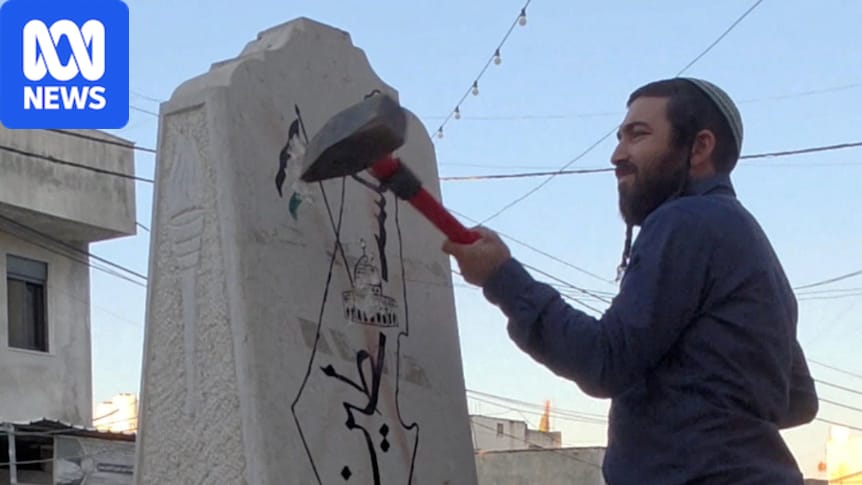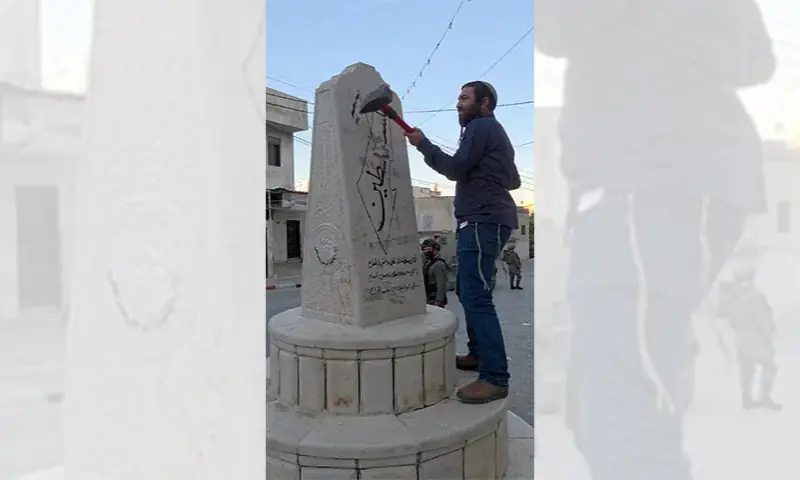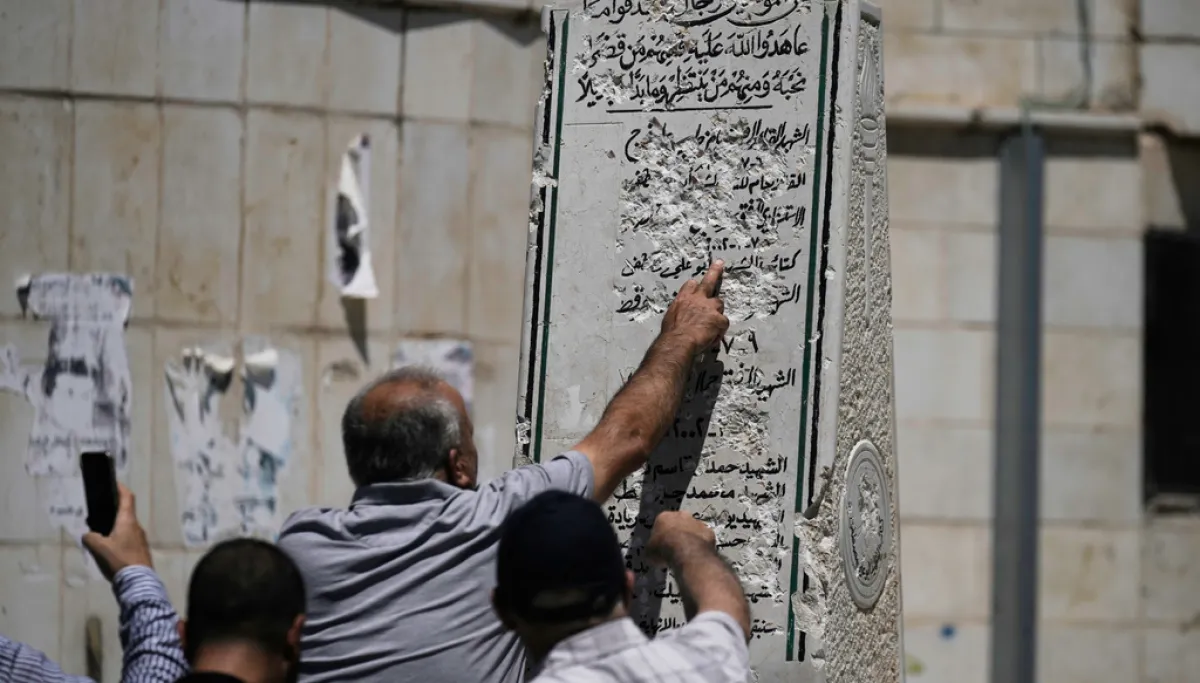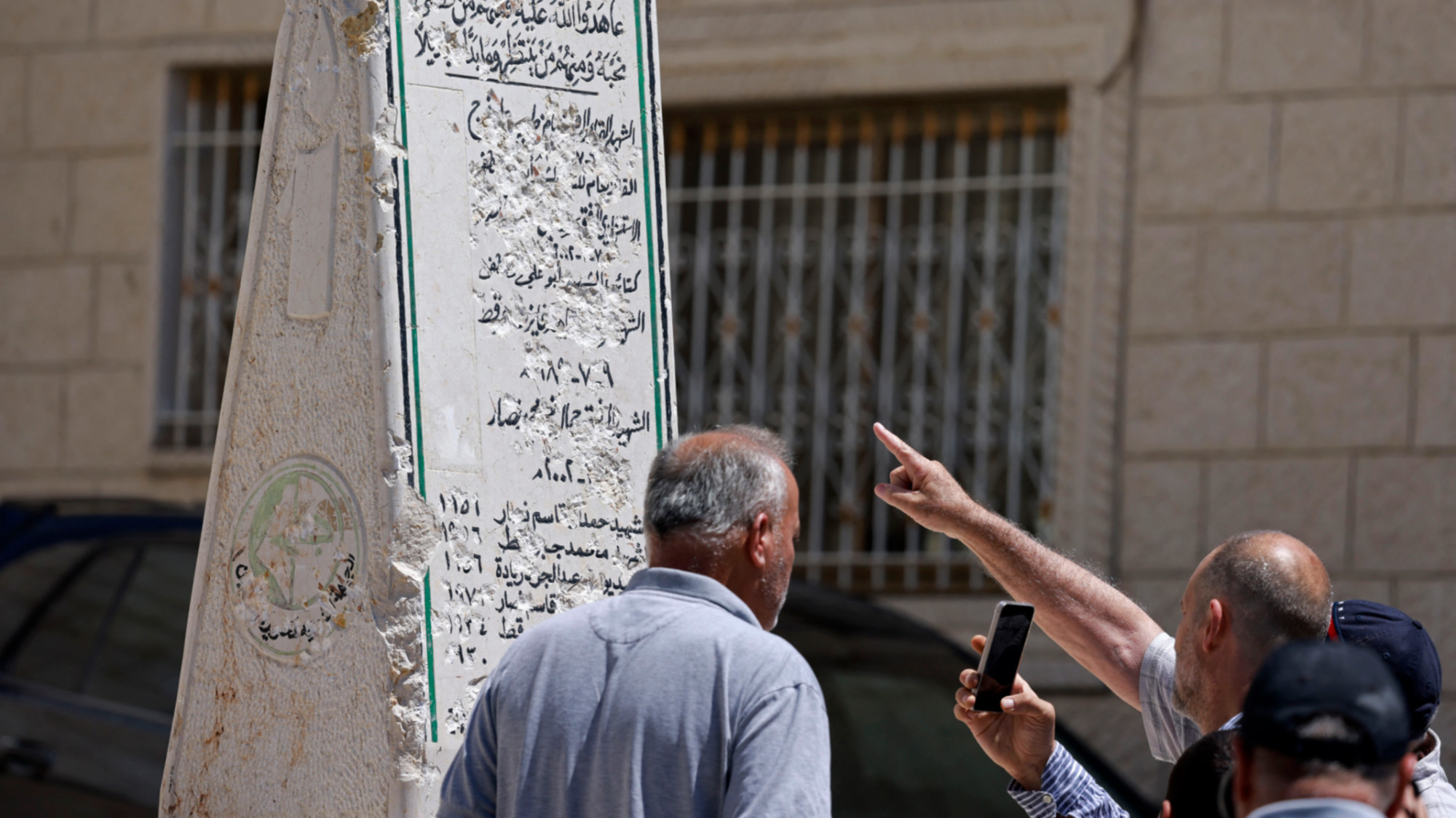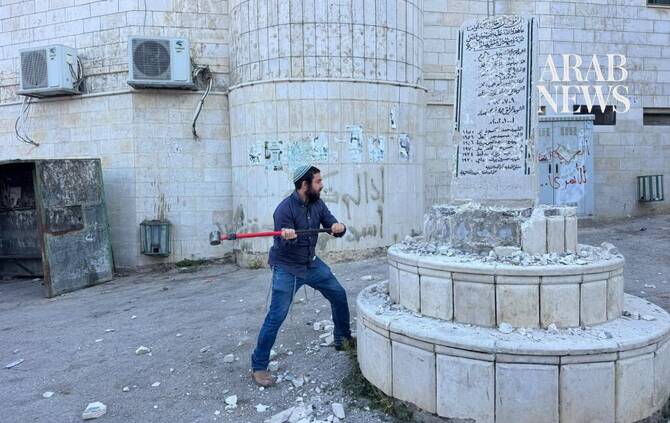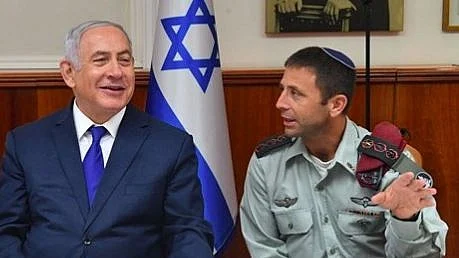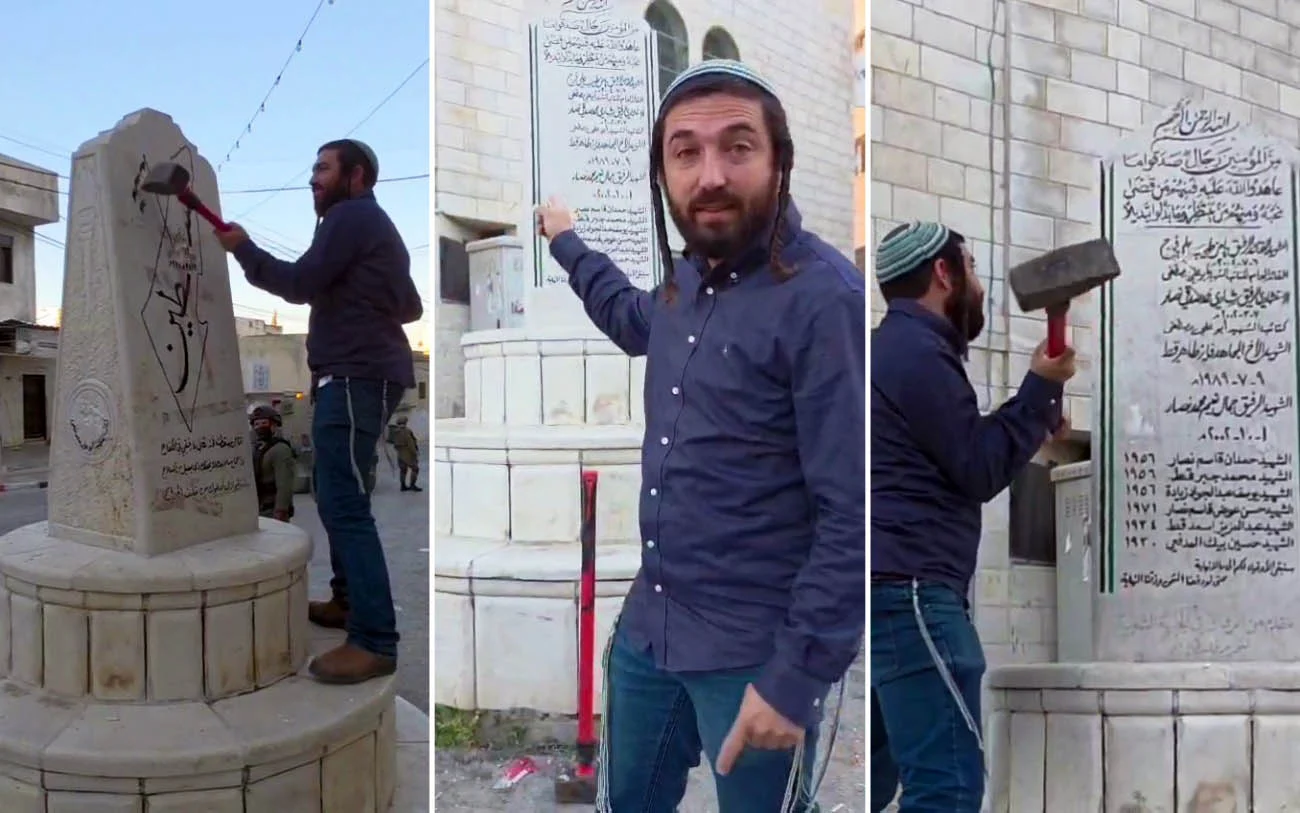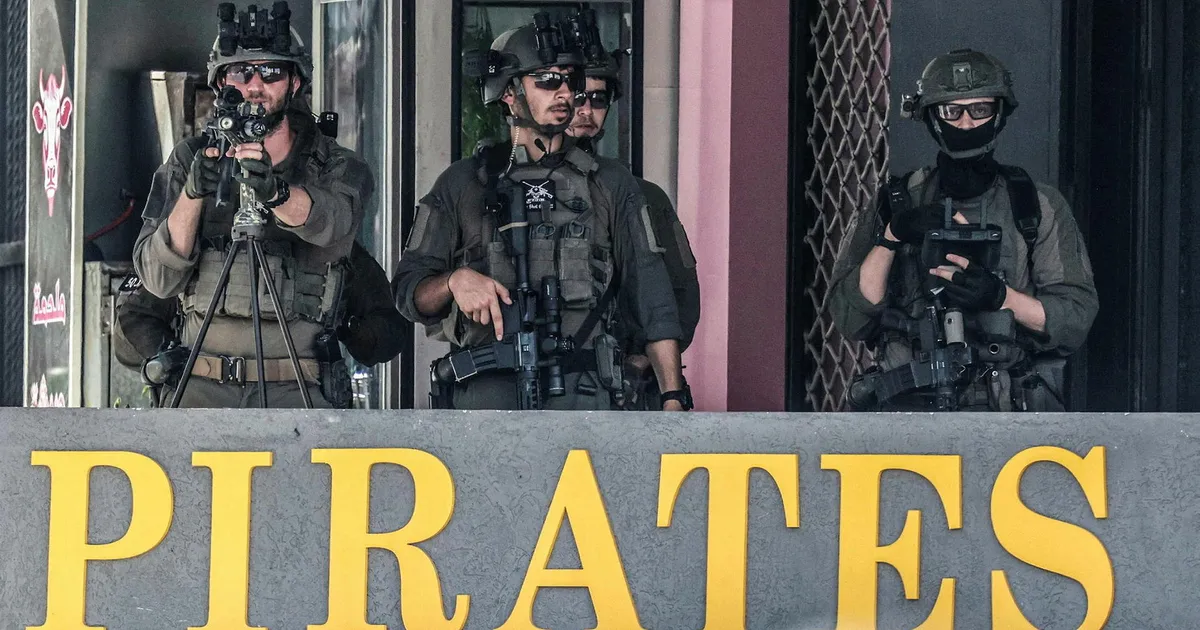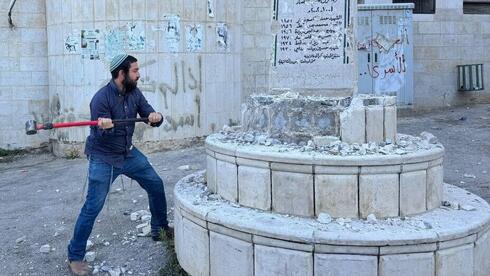
Analysis: Zvi Sukkot’s destruction of a memorial to a Palestinian terrorist reflects a broader push to provoke unrest, weaken the Palestinian Authority and turn West Bank escalation into political gainThis is fire season in the West Bank, but not because of the summer heat.With Israel heading toward elections, far-right activists and their political allies appear increasingly intent on creating the conditions for the next major eruption.Zvi Sukkot destroyes a memorial to a Palestinian terroristTheir broader political goals are no secret. Figures in Finance Minister Bezalel Smotrich’s Religious Zionism party and National Security Minister Itamar Ben-Gvir’s Otzma Yehudit have long advocated dismantling the Palestinian Authority and extending Israeli sovereignty across the West Bank.Actions such as the destruction of a memorial to a Palestinian terrorist in the village of Madama, south of Nablus, by Religious Zionism lawmaker Zvi Sukkot should be viewed in that context.Sukkot, who chairs the Knesset Education Committee, appeared to be pursuing several objectives at once: provoke unrest, trigger Palestinian violence against Israelis, create pressure for Israeli action against the Palestinian Authority and, ultimately, strengthen his party politically as it competes with Ben-Gvir’s faction for right-wing votes.For Smotrich and his allies, that may look like a win-win scenario. For Israel and the IDF soldiers, both conscripts and reservists, who would be left to deal with the consequences, it is anything but.Prime Minister Benjamin Netanyahu’s response to Sukkot’s actions only underscores the cynicism surrounding the episode.“The IDF is the sovereign in Judea and Samaria and is responsible for implementing the decisions of the political echelon. Taking the law into one’s own hands, especially by public officials, is wrong and interferes with the IDF’s ability to focus on its missions against terrorism and incitement,” Netanyahu wrote.Yet Netanyahu’s coalition has repeatedly tolerated Sukkot’s conduct, including his participation in the storming of an IDF base and other confrontational actions in recent months, even while he has continued to hold a senior parliamentary position.More broadly, Netanyahu’s government has spent nearly four years responding with silence or indifference to Jewish extremist violence that has become a serious threat to security and stability.Several hundred lawbreakers have been allowed to operate across the West Bank, including in Areas A and B, while the state has often appeared unwilling to confront them decisively. The political calculation is difficult to miss: avoid alienating a hard-right electoral base, even if that means eroding the authority of the IDF and Israel Police.The damage to the military is increasingly difficult to ignore.The problem is not only that extremist Israelis occasionally confront IDF soldiers. It is that the army, willingly or otherwise, has sometimes found itself facilitating the activities of the very people its commanders warn are destabilizing the territory.Avi IssacharoffPhoto: Yuval ChenMaj. Gen. Avi Bluth, head of the IDF Central Command, has warned about violence by Jewish extremists. Yet someone within the military still allowed Sukkot to enter Madama, even if he did not disclose in advance that he intended to destroy the memorial.It is the equivalent of allowing an arsonist to walk near a fire carrying a can of fuel.The contradiction extends further. Some of the same extremists have been recruited into armed local security squads operating in the West Bank, where they can ultimately provide backing for other Jewish rioters.Above all of this sits the political leadership: a defense minister who repeatedly signals sympathy with the far right, and a prime minister who rediscovers the political center only as elections approach.Until now, Netanyahu has done little to stop Jewish extremist violence in the West Bank.In an election year, perhaps the calculation is that a small fire is politically manageable.Then again, fires have a habit of spreading.
Israel’s far right is playing with fire in the West Bank, and the IDF may pay the price
Analysis: Zvi Sukkot’s destruction of a memorial to a Palestinian terrorist reflects a broader push to provoke unrest, weaken the Palestinian Authority and turn West Bank escalation into political gain
606 words~3 min read