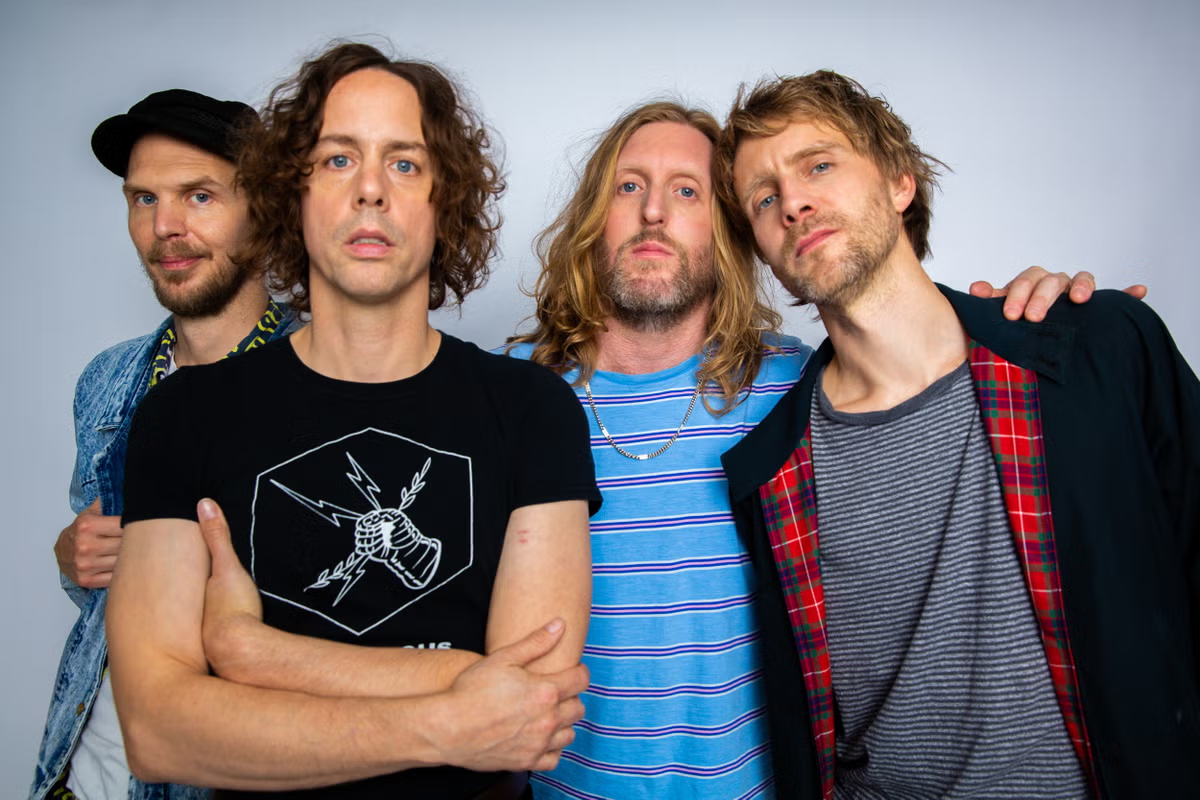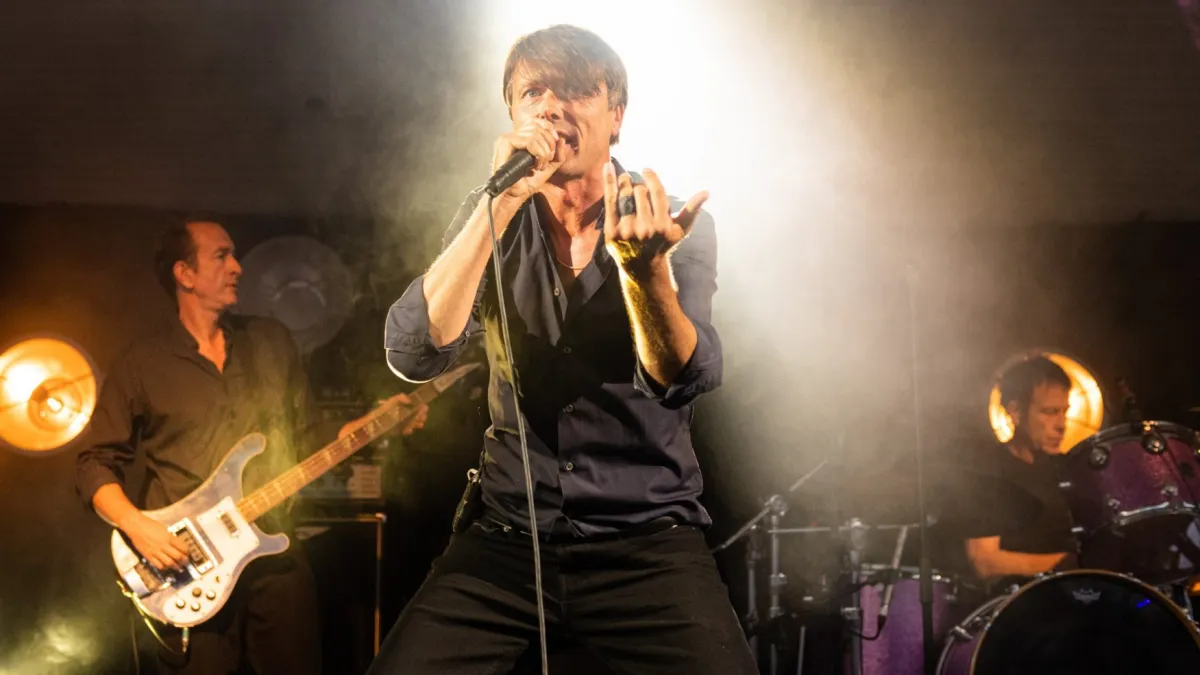
“I couldn’t be more bored by talking about the 90s,” says Suede bassist Mat Osman of the decade when Britpop ruled all and his band, led by Brett Anderson, were at their commercial peak with hits like “Trash” and “Beautiful Ones”. He adds: “There’s just very little interesting left to say. So this seemed like a chance to talk about a very different kind of thing.”
Osman is referring to a new biography by author Rodge Glass, As One: Remaking Suede. It leaves the band’s 90s pomp behind to tell the newer story of Suede’s remarkable and highly improbable second act. Few were grieving when the band split sorrily in 2003 – “it was a relief because we weren’t very good at what we were supposed to be doing,” Osman says – and there was little clamour for their return.
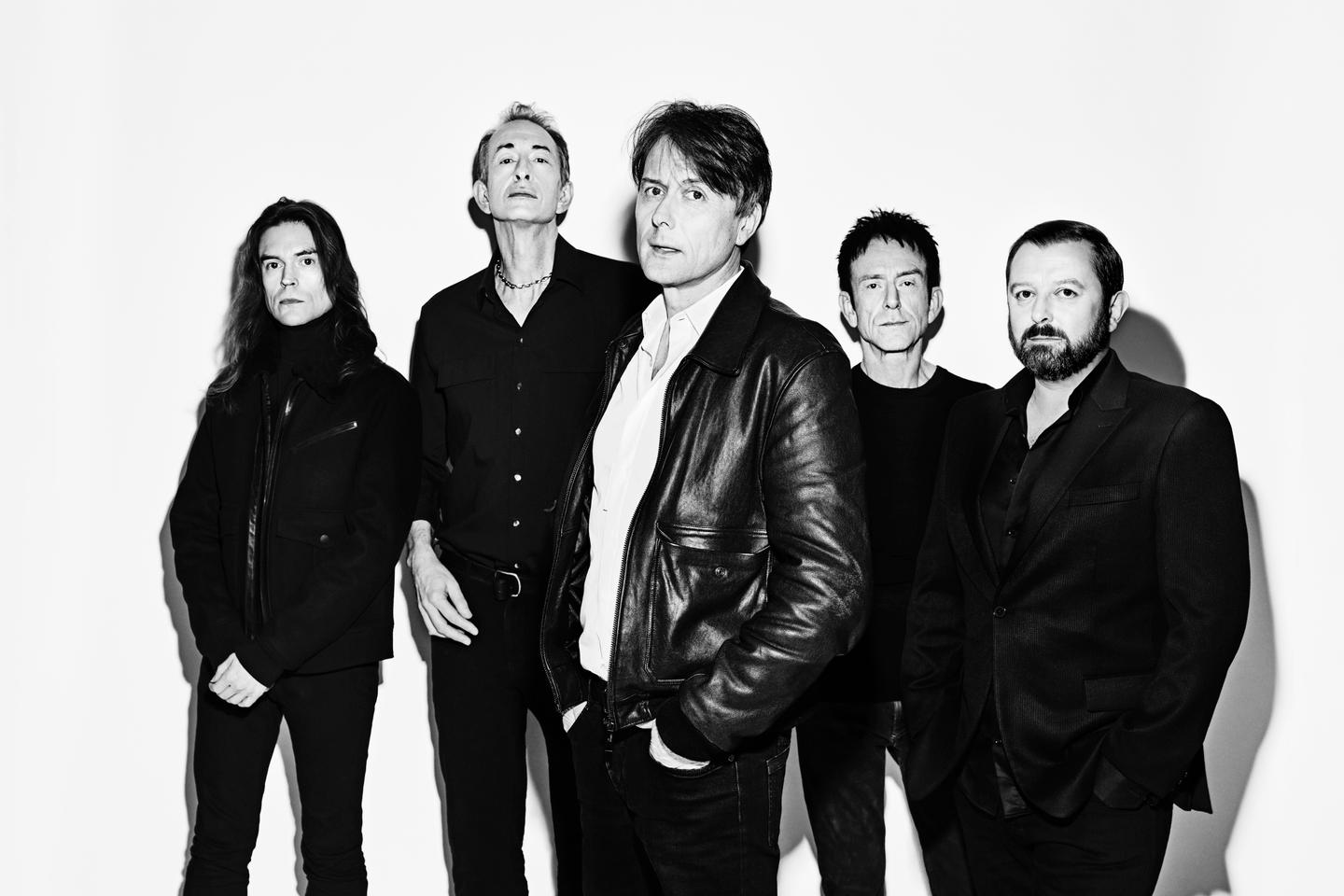
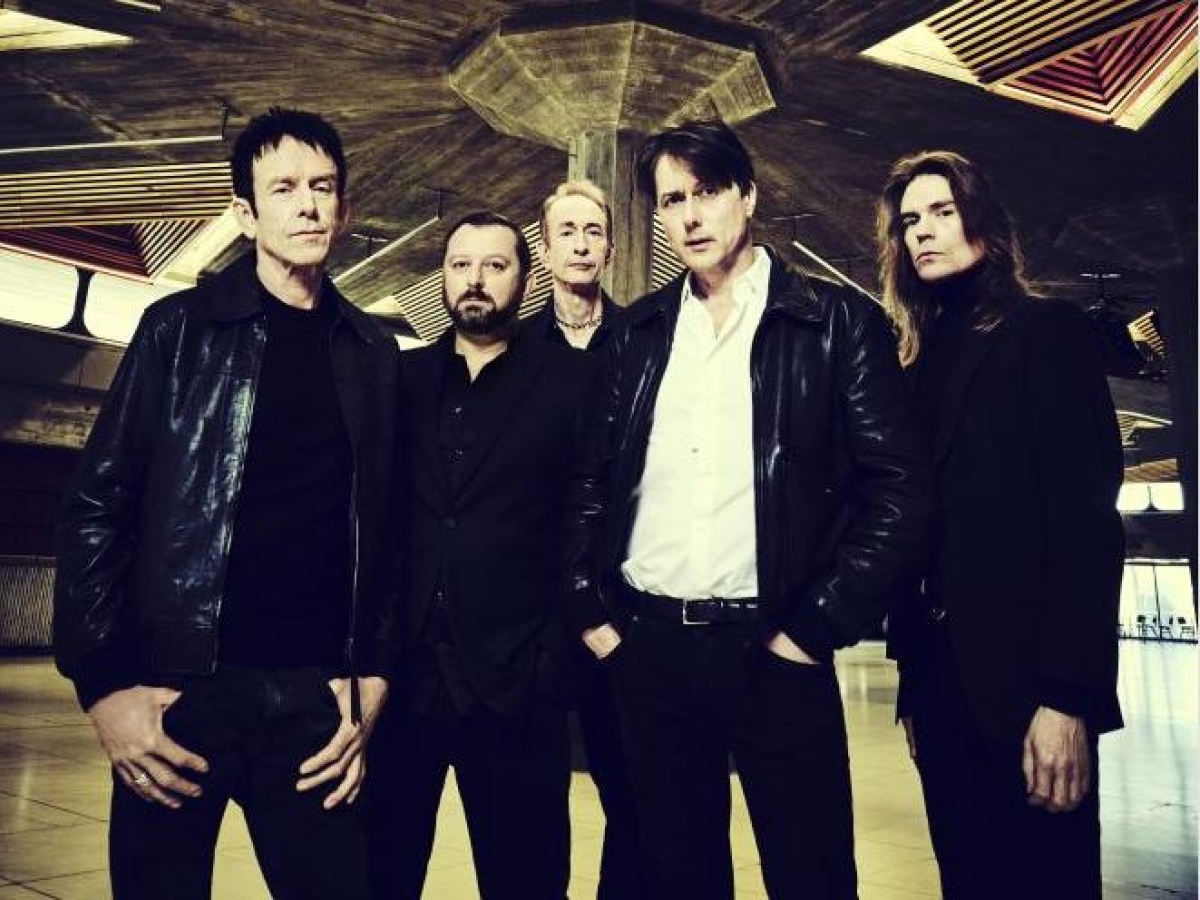
But since tentatively reforming in 2010 for a Teenage Cancer Trust concert at the Royal Albert Hall, Suede have forged an uncommon path forward, rebuilding themselves as a creative force across five albums that peaked with 2022’s Autofiction and last year’s 10th album Antidepressants. Both reached number two in the charts and remoulded Suede into a vigorous post-punk-adjacent band accruing more power with age.
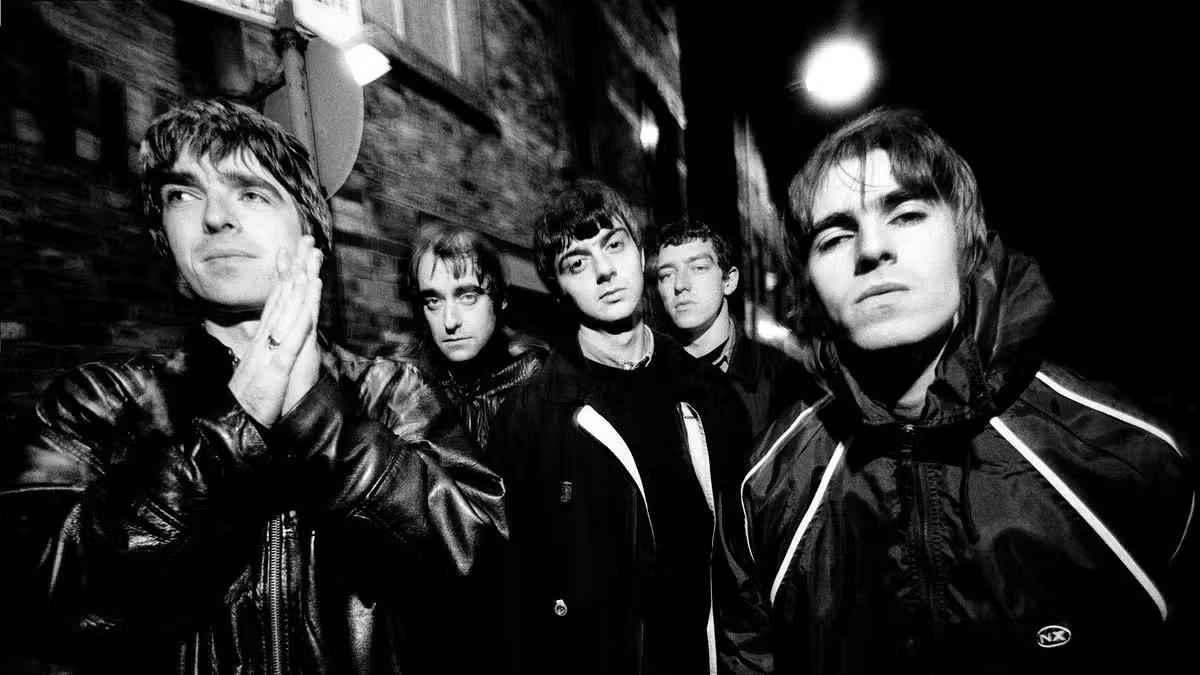
Suede in 1993 – the year they won the Mercury Prize – Mat Osman, Bernard Butler, Brett Anderson and Simon Gilbert (Photo: Gie Knaeps/Getty)