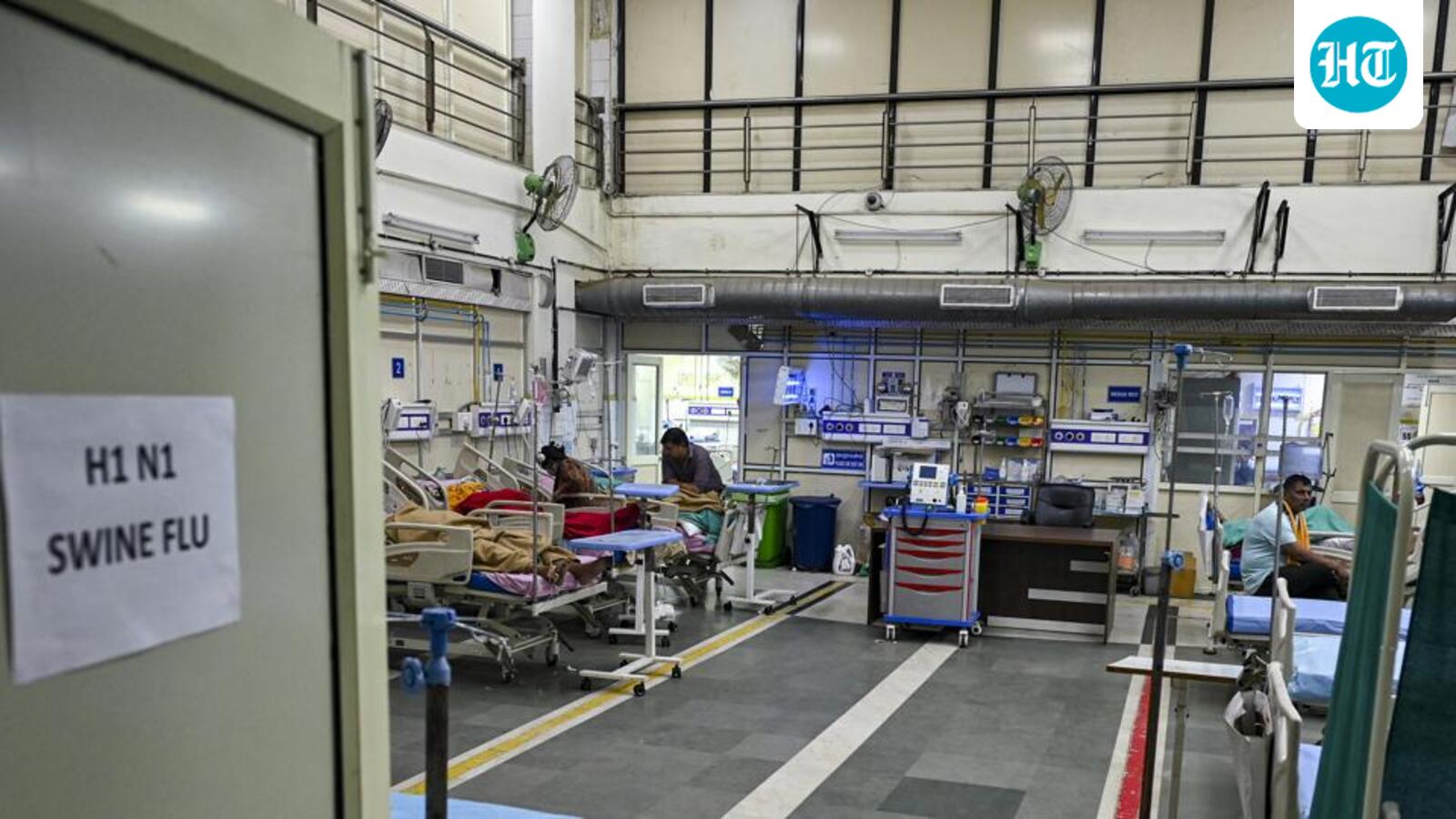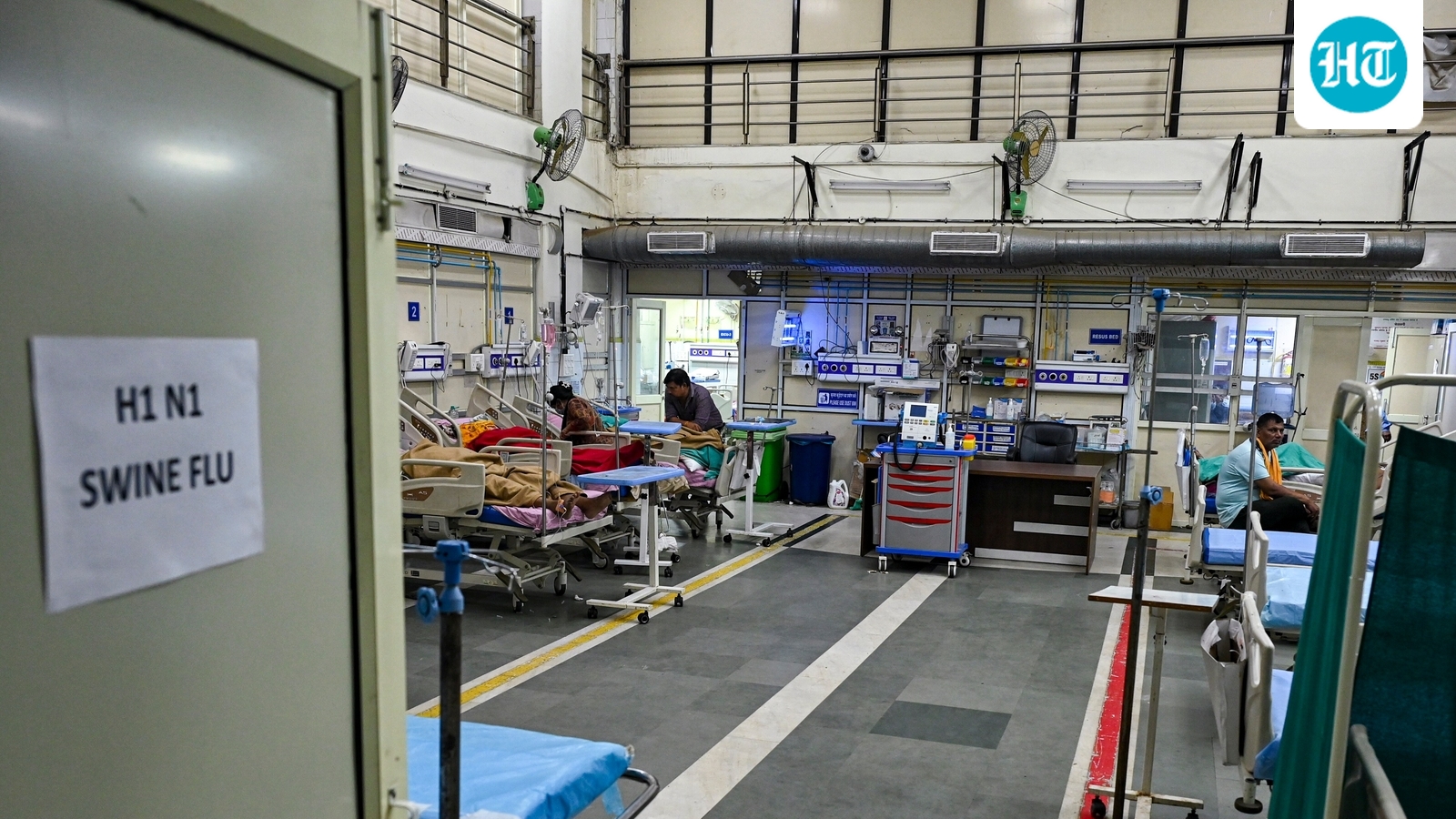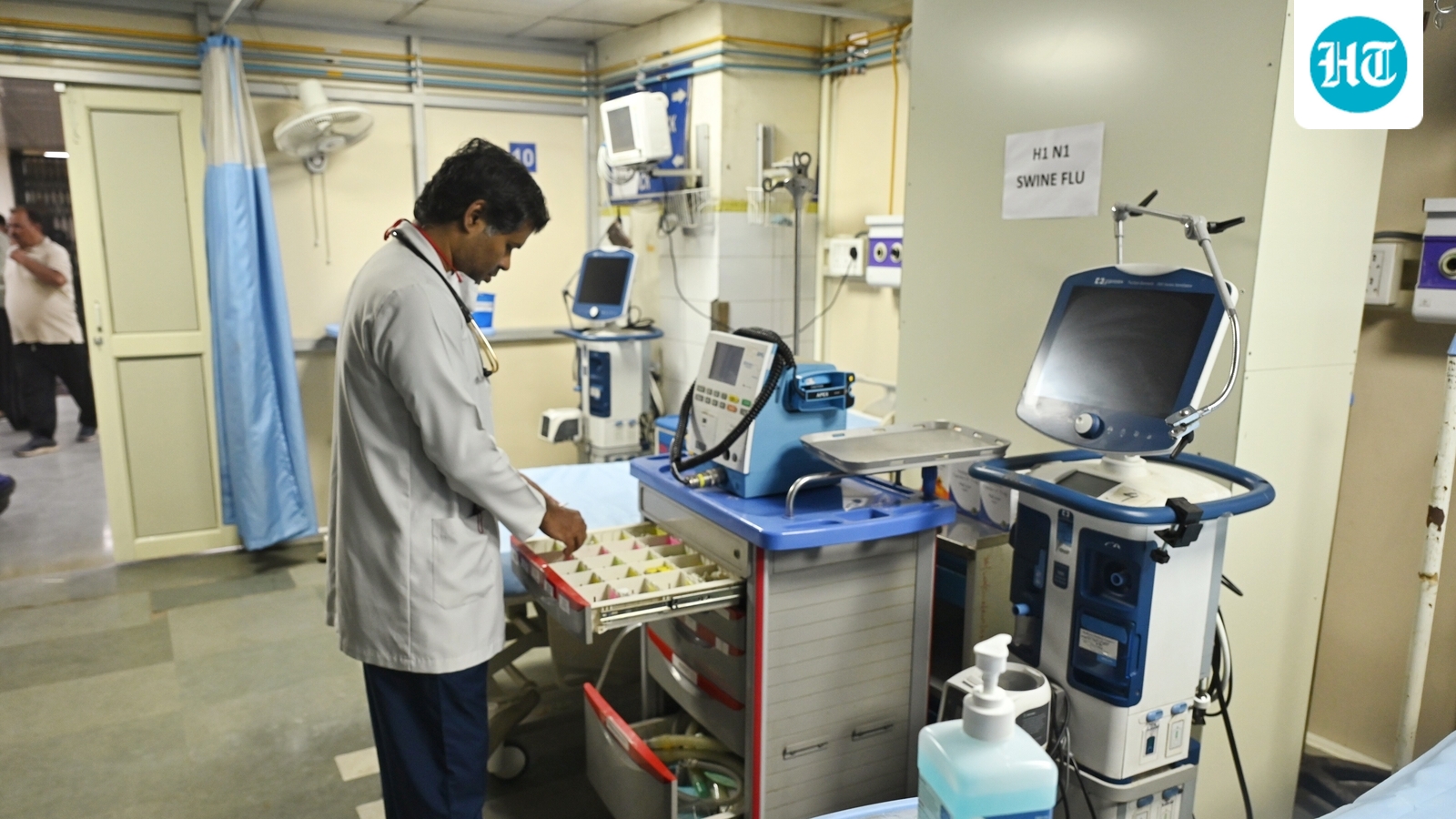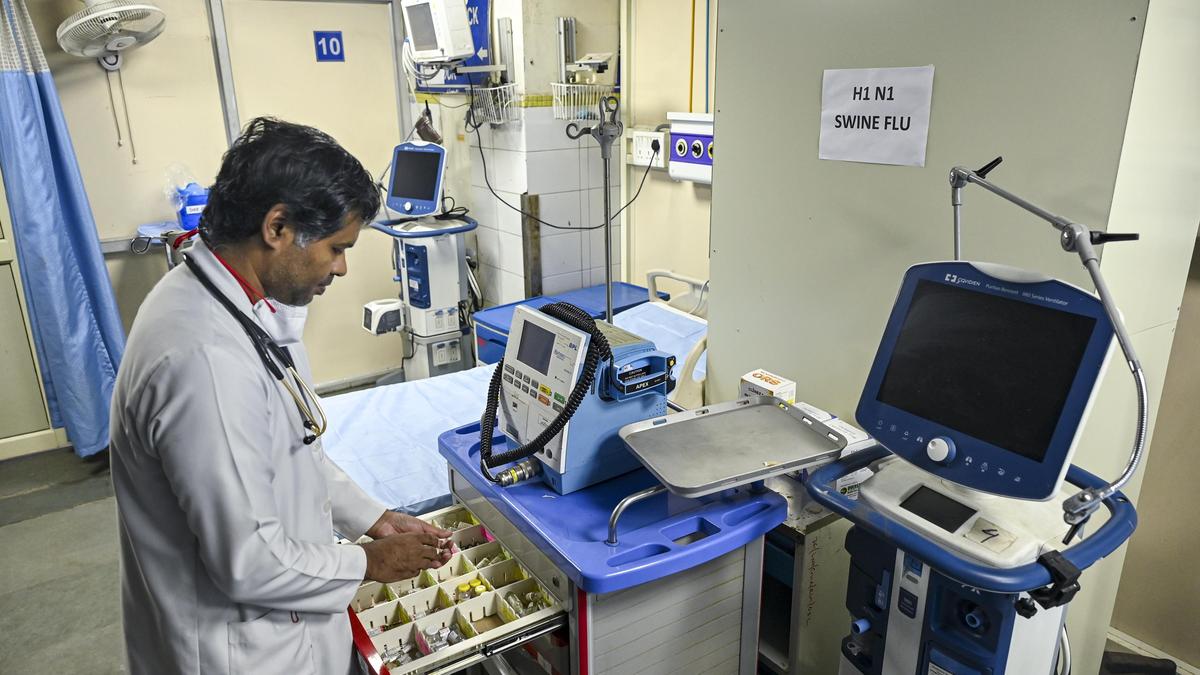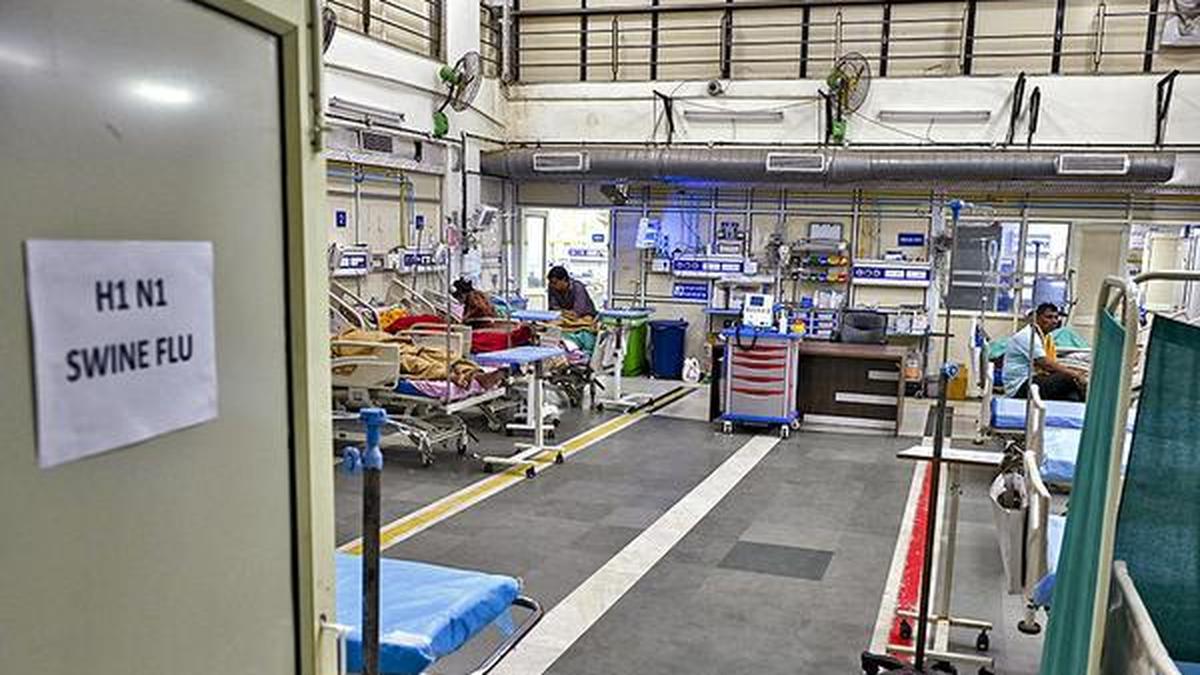
India is seeing a rise in seasonal influenza, with H1N1 accounting for much of the increase in influenza A infections.Stating that there is no cause for alarm ICMR director general Rajiv Bahl said on Tuesday (August 25, 2026) that the virus currently circulating is the familiar A(H1N1)pdm09 strain, which has become a seasonal influenza virus. Most infections are mild and self-limiting, he said, while severe disease remains more likely among vulnerable groups.The rise, however, is substantial in some States.Delhi has reported 1,777 H1N1 cases this year, while Karnataka had recorded 4,212 laboratory-confirmed influenza cases across 32 districts by August 22. Maharashtra, too, has reported a rise in H1N1 infections.The Union government is treating the increase as a seasonal influenza event requiring close surveillance.On August 21, Health Minister J.P. Nadda reviewed the national situation, with particular attention to Delhi. The review covered influenza-like illness and severe acute respiratory infection trends, laboratory surveillance, hospital beds, critical-care capacity, oxygen-supported beds, ventilators, medicines and diagnostics.The Minister called for “continued vigilance, robust surveillance and proactive preparedness”.Why H1N1 keeps returning?The H1N1 virus responsible for the 2009 pandemic did not disappear after the pandemic. It became established in humans and evolved into one of the viruses that cause seasonal influenza.All viruses continually undergo small genetic changes, known as antigenic drift, influenza is no different. Consequently, the viruses circulating from one season to another are related but not identical. This is why influenza vaccines have to be reviewed and updated regularly.India also does not have a single, sharply defined flu season. Influenza activity commonly shows two broad peaks — one around January-March and another during the monsoon months. Karnataka, for instance, describes January-March and July-September as its two usual periods of increased influenza activity.The current August rise therefore falls within an established seasonal pattern.For a healthy adult, influenza will often mean several days of fever, cough, sore throat, body ache and fatigue, followed by recovery. But the same infection can become dangerous in people at higher risk.These include older adults, young children, pregnant women and people with chronic lung, heart, kidney or metabolic diseases, as well as those who are immunocompromised.Influenza can lead to viral pneumonia, secondary bacterial pneumonia and respiratory failure, or aggravate an existing illness. Persistent or worsening fever, difficulty breathing, chest pain, confusion, severe weakness or dehydration warrant medical attention.Dr. Bahl has said that people who are ill should stay home, avoid spreading infection and rest, while those at higher risk should seek medical advice promptly.Testing is only one part of the response and India’s response rests on a wider surveillance system rather than testing every person with a cough and fever.The National Centre for Disease Control monitors influenza-like illness and severe acute respiratory infections, while laboratories identify influenza A and B and, where required, determine whether influenza A is H1N1 or H3N2.ICMR’s laboratory network, including the National Institute of Virology, Pune, provides specialised surveillance and characterisation of circulating viruses. The NCDC also maintains a network of laboratories for influenza testing. The purpose is not simply to count cases but to detect changes in the virus and unusual clusters early.The government’s emphasis on ILI, SARI and laboratory surveillance is therefore important. A rise in positive H1N1 tests matters, but a disproportionate rise in severe disease, ICU admissions or deaths would be a more significant warning signal.Meanwhile, India’s H1N1 numbers show how dramatically influenza can fluctuate.NCDC data record 778 cases and 12 deaths in 2021, rising to 13,202 cases and 410 deaths in 2022. There were 8,125 cases and 129 deaths in 2023, followed by 20,414 cases and 347 deaths in 2024. The available 2025 data recorded 3,320 cases and 14 deaths through September.The numbers underline another point that influenza burden is uneven across States.In 2024, Karnataka, Kerala, Delhi, Maharashtra, Tamil Nadu and Gujarat were among the States reporting the largest numbers.This year’s pattern is similarly concentrated, with Delhi and Karnataka accounting for much of the reported activity. But Karnataka’s health authorities have pointed out that its current numbers are not unprecedented compared with the corresponding period last year.The vaccine questionThe absence of a new strain does not make vaccination irrelevant.WHO’s recommended Northern Hemisphere vaccine composition for 2026-27 includes an H1N1 component based on A/Missouri/11/2025-like virus, alongside H3N2 and influenza B components. ICMR has said the H1N1 viruses circulating in India are well matched to the currently recommended vaccine strains.Vaccination is particularly relevant for people at higher risk of complications, although it does not provide absolute protection against infection.The other measures are less sophisticated but equally important: staying home when sick, hand hygiene, covering coughs and sneezes, avoiding close contact with vulnerable people while infected and seeking care when symptoms become severe.For now, the evidence points to a substantial seasonal influenza wave, not the arrival of a new H1N1 virus.
H1N1 in India: A seasonal surge, not a new strain, says ICMR
India's H1N1 cases rise seasonally; ICMR assures it's not a new strain, urging vigilance and vaccination for vulnerable populations.
794 words~4 min read