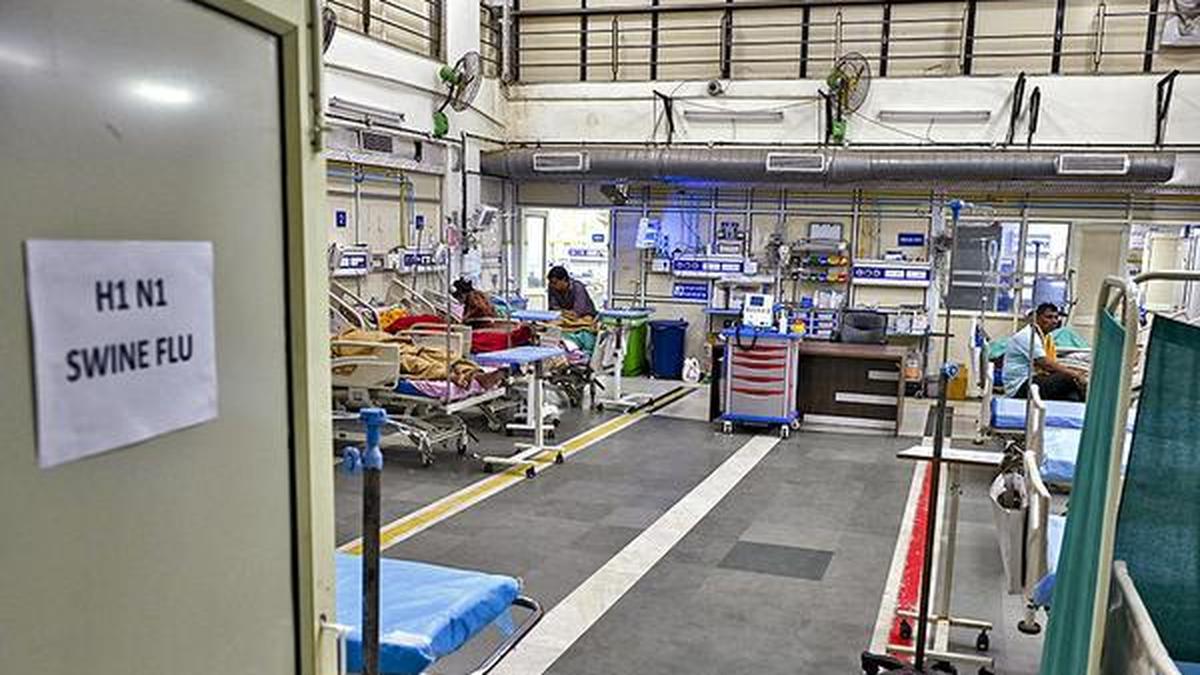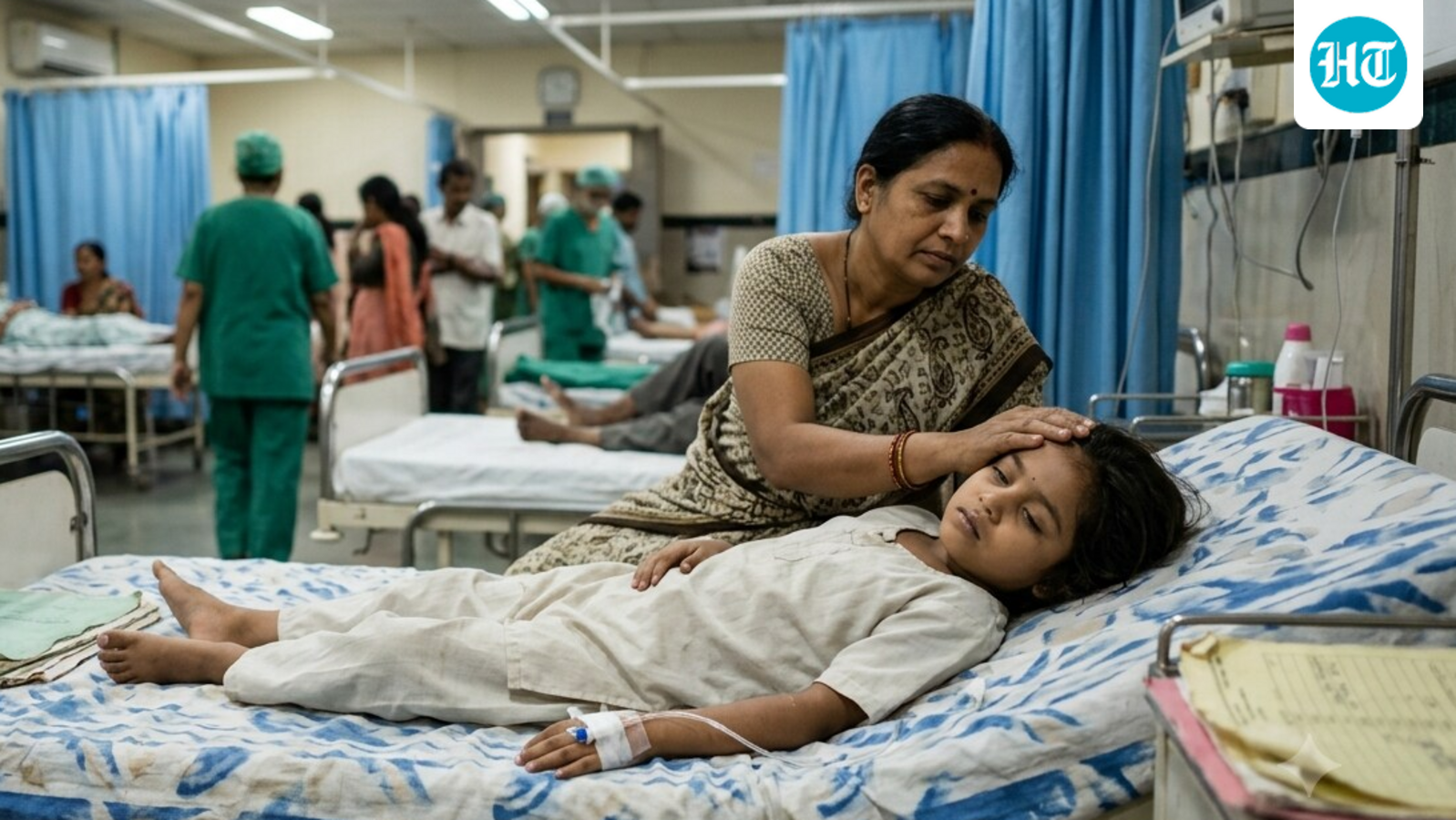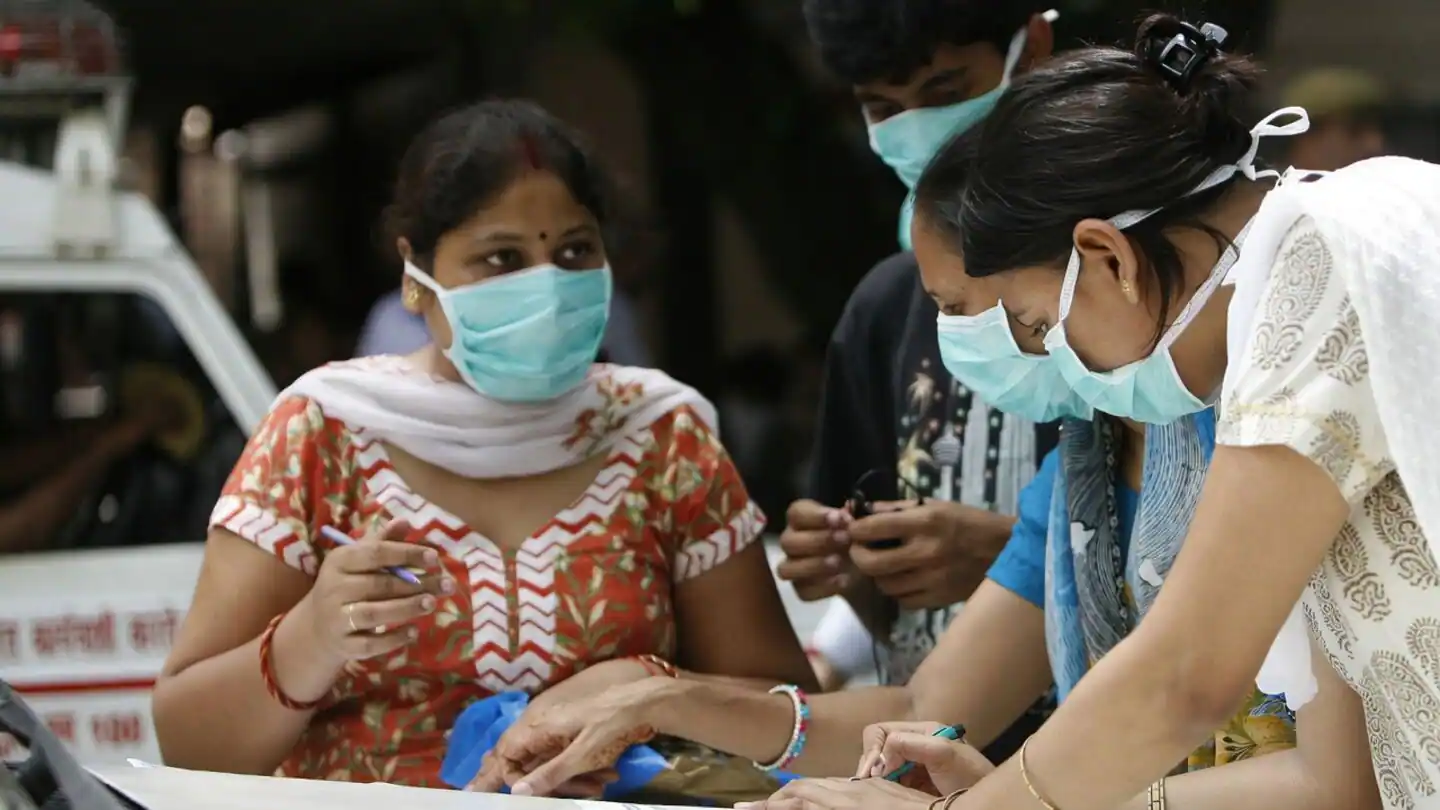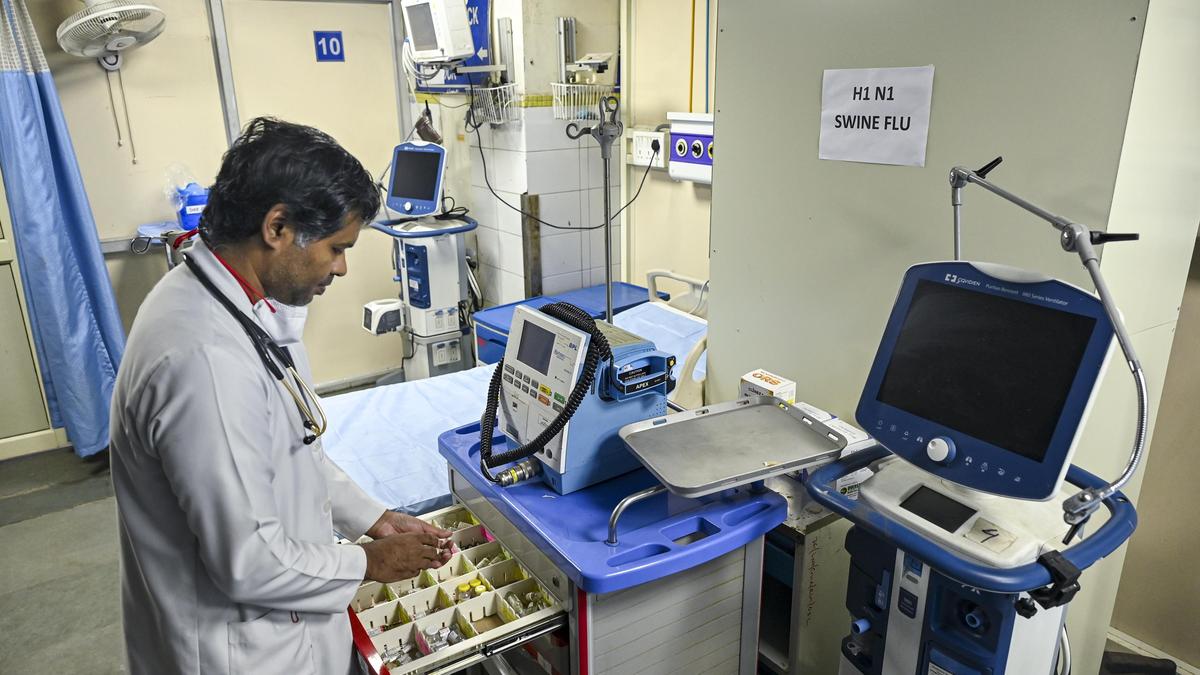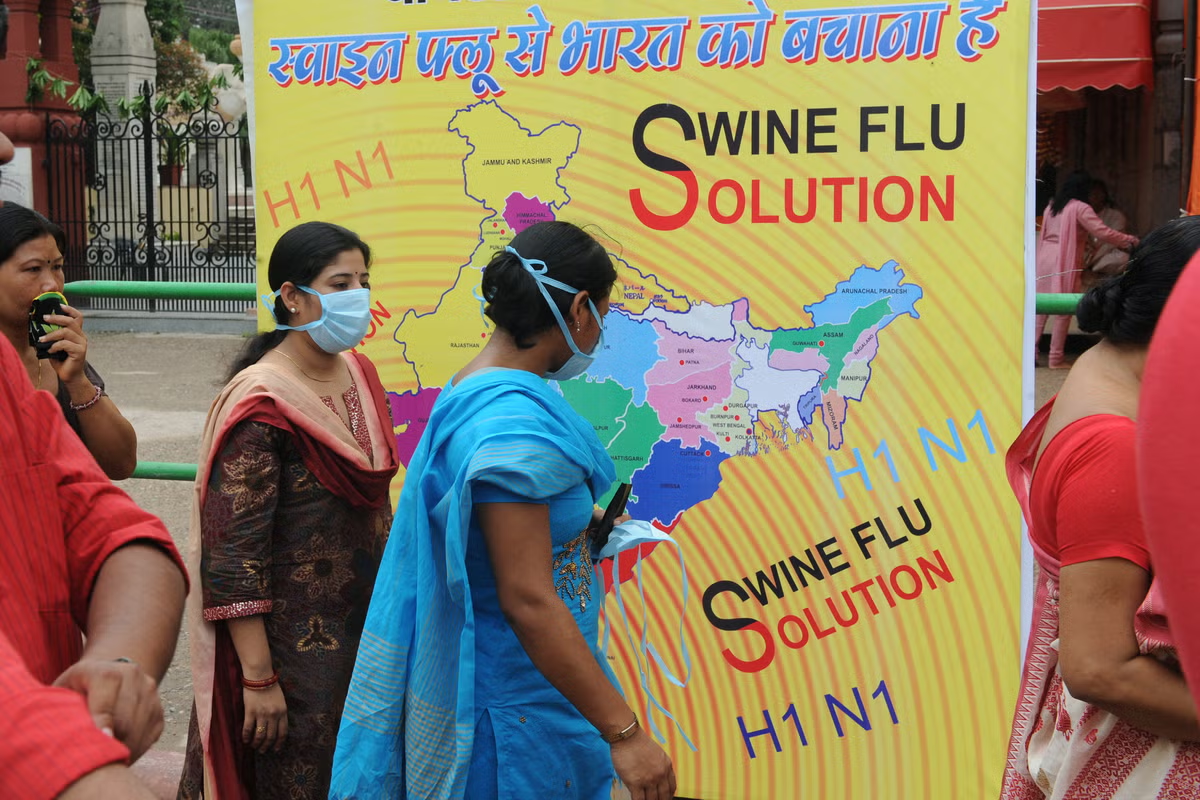
New Delhi: With H1N1 cases recording a more than sixfold increase compared with previous years and the usual monsoon fevers including dengue, typhoid, malaria and chikungunya already at seasonal highs, this rainy season is one to watch out for, though there is no cause for panic, said health experts.The surge has not gone unnoticed in corporate India. Several companies have started issuing safety guidelines to employees, urging them to stay alert and avoid crowded places.An executive at a large quick commerce platform said: "While we have flexible work timings, we have told employees to avoid crowded places. At the same time, we have advised them not to panic, as we don't want to disrupt business."Another executive at a consulting firm said: "We have sent an advisory to our workforce to stock up on immunity-building foods and wear masks. With healthcare facilities at hospitals in short supply, we have urged our employees to adopt preventive care measures at home as far as possible."The Union Ministry of Health and Family Welfare said it is closely monitoring the situation in coordination with the Department of Health Research, Indian Council of Medical Research and the National Centre for Disease Control through a pan-India surveillance network of 73 virus research and diagnostic laboratories."There is no cause for panic or alarm," said Rajiv Bahl, secretary at the Department of Health Research and ICMR director-general, adding that the influenza viruses currently circulating are consistent with the seasonal pattern observed in recent years.The circulating H1N1 strain has been identified as A/Missouri/11/2025 pdm09-like virus - a lineage that has been in circulation in India since 2025. The genetic changes observed are consistent with normal antigenic drift and do not indicate the emergence of a new or dangerous strain, he said.Bahl emphasised that seasonal influenza, including H1N1, is predominantly mild and self-limiting in healthy individuals, with most people recovering with rest and adequate hydration.However, he flagged that elderly people, young children, individuals with underlying medical conditions and those with compromised immunity face a higher risk of complications and should seek timely medical advice if they develop influenza-like symptoms.
Corporates urge employees to stay alert as H1N1 cases surge
H1N1 cases have increased significantly, and monsoon fevers are at seasonal highs. Companies are issuing safety guidelines and advising employees to avoid crowded places. The Union Ministry of Health is closely monitoring the situation across India. Health experts state there is no cause for panic or alarm. Seasonal influenza is generally mild for healthy individuals, but at-risk groups need timely medical advice.
348 words~2 min read