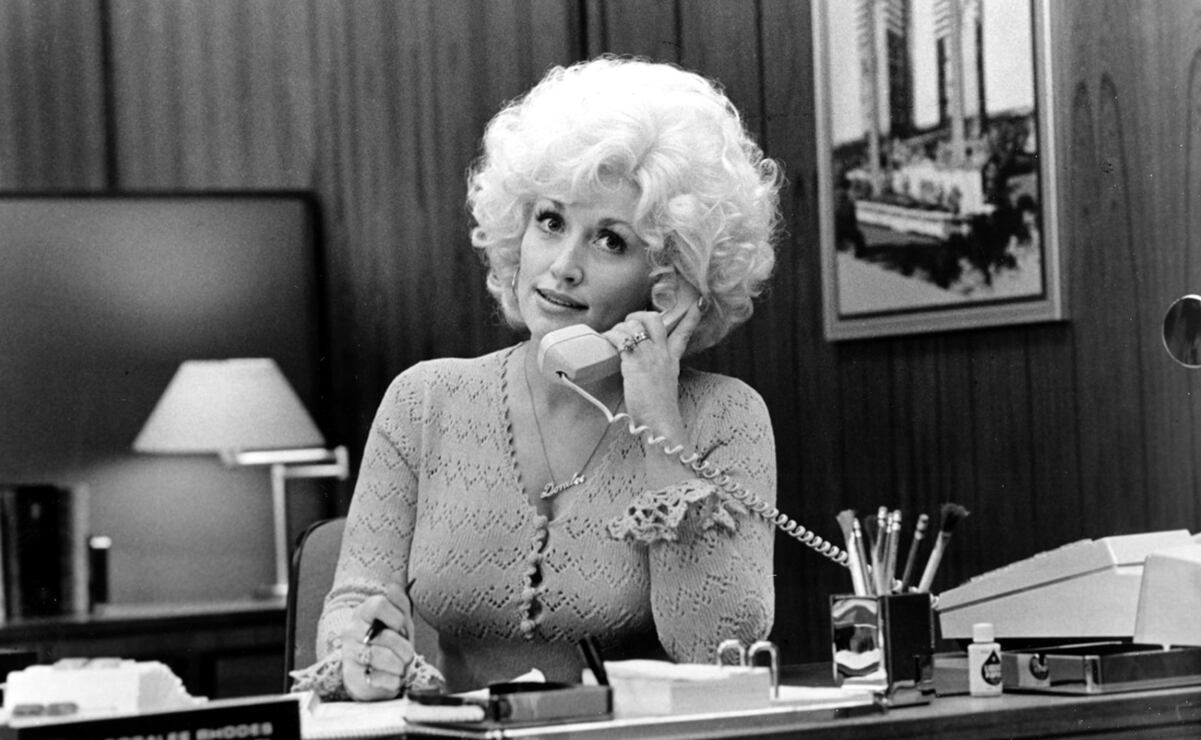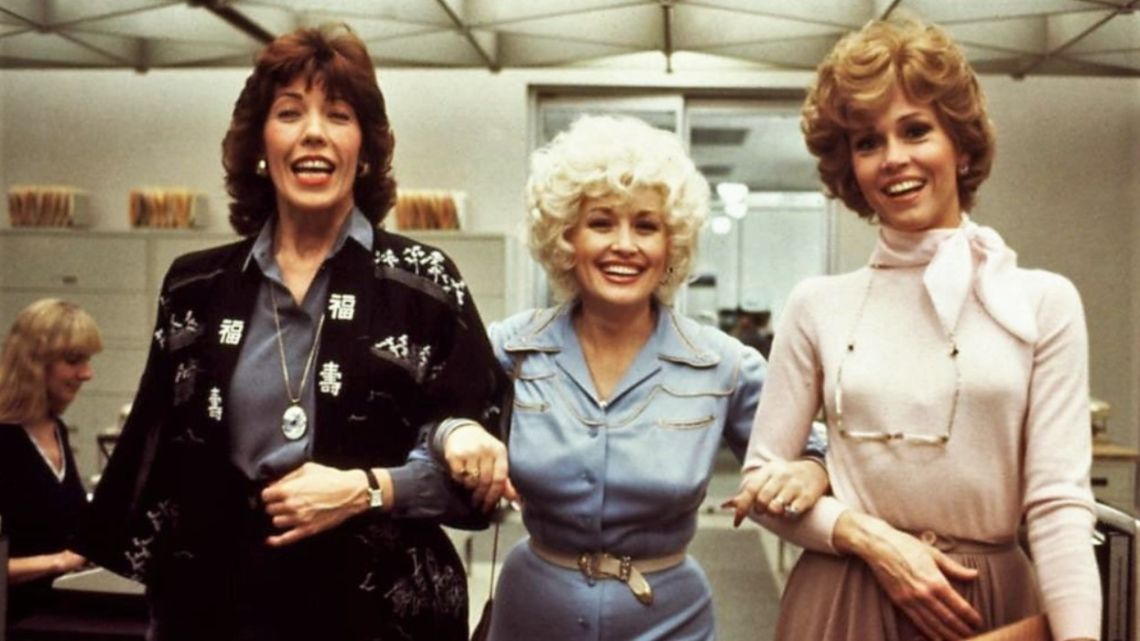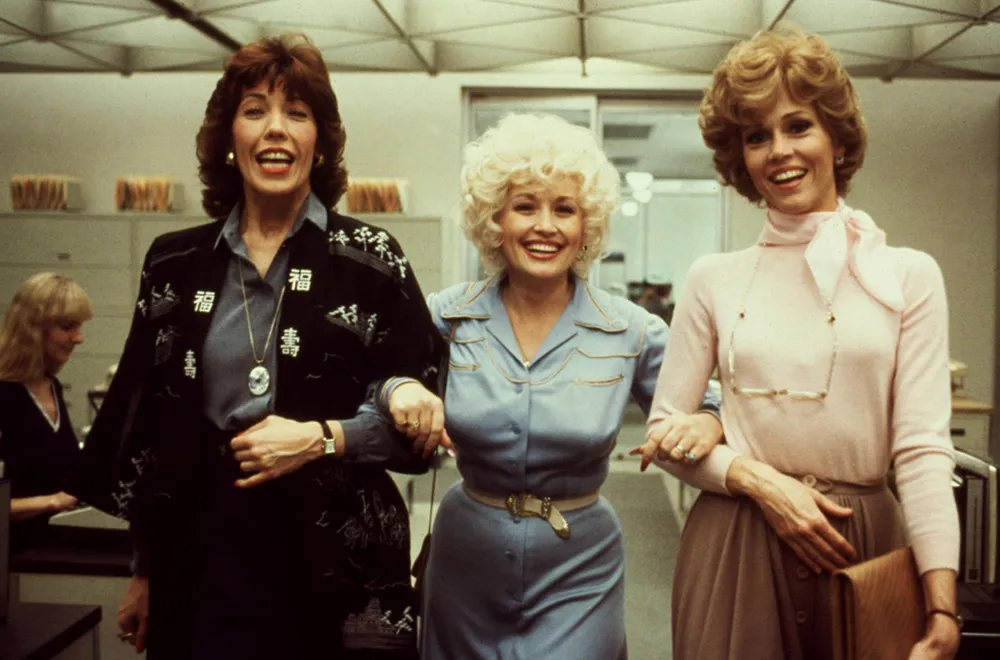
When Jane Fonda was developing the rollicking 1980 workplace farce 9 to 5, inspired by a real-life women’s rights organization of that name, at some point the project shape-shifted from the serious drama that was originally planned to a comedy, enlisting the brilliant Colin Higgins to direct and work on the screenplay with Patricia Resnick.
Having cast Lily Tomlin as her acerbic ally in the secretarial pool, Fonda and producer Bruce Gilbert wanted to broaden the film’s appeal, landing on the idea of a third lead who might push beyond urban liberals to reach mainstream, conservative and Southern audiences. From that commercially-driven demographic strategy, Dolly Parton the Movie Star was born.
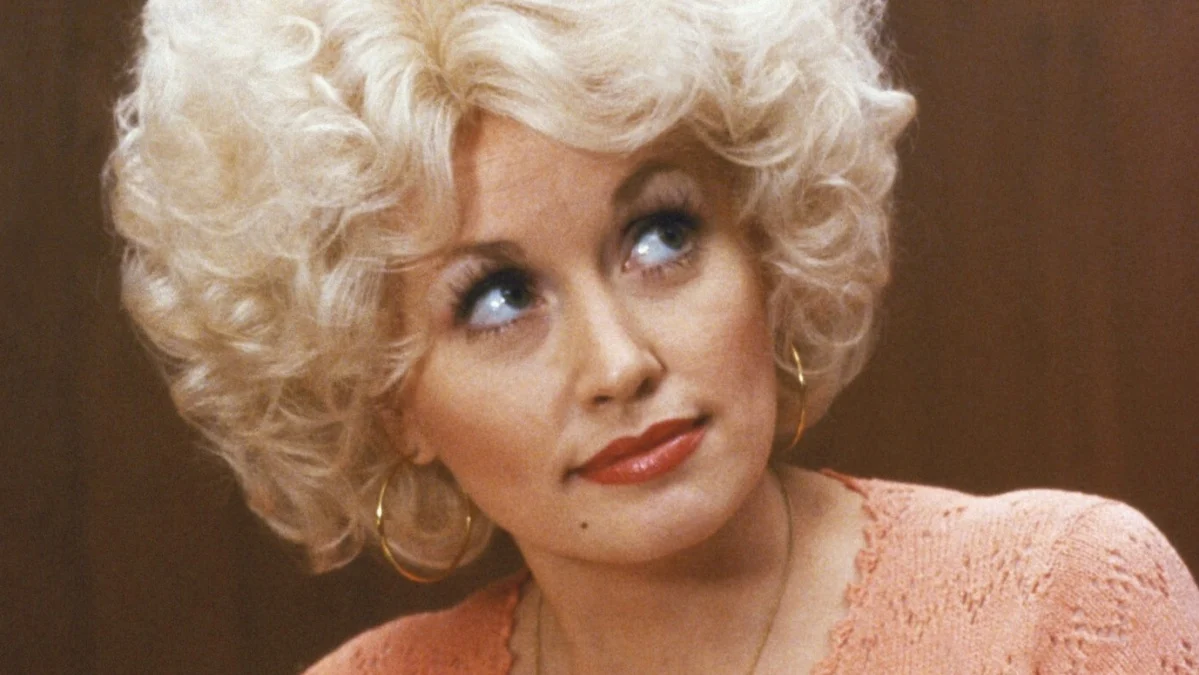
As Doralee Rhodes, the happily married secretary of Dabney Coleman’s lecherous corporate vice president, kept busy dodging his unwelcome advances, Parton was a natural. Her luminosity, effervescence, folksy delivery and innate comic timing infused the film with livewire energy, whether she was fantasizing about hog-tieing and spit-roasting the boss or bringing that fantasy to life, like a seasoned rodeo queen.
The movie became a massive hit, grossing more than $103 million at a time when a women-centric, empowerment-minded blockbuster was almost unimaginable. Every one of the predominantly female ensemble comedies that became pop cultural fixtures in later decades — The First Wives Club, Sister Act, The Devil Wears Prada, Bridesmaids — owes 9 to 5 a debt.