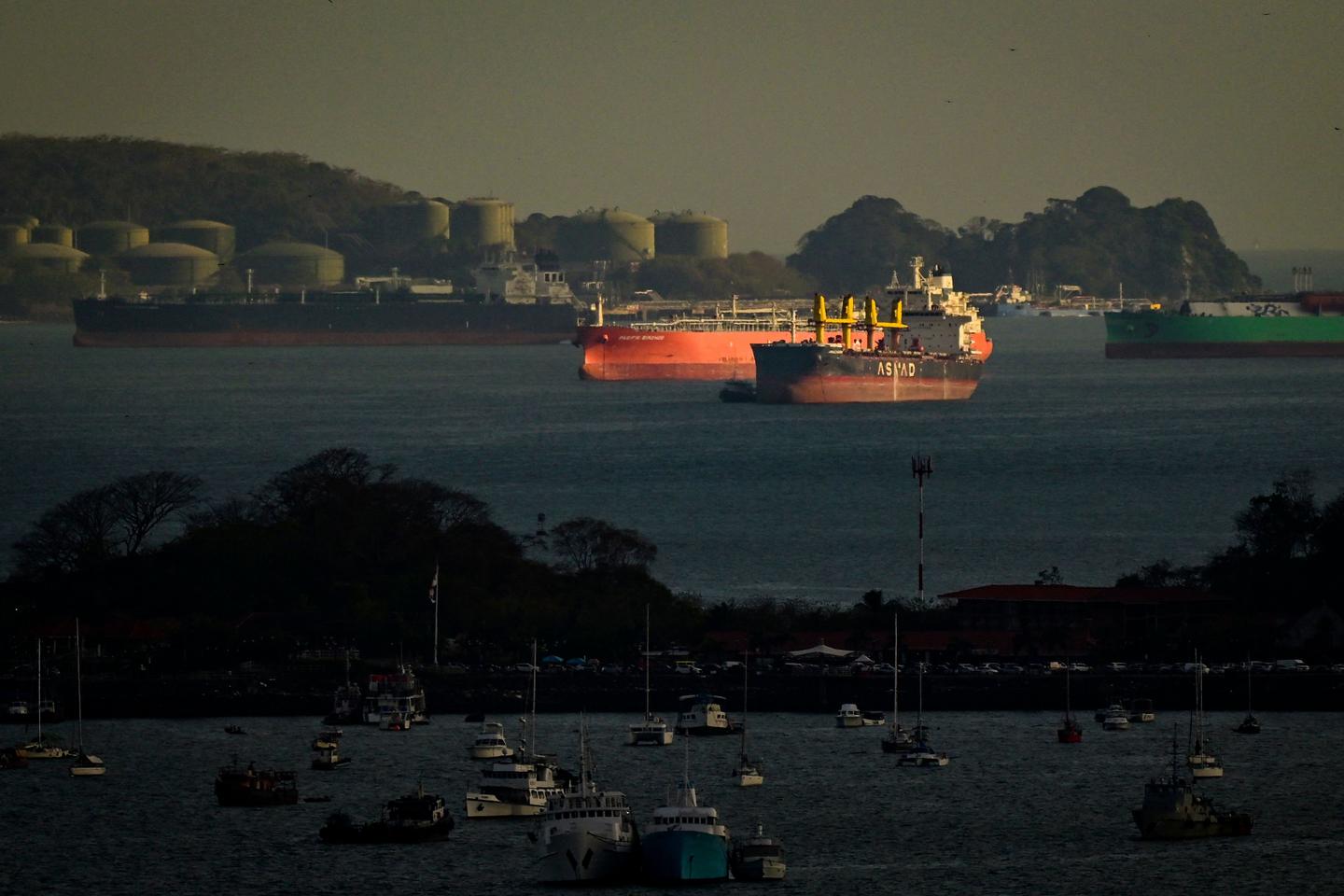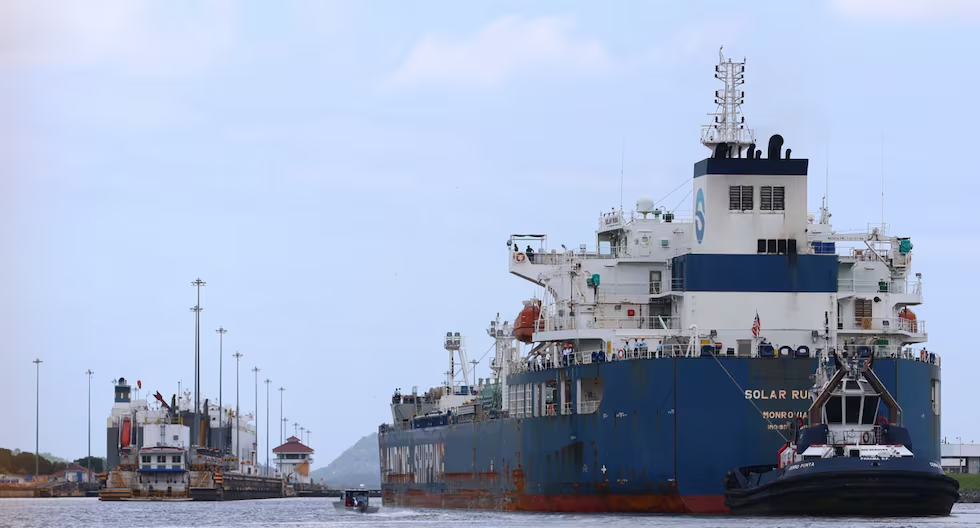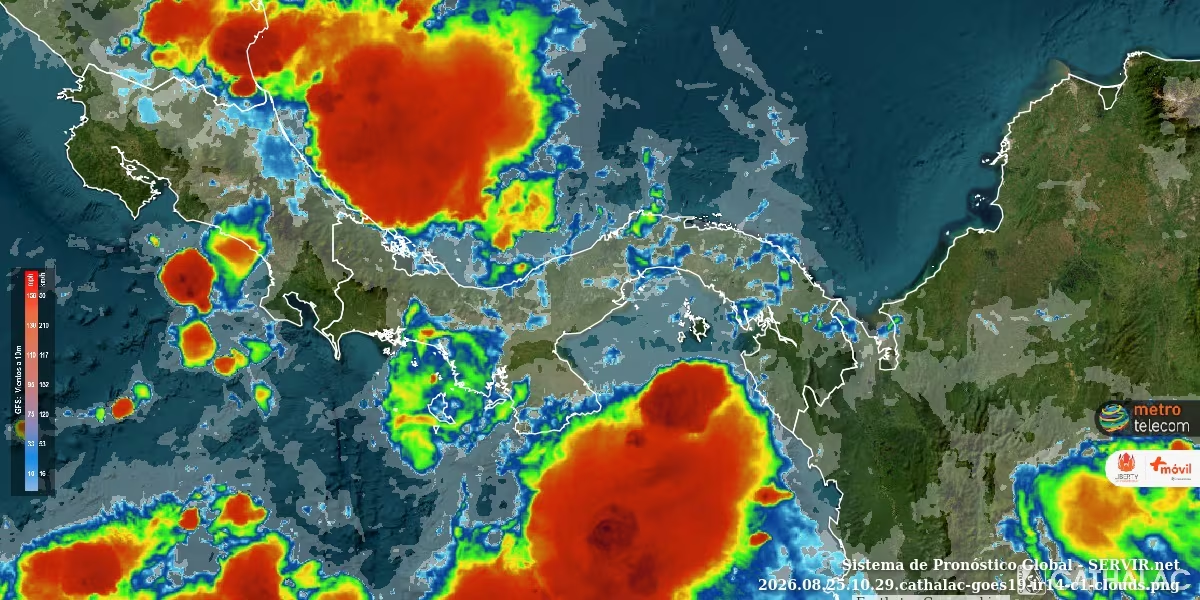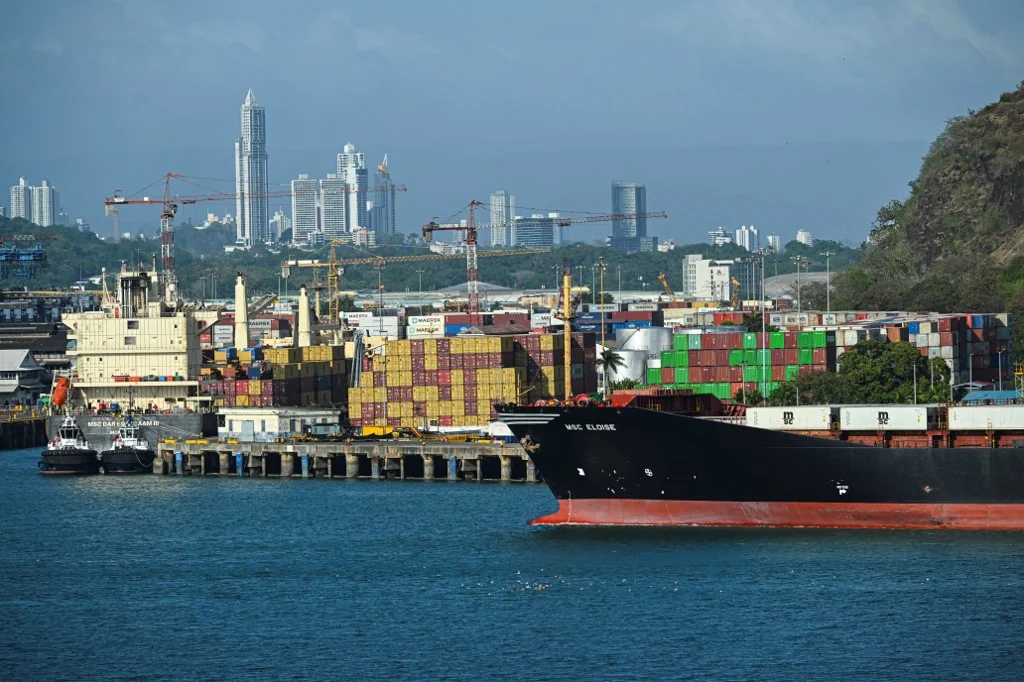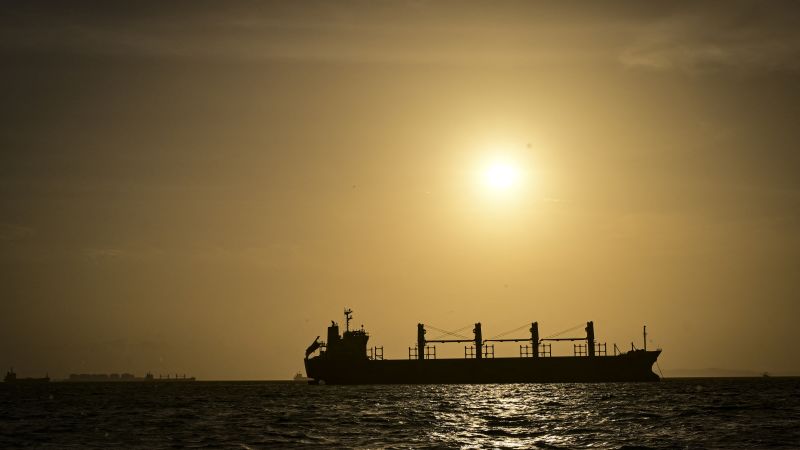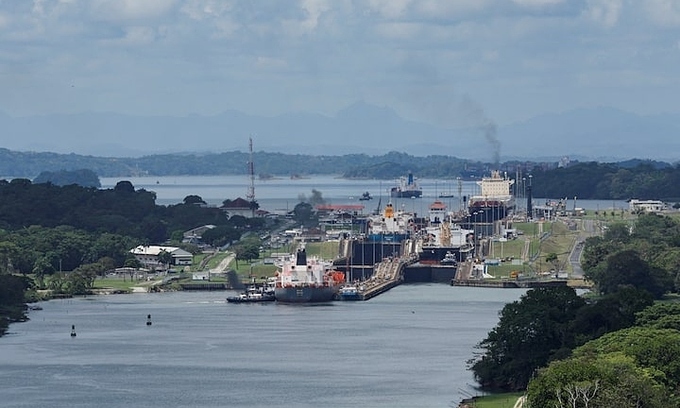
The sun rises over the city skyline in Panama City on August 11, 2026. Panama declared an emergency over the El Nino climate phenomenon on August 25, 2026, after Honduras and El Salvador, which has already forced a reduction in shipping through the Panama Canal. File
| Photo Credit: AFP
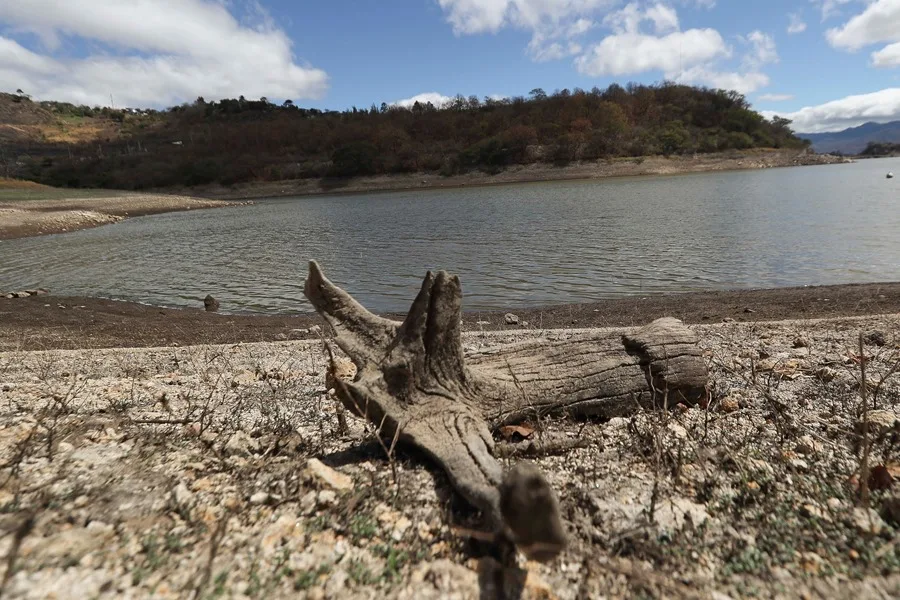
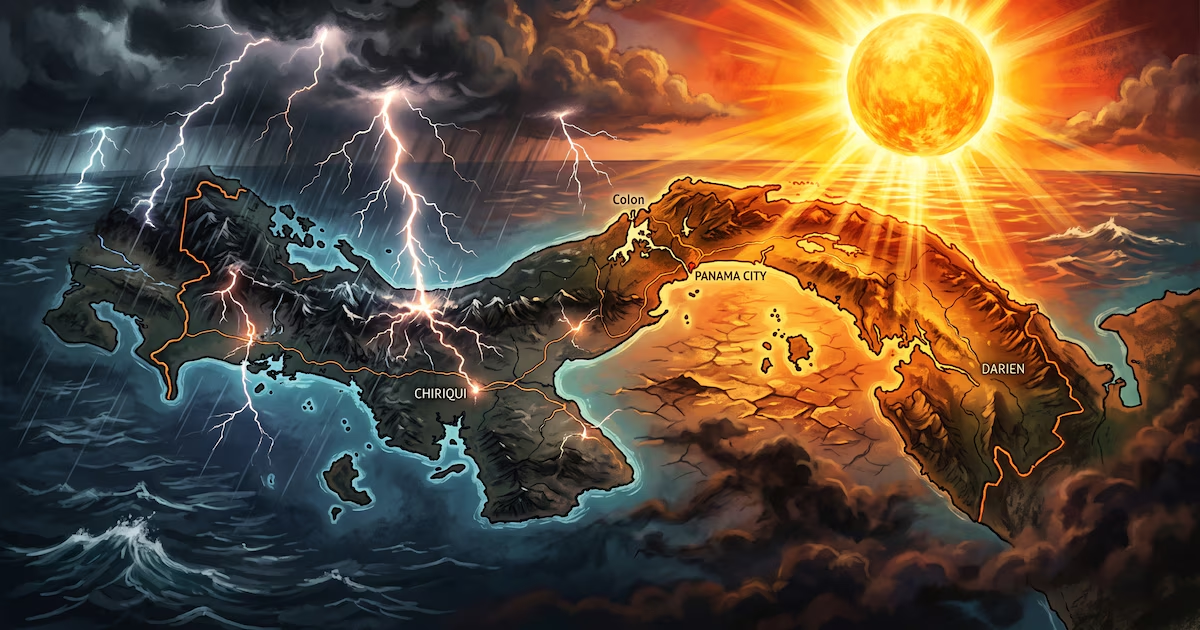
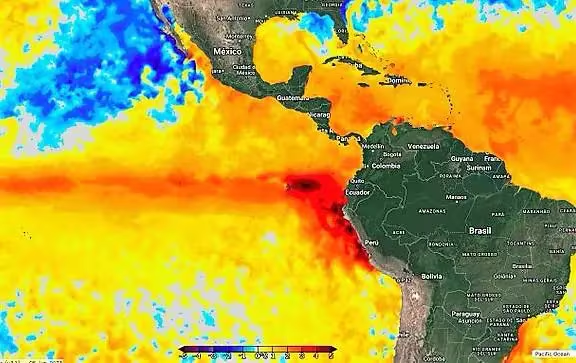
Panama on Tuesday (August 25, 2026) became the latest Central American country, after Honduras and El Salvador, to declare an emergency over El Nino, which has already forced a reduction in shipping through the Panama Canal.Panama's Interior Minister Dinoska Montalvo said the declaration will allow authorities to "to be prepared for what may come with El Nino," which has fueled a severe drought that is ravaging harvests, sparking fears of famine.Meanwhile, El Salvador declared a state of maximum alert on Tuesday to activate monitoring, surveillance and aid efforts for affected communities."We are declaring a red alert for meteorological and farming drought across the national territory," the Civil Protection department wrote on X.Also Read | What a ‘super’ El Niño would mean for India’s monsoonEl Nino is a weather pattern that raises surface temperatures in the central and eastern equatorial Pacific Ocean, generating global changes in winds and rainfall as well as erratic weather conditions.It is also nudging up global temperatures in a year predicted to be the hottest on record.El Nino occurs on average every two to seven years, but this year's is shaping up as the most intense in recent years.Central America is in the throes of a severe drought that has already prompted Honduras to place 80 percent of its territory on alert and caused the Panama Canal to cut shipping traffic because of its dwindling water levels.In El Salvador, the lack of rain, which is usually abundant at this time of year, has wiped out crops.The agriculture ministry has announced food assistance for rural families that do not have irrigation systems.Several municipalities in El Salvador are located in the Central American Dry Corridor, an arid strip that also includes parts of Honduras and Nicaragua and is vulnerable to extreme weather events.All three countries broke their monthly temperature records in both June and July, exacerbating famine concerns.So far in August, 14 temperature records have been smashed in El Salvador.Further south, Peru last week declared a state of emergency in a third of its cities over El Nino and said intense heat and rain could also cause havoc for food production. Published - August 26, 2026 07:43 am IST