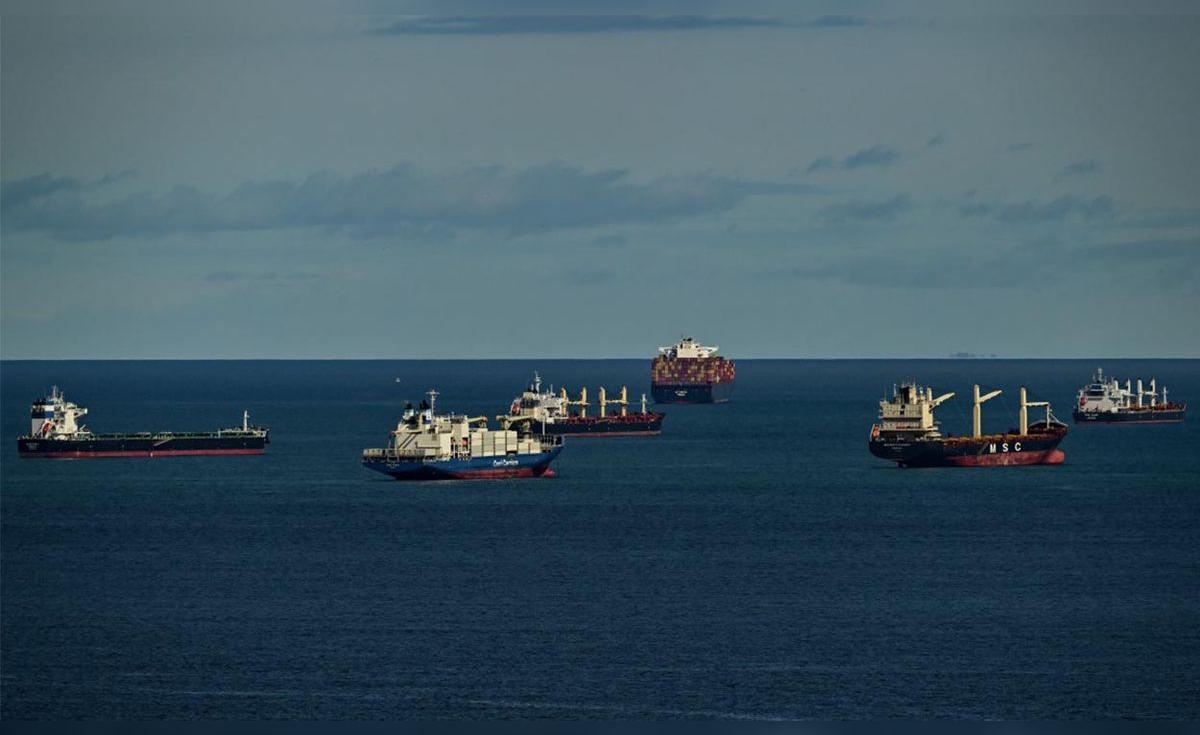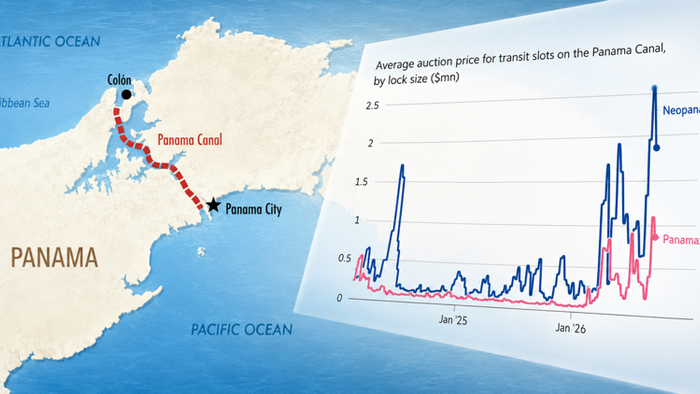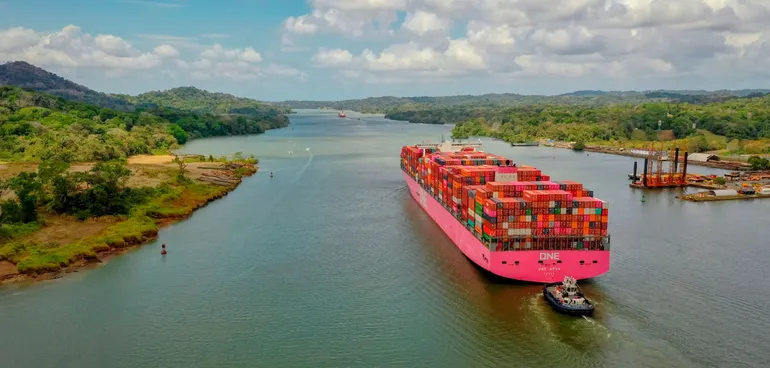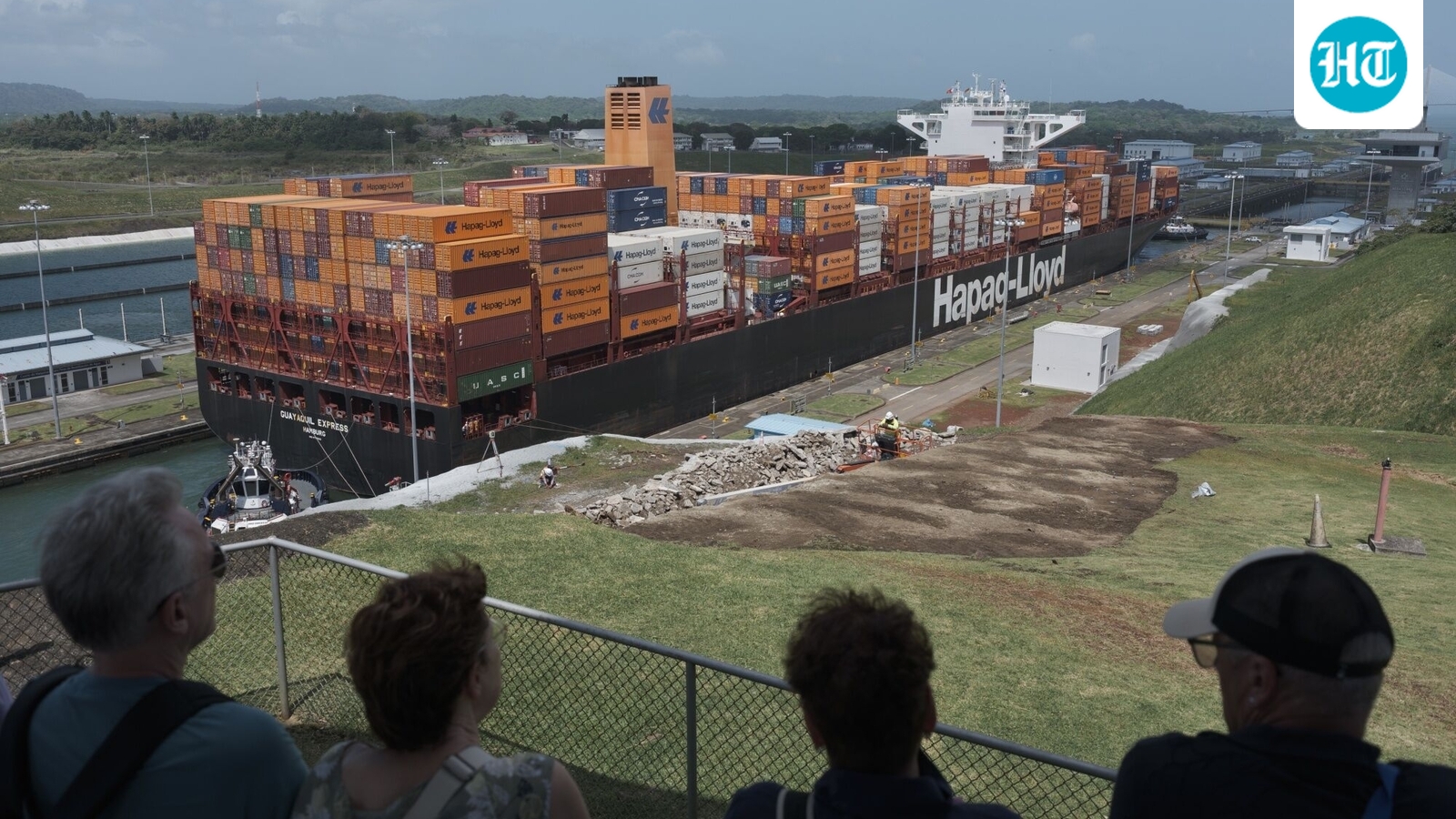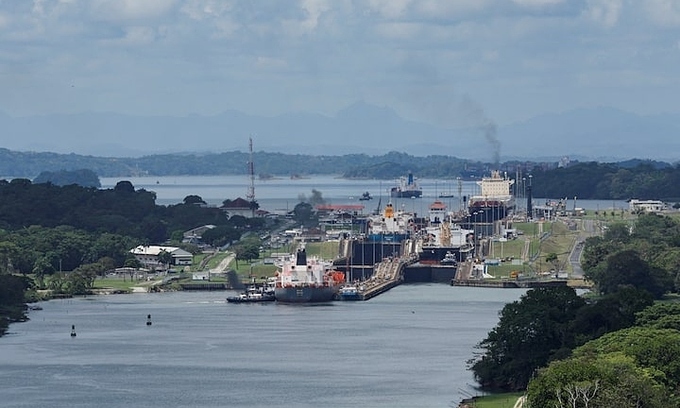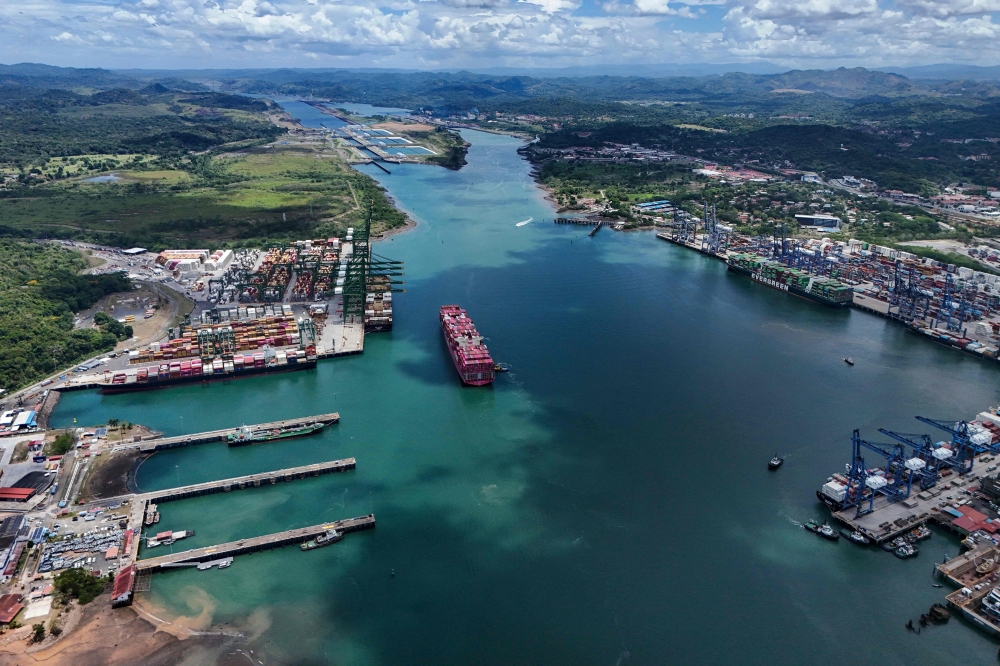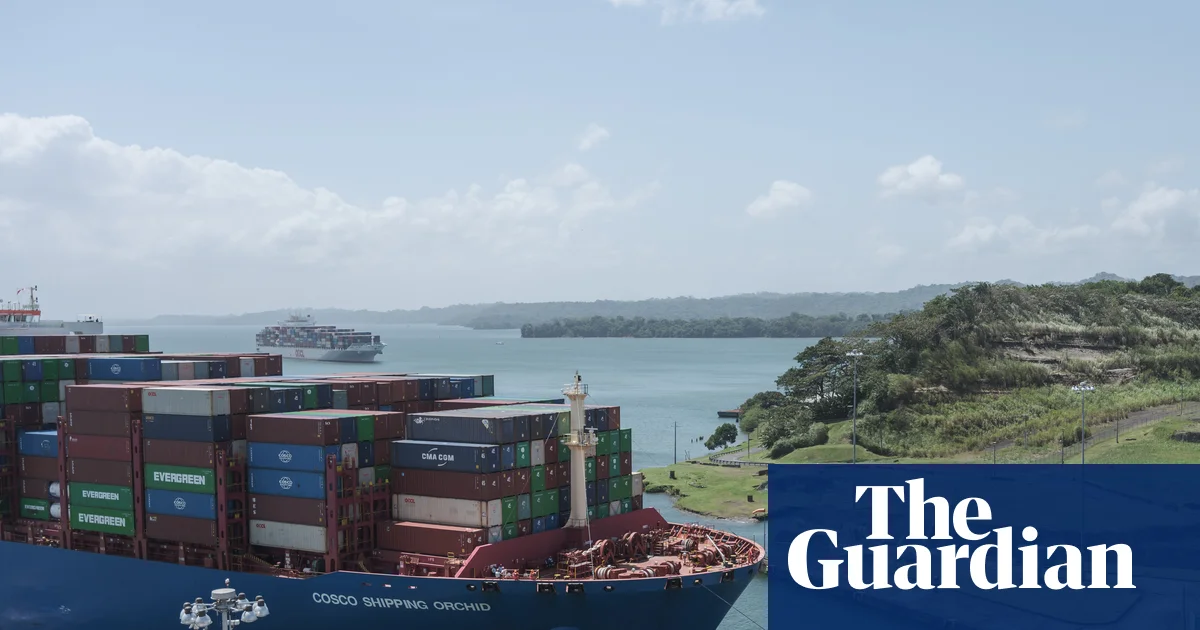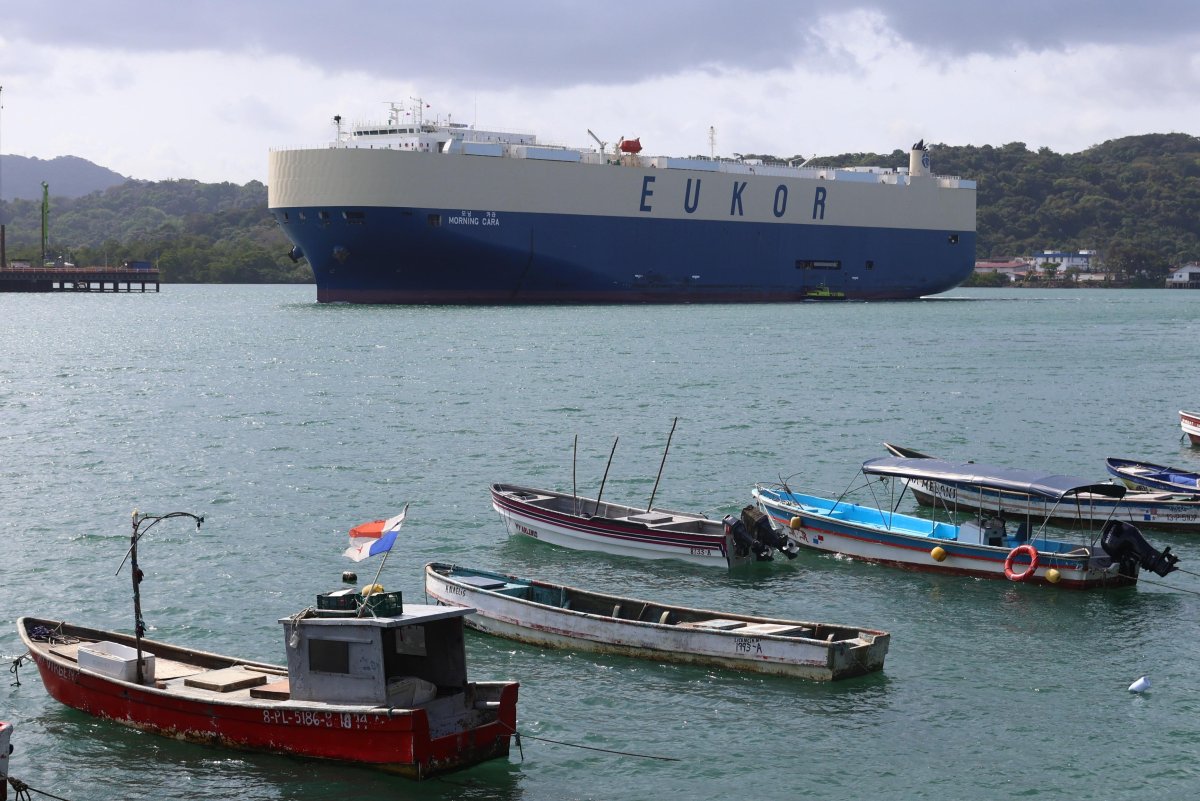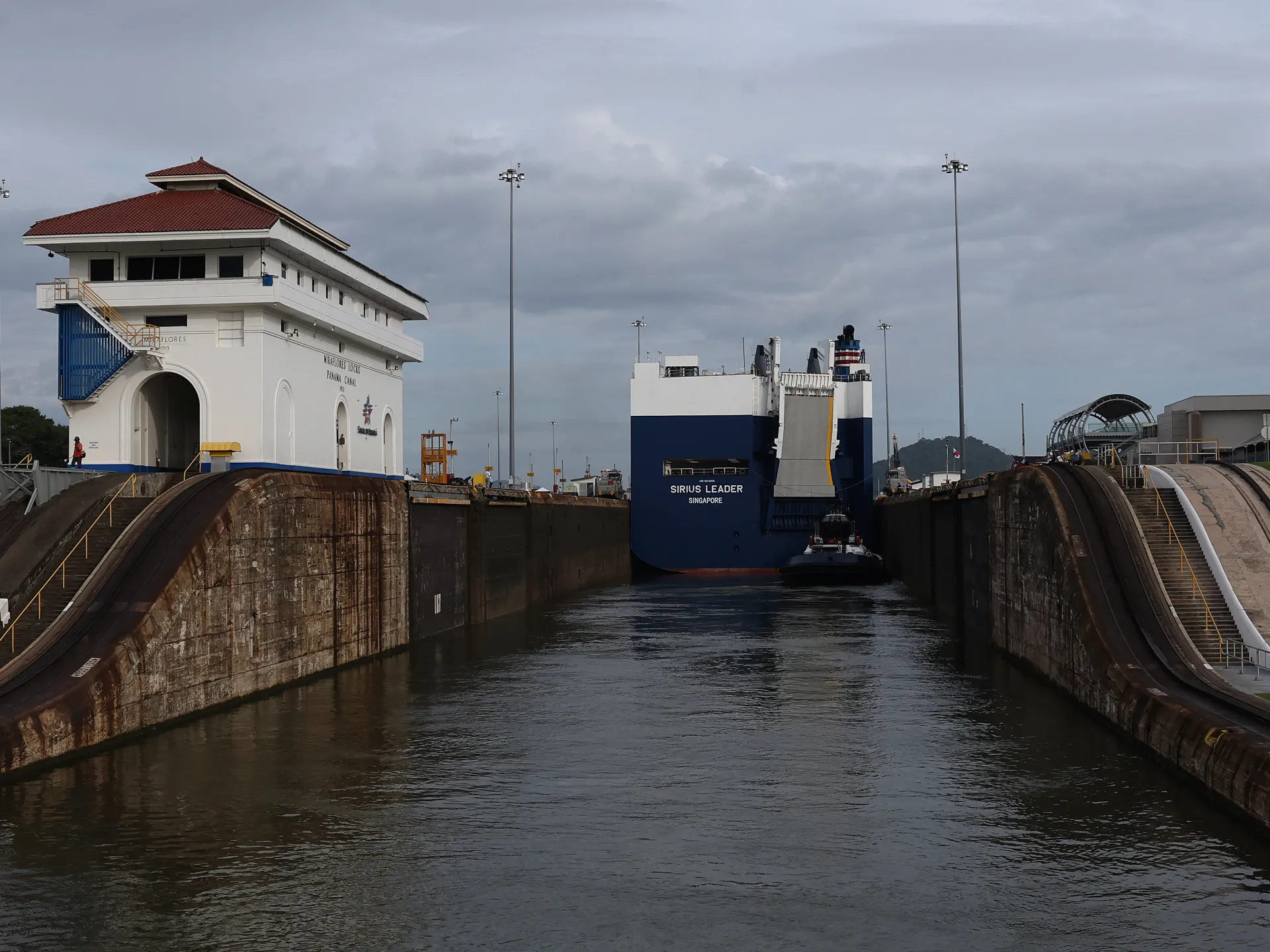
In early August, dozens of vessels were waiting for their turn in the Panama Canal. Some had been stuck for more than a week. One chemical tanker has been there over a month. Then on August 10, a large container ship paid a staggering $4 million to fast-track its trip — leaving others, either unwilling or unable to shell out that kind of sum, in maritime limbo.
Logistics company Flexport, which had 30 containers aboard that lucky ship, said the backlog at the Panama Canal’s Pacific end is the worst since May, when wait times increased because of conflict over the Strait of Hormuz.
But now this commercial stress is being amplified by an unusually strong climate event: El Niño. Consumers are expected to take the hit.
“The ripple effects are significant through supply chains and all the way to consumer prices at stores,” said Benjamin Gedan, senior fellow and director of the Latin American program at the nonpartisan think tank Stimson Center.
Global weather patterns are shifting as this El Niño — predicted to be a record-breaking one — makes the dry season in some places wetter, and wet season drier. One of those locations is the Panama Canal, a critical chokepoint that moves about 5% of the world’s shipping. The narrow, 50-mile artificial waterway cuts through the Central American country, connecting the Atlantic and Pacific oceans and saving time and fuel along the shorter transit route.