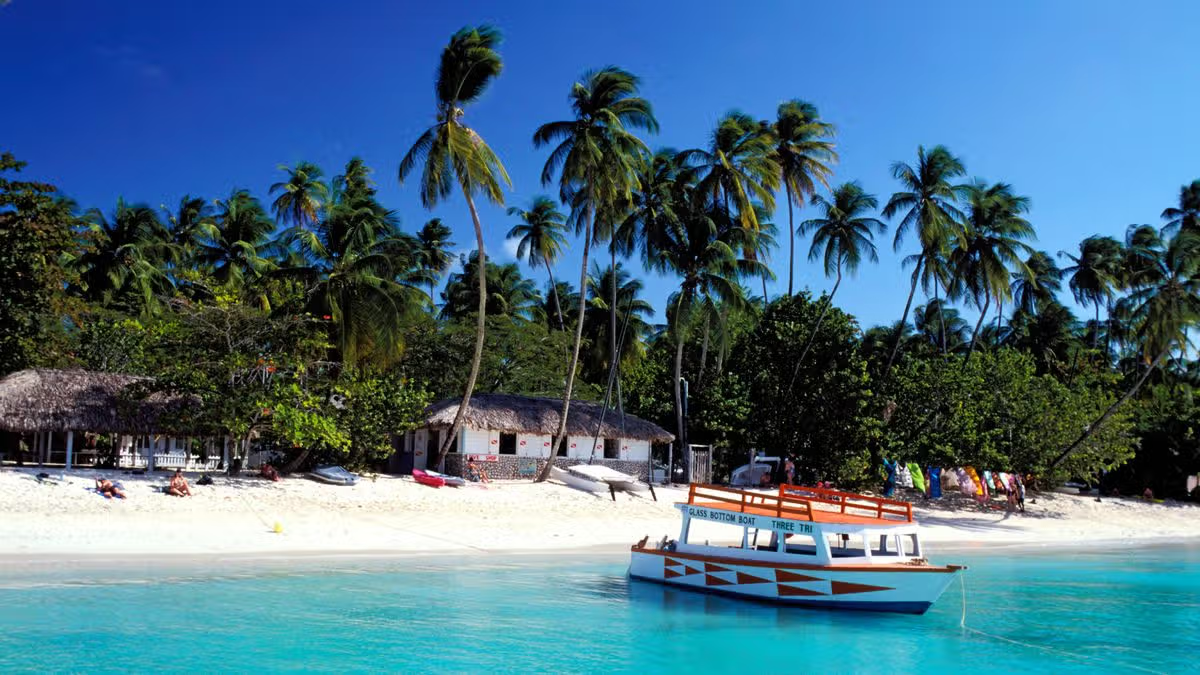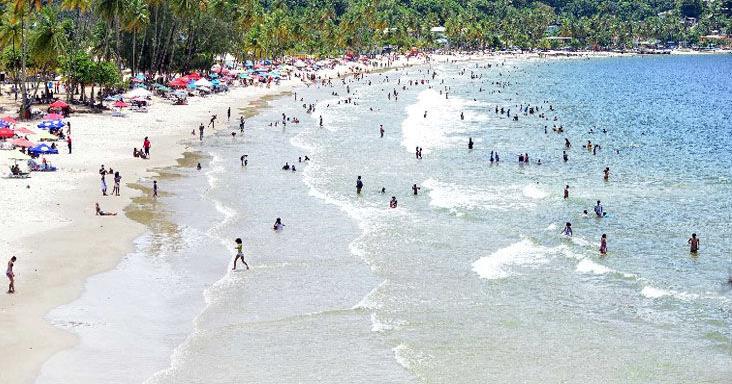
Tourism begins long before a visitor arrives at the airport.It may start with a photograph of a quiet Tobago beach, the sound of pan at a festival in Toronto, the taste of a familiar pepper sauce or a story shared by a Trinidad and Tobago national living abroad. From there, curiosity grows. The traveller begins comparing flights, looking at accommodation, reading reviews and asking whether the destination will offer good value, warm hospitality and an experience worth remembering.For Trinidad and Tobago, attracting more Canadian visitors is not simply a matter of promoting sunshine and sea. Many Caribbean destinations can offer both. Our advantage lies in the character of the country: its people, food, music, festivals, natural beauty and the contrast between two islands with very different personalities.Canadian travellers do not all want the same type of holiday. Some want rest and relaxation. Others want culture, food, adventure, nightlife or time in nature. Families may look for safe and convenient activities that everyone can enjoy. Older visitors may prefer comfort, personal attention and a well-planned schedule. Younger travellers may be drawn to festivals, hiking, entertainment and opportunities to experience local life.What many of them share, however, is a desire for a holiday that feels genuine.Visitors want more than a view from a hotel room. They want to taste the food, hear the stories and understand something about the place they have travelled to see. They also want reliable service, clear information and the confidence that their time and money are being well spent. Trinidad and Tobago is well placed to meet those expectations.A Canadian visitor can hear pan in the country where the instrument was created. They can enjoy doubles in the morning, roti at lunchtime and fresh seafood in the evening. They can experience Carnival, Divali, Hosay, Tobago Heritage Festival, parang and village celebrations that reflect the country’s many cultural traditions.They can visit the Caroni Swamp and watch scarlet ibis return at sunset, explore a forest trail, see nesting turtles in season or spend time along Tobago’s coastline. In one trip, a visitor can experience the energy of Trinidad and the slower, more peaceful rhythm of Tobago. That variety gives Trinidad and Tobago an important advantage.This range is reflected in the six segments that guide T&T’s tourism development: Eco Tourism, Entertainment and Culture, Sport Tourism, Business Tourism, Yachting, and Tertiary and Health Education Tourism. A Canadian visitor might come for Carnival or a pan festival, another for diving, hiking or birdwatching, another for a regional conference, a yachting event or a golf tournament, and another still to explore study or wellness opportunities. Few destinations of this size can offer that same breadth under one flag.The country is not offering only a beach holiday or only a cultural trip. It can offer both, and few destinations can provide such a wide range of activities within a relatively small area.The opportunity lies in making those experiences even easier for visitors to find and enjoy.Trinidad and Tobago’s tourism partners understand this well. A traveller who wants to sample local food can find reliable information on where to go, how to get there and what to expect. Someone interested in festivals can access a clear calendar of events. A visitor planning a nature tour can identify a trusted guide, understand the cost and arrange dependable transportation.Improving the visitor experience does not always require a major new development. In many cases, it comes down to continued communication, dependable service and close cooperation among the people and businesses involved in tourism.Hotels, guesthouses, restaurants, tour guides, taxi drivers, event organisers, artisans and food producers all help to shape a visitor’s view of the country. Each interaction matters. A friendly driver, a helpful hotel employee or a knowledgeable tour guide can become one of the most memorable parts of a trip.The same is true before the visitor arrives. Canadian travellers often research and book their holidays online. They expect to find clear photographs, prices, contact information and details about what is included. They appreciate quick replies and simple booking arrangements. Many also depend on reviews from other travellers before making a decision. This means that every visitor can become an ambassador for Trinidad and Tobago.A positive review, photograph or recommendation shared with friends in Canada may encourage several other people to visit. Trinidad and Tobago’s tourism partners recognise that hospitality begins with the first enquiry, not only when the guest reaches the hotel, and that every response builds on the country’s reputation as a destination that travellers have never seen for themselves.Value is also important. Travellers are facing higher costs for flights, accommodation and daily expenses. They want to feel that the overall experience is worth the price.Trinidad and Tobago can compete by offering experiences that are personal, varied and closely connected to the country. A locally guided food tour can offer more than samples of popular dishes. It can introduce visitors to communities and explain the history behind the food. A nature tour can become more meaningful when a guide shares knowledge about local wildlife and conservation. A small hotel or guesthouse can compete with a larger property by providing warmth, flexibility and useful advice that makes a visitor feel at home.Value does not always mean the lowest price. It often means that care has been taken to create a memorable experience.Visitors are also becoming more aware of how tourism affects the environment and local communities. Trinidad and Tobago’s beaches, forests, wetlands and reefs are among its greatest assets. Protecting them is important not only for the environment, but also for the future of tourism.Across the sector, businesses are reducing waste, supporting local suppliers and encouraging visitors to treat natural sites with care. Tour operators are ensuring that wildlife experiences remain respectful and that communities benefit from tourism activity.When local people benefit, the experience becomes stronger for everyone.A visitor’s spending can support farmers, fishers, cooks, drivers, performers, designers, craft producers and tour guides. Tourism can therefore create opportunities far beyond hotels and airlines.The Trinidad and Tobago community in Canada is especially important. Members of the diaspora are among the country’s most trusted promoters. Their stories, recommendations and personal connections can encourage friends, relatives and colleagues to visit.Trinidad and Tobago already has the essential ingredients: natural beauty, cultural depth, excellent food, creative energy and welcoming people.Canadian travellers are looking for destinations that feel real. They want comfort, but they also want discovery. They want good service, but they also want human connection. They want to return home with more than photographs.They want stories, flavours, friendships and memories. That is where Trinidad and Tobago can stand apart.—Tourism Trinidad Limited
What Canadian visitors can find in T&T
Tourism begins long before a visitor arrives at the airport.It may start with a photograph of a quiet Tobago beach, the sound of pan at a festival in Toronto, the
1,100 words~5 min read