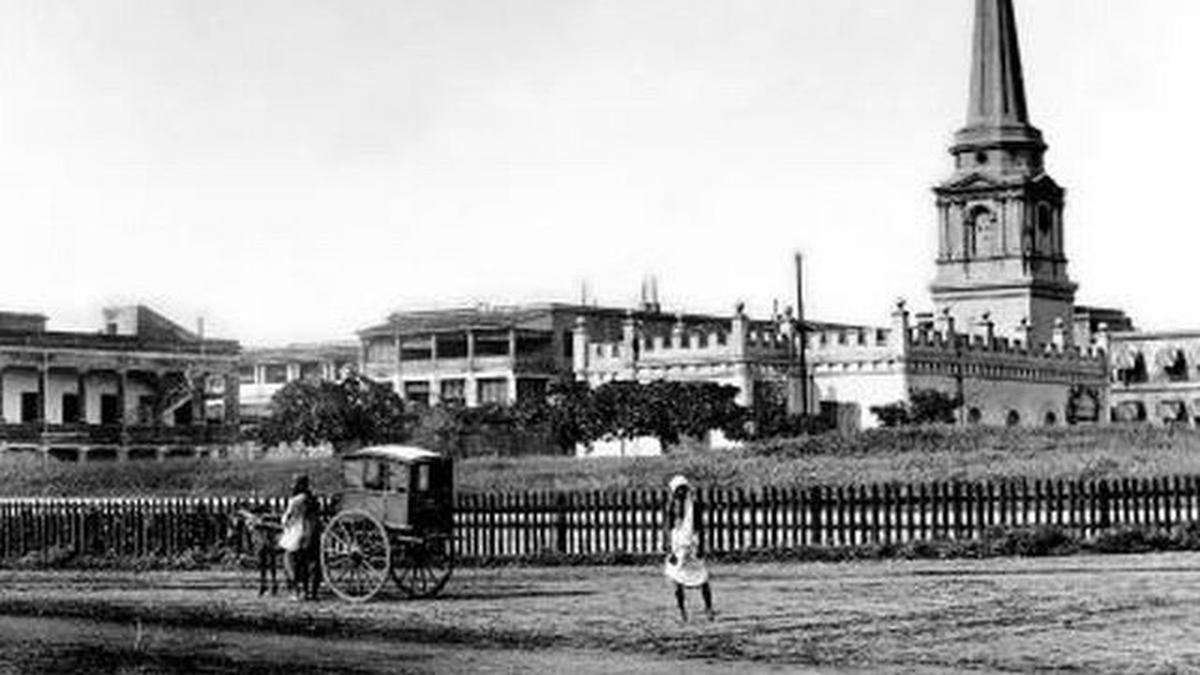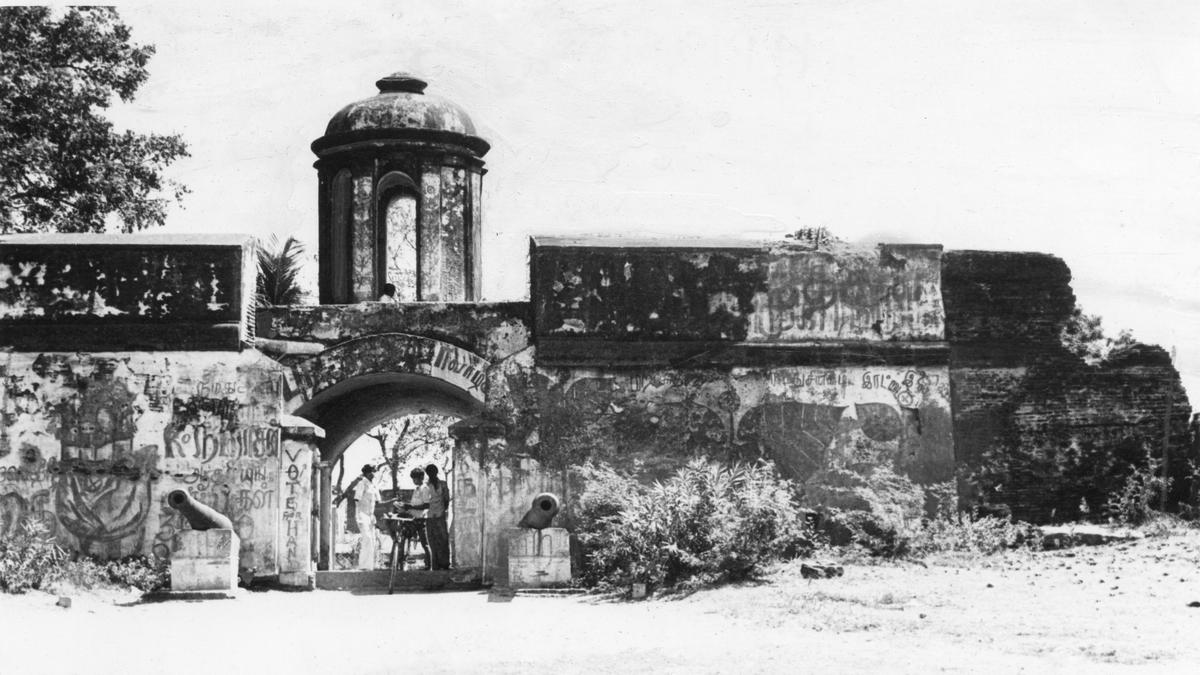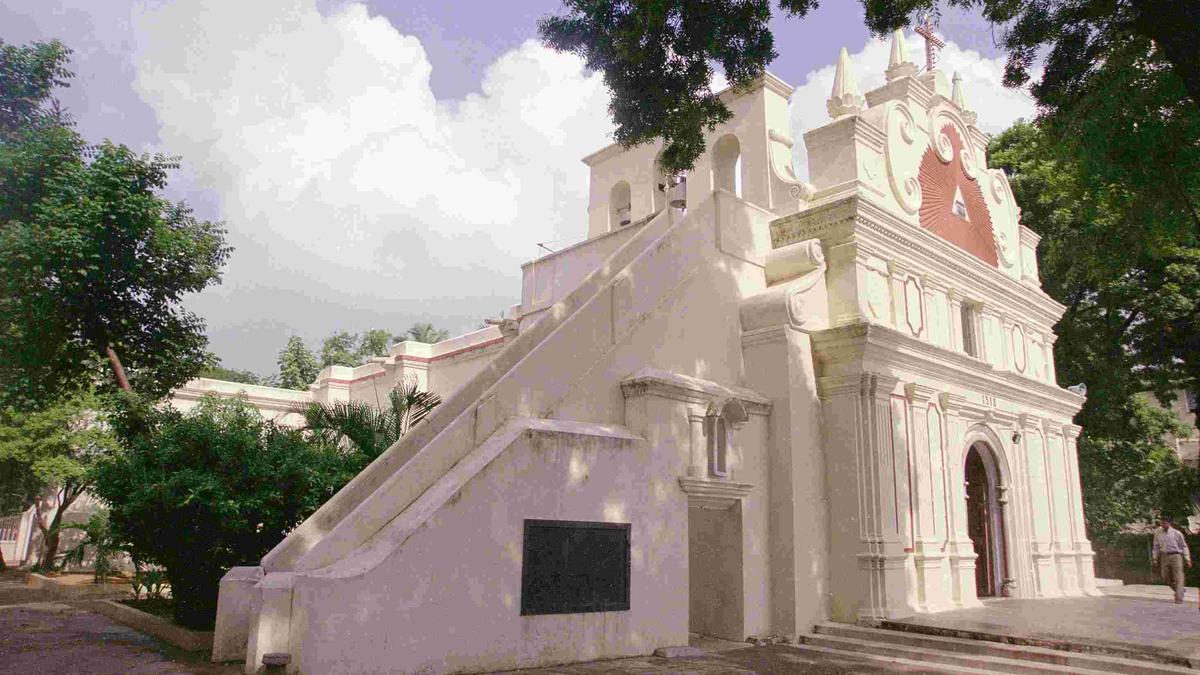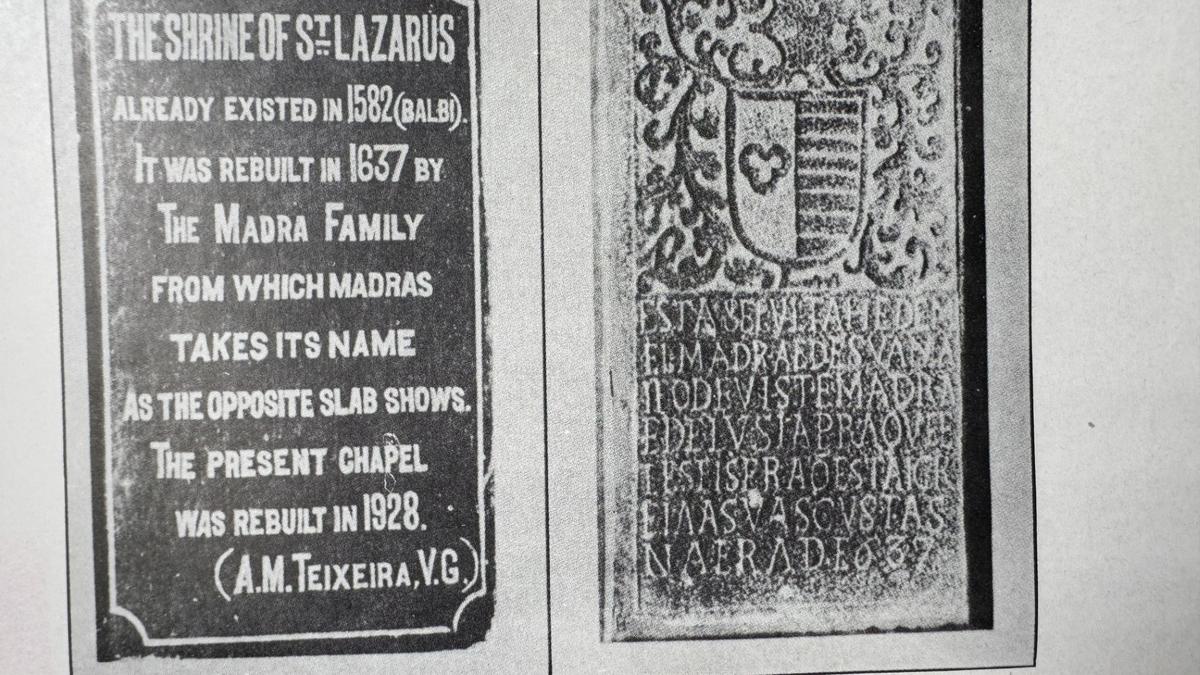
References to the tombstone at St. Lazarus chapel in Santhome
| Photo Credit: Special Arrangement
For years, I had determined that I would set down the various stories that keep circulating on how the name Madras came to be, and I kept putting it off. Last week, having to present a talk at the Madras Institute of Development Studies (MIDS), I finally got around to doing it. And so here goes.First, going by the Penneswaramadam inscription dating to the 14th century, the name Madraspattinam existed long before the English version. The Nayak’s grant of 1639 recognises it as an existing port and so, we need not bother with the subsequent intra/inter/extrapolations about the name. The interesting aspect is that the early British and Indians, who may have been closest to the origins of the name, seem to have been least bothered about it. It is only from the mid-19th century that interest began and has reached fever pitch in present times.H.D. Love, in his Vestiges of Old Madras has documented a few of the reasons in his time. B. Ramaswami Nayudu, a descendant of the first Dubash Beri Thimmappa, claimed in 1820 that Francis Day, on arrival here, found his promised land occupied by a fisherman’s coopum (settlement). The head was Madarasen, a Christian, and it was Beri Thimappa who smoothed matters over by promising the former that the new town would be named after him. Love dismisses this story stating that the name already existed when the English came here, and that Ramaswami Nayudu was “demonstrably inaccurate” on other matters in his narrative as well.