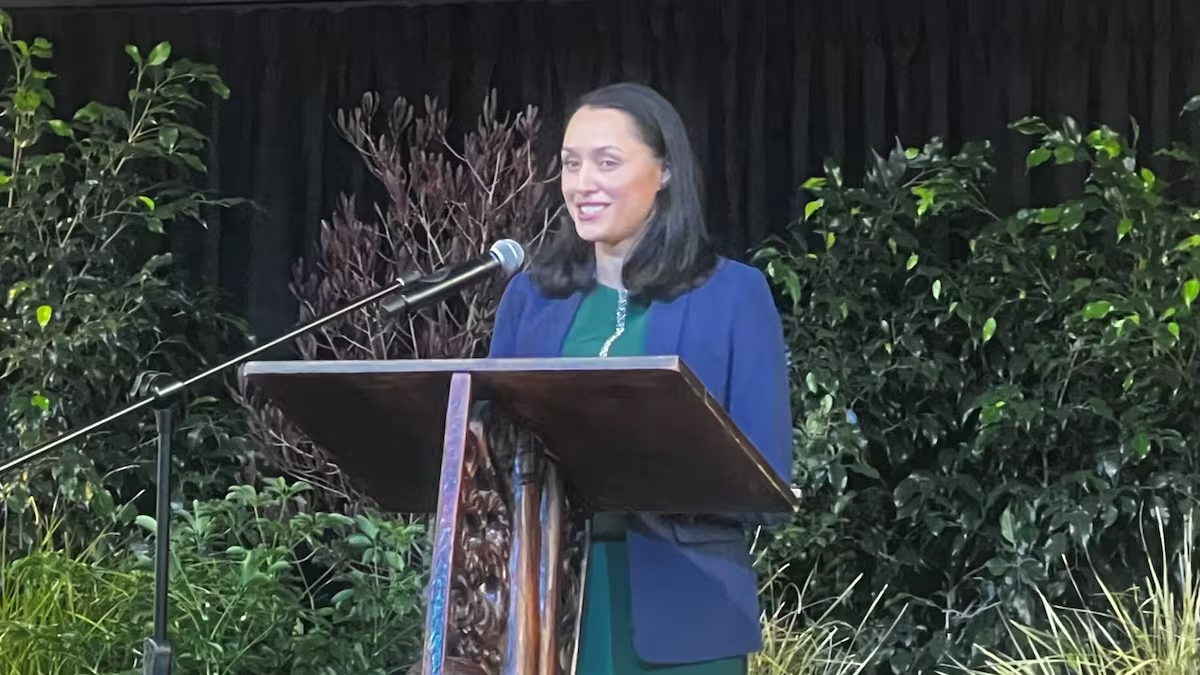
The tourism industry is calling on political parties to back the sector as it unveils a refreshed strategy to 2050 with a focus on balanced growth.Tourism Industry Aotearoa first launched the strategy in 2023, setting out a vision for how it wanted tourism to contribute to New Zealand into the future.Chief executive Rebecca Ingram said it was time for a refresh as the industry faced significant changes from climate change, AI, local government reforms and growing competition from other destinations.She described the strategy as a blueprint for how New Zealand could boost the economic, community and environmental benefits of tourism between now and 2050."Tourism 2050 is ultimately about choice. It asks what kind of tourism future New Zealand wants to create and identifies the actions needed to get there," she said."The industry has done the work to define that vision. We now need to work together to deliver it."Rebecca Ingram, chief executive of Tourism Industry Aotearoa.Supplied/ TRENZ, Zahn TrotterThe main shifts were around ensuring our global competitiveness and connectivity, climate resilience and adaptation and how the industry choose to respond to AI, she said.The strategy said tourism could not achieve its potential while responsibility for it was fragmented, informal and under-resourced across central government, local government and industry.As tourism grew, some destinations were facing infrastructure constraints that were impacting visitor experiences, community support for tourism, business productivity and the ability to grow sustainably, the strategy said.The refreshed strategy launch was taking place days after the National Party ruled out a bed tax if re-elected, despite the prime minister flagging the possibility of a bed tax two weeks earlier and a government commitment to exploring one in Auckland's regional deal.The government also announced plans to cap the amount councils could increase rates by to a maximum of four percent.Ingram said it was essential tourism funding was addressed and they could explore different national funding options."There is a imbalance between what central government receives from tourism and what local government needs in order to be able to deliver tourism at place," she said."We think it's essential that that conversation around industry funding and how we are using the IVL (international visitor levy), potential new national mechanisms that will enable councils to be able to fund tourism development and tourism-related infrastructure stays top of mind and we're really looking for practical solutions for selection year for how we're going to address that imbalance."The industry had momentum but it needed long term planning, investment and commitment, she said.But there had been some positive progress made on the first strategy including the introduction of the country's first tourism statement, the Conservation Amendment Bill which would modernise tourism and conservation, and tourism being announced as a industry-led subject for years 12 and 13, Ingram said.Tourism spending hit $46.6 billion in the year to March, with more than $28b of that from domestic travellers.About 3.65 million international visitors arrived in the year to April with a 12 percent growth in international spend.Progress on the strategy will be measured and reported on.
Tourism industry calls on political parties to back sector as refreshed strategy unveiled
The tourism industry is calling on political parties to back the sector as it unveils a refreshed strategy to 2050 with a focus on balanced growth.
504 words~2 min read