See more Daily Mail on Google - save us as a Preferred SourceBy CLAIRE ELLIOT, SCOTTISH GENERAL NEWS REPORTER Published: 20:30 BST, 25 August 2026 | Updated: 20:30 BST, 25 August 2026
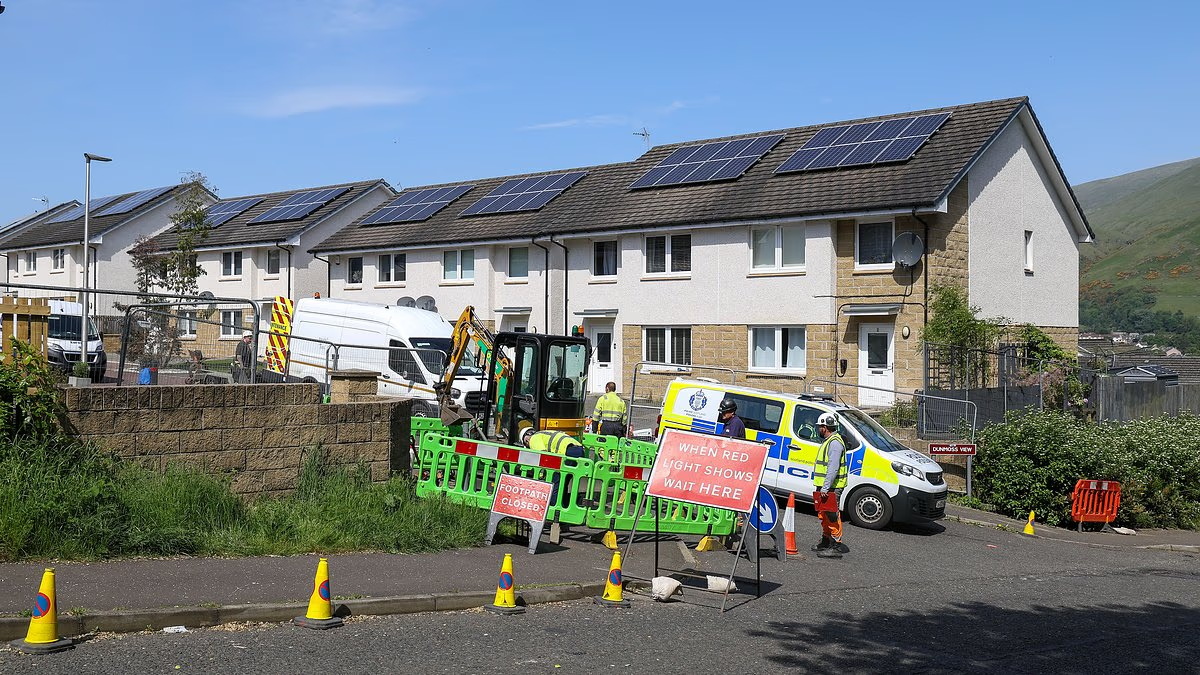
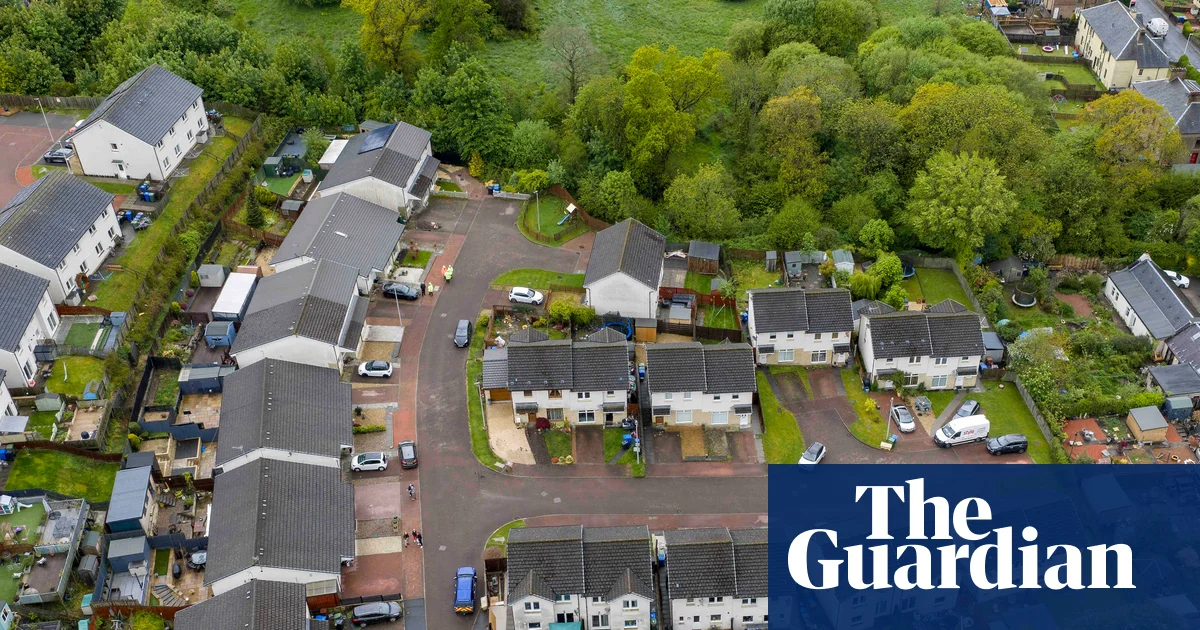
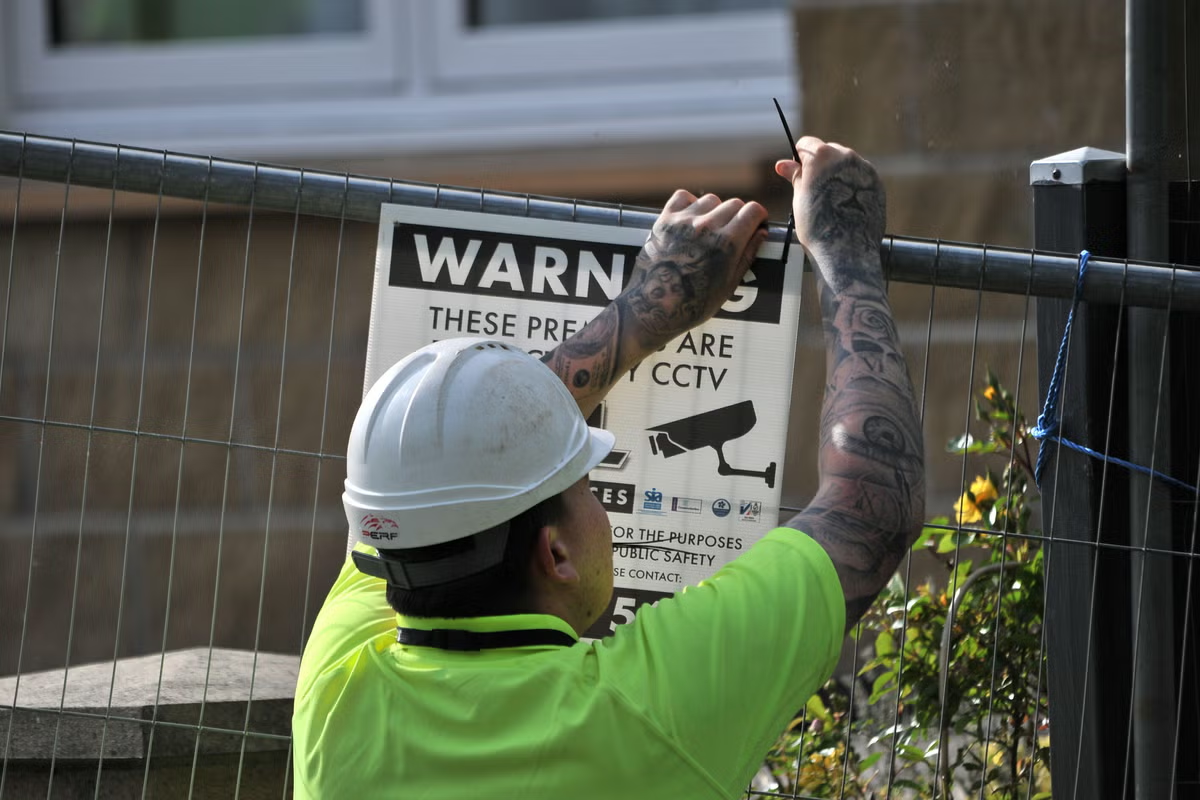
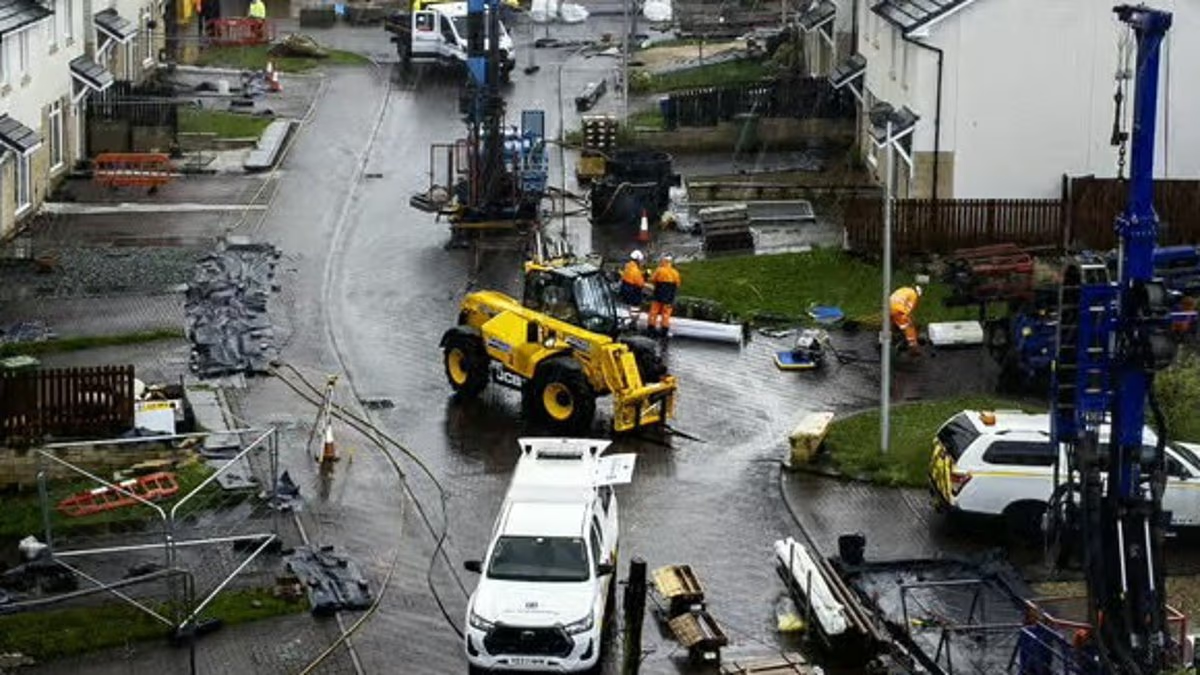
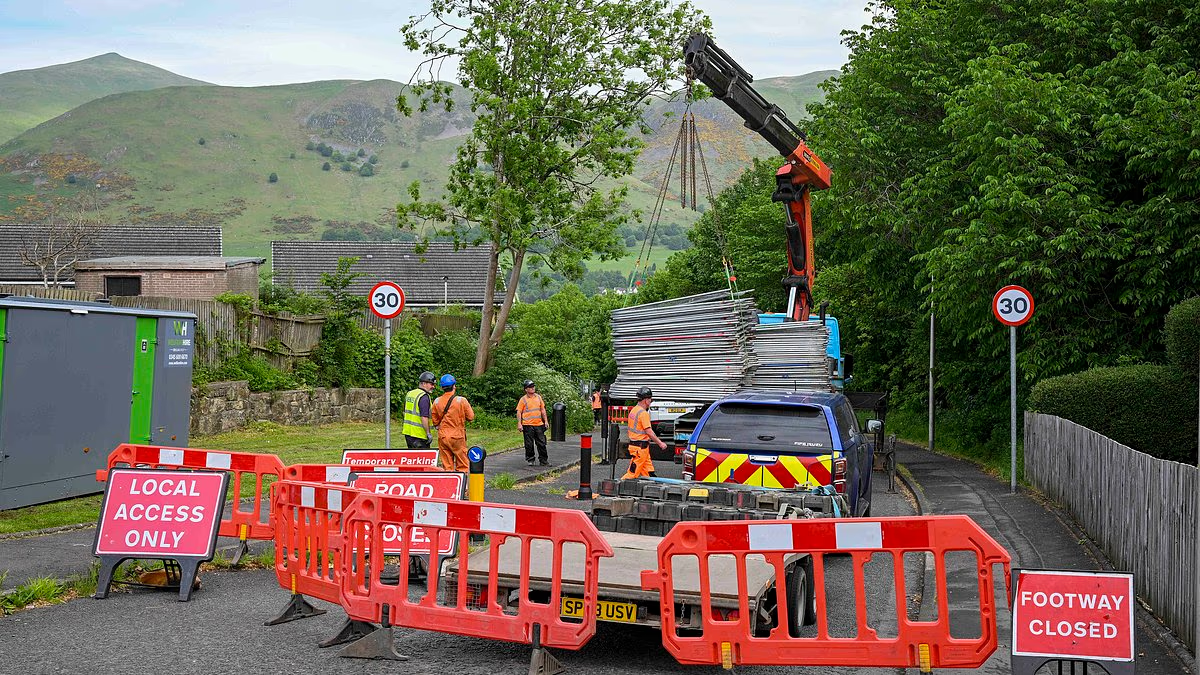
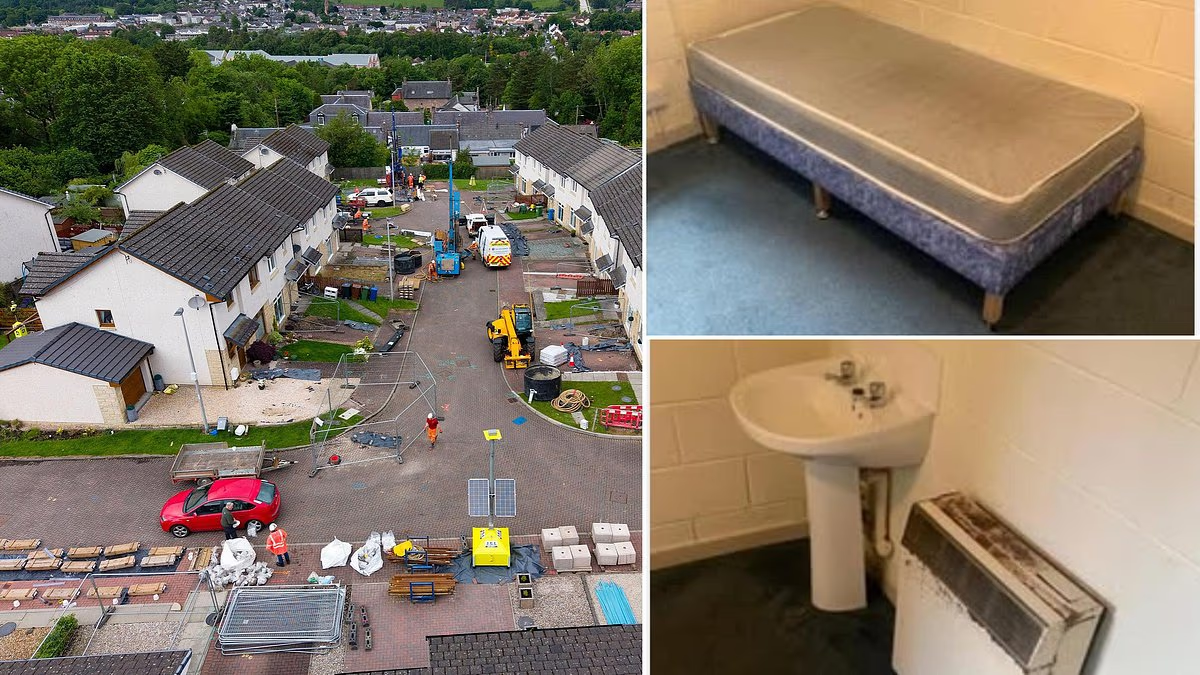
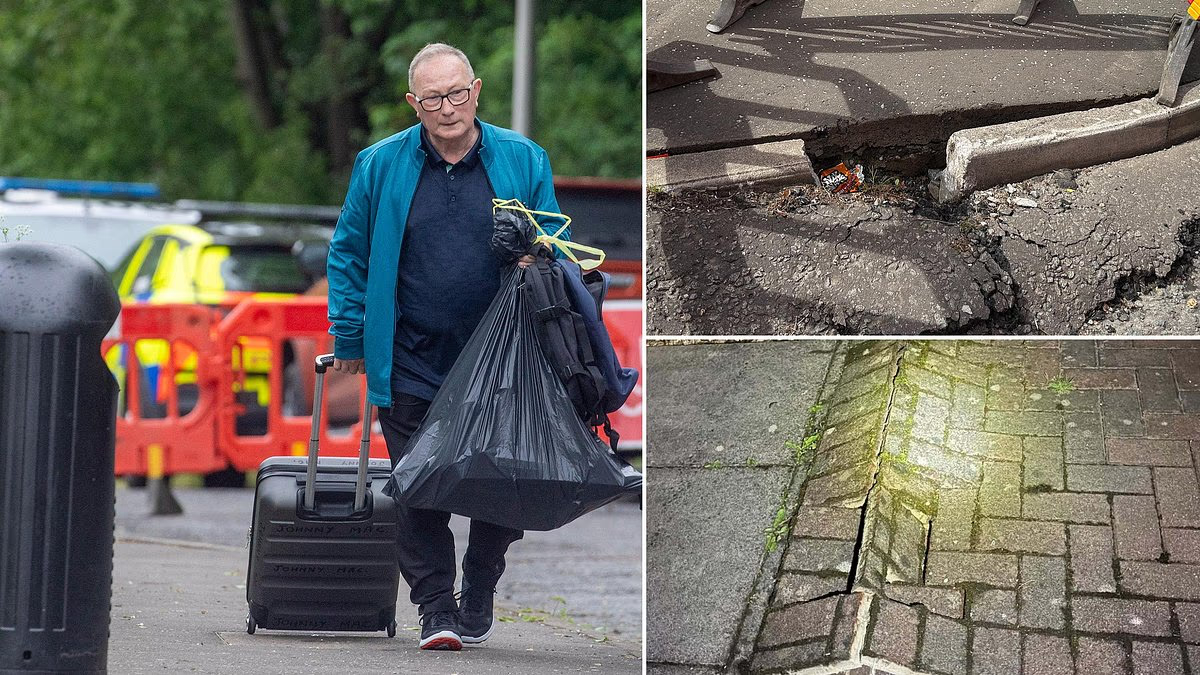
Ground in a former mining village is continuing to move at a rate of around 2mm a week towards an ‘epicentre’, officials have warned.Nearly 100 properties were evacuated in Coalsnaughton, Clackmannanshire, in May after cracks began appearing in their homes and gardens as the ground shifted beneath them.Almost four months on they are still out of their homes with no end in sight as ongoing monitoring continues to show ‘small amounts of movement recorded each week’.Chief Operations Director Carl Banton of the Mining Remediation Authority (MRA), which manages the effects of past mining activity, told councillors at a recent meeting that the buildings were still moving ‘albeit very slightly’.He said: ‘It has not completely finished. It is slowing down a bit to one or two millimetres a week.‘They are just subsiding into the ground. There is an epicentre at the centre of the movement and they are moving towards that position.’It comes after an eight-week probe into the issue confirmed the ‘most probable cause is subsidence linked to historical coal mining beneath the site’.In a report last month the MRA stated: ‘Several worked or potentially worked coal seams have been identified, and previous ground treatment appears to have provided only partial mitigation.’ A view of road damage in Coalsnaughton Some of the damage to properties at CoalsnaughtonThe report also confirmed that since 2018, ground levels had sunk by almost 2ft and that ‘a large area in the centre of the site has subsided by up to 0.6m’.Investigations to identify the cause of the disturbance which resulted in ‘several unsafe structures’ began earlier this summer after 97 households were evacuated following the first signs of movement in Benbuck View on May 18.Residents in Dunmoss View, Nechtan Drive and Langour were also asked to leave their properties, with gas and electricity supplies cut off to allow investigation work to take place.The MRA says it now plans to meet with displaced residents on Thursday [Aug 27] to discuss its next steps.Some of the addresses were built between 2012 and 2017 and MRA said discussions will mean ‘different things for different streets’.It said its aim was to ‘minimise future risk, manage the affected area safely and provide appropriate long-term solutions for residents’, adding that ‘in some areas, this may mean treatment or stabilisation works’ and ‘in others, continued monitoring, repairs or property purchase may be more appropriate’.Clackmannanshire Council, meanwhile, said it was advised that reviews carried out to date had confirmed that the ‘relevant planning applications associated with the area had been processed in accordance with the statutory planning framework’. Residents were evacuated from their homesCouncil leader Ellen Forson said it had been a ‘complex’ situation as they now ‘shift focus into recovery.’She acknowledged that it ‘continues to be a worrying and uncertain time for the residents’ but that the council would ensure ‘those affected remain at the heart of every decision we take’.Coalsnaughton, which has a population of around 1,300, was built in the 18th century to house miners, with the area said to be littered with mineshafts.A spokesman for the MRA said: ‘The rate of ground movement has slowed, although we are still seeing small amounts of movement recorded each week through ongoing monitoring.‘When referring to an ‘epicentre’, we mean the area from which the movement is originating, rather than a specific point that buildings will eventually reach.‘Any remedial works needed for affected properties will take account of the movement that has occurred and will be considered on a case-by-case basis.’