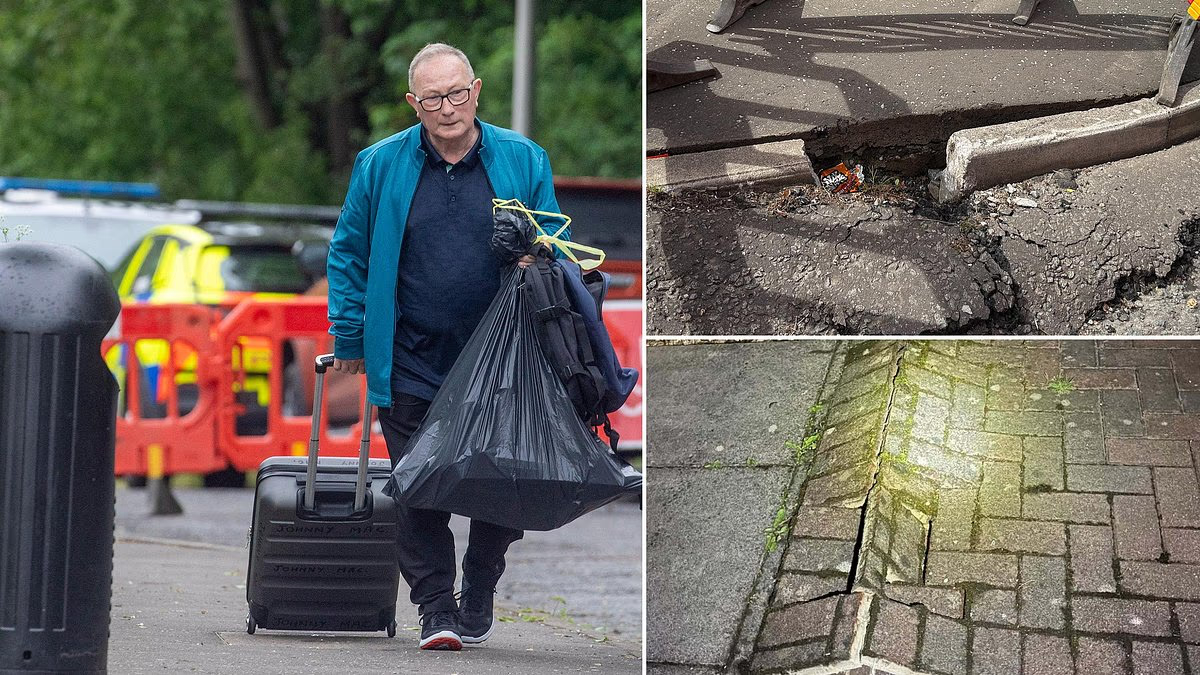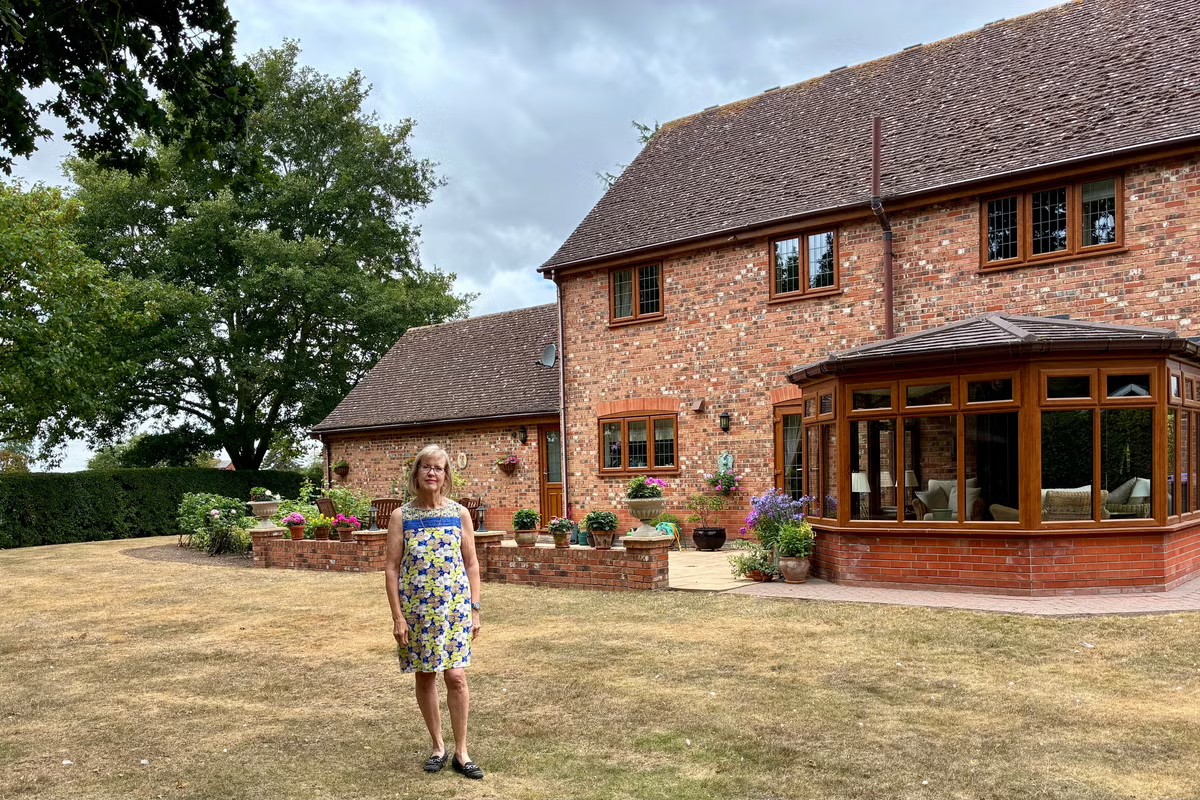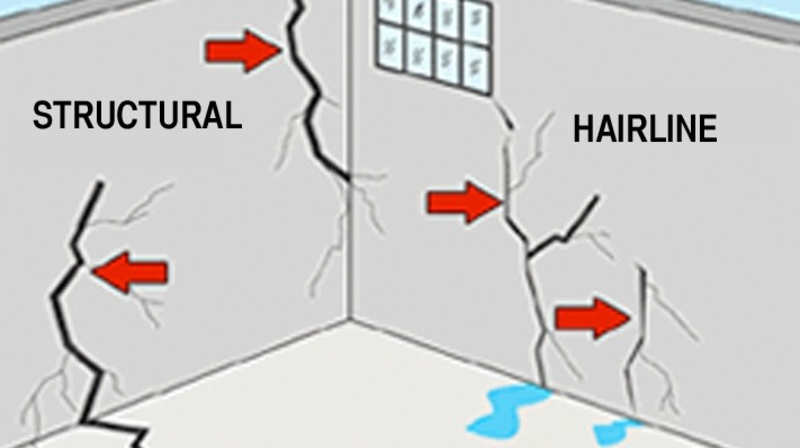
Cracking from subsidence. Credit: LinkedIn
Support CleanTechnica's work through a Substack subscription, on Patreon, or on Stripe. Help us produce all of the high-quality, original content we publish week after week despite the challenges of content-scraping AI, antisocial media, inflation, and other hurdles.
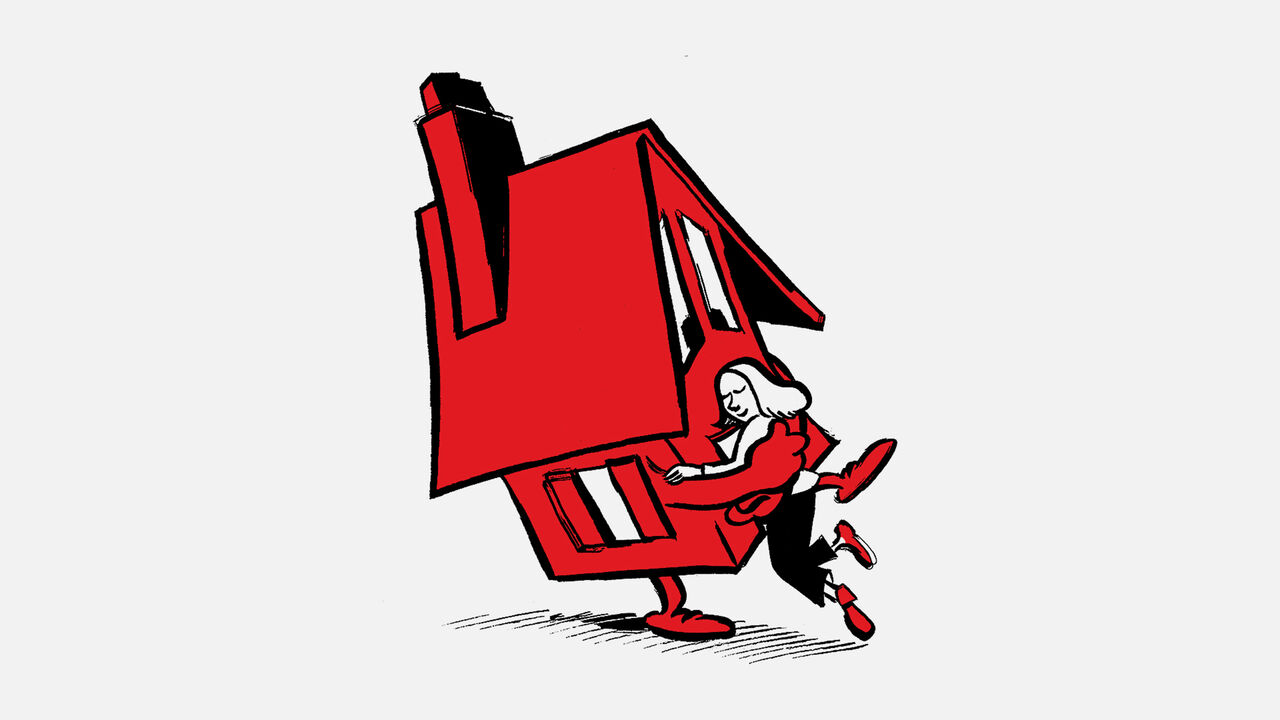
If you are a home owner, the last word you want to hear is “subsidence,” which is defined as the gradual caving in or sinking of an area of land. It means the foundation beneath your structure is no longer capable of handling its weight and is slowly settling. It is happening in Miami, which is built on porous limestone that dissolves — albeit slowly — when exposed to salt water.
Sometimes the damage is covered by insurance, but companies in the insurance business don’t like risks they can’t control, so as the number of subsidence claims rises, the tendency in the industry is to either exclude coverage for damage from subsidence or raise the premiums substantially. The model for the industry is to take in more money than it pays out. Otherwise it is a charity, not a business. It’s quintessential capitalist theory in operation.
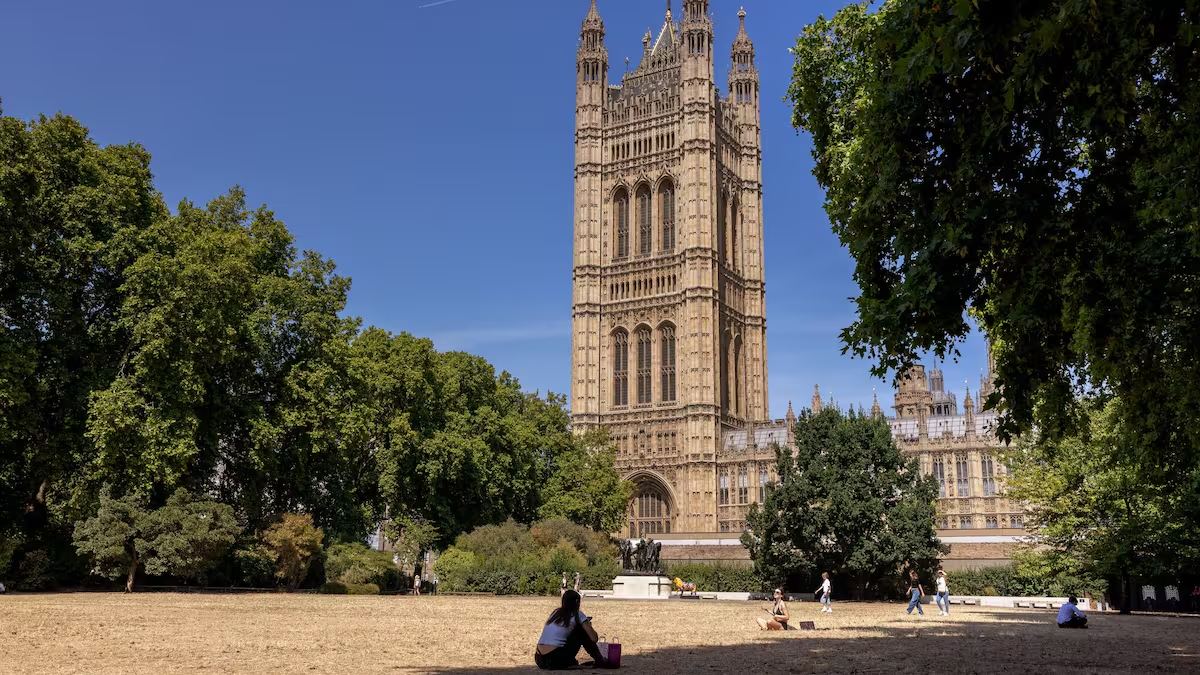
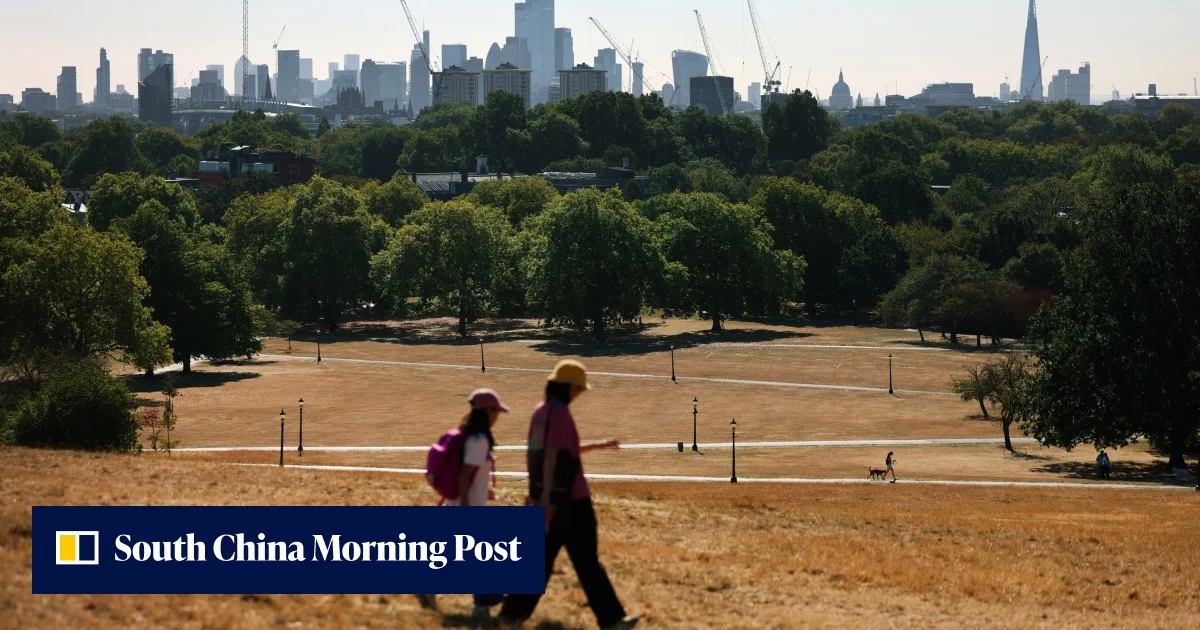
It turns out that the soil in most of greater London is clay, which is highly sensitive to variations in moisture content. With more moisture it becomes almost plastic, allowing it to be easily molded. It is the primary component in pottery and bricks. But when it gets dry, it shrinks. That’s what is happening in many parts of London today, as the city has suffered through five intense heatwaves this summer.