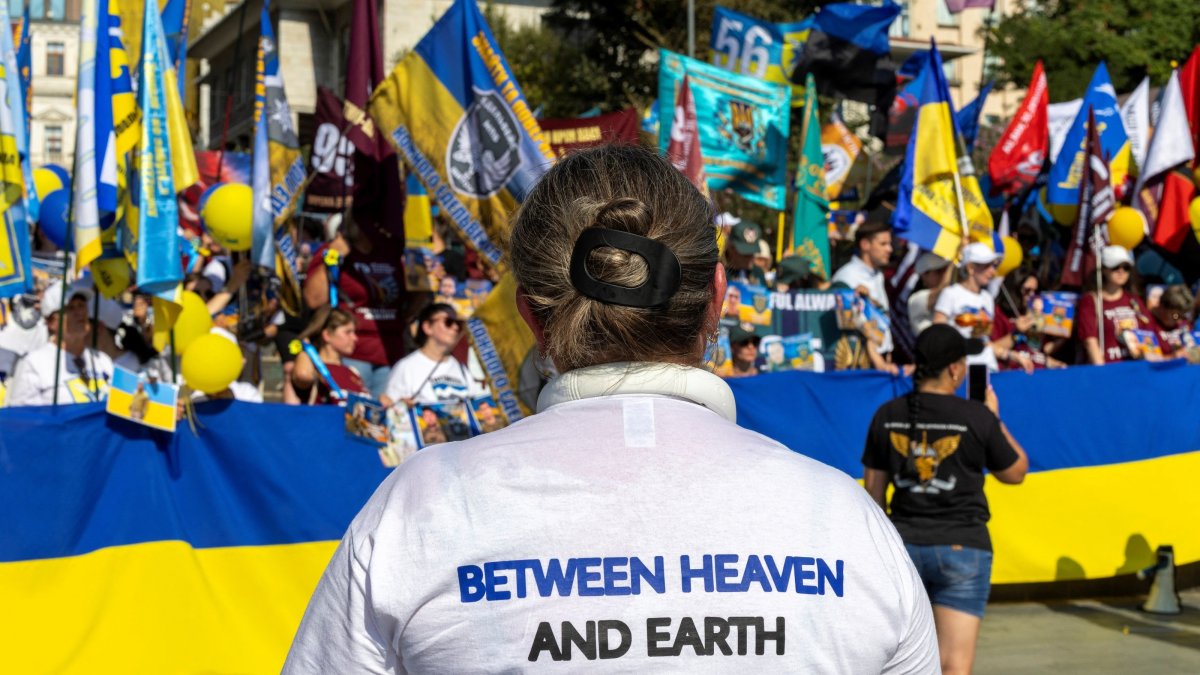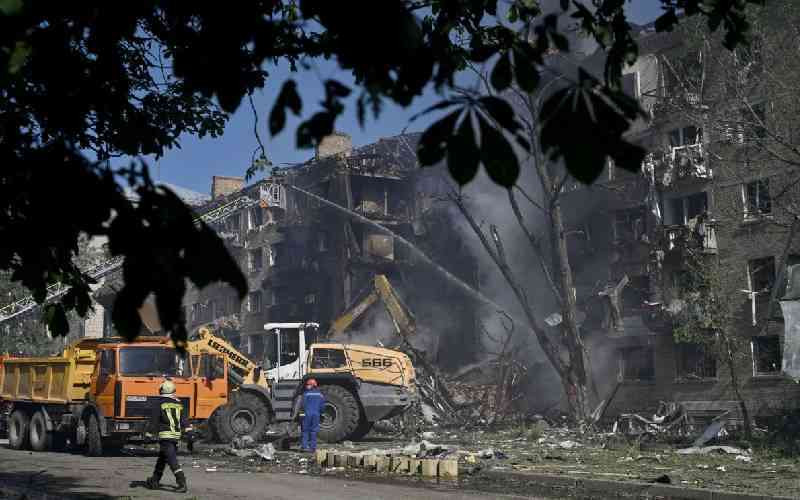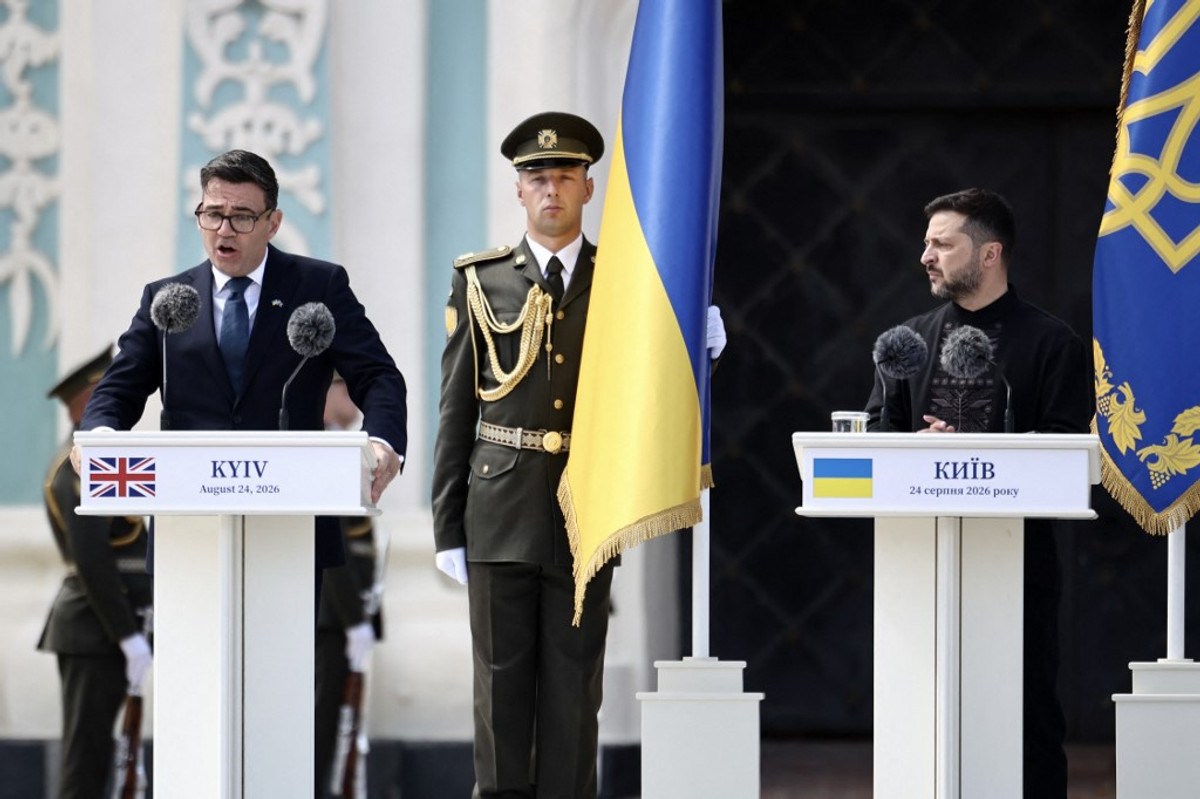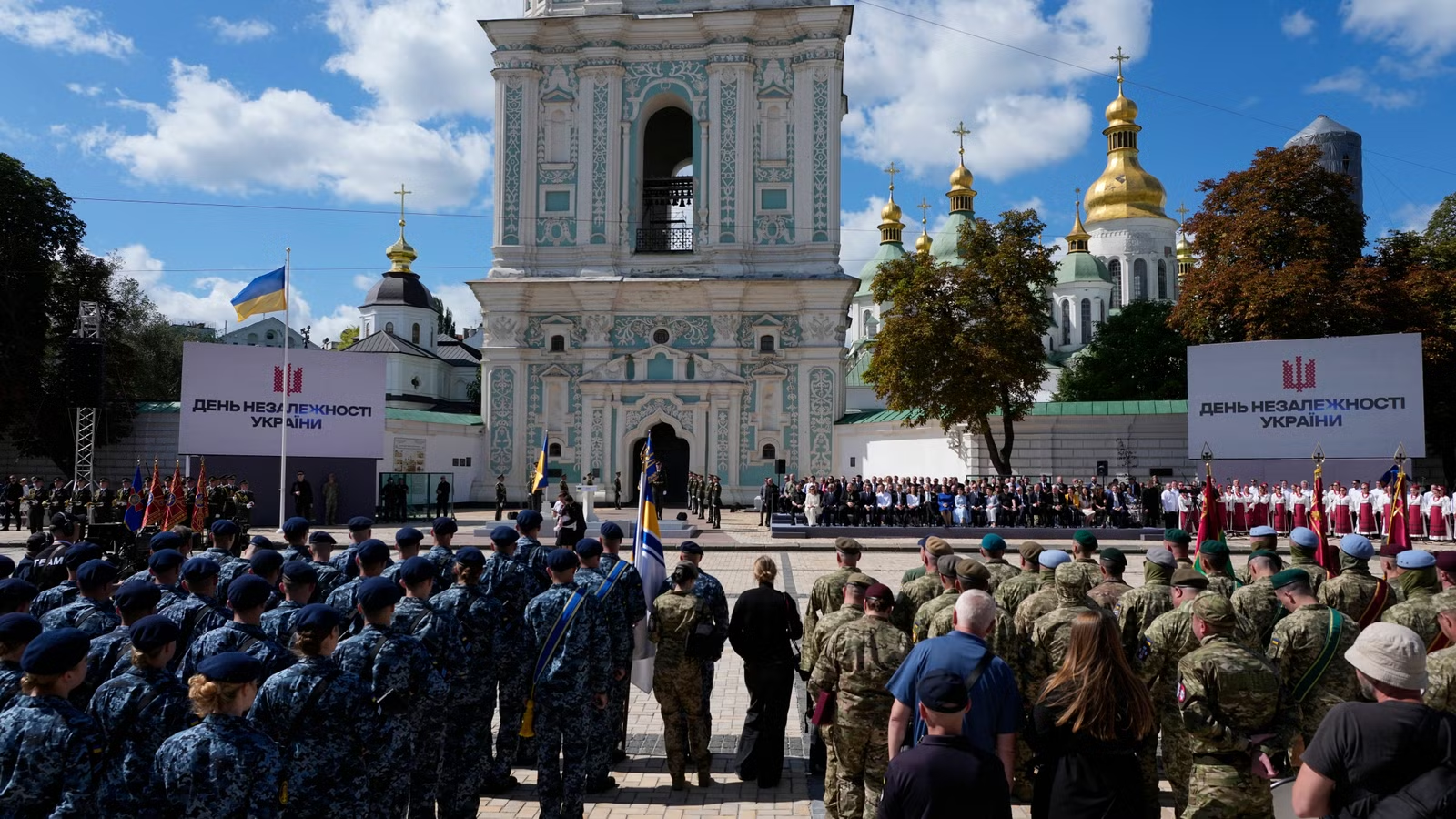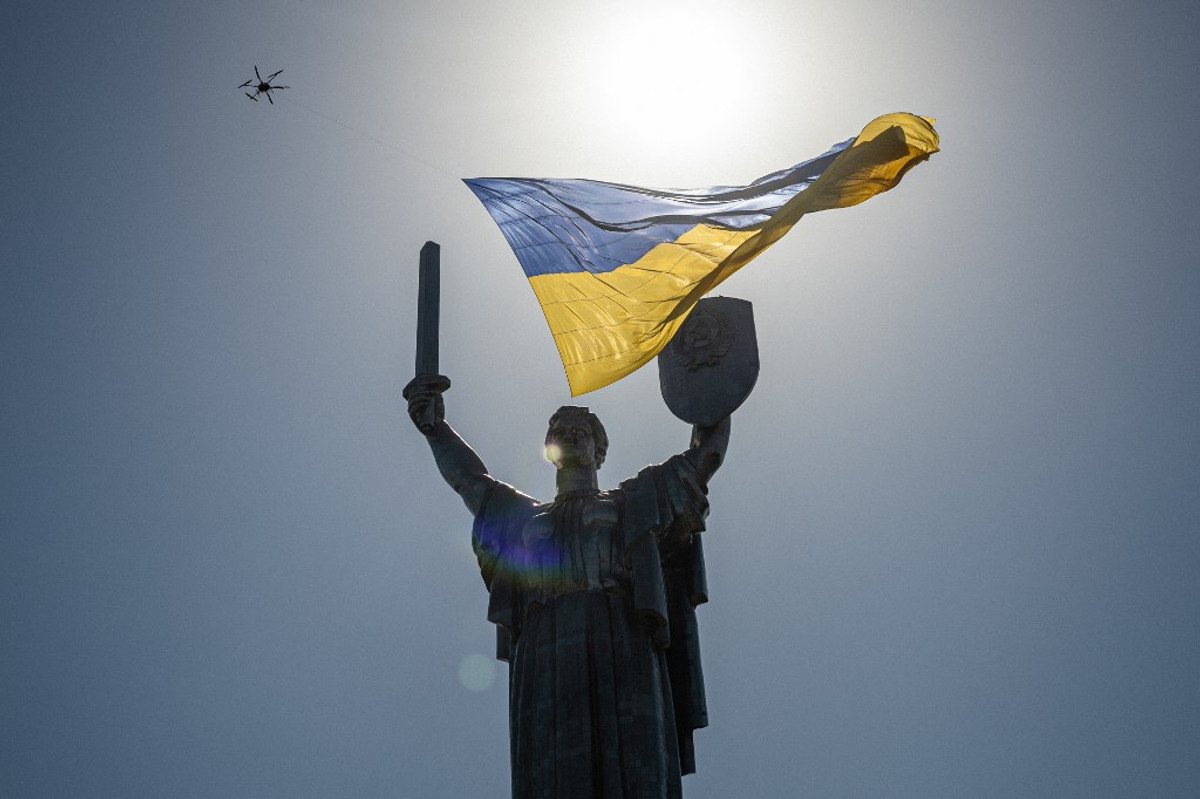
Ukrainians marked the thirty-fifth anniversary of the country’s independence this week, but Ukraine’s historic fight for freedom is still far from over. This was the fifth Ukrainian Independence Day since the onset of Russia’s full-scale invasion. The outcome of the invasion remains very much in doubt and will determine whether Ukraine finally emerges as a truly independent state or is forced back into the confines of a resurgent Russian Empire.
Ukraine’s statehood struggle dates back hundreds of years and is one of the oldest in European history. As long ago as the early eighteenth century, French writer Voltaire observed that “Ukraine has always aspired to liberty.” The principal obstacle to these dreams of Ukrainian liberty has traditionally been Russia. Throughout the Czarist and Soviet eras, successive generations of Russian rulers sought not only to control Ukraine politically, but also to suppress the very notion of a separate Ukrainian nation.
Over the centuries, Russia’s methods have ranged from restrictions on Ukrainian language, culture, and identity, to the deliberate mass starvation of entire communities in their own homes. The spirit of these oppressive policies is perhaps best expressed in a notorious 1863 Russian imperial decree banning the publication of Ukrainian literature that declared, “a separate Ukrainian language never existed, does not exist, and shall not exist.”