August 25, 2026
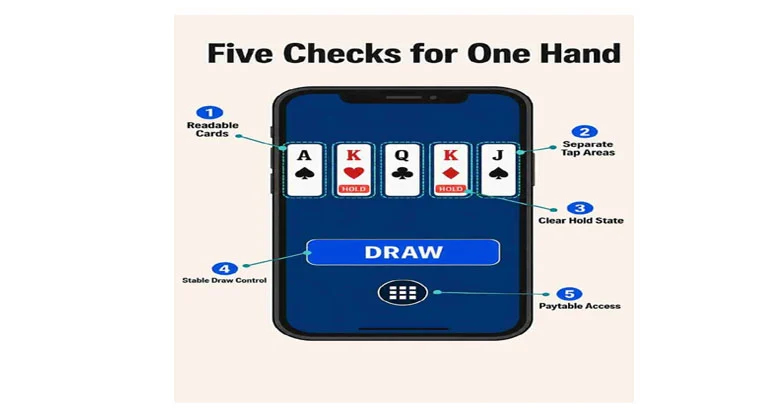
A player opening a card game on a smartphone is rarely thinking about the design behind the screen. They are not analyzing button placement, menu structure, or visual elements. They simply want to enter a table, understand what is happening, and make decisions without unnecessary interruptions.
This is something I have noticed while following mobile gaming experiences over the years: the best interfaces are often the ones users barely notice. When a design works well, it disappears into the background and allows the player to focus entirely on the activity itself.
For card games, this matters even more. Players already understand the excitement of reading situations, making choices, and waiting for the right moment. A digital platform does not need to replace that feeling. It needs to create an environment where that feeling can happen naturally.
The difference between a frustrating experience and an enjoyable one often comes down to small design decisions that most users never consciously think about.