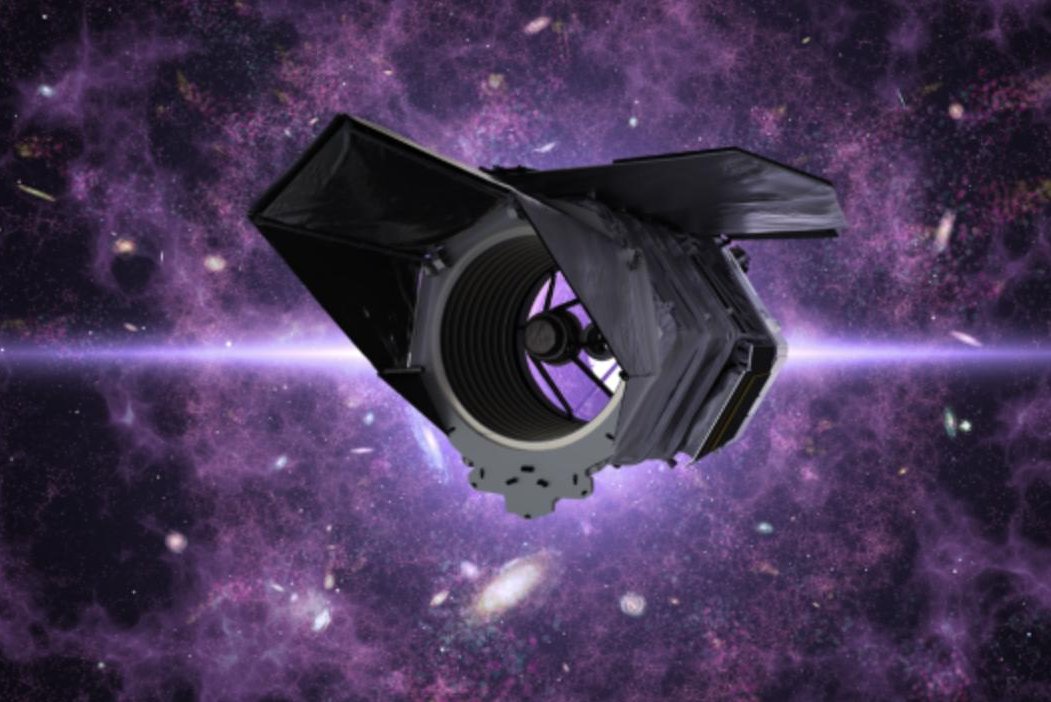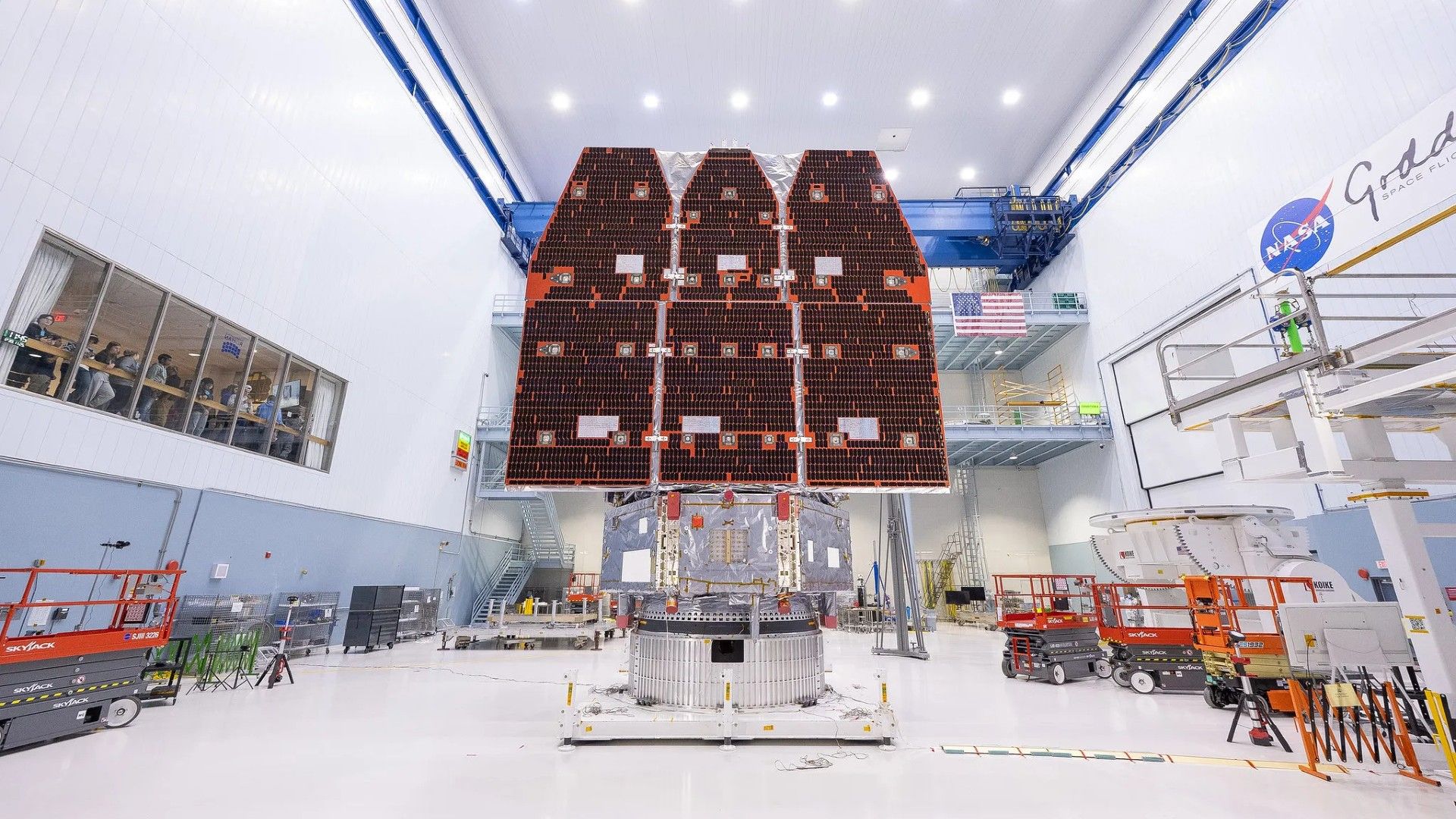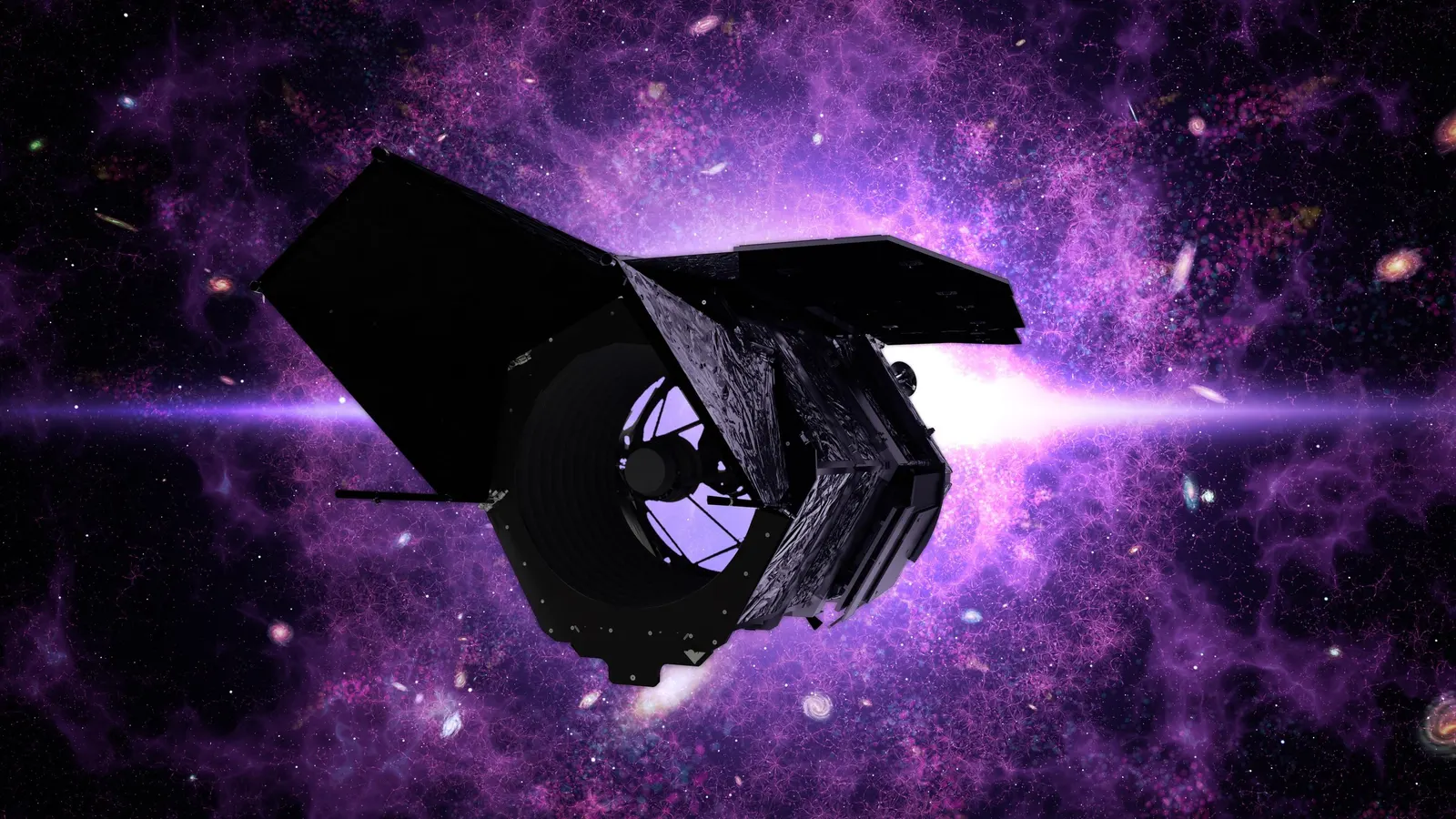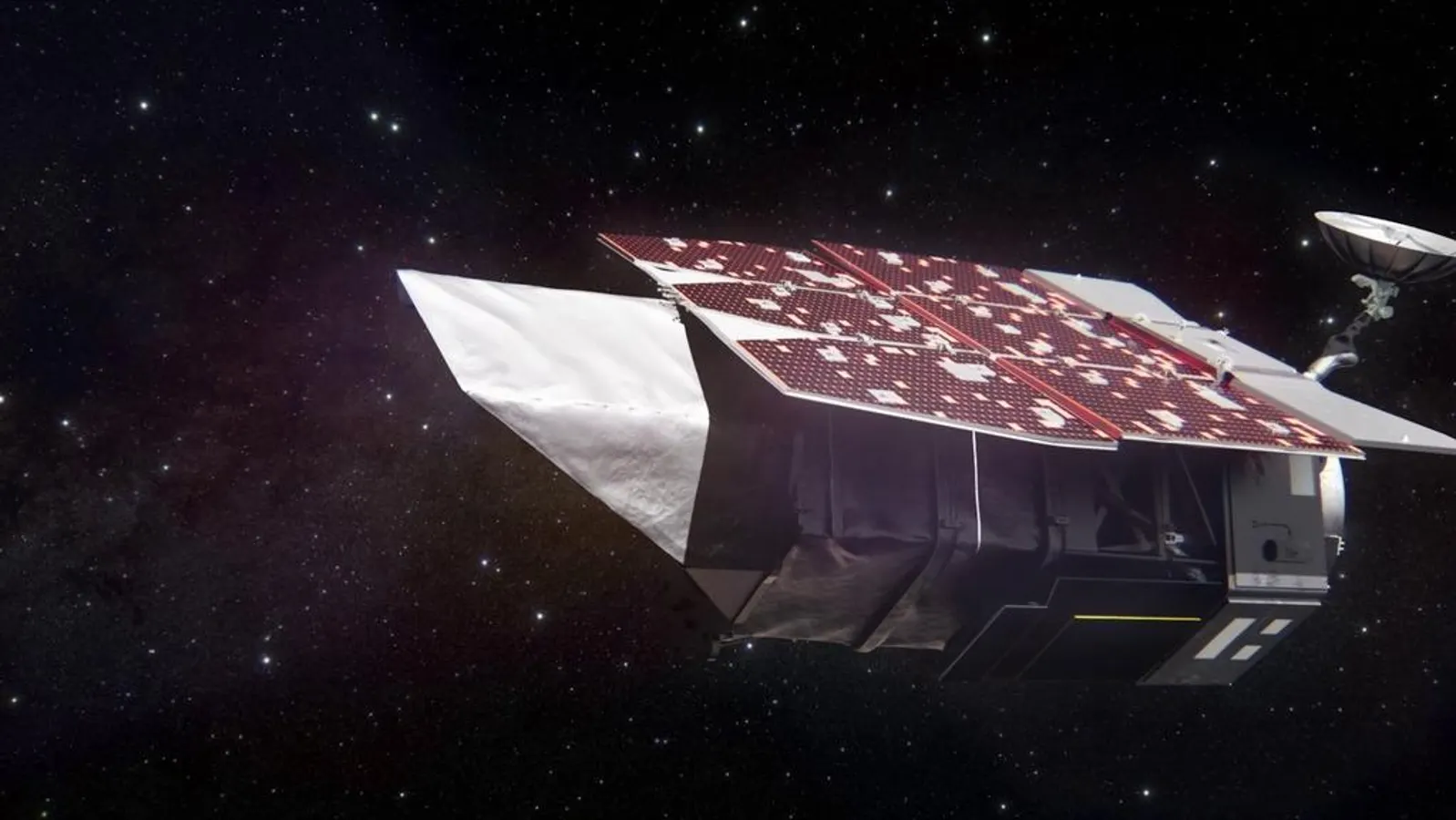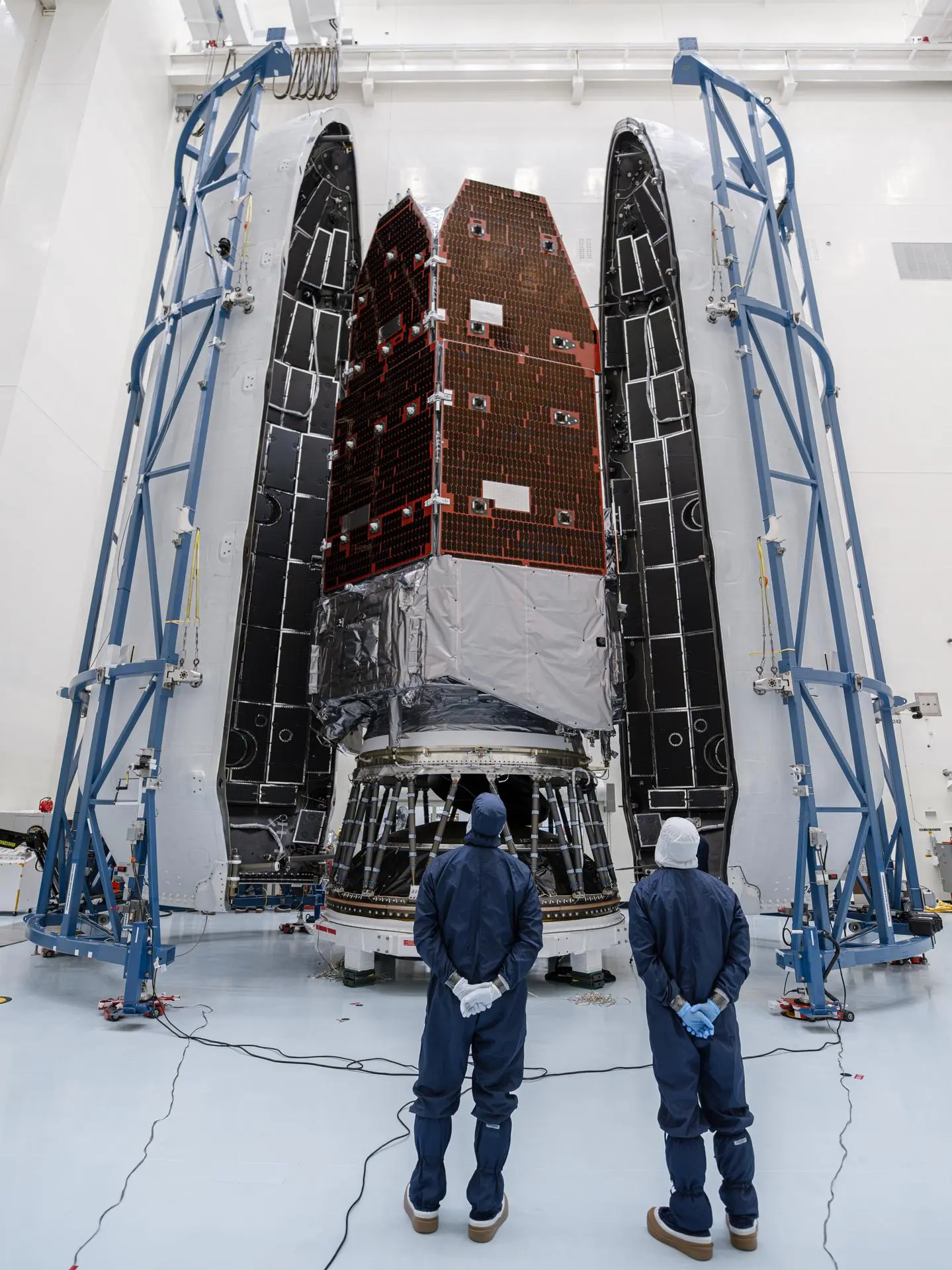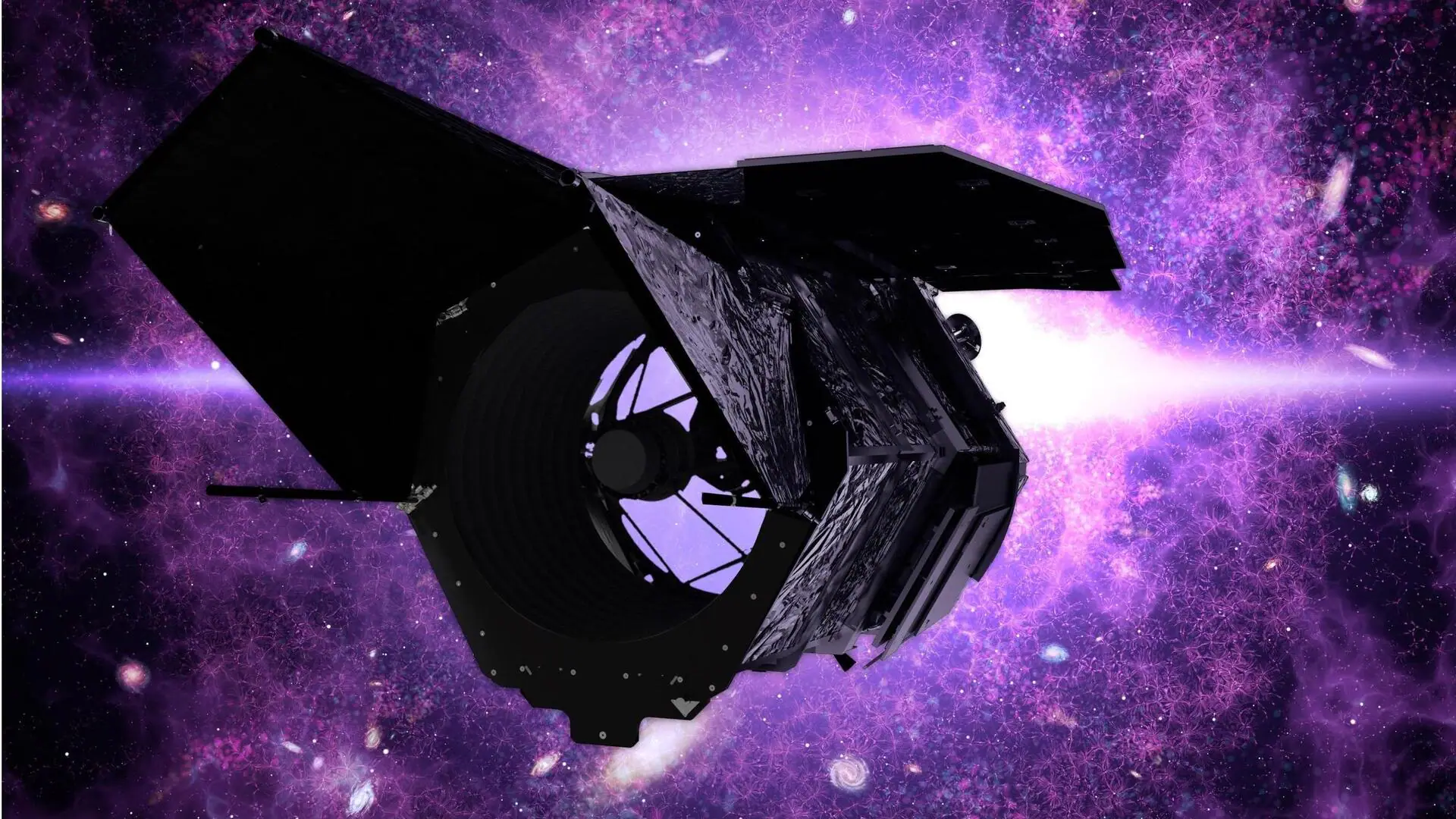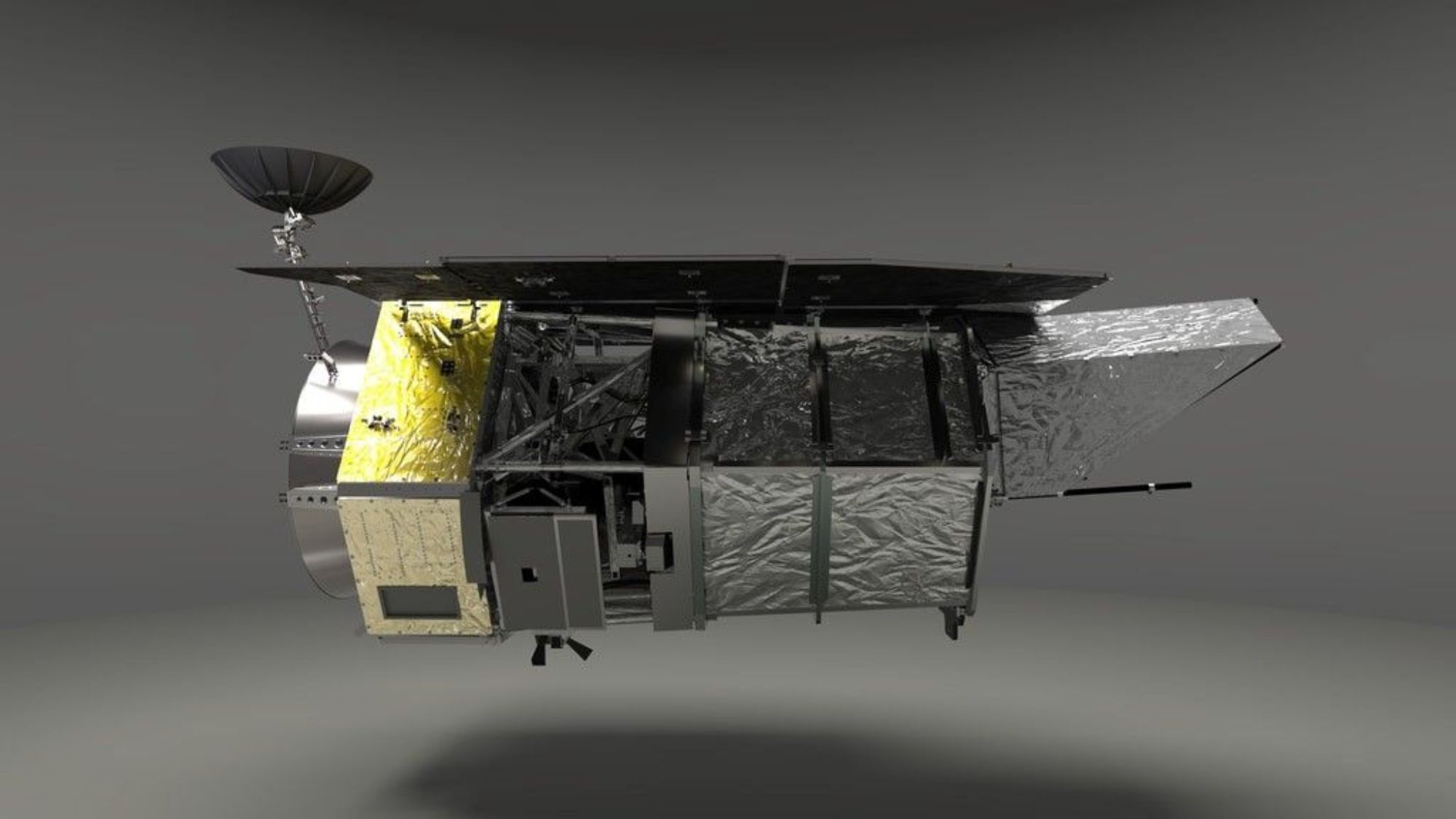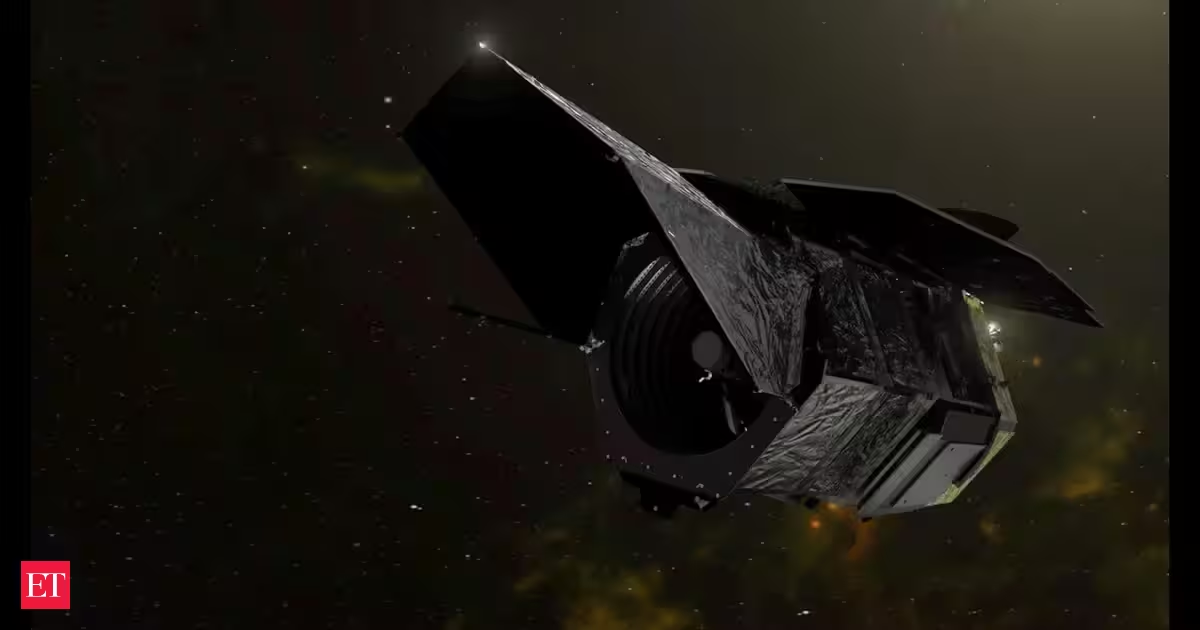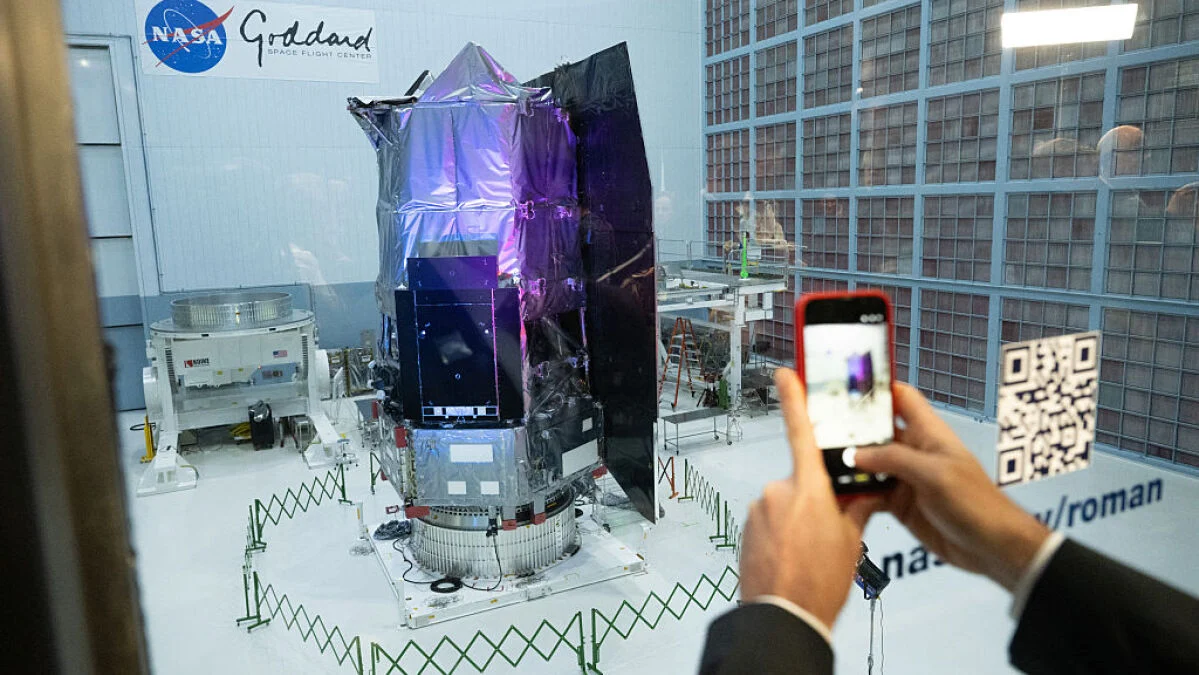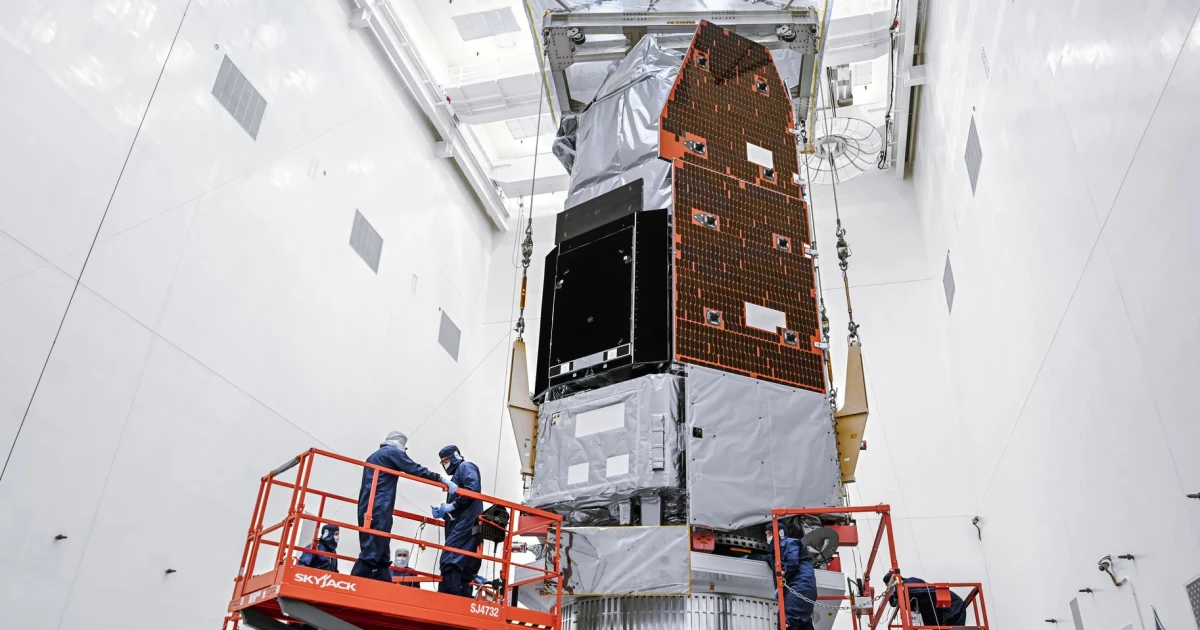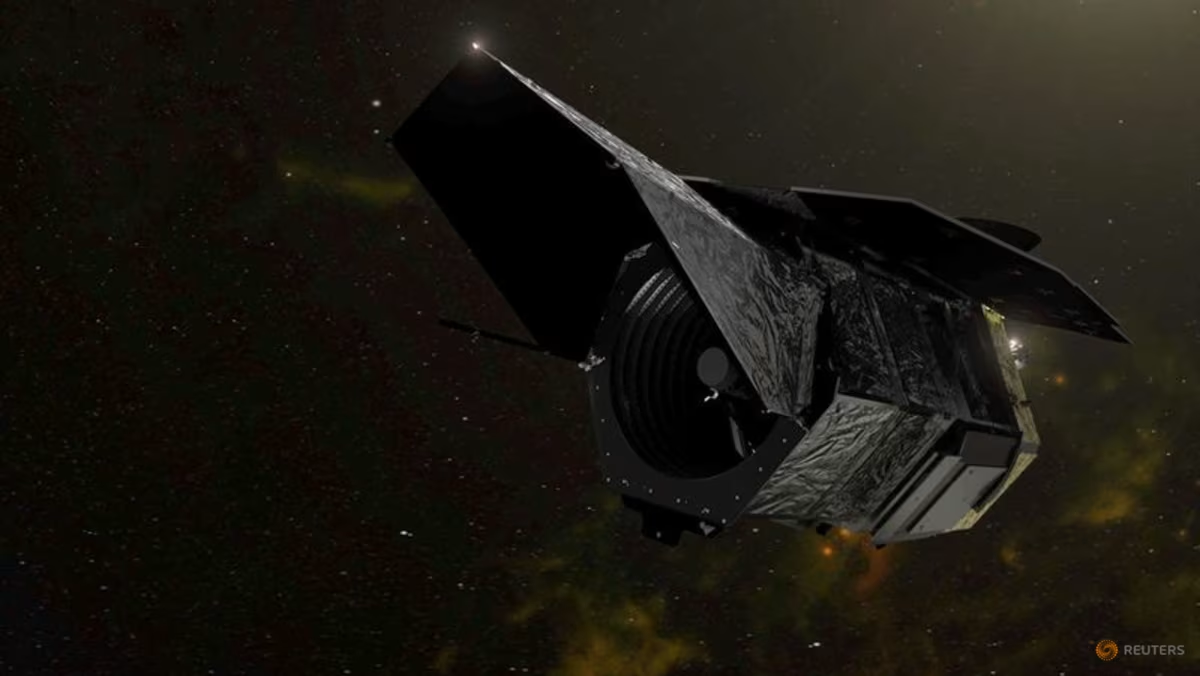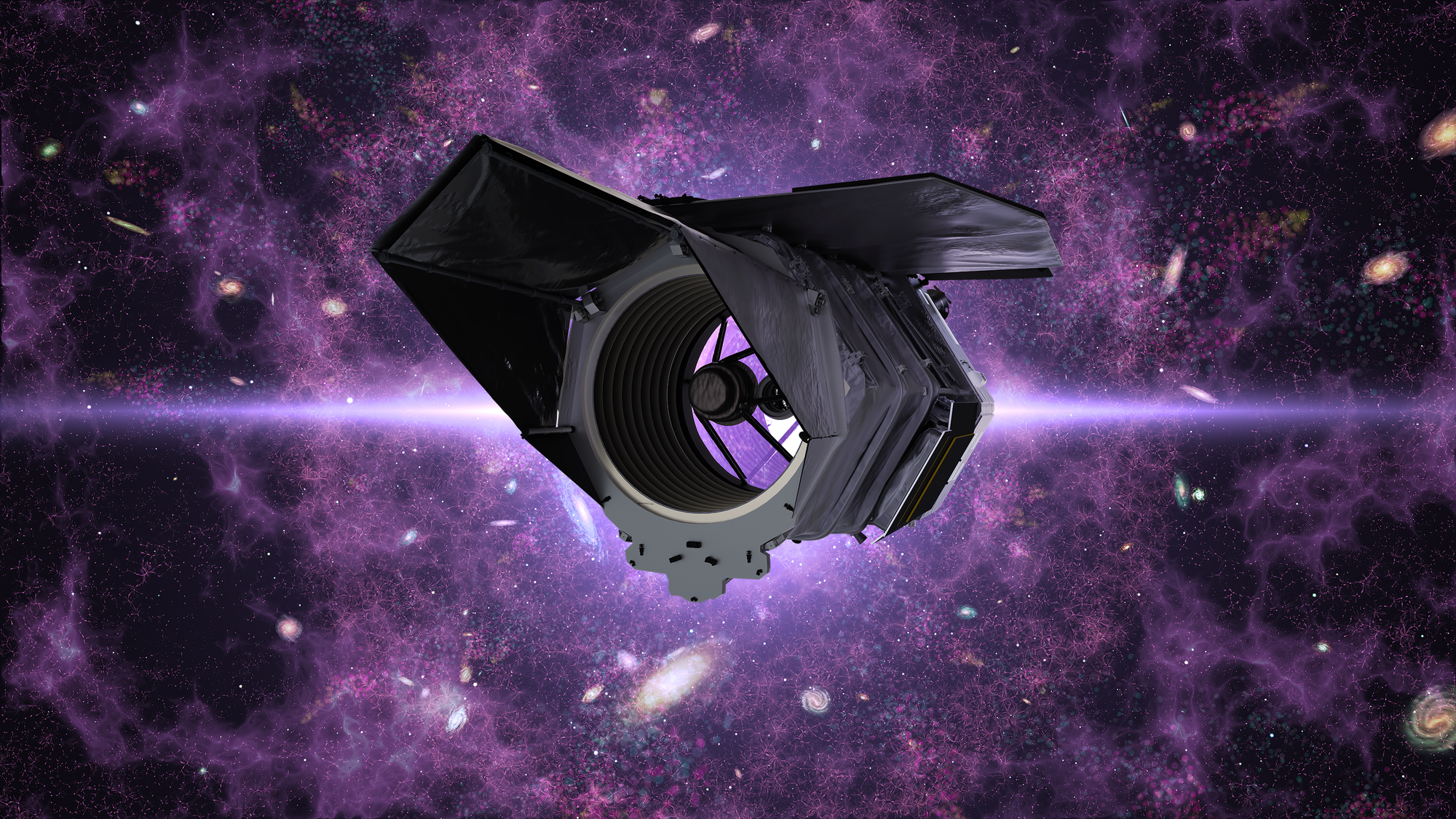
Set to launch on Sunday, Aug. 30, NASA’s Nancy Grace Roman Space Telescope will empower astronomers to explore vast regions of the cosmos and settle essential questions in the areas of dark energy, dark matter, planets outside our solar system, and the formation and growth of galaxies over cosmic time. Key contributions to Roman’s mission made by researchers at NASA’s Ames Research Center in California’s Silicon Valley will advance Roman’s science using the center’s facilities, expertise, and innovations.
Tools to predict, remove glare
Roman’s main camera, the Wide Field Instrument, will capture expansive high-resolution pictures of the universe in optical and near-infrared light. These unprecedented images will enable astronomers to decode some of the deepest mysteries of the cosmos.
Forms of glare that Roman’s camera collects diminish image quality and thereby reduce the ability of astronomers to characterize certain cosmic structures. Innovative software developed by a team at NASA Ames, with collaborators at NASA’s Goddard Space Flight Center in Greenbelt, Maryland, and IPAC/Caltech in Pasadena, California, will improve Roman’s images and optimize observing plans. Called ROSALIA (Roman Sky Analyst for Low Surface Brightness Imaging and Astronomy), the software predicts and removes unwanted light from astronomical images captured by Roman’s Wide Field Instrument.