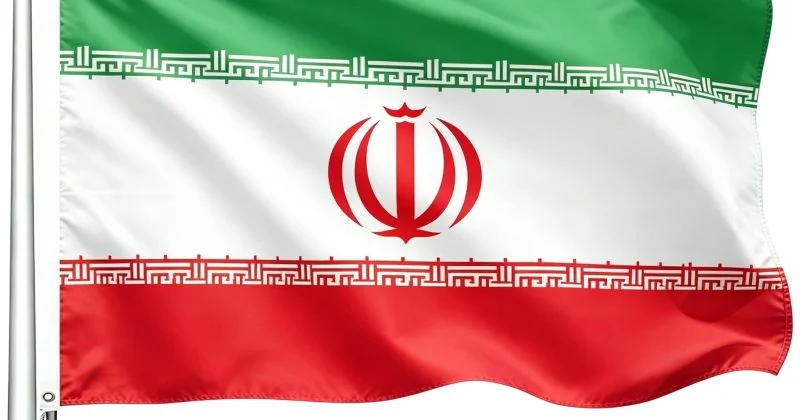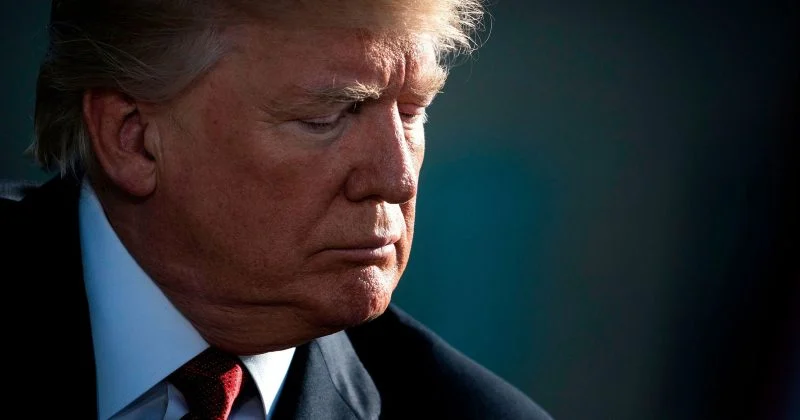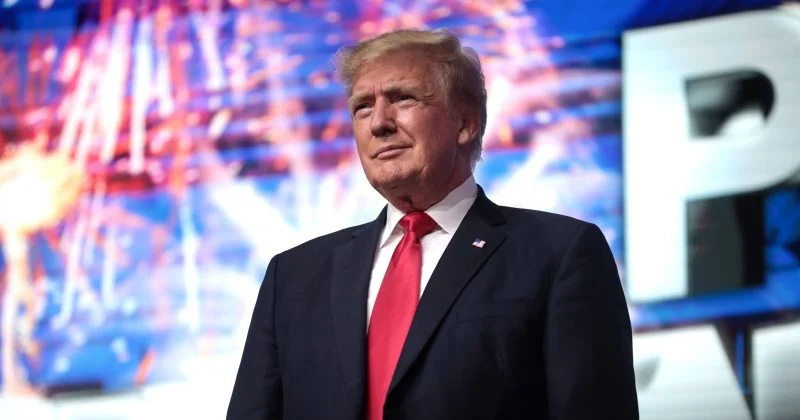
President Trump has announced an increase in sanctions against Iran, aiming to further pressure its economy amid ongoing geopolitical tensions. This move is part of a broader U.S. strategy to curb Iran’s oil sales and missile program while expanding the scope of secondary sanctions. The new sanctions target sectors such as technology, aviation, and digital assets, and affect not only Iranian entities but also their international partners. Observers suggest that such measures could heighten tensions between the two nations, potentially impacting Iran’s nuclear ambitions and the prospects of a diplomatic breakthrough.
Key Takeaways
Market pricing suggests that the likelihood of Iran developing a nuclear weapon before 2027 has increased slightly, with a current probability of 5.1% YES, reflecting heightened geopolitical tensions.
The chances of the U.S. and Iran reaching a final nuclear deal by August 31, 2026, remain minimal, with a 0.5% YES likelihood, suggesting skepticism about diplomatic progress.
Recent sanctions expansions appear consistent with a hardening U.S. stance, which may hinder efforts towards a diplomatic resolution regarding Iran’s nuclear program.