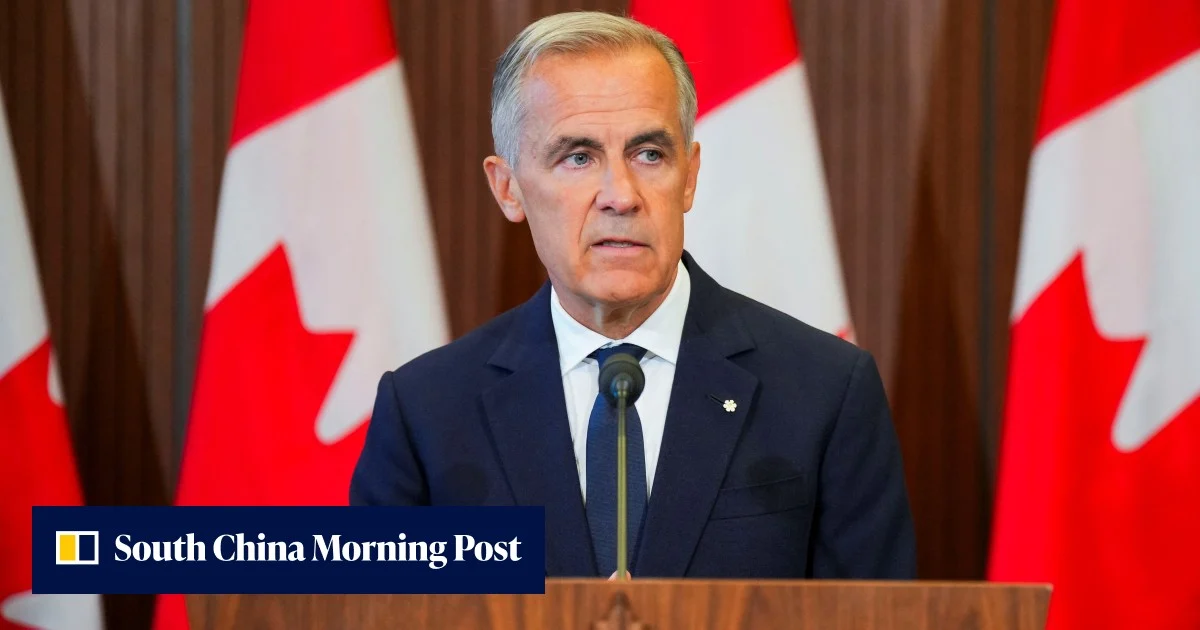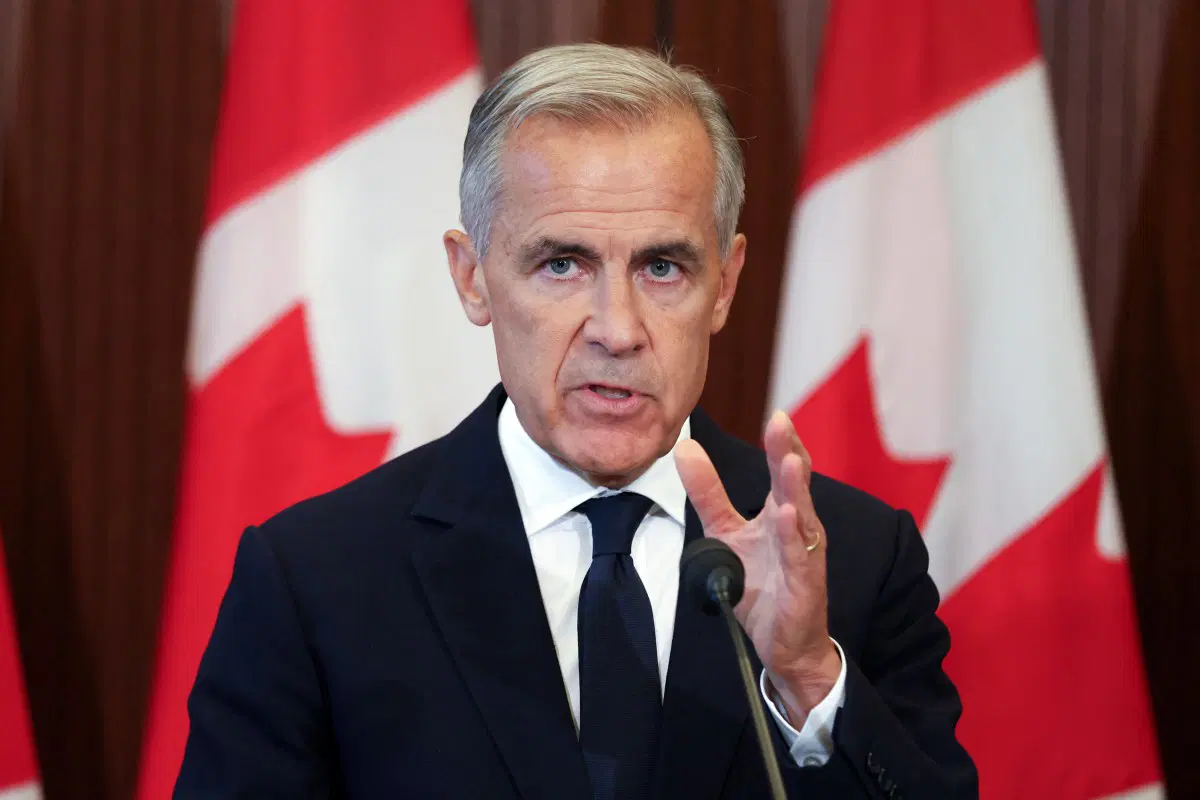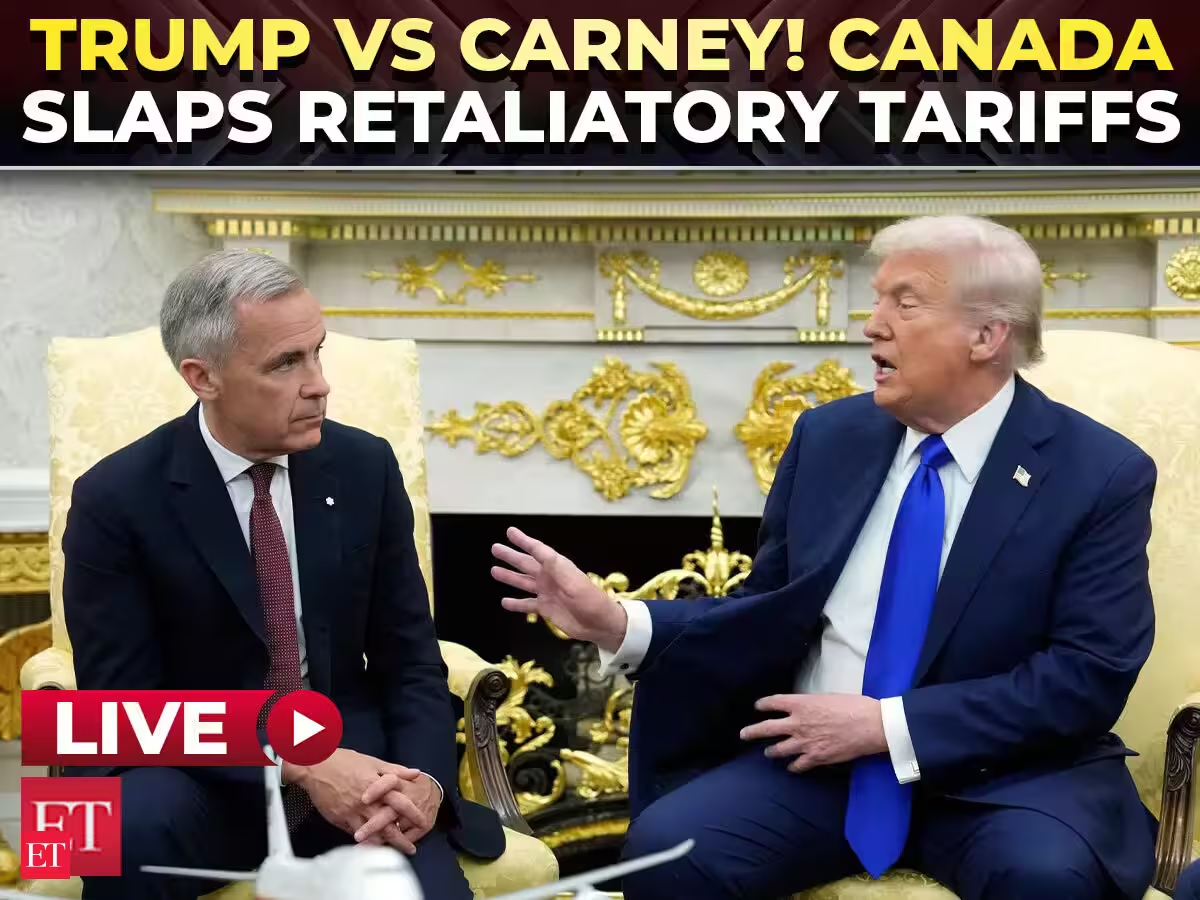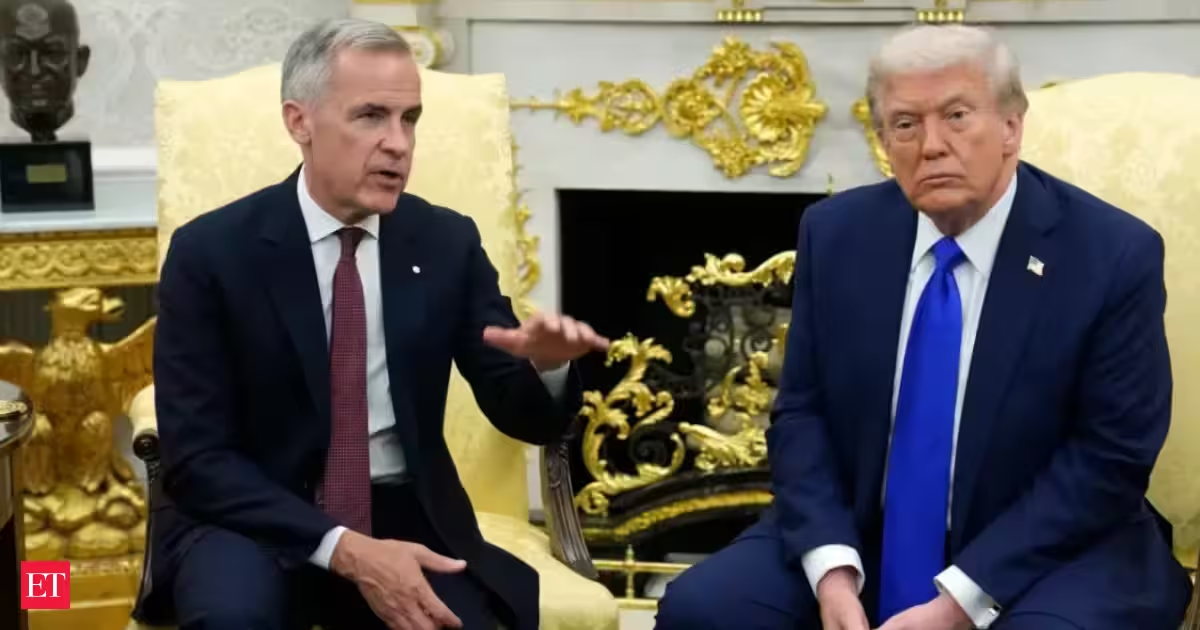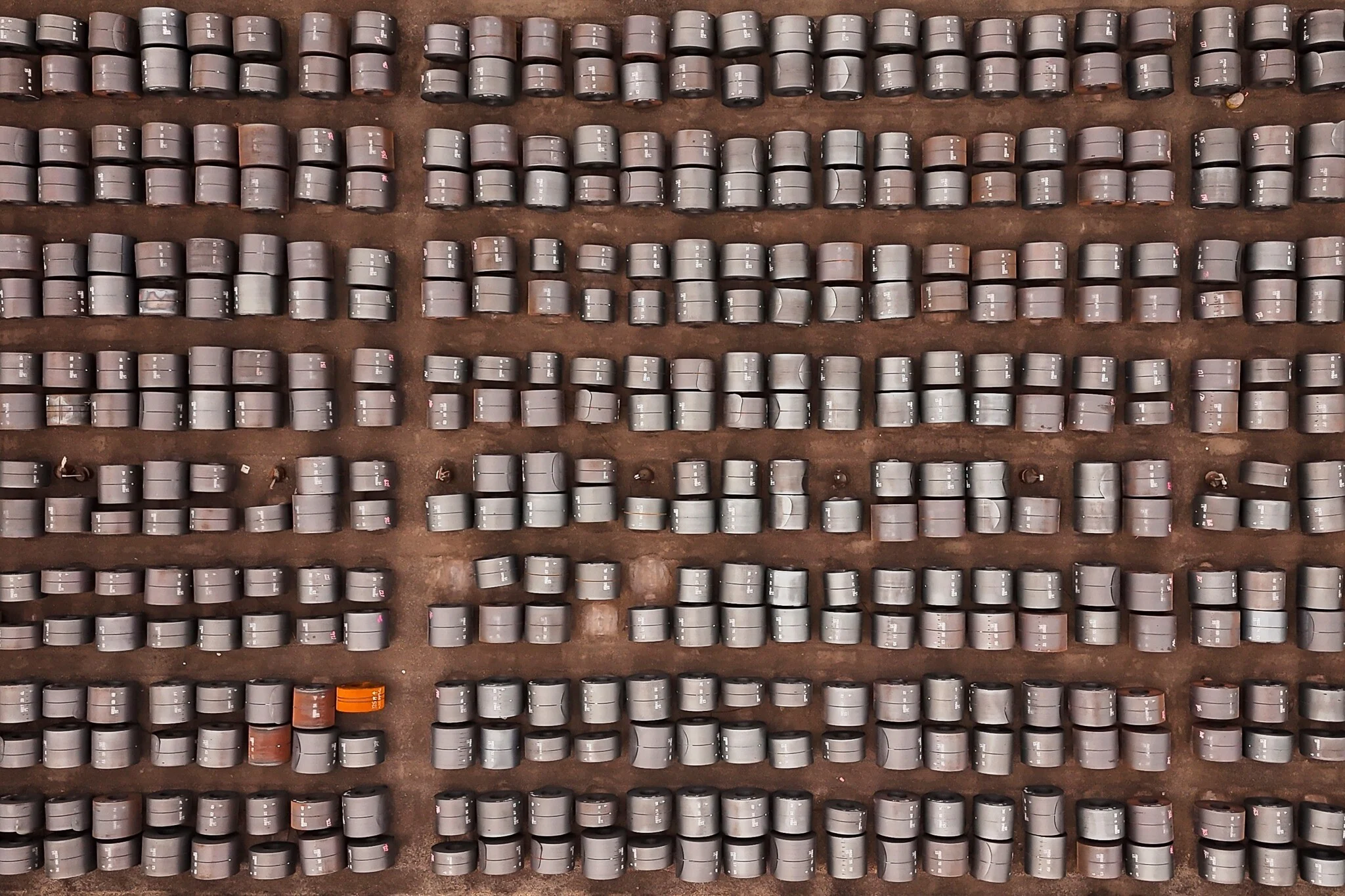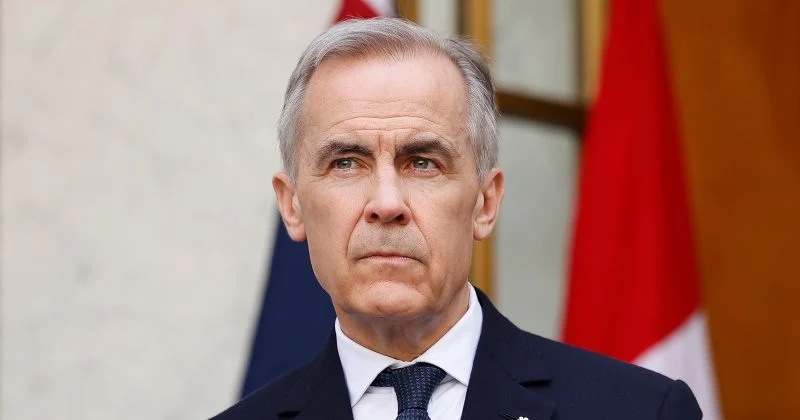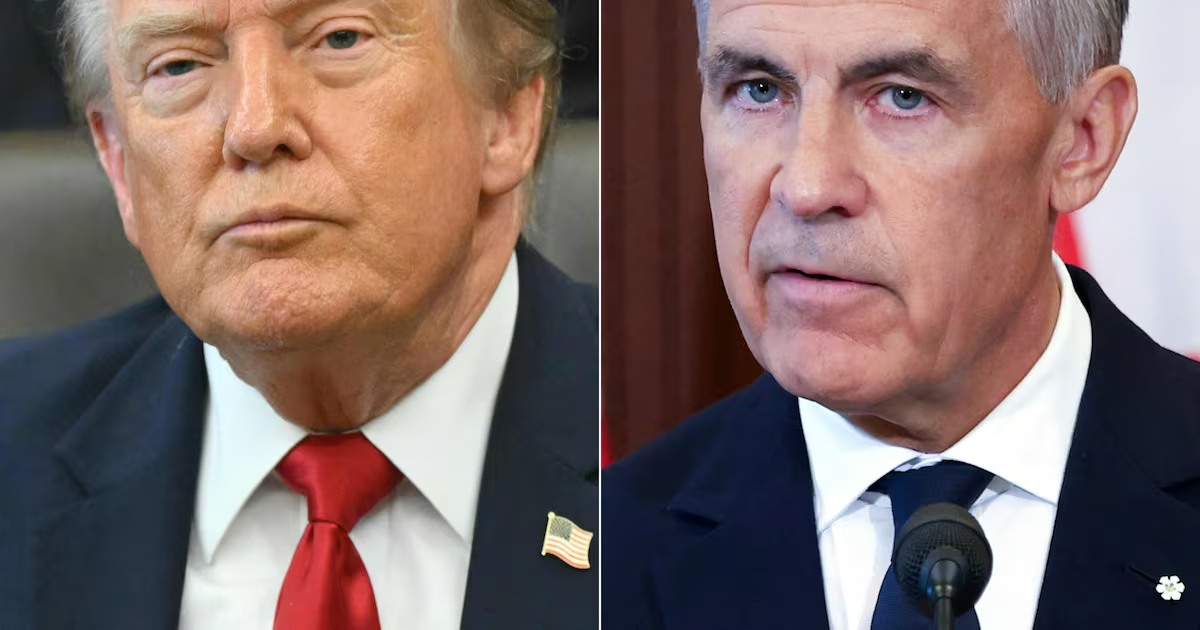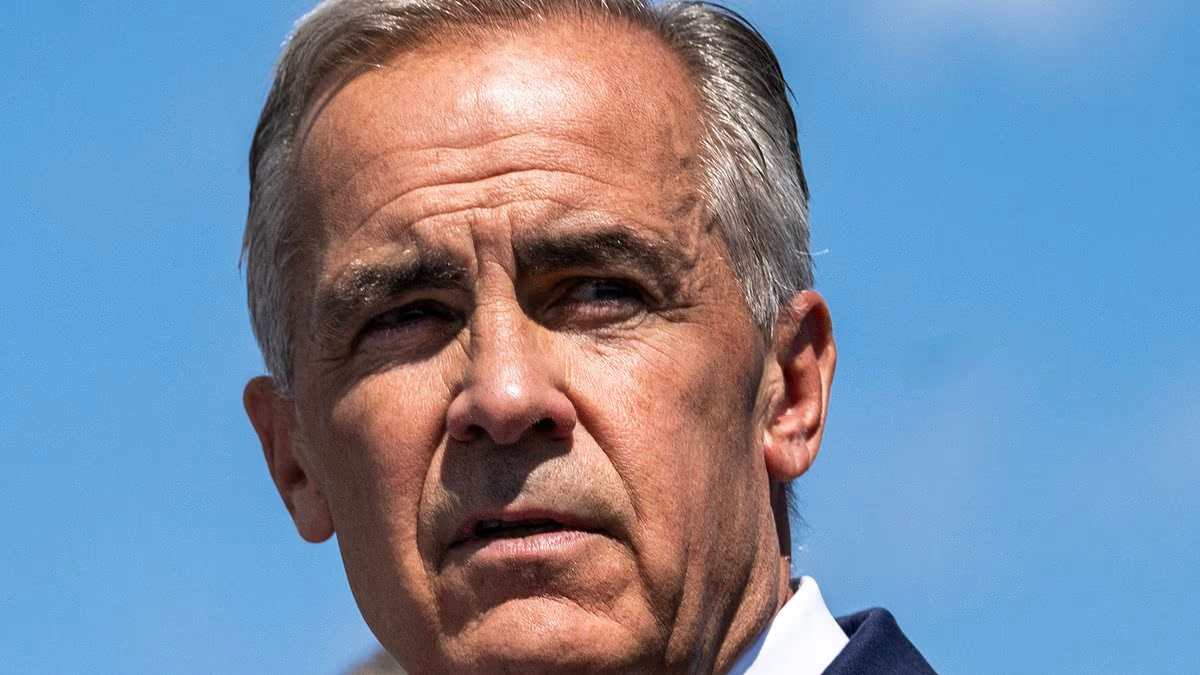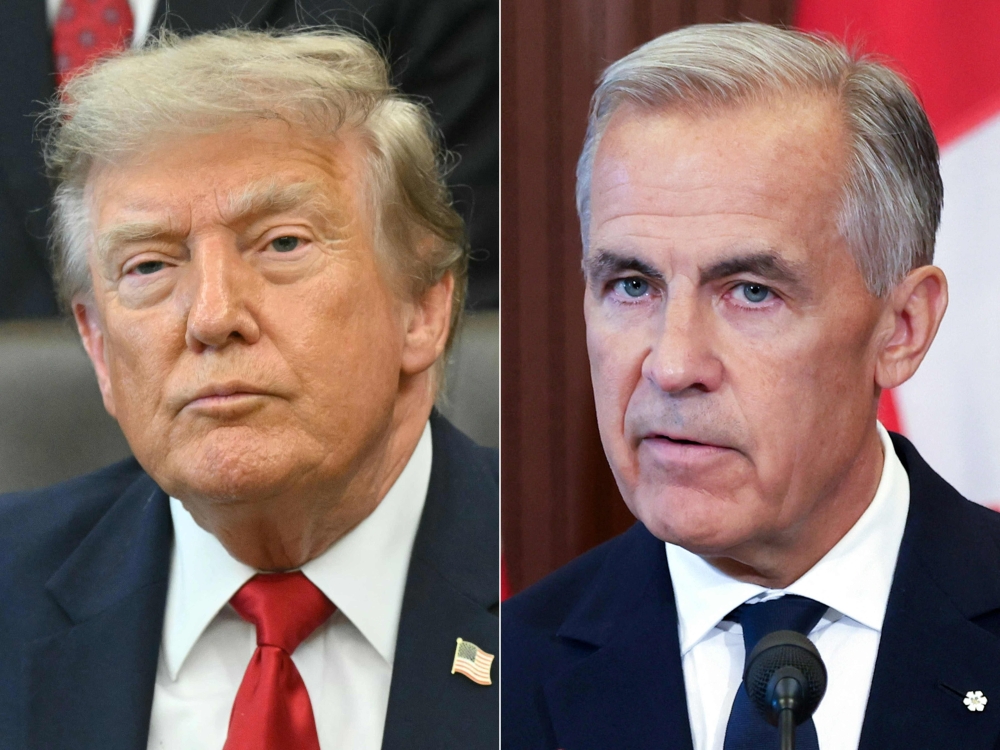
Canada announced Tuesday that it will impose roughly $20 billion in retaliatory tariffs on American imports in response to President Donald Trump's 50% tariff on many of its goods after bilateral negotiations collapsed amid what Ottawa said were last-minute concessions that damaged the Canadian economy and intruded on its sovereignty.The government of center-left Canadian Prime Minister Mark Carney said its countermeasures will cover roughly C$27.6 billion ($20 billion) worth of American products, with tariffs ranging from 15% to 50% on hundreds of categories including steel, aluminum, appliances, clothing, seafood, electronics, furniture, and dairy. The measures are scheduled to take effect September 8. Ottawa also unveiled billions of dollars in assistance for workers and businesses expected to be hurt by the conflict."Canada must respond, and today we are, in a proportionate, targeted, and strategic way," Canadian Finance Minister François-Philippe Champagne said during a press conference in Ottawa. "Today I'm announcing that Canada will match the United States tariffs dollar for dollar, rate for rate.""Canada's counter-tariffs are designed primarily to provide protection for Canadian industry impacted by US tariffs and allow them to compete against US products in the Canadian market," he added. "It's all about fairness, it's all about a level playing field, it's all about supporting Canadian workers and Canadian businesses."It's also apparently about political calculation ahead of November's midterm elections, in which the congressional balance of power—and therefore Trump's ability to pursue his agenda—is at stake. The administration's trade war with Canada is hitting industries concentrated in states where Republicans are fighting to defend vulnerable US Senate seats, including Maine's lobster industry and Michigan's auto sector, while Ohio and other Midwestern states face exposure via cross-border manufacturing and supply chains. On Monday, Trump told Canadian leaders to "fall in line" or face "far WORSE" consequences than the new tariffs.Carney retorted that Canadians are not "going to accept" an "attitude at the negotiation table that Canada is a subsidiary of the United States."Canadian anger toward Trump has surged as the US president has repeatedly threatened Canada's sovereignty, including his frequent talk of making Canada the "51st state." Canadian political leaders and labor organizations have largely rallied behind a tougher response, while a growing grassroots boycott of US products has become a symbol of national resistance."Canadians understand that maintaining our sovereignty and independence will entail consequences and sacrifices," Calgary-based commentator Jen Gerson wrote Tuesday in The Guardian. "We did not bring this trade war on ourselves; we have merely refused to comply in advance to the unreasonable demands of a bad-faith actor. We will be punished for it. We have accepted this.""If nothing else, let the [United States'] retaliation be a warning to the rest of the Western alliance," Gerson added. "Run, run. Protect yourselves. Move faster."Trump—the self-proclaimed “peace president" who has attacked more countries than any other US leader in modern history—has menaced a string of allies. He's threatened to retake the Panama Canal, launch armed attacks on Colombia and Mexico, "bomb the shit" out of Oman, and take over Greenland.Longtime US allies have taken notice—and action. Just as Russia's invasion of Ukraine spooked Sweden and Finland into the North Atlantic Treaty Organization, Trump's erratic aggression has pushed other countries in directions once thought highly unlikely. European Union membership for Iceland, long a politically moribund proposition, is now politically plausible amid developments including Trump's Arctic saber-rattling. US tariff pressure on India is even incentivizing India to seek closer economic ties with China, a traditional adversary.Trump's increasingly aggressive and condescending rhetoric has left many Canadians feeling like their relationship with their southern neighbor has irreparably changed."America has changed, and... we will not return to our old relationship," Carney said after Trump announced the 50% tariffs over the weekend."You’re at war when you get attacked," the prime minister also said. "We got attacked."Such rhetoric was once the realm of comedy, like the 1995 satirical film Canadian Bacon, directed by Michael Moore and starring John Candy and Dan Aykroyd, about a struggling US president who manufactures a shooting war with Canada, invasion and all, in hopes of rallying Americans around a foreign enemy.The premise was absurd because the notion of Washington deliberately provoking its peaceful northern neighbor into war seemed preposterous. Many critics have noted that under Trump, absurdity has become the new normal. On Tuesday, Trump said he's considering changing the name of Lake Ontario to "Lake America," because, as one Bluesky account noted, "Trump likes to slap the name of America on everything.""Gulf of Mexico? Gulf of America. Strait of Hormuz? Strait of America. Lake Ontario? Lake America," the account quipped, adding one more suggestion: "Epstein Island? America Island."
'Canada Must Respond': Ottawa Slaps Retaliatory Tariffs on US Goods After Trump Trade War Escalation | Common Dreams
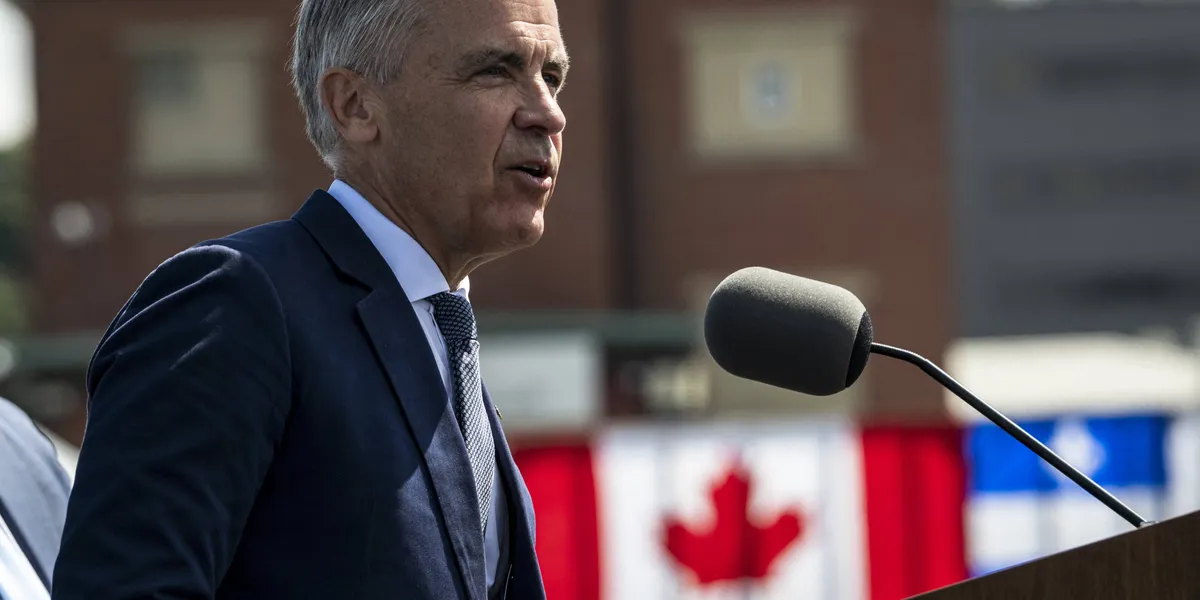
Canadian Prime Minister Mark Carney said his nation is not "going to accept" an "attitude at the negotiation table that Canada is a subsidiary of the United States."
768 words~3 min read