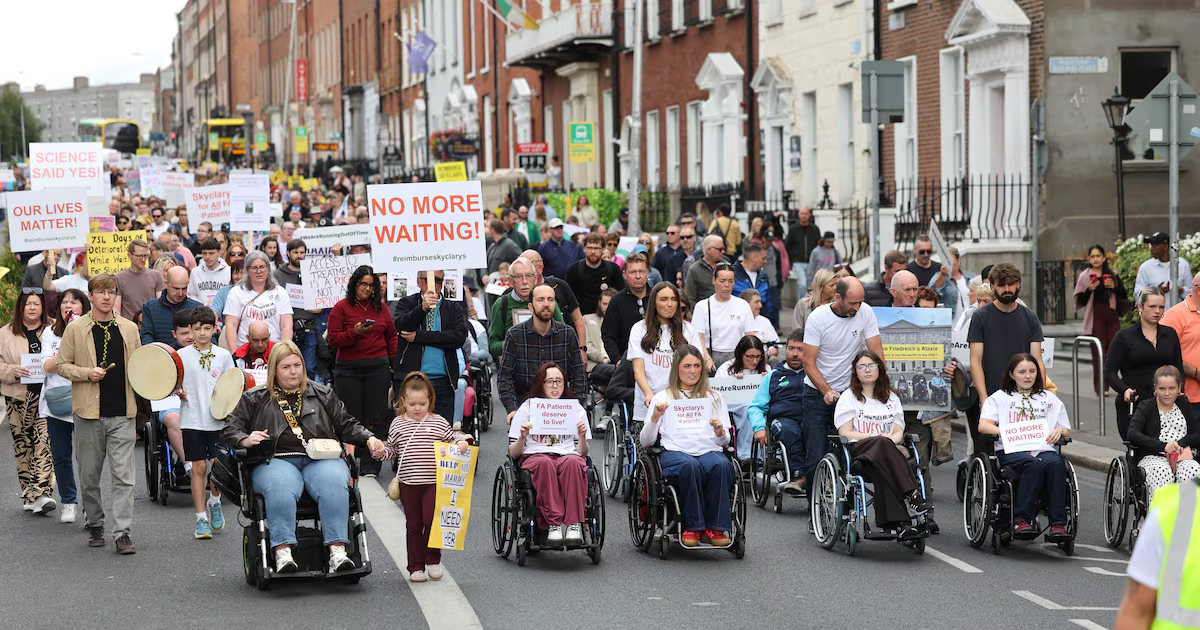
Everyone will welcome the decision by the HSE to provide the Skyclarys drug to those suffering from Friedreich’s ataxia, which causes progressive damage to the nervous system. The stories told by those suffering from the disease and their parents in recent weeks underlined the terrible impact of this condition and the hope that the drug would provide. It is not, unfortunately, a cure, but is the first treatment available which can slow the progress of Friedreich’s ataxia.The decision was reached after what the HSE said was a “substantial reduction in the asking price” from drug company Biogen. The HSE had looked likely to refuse to reimburse the drug on the basis of the previous offer from the company, leading to protests and a major rally last Sunday.The process underlines two things. One is the difficulty in making decisions on the availability of drugs, particularly for those with rare diseases and conditions where – because of the smaller market – costs tend to be much higher.Unfortunately there is no easy answer to the fundamental question of which drugs should be reimbursed and which should not be. The National Centre for Phamacoeconomics is charged with the unenviable task of advising the HSE, based on a clinical and cost assessment. The independence of this process must be protected. With a limit on resources, not everything can be approved.The Skyclarys saga also showed that change is needed in the negotiation and approval process. The drug was approved for use in Europe in 2024 and it has taken two years for it to become available here. There are questions here for the State, but also for Biogen, in relation to the drawn-out negotiations.And how was it that, at the eleventh hour, the company decided it was able to provide the drug at a much lower cost? The pharmaceutical companies claim they are pricing drugs based on the enormous cost of developing them. But HSE chief clinical officer Colm Henry told RTÉ yesterday that negotiations had led to a reduction in the cost of 26 drugs approved this year from €900 million over the next five years to €112 million. This raises serious questions about the basis of the initial amounts demanded by the companies – and about the whole negotiation process.The Government and the drug companies have signed a new framework agreement this year on drug provision, which is welcome. But its target of achieving the statutory target of making reimbursement decisions within 180 days by the first quarter of 2029 seems remarkably lacking in ambition. A consultancy study of the process is being commissioned by Government and this must aim for a system offering speed and clarity. Not every drug can be approved, but patients deserve a transparent process that seeks, where possible, to deliver new therapies as quickly as possible.
The Irish Times view on drug reimbursement: lessons from the Skyclarys saga
The process of negotiating drug reimbursements is opaque and drawn-out
467 words~2 min read