Turn any article into a podcast. Upgrade now to start listening.
Members can share articles with friends & family to bypass the paywall.
You’re reading Dispatch Energy, a regular dive into the politics, policy, and innovation shaping America’s energy future, featuring a roster of subject-matter experts including Alex Trembath, Philip Rossetti, Lynne Kiesling, Rory Johnston, and Roger Pielke Jr.
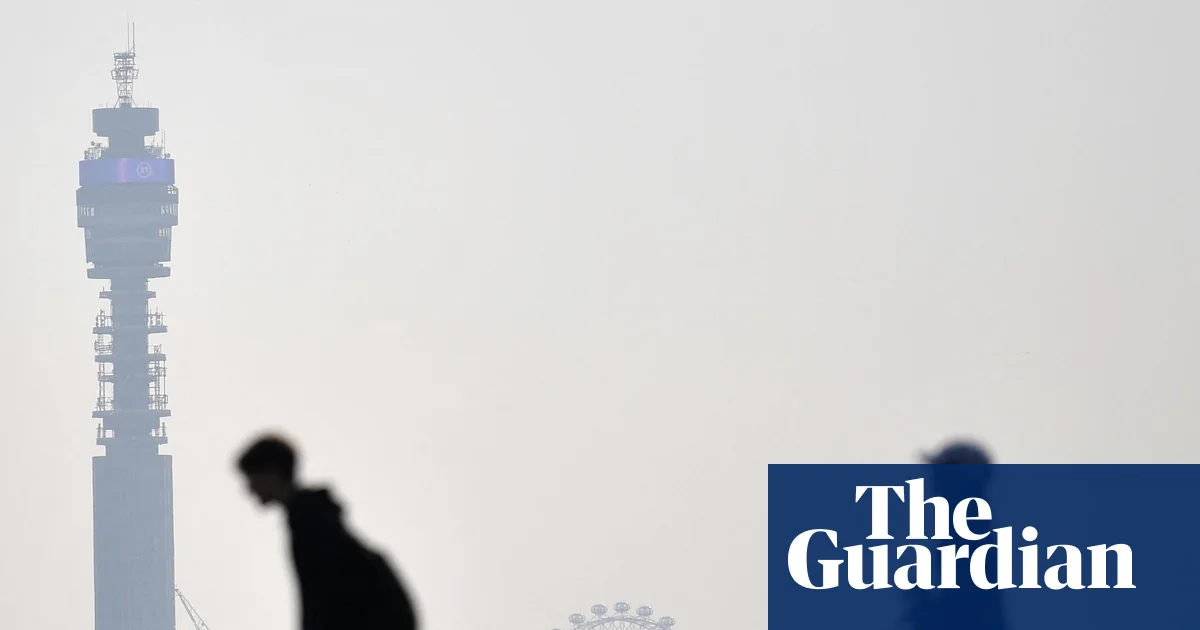
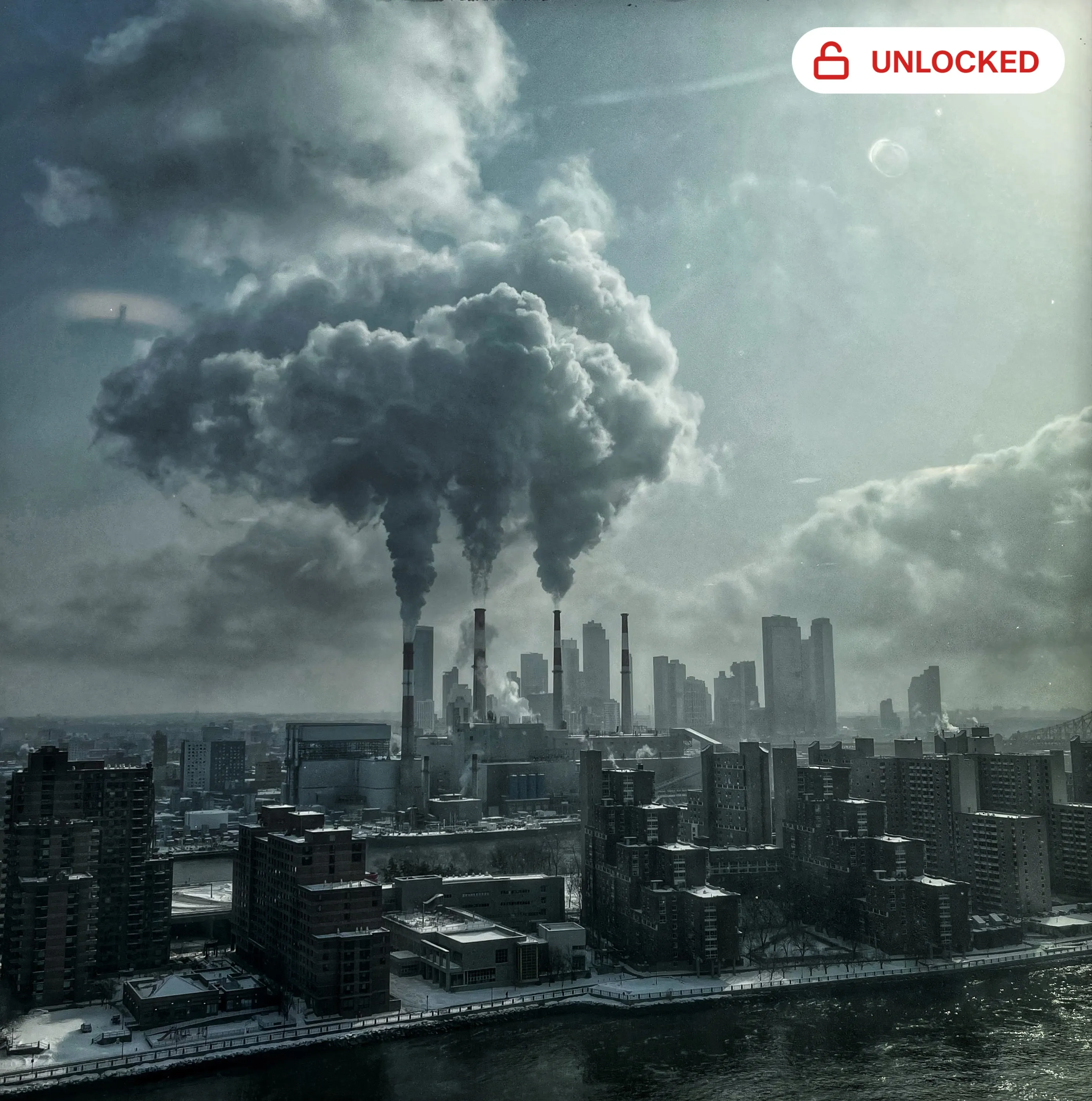
Welcome to Dispatch Energy! As summer wildfires bring smoke to communities across the country, now is a good time to consider what the United States can do to combat air pollution more generally. Spoiler alert: It’s not as simple as just expanding regulation.
I happen to live in a county that ranks among the worst in the nation for air quality. This means that unlike most Americans, I need to monitor air quality reports regularly to determine whether my child should be playing inside or on the playground. One would think that given how air pollution affects my life, I should be a fanatical crusader against all sources of air pollution. Indeed, one could say I—like nearly everyone—am quite opposed to polluted air, which the World Bank estimates has a global economic cost of between 4.7 and 6.5 percent of global GDP. But the analyst in me must concede that while air pollution is a problem, it is not one that is easily reckoned with, particularly given that the nation has already significantly cut air pollution emissions.