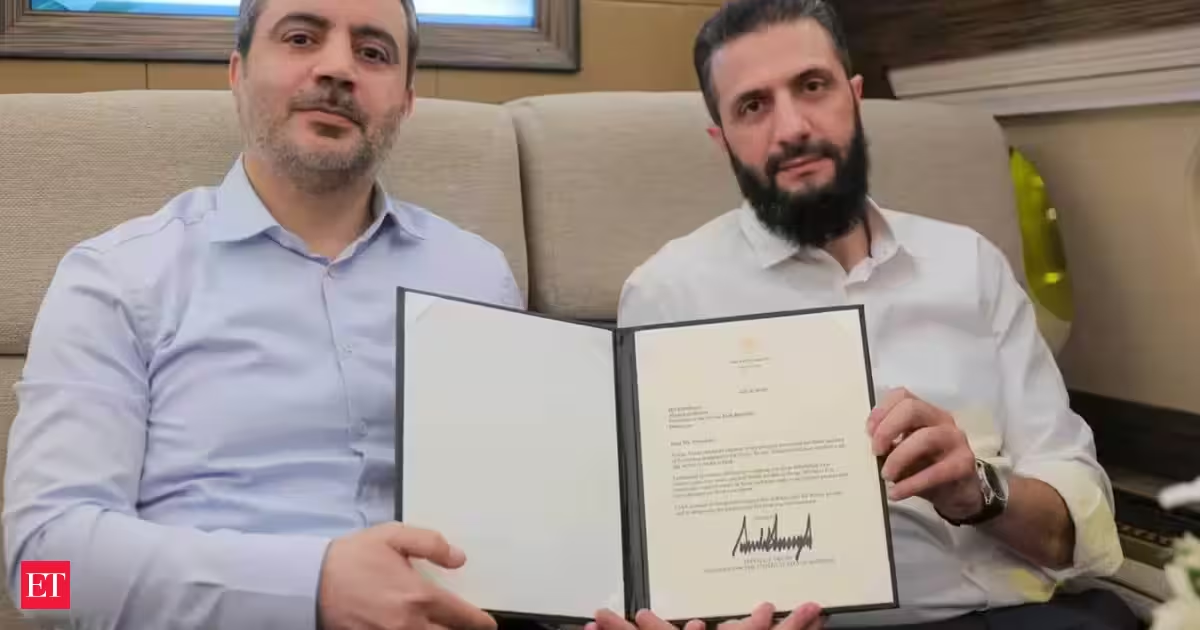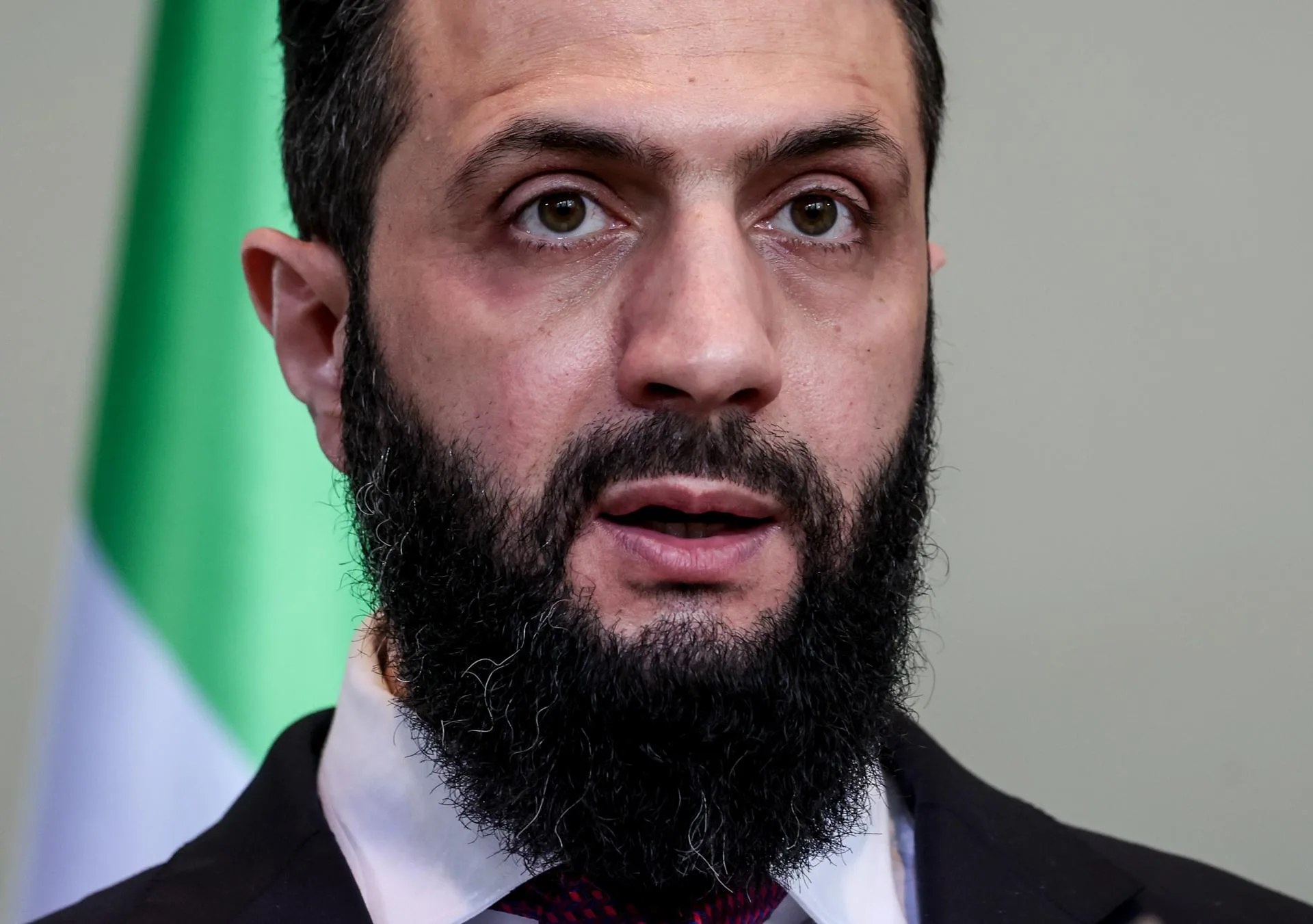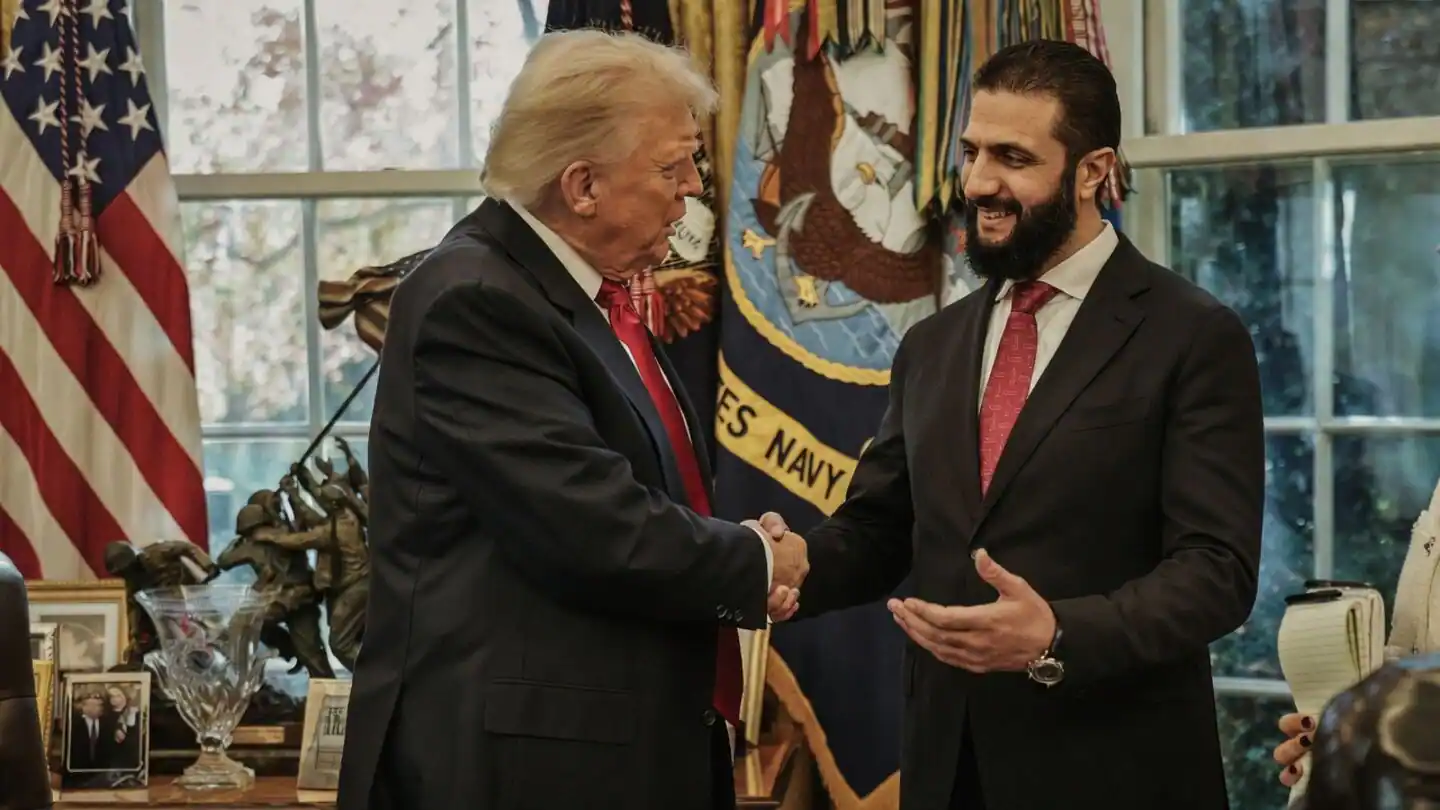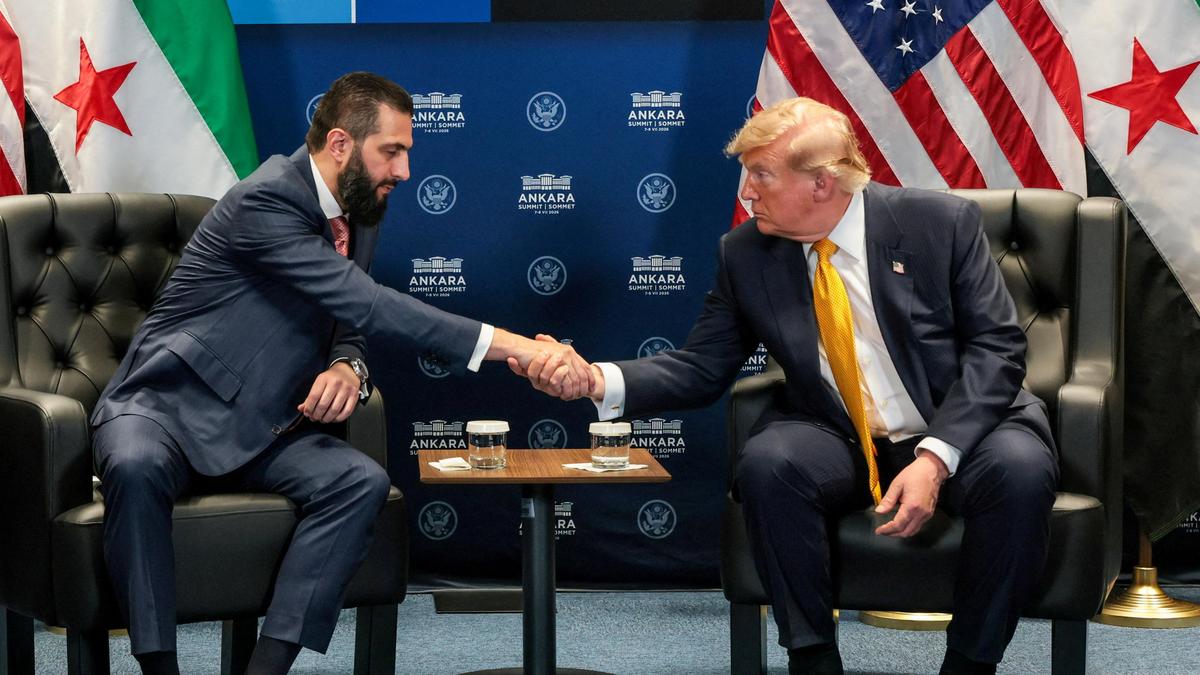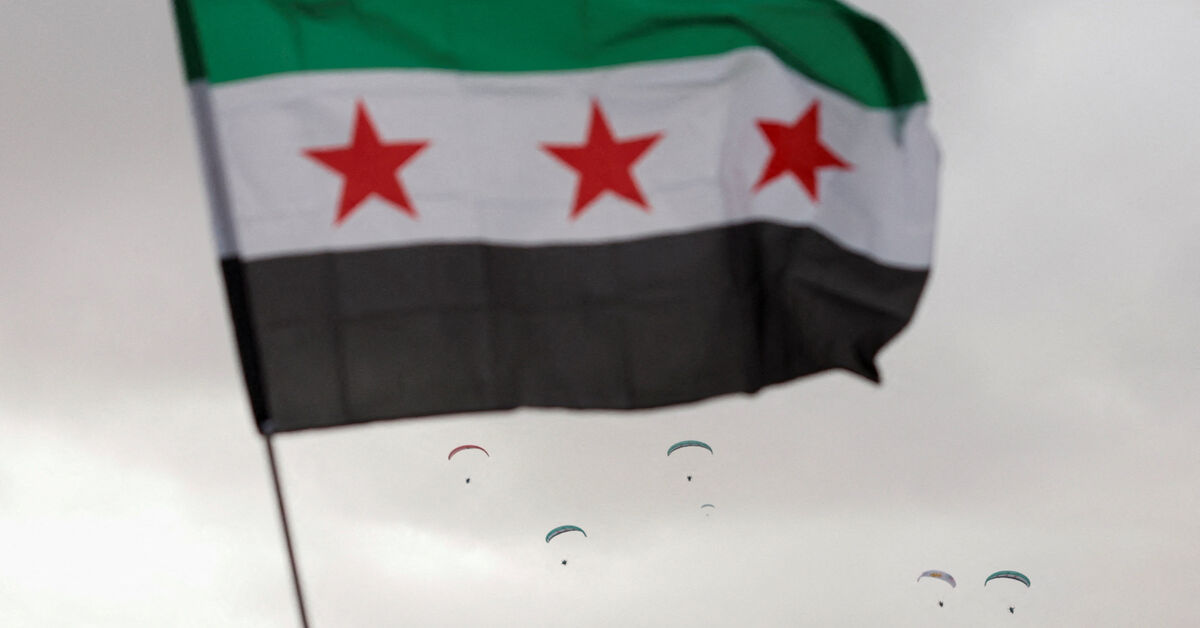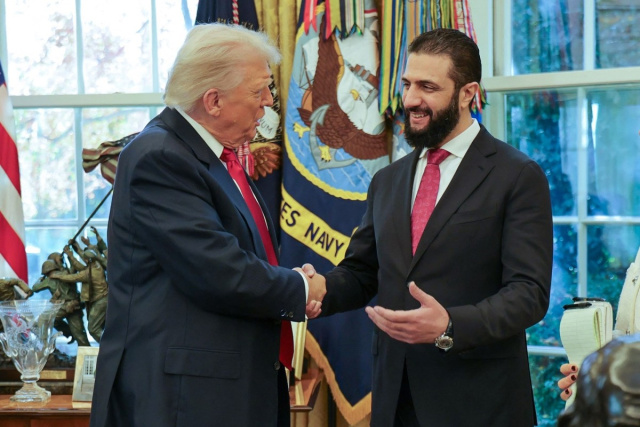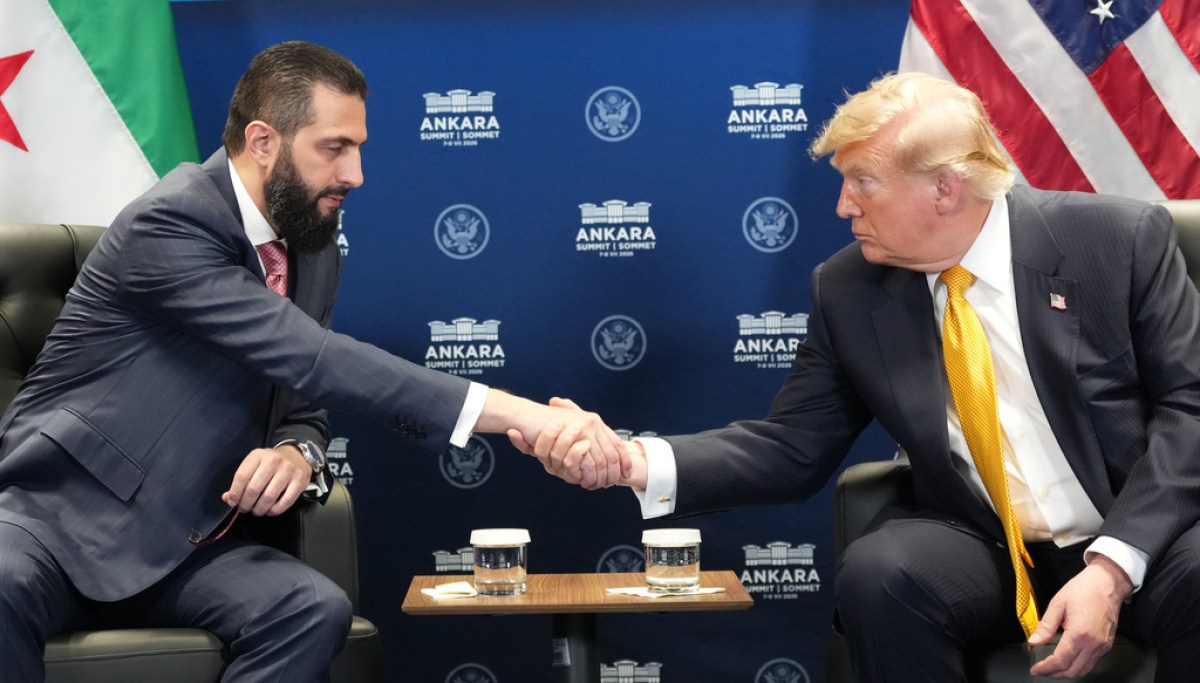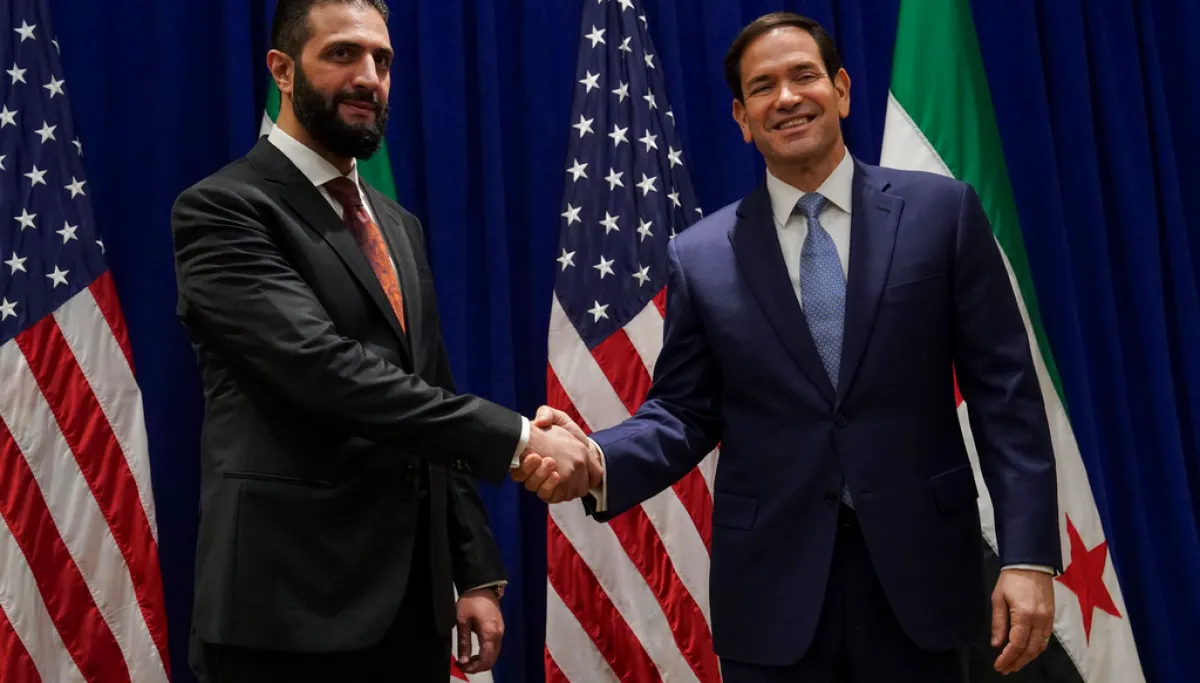
The United States has removed Syria from its list of state sponsors of terrorism. For the first time in nearly half a century, the Syrian government will no longer be a sanctioned entity. The consequences will be profound.On Aug. 24, Secretary of State Marco Rubio announced that Syria’s designation as a State Sponsor of Terrorism had been rescinded after a mandatory 45-day Congressional notification period. The State Department also announced the removal of Hay’at Tahrir al-Sham, HTS or “Organization for the Liberation of the Levant,” as a Specially Designated Global Terrorist Group.“These actions represent another historic step by President Trump to give the Syrian people a path to prosperity,” the State Department said in a press release, which also noted, “unprecedented steps” by the Trump administration to provide “sanctions relief for the benefit of the Syrian people.”
In June 2025, the White House issued an executive order that terminated the Syrian sanctions program and directed reviews of various Syria-related sanctions and terrorism designations. The Trump administration’s decision is noteworthy and represents a new U.S. approach to Syria and, arguably, the region. But it is also extremely risky.Syria is now led by Ahmed al Sharaa, also known by his nom de guerre Abu Mohammed al Julani. Al Sharaa led the Syrian opposition movement that toppled the Assad regime in December 2024. Hafez Assad and his son Bashar Assad had collectively ruled Syria for 54 years. No small feat in a country that experienced no fewer than seven successful military coups in its first 20 years. Together, the Assads ruled Syria with an iron fist, brutally quashing any dissent or threat to their power. Over the course of 27 days in February 1982, Hafez Assad, a wily former head of Syria’s Air Force, ordered the murder of as many as 40,000 Syrians in Hama, once a stronghold of the Muslim Brotherhood.Hafez Assad’s son, Bashar, a second son and an ophthalmologist by training, defied expectations and proved to be an even worse butcher than his father. Bashar Assad oversaw the murder of tens of thousands during Syria’s bloody 13-year-long civil war that erupted in 2011. Perhaps most infamously, entire families, including children, were gassed to death in chemical weapons attacks that sparked international condemnation but little to no action. SEAN DURNS: PEACE IN LEBANON? NOT IN OUR TIMEAssad’s feared security forces inflicted untold horrors on the country’s population, reportedly crushing children with cinder blocks and inserting rats into the orifices of women, as Michael Weiss and Hassan Hassan detailed in their 2016 bestselling book ISIS: Inside the Army of Terror. Assad’s men infamously threatened that the choice was simple: “Assad or we burn the country.” The country burned anyway. As many as 656,000 people are thought to have died in the conflict, which effectively broke the Levantine nation and empowered Iran, Russia, and jihadist groups the world over. The Syrian Civil War was a bloody crucible. It marked the return of Russia to the Middle East. And it provided an excuse for the Islamic Republic of Iran to expand its imperial holdings, with Tehran-backed Popular Mobilization Units committing atrocities of their own, at times with air support from the Obama administration in a fight against the Islamic State.To the West, Assad portrayed himself as an embattled ruler fighting terrorists. But he himself had released many of the jihadists from Syria’s prisons. Ultimately, Assad was an arsonist who was forced to put out fires that he himself started. His rule engulfed his country and the wider Middle East.Yet, Bashar Assad’s grip on power was always tenuous and propped up by foreign benefactors. In 2024, with Israel decimating Iranian proxies and Russia bogged down in its illegal invasion of Ukraine, Assad was easily ousted. Al Sharaa and his forces seized Damascus in an 11-day offensive. Today, Bashar Assad reportedly spends his days playing Candy Crush in exile in Moscow.For decades — indeed long before Hafez Assad took power in a 1970 coup — Syria had been a leading state sponsor of terrorist groups. When Yasser Arafat’s Fatah launched its first terrorist attack on Israel back in early 1965, it did so from Syrian soil. Many terrorist organizations were based in Syria, where they, along with a number of wanted Nazi war criminals, were allowed to operate and live freely, provided that they didn’t threaten the ruling government. Syria had also been a chief source of regional instability, invading and occupying its neighbor and sister state, Lebanon, and launching numerous unsuccessful wars against Israel. During the Cold War, Syria was the Soviet Union’s foremost ally in the region. But while Hafez had been careful not to become a supplicant, Bashar Assad had turned Syria into an Iranian and Russian satrapy. Syria was a key component of Iran’s “Resistance Axis” and constituted a very real threat to the U.S. and its allies.With this background, it is easy to see why the U.S. has changed its Syria policy. Al Sharaa is not Assad. Iranian influence in the country is diminished. And the U.S. senses an opportunity that has not existed for decades.There is another factor likely driving U.S. decision-making. Al Sharaa is closely allied with President Recep Tayyip Erdogan of Turkey and his AKP Party, a Muslim Brotherhood derivative. That is: While Iran has moved out, Turkey has moved in. It may only be a slight overstatement to say that Turkey now runs Syria. And Erdogan has imperialist ambitions of his own.SEAN DURNS: TURKEY IS THE REAL WINNER IN THE MIDDLE EAST’S LATEST WARTurkish power is expanding while Iran’s has diminished. Trump seeks to accommodate a country that is a NATO ally and which has a very capable military and intelligence service. Turkey has also sold itself as a counterweight to its historic enemy, Russia, and as a Sunni offset to Shia Iran.All of this helps explain the Trump administration’s concerted effort to try to welcome Al Sharaa into the fold. But in the Middle East, things are never so simple.HTS is an offshoot of al Qaeda. And Al Sharaa was one of the foremost jihadists of his generation. He joined al Qaeda in Iraq, the progenitor of ISIS, in 2003 and fought against U.S. and coalition troops. He was eventually captured by U.S. forces and spent years in U.S. military detention before being released in 2011. He soon returned to the jihad.Now Al Sharaa wears a suit. In September 2025, he became the first Syrian head of state to address the United Nations in nearly six decades. That November, in a historic White House visit, he famously laughed with President Donald Trump, who gifted him with a “Victory” cologne.Yet, religious minorities, notably Druze, have faced persecution in the new Syria. An analysis of Syrian educational textbooks by the Alma Center found “consistent messages of religious, jihadist, and anti-Israel indoctrination, beginning as early as kindergarten.” Many of the new government’s top Cabinet ministers and military leaders are former operatives of al Qaeda and other Islamist movements.The question that now looms is an old one: Can a leopard change its spots? Al Sharaa has demonstrated a degree of pragmatism and proven himself a cunning and capable leader. But the U.S. should hold no illusions about who it is dealing with.Another old saying, particularly popular among U.S. and Israeli practitioners in the Middle East, has it that “better the devil you know than the devil you don’t.” The saying leads to a risk-averse mentality that, if unintentionally, has helped prop up Hamas and other despots. But it’s popular for a reason: Those who rule in the region are seldom angels.