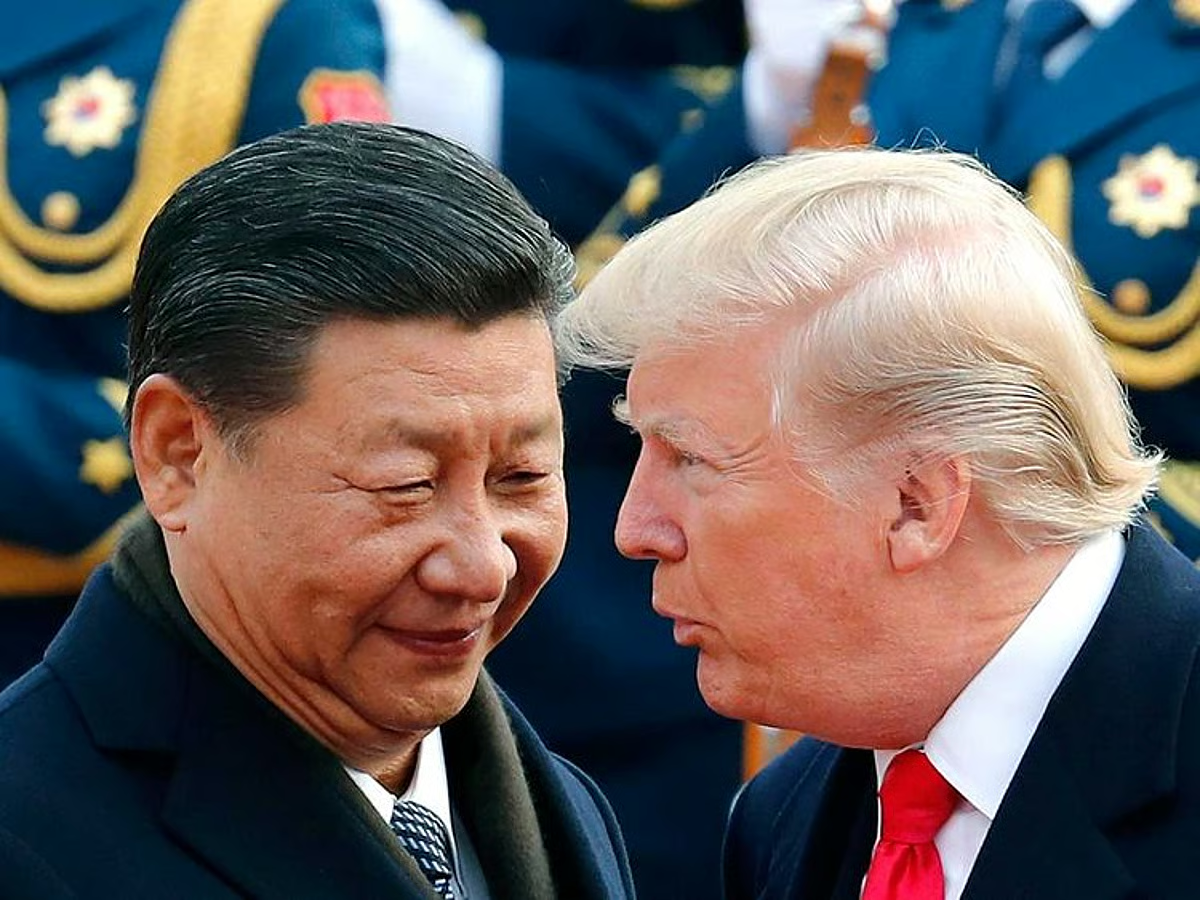
If the best way to get Iran to bend to America’s will is the imposition of unprecedented financial sanctions – an “economic D-Day” – then the obvious question arises: what was the point, in Trump-speak, of bombing the hell out of them, destroying their antiquated conventional forces and threatening the death of a “whole civilisation”?Indeed, anyone might wonder why, six months ago, the US joined in Israel’s campaign against its implacable enemy in the first place, given that, before that strategic blunder, the Strait of Hormuz was open to shipping, the supply of oil and natural gas was normal, and the whole world was looking forward to some economic growth for a change.Though Donald Trump would obviously never admit it, this latest development in the struggle for regional supremacy is an effective admission that the war has failed in its primary objectives.Iran is not free from the rule of the ayatollahs and the Revolutionary Guard – and more militant elements have gained the upper hand since the assassination of the old supreme leader. The Iranian people are therefore not free.Iran still has nuclear “dust”, as Trump terms it. It still controls its terrorist proxies, of which the Houthis are still capable of causing more economic damage at the entrance to the Red Sea and, ultimately, the Suez Canal. The US has not forced Tehran into “unconditional surrender”. Iran can hit US bases and other targets in the Gulf states, Iraq and Jordan almost at will, including with drones.And, contrary to White House boasts, the Strait is under tighter Iranian control than ever. Iran still holds the world economy hostage. In its portentous global scale, Trump’s little “excursion” in the Persian Gulf is a blow to US prestige, and a far bigger economic disaster than the loss of Vietnam or the attack on Pearl Harbor. And so matters Iranian are now being managed by the secretary to the treasury, Scott Bessent, rather than the secretary of defence, Pete Hegseth. Economists, central bankers and trade experts – rather than pilots, generals and admirals – are making the running so far as US policy is concerned, and the USS Abraham Lincoln is off for shore leave in Thailand after seven months in the region (the George Washington is filling the gap, but likely not going to be the base for yet more ineffective air raids).Bessent, presumably with presidential acquiescence, has said the opening up of the new economic front in the conflict means it will minimise the need for a “large-scale kinetic restart” of the conflict.This may explain why the market reaction to the change of tack has been so benign. The oil price is down, equities are up, and even the troubled US bond market is steady. The betting seems to be that the tilt away from violence and towards manipulating financial channels and threatening foreign governments who are trading with Iran will prove less hazardous than more bombing raids and retaliatory strikes by Iran and its supporters.But will Bessent and his officials succeed where Hegseth and his warriors failed?It would be easier to say if Bessent weren’t so Delphic in his statements, and the world knew exactly what he had in mind. In particular, how is he going to persuade, or coerce, China, India, and Japan to risk losing a substantial proportion of their energy and petrochemical supplies and thus damaging their own economies just to help Trump out of a trap of his own making?It is beyond ironic that Bessent is trying to prop up the yen and the Japanese economy at the same time he’s also restricting their oil imports, thus boosting inflation. The Americans are also pushing their luck if they think they can dictate trade policy to Xi and Modi, still less to Putin, whose relationship with the Iranian leadership is both close and dangerous to European security. At this potential turning point in the war, the interim judgement on Trump’s gamble is clear: lives lost, billions spent, and munitions exhausted for nothing.All America has achieved is to gift Iran a stranglehold on Western energy supplies – a weapon far more valuable and of vastly more practical “everyday” use than any number of nuclear warheads (though Tehran may yet acquire those, too, via Russia and North Korea). Unfortunately for Trump and his party, that verdict is increasingly echoed by America’s voters, and they will make their disappointments clear at the elections in November. Perhaps then, with a more assertive Congress, this catastrophic war can be concluded before even more damage is done.With Democratic control of both houses, impeachment proceedings against Trump can resume, and what remains of his presidency will be a rather futile exercise. Such a prospect should at least concentrate the president’s mind.
America’s might has failed in Iran – an ‘economic D-Day’ is unlikely to succeed
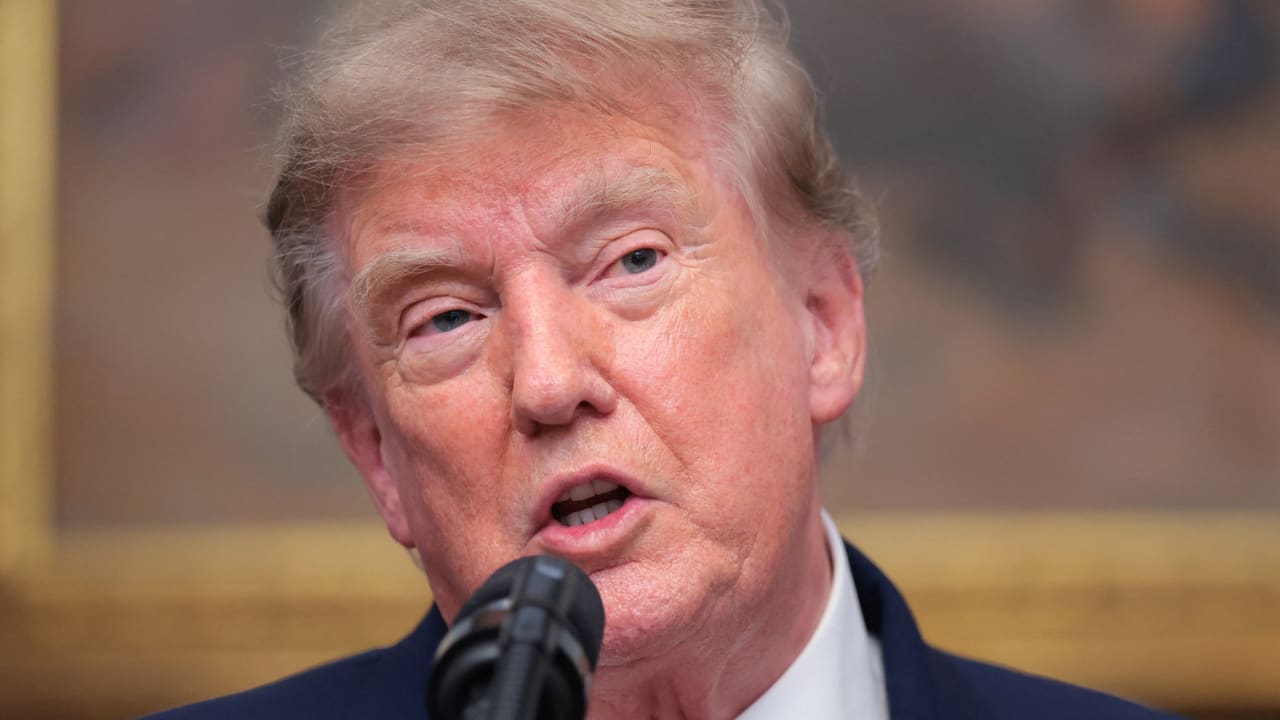
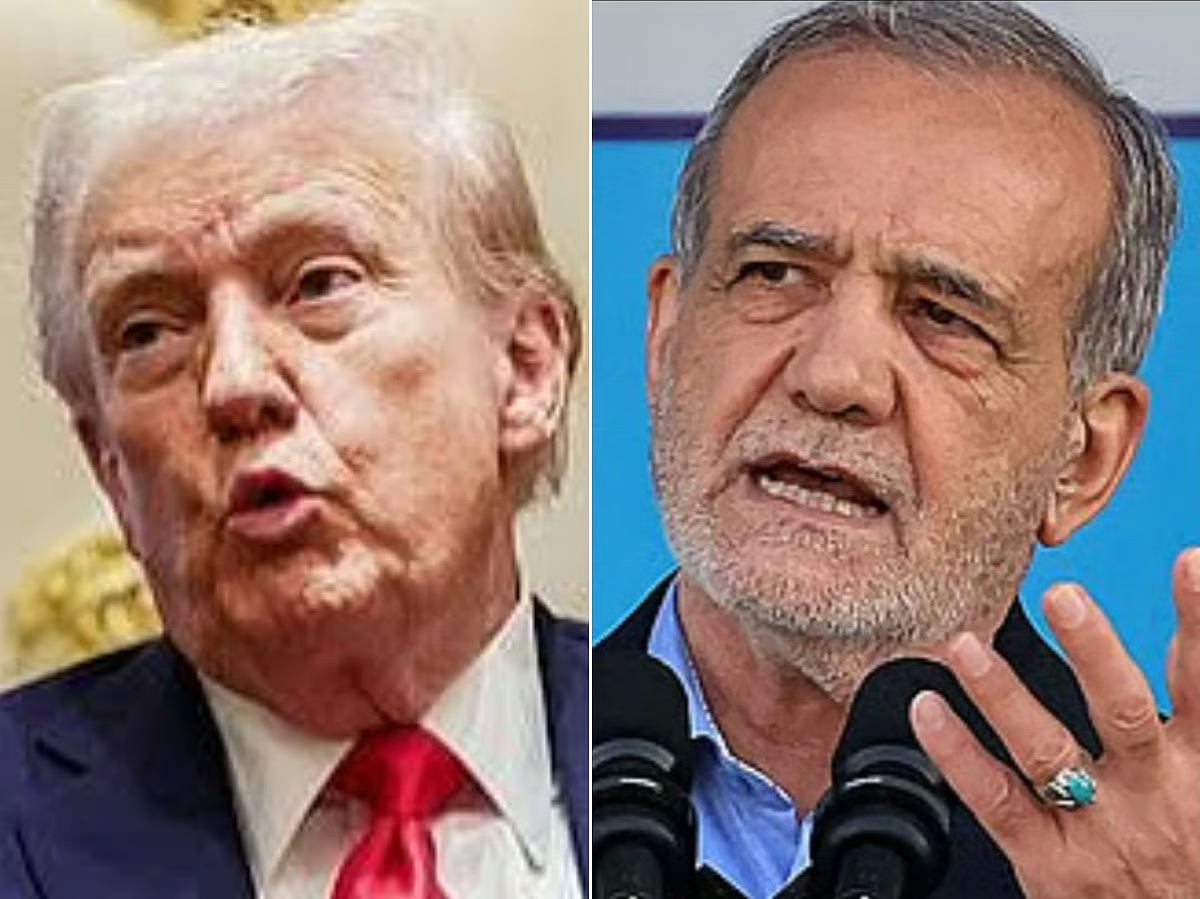
Editorial: As Donald Trump opens a new front in his Middle East war, it has become clear the foray is a bigger disaster for the United States than Vietnam or Pearl Harbor
788 words~4 min read