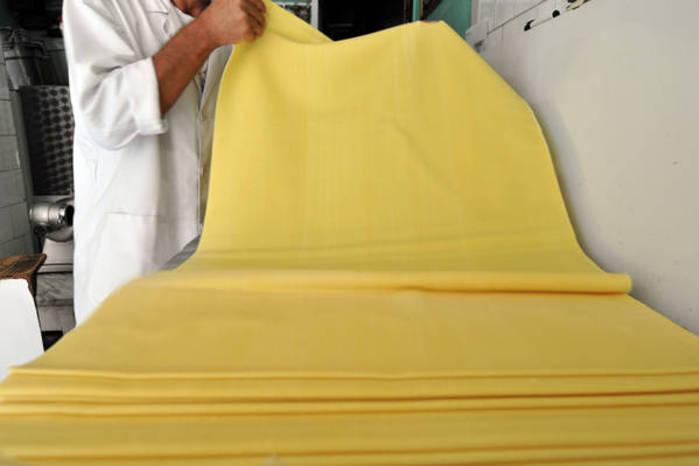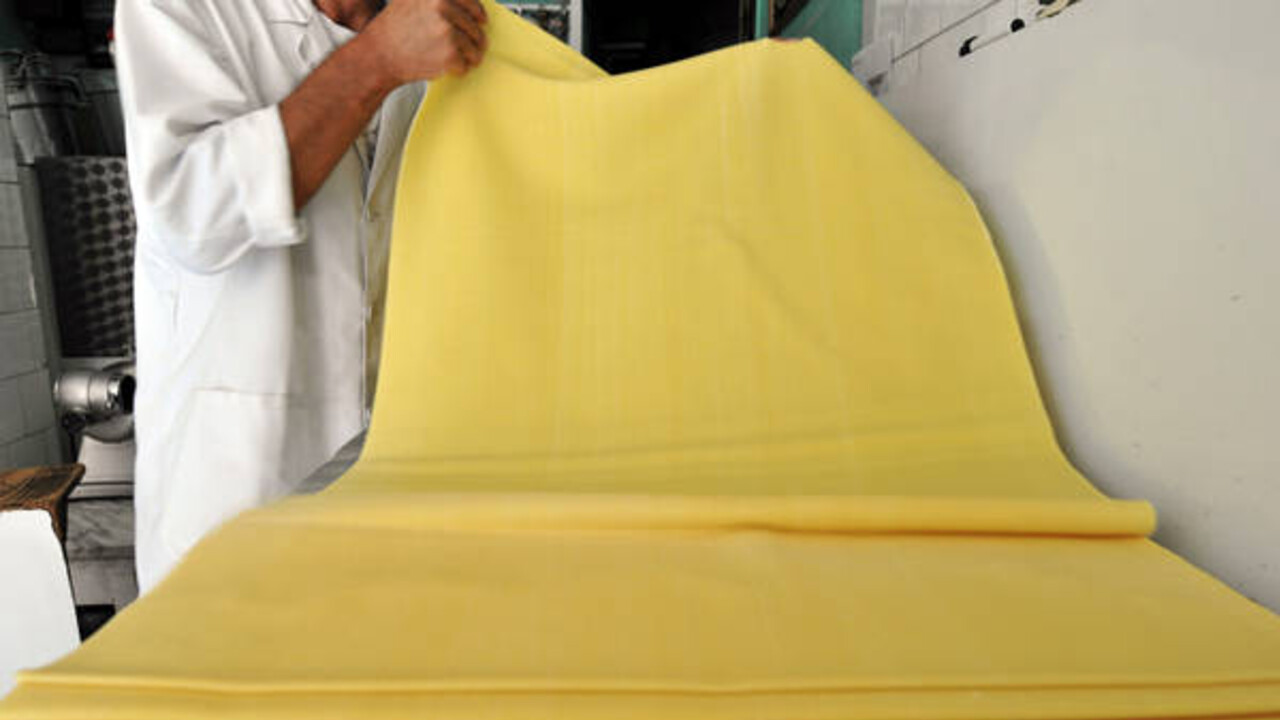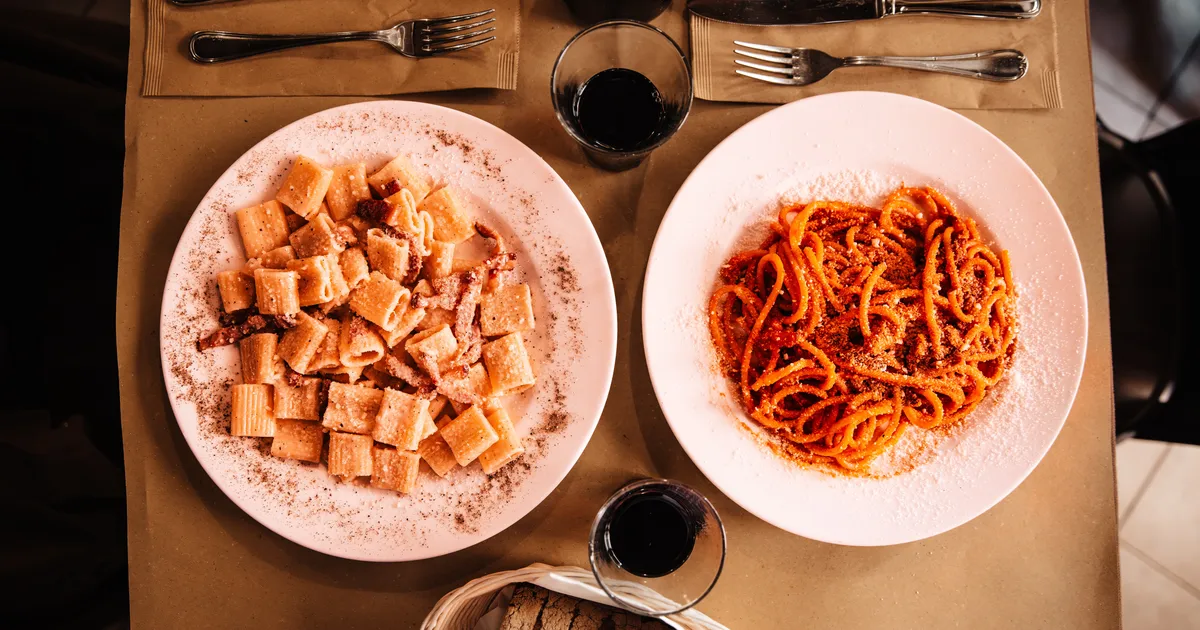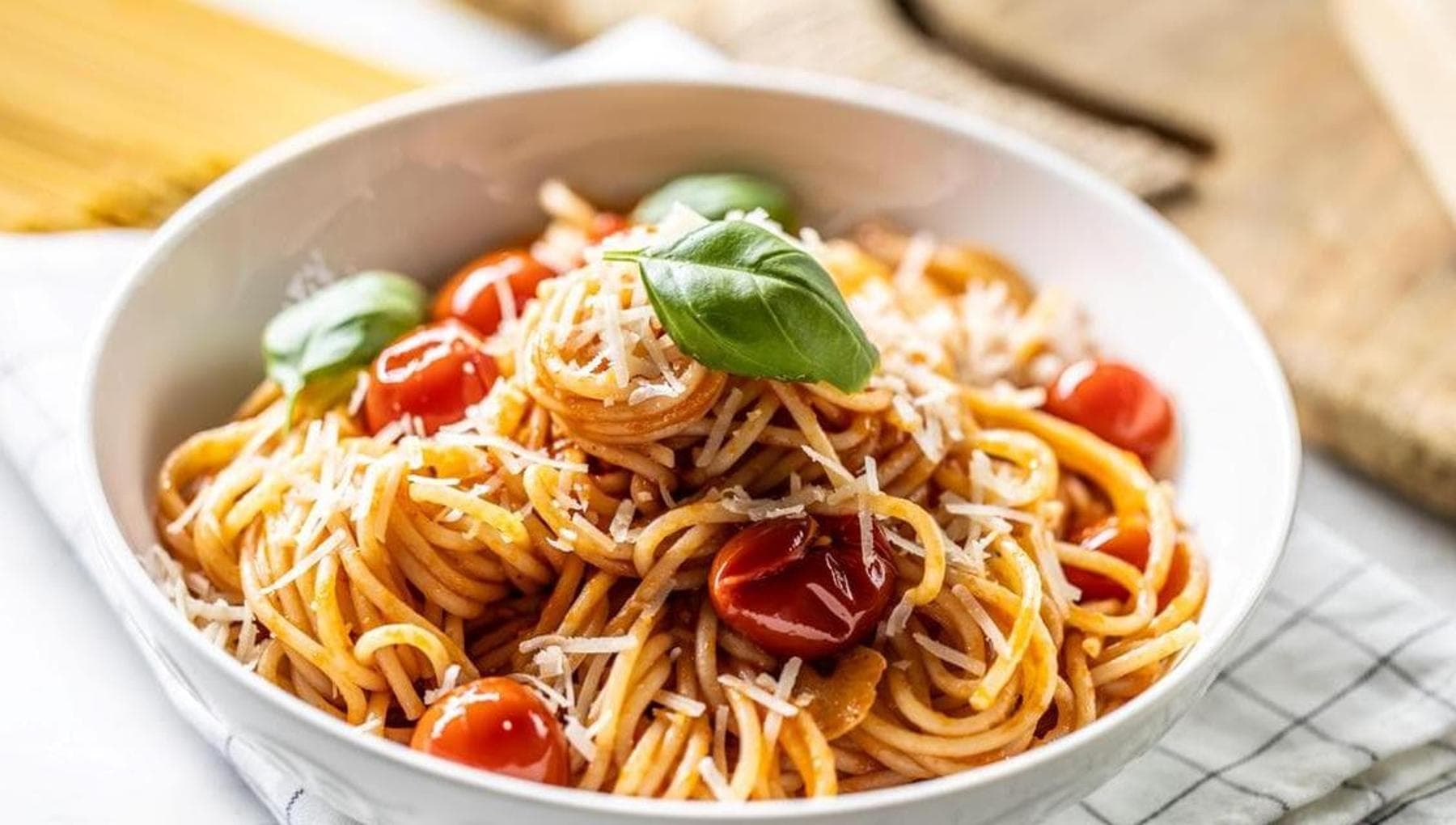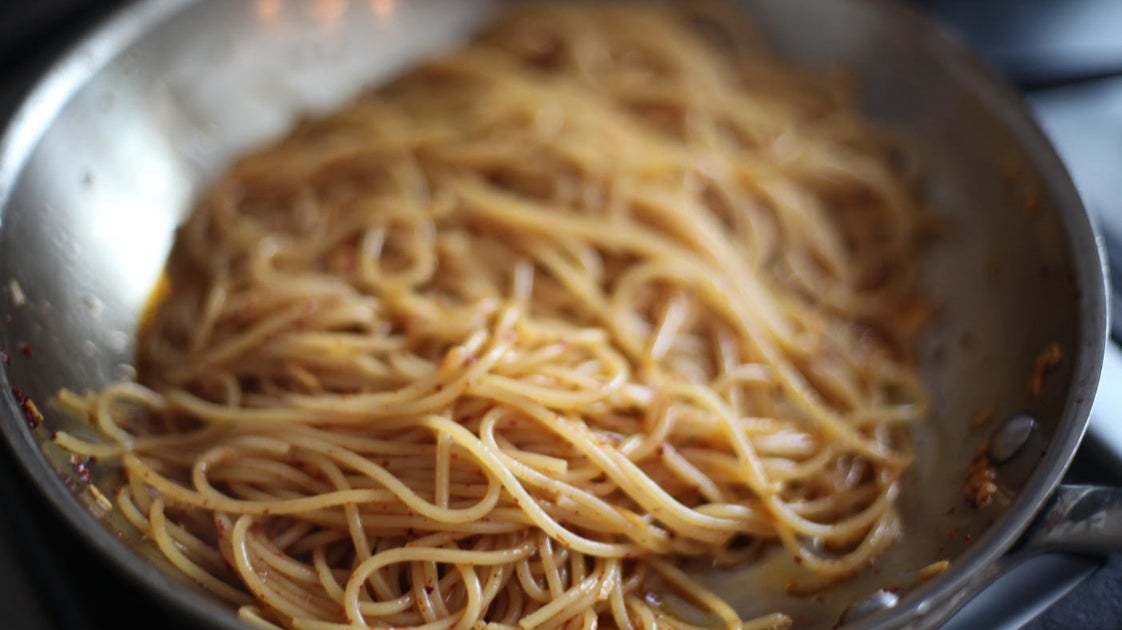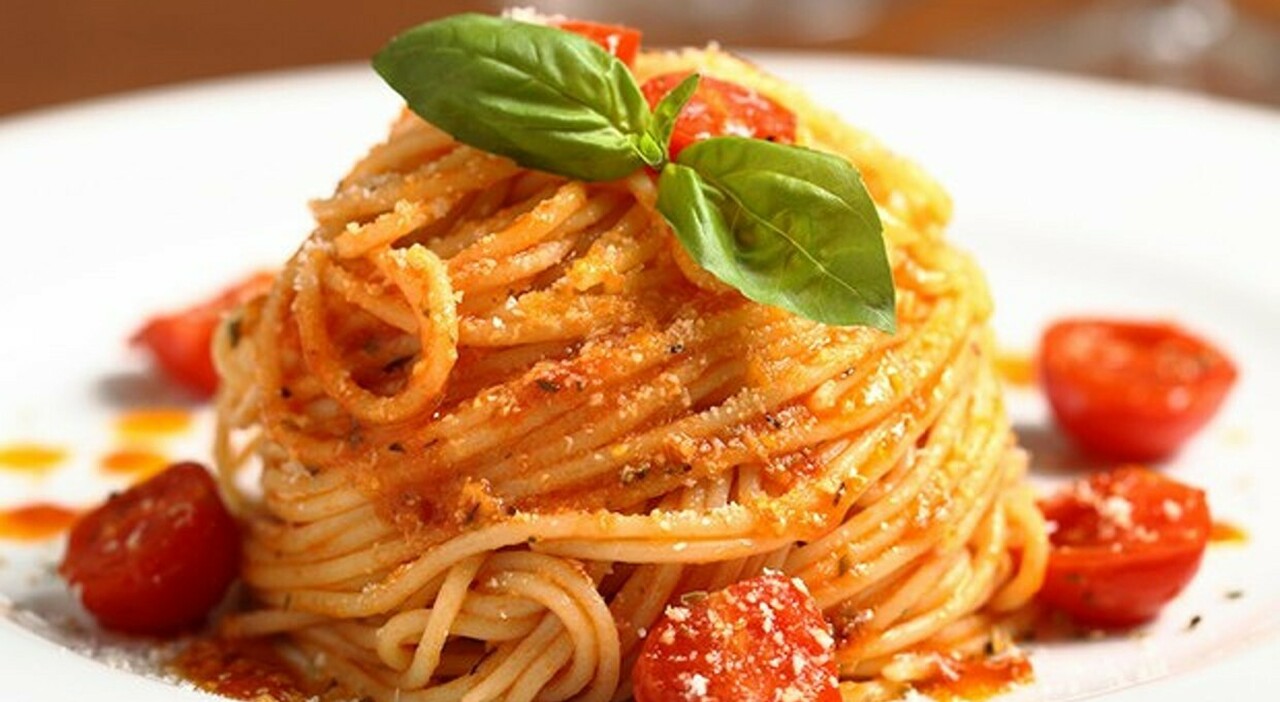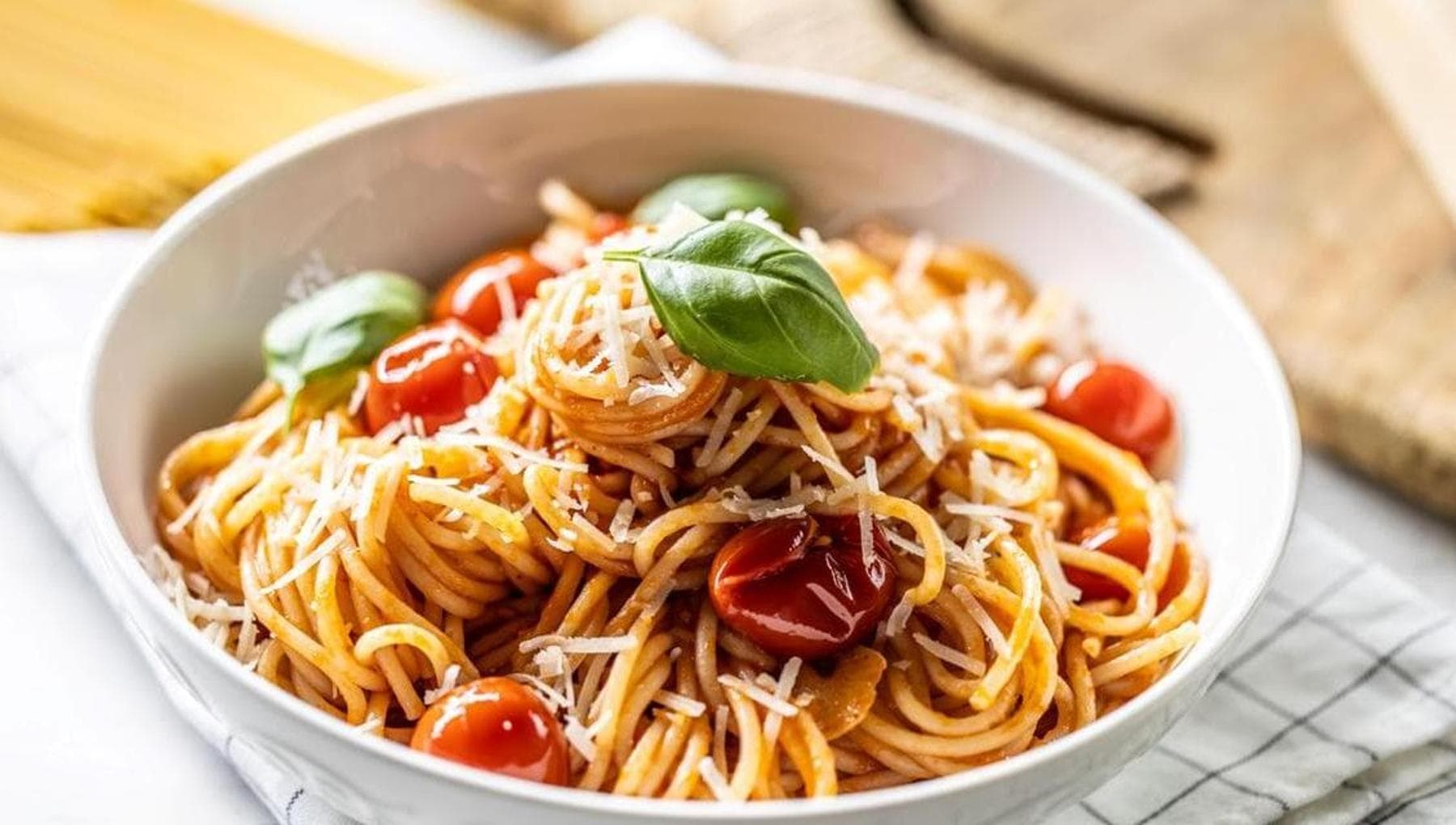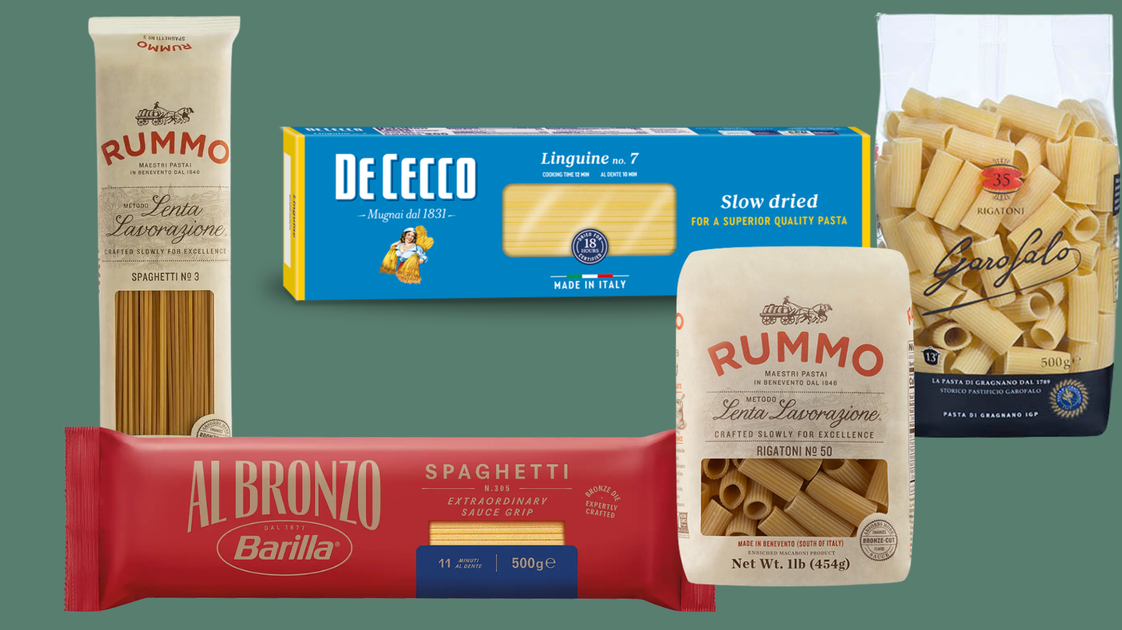
Pasta is a staple of Italian cuisine, but not all brands are worth buying. Some products break apart in the box easily or turn to mush before you get them on your plate. A poor-quality pasta can’t be saved no matter how flavorful your sauce is or how closely you followed your Nonna’s recipe.And speaking of flavor, all pasta tastes the same, right? That was the subject of a debate between “Jersey Shore’s” Pauly D and his girlfriend Nikki Hall, who claimed that pasta comes in different shapes, but it’s all the same. To prove her wrong, Pauly stages a taste test, ordering five different pasta dishes all cooked in the same sauce. He’s relieved when Nikki admits that pasta tastes different depending on the shape. Otherwise, he would’ve had to break up with her, he joked. If you’re still not convinced, we asked Italian chefs why pasta comes in different varieties and how this affects the flavor. We also asked them to recommend their favorite pasta brand to buy at the grocery store. Here’s what they said.Alexander Spatari via Getty ImagesNot all store-bought pastas are the same quality. Experts share which brands and qualities to look for.Factors That Make Pasta A Good Pasta“Pasta comes in a variety of shapes because it’s a tradition of each part of Italy, and also because of the sauce that goes with the pasta,” Paola Da Re, the founder and chef of Pasta Sisters, told HuffPost. Her daughter, Giorgia Sinatra, said that some shapes hold the sauce better depending on the type of flour used. For example, Da Re and Sinatra at their Italian restaurant, Pasta Sisters in Los Angeles, make their pasta with a double-zero flour that is 100% Italian grain. Likewise, PJ Monte, the culinary and creative director of Monte’s at the Manor, a family-owned Italian restaurant in Montauk, New York, and founder of Monte’s Fine Foods, a pizzeria, bakery and local food market in Portland, Maine, emphasized the importance of choosing a pasta made with a high-quality flour such as durum semolina. Some pasta brands contain more than 10 ingredients. “The reason those ingredient lists are so long is that they’re using low-quality flour and have to introduce enriched nutrients,” he said. Aside from the flour, you have to consider how the pasta is made. Some companies use traditional bronze molds to create and cut the pasta to the desired shape, Vincent DelGiudice, the creator of Always From Scratch, a food blog with family-friendly Italian recipes, told HuffPost. Compared to Teflon or plastic molds, the bronze die-cutting process takes longer and results in a pasta with more texture. You can tell by the white specks and rough appearance. “When we use a higher-quality pasta in a sauce, like a carbonara, the sauce will coat and connect with the pasta a lot better,” he said. The bronze die-cut process helps the pasta absorb the sauce. Sinatra added that some companies dry the pasta quickly at a high temperature. “Usually, you can recognize those pastas because they tend to be smoother, and the color is more yellow and intense,” she said. “When it’s bronze-cut, you can actually see and taste the difference.” She and Da Re use an alternative method to slow-drying. Their pasta is flash-frozen to keep it fresh without using preservatives. Flash-freezing prevents crystals from forming, which changes the flavor of the pasta. “I would definitely suggest visiting the frozen aisle, because there are some really good products there.” Whether you opt for dry or frozen pasta, the noodles stay fresh longer, and there’s less food waste. HuffPostThe Best Pasta To Buy At The Grocery StoreRummo Rigatoni“If it’s a short pasta, I love the rigatoni,” Da Re said. “They are large and keep a lot of sauce inside.” Another one of their favorites is the orecchiette pasta with broccolini and pine nuts. Sinatra tells her kids it’s pesto. As opposed to other brands that contain eggs, Rummo is made with only flour and water, making it a good choice if you’re vegan or have an egg allergy. Another plus is that Rummo noodles stay al dente. That’s because this brand uses high-quality flour and drying times and temperatures that are tailored to each variety of pasta. This process removes excess water and retains the flavor. Next, the pasta goes through a testing phase using an instrument called a Dynamometer, which replicates taking a bite. The result is a pasta that remains firm even if you overcook it. “Pasta needs to have a bite,” Da Re said. The noodles shouldn’t be soft unless you’re making a specific dish such as lasagna. Sinatra agreed: “When it’s overcooked, you lose a lot of the flavor.” Barilla Al Bronzo SpaghettiYou might have one of these blue boxes in your kitchen already. But have you tried the Al Bronzo pasta? Since this line uses the traditional bronze-cut and slow-drying methods, it’s a great choice for home cooks looking to create simple and flavorful dishes, Accursio Lota, the chef and owner of Cori Pastificio Trattoria and Dora Ristorante in San Diego, told HuffPost. “It’s widely available and a pasta I enjoy cooking with because of its quality and consistency,” he said.Lota chose spaghetti for its versatility. “It works just as well with a simple tomato sauce as it does with seafood or fresh vegetables,” he said. “I toss the spaghetti with fresh clams, squash blooms and asparagus, then finish it with fresh basil and finely grated lemon zest.” Another tip he shared is drizzling high-quality extra virgin olive oil on your pasta. “Growing up in a family of olive oil producers in Menfi, [Italy,] I have a deep appreciation for the care and craftsmanship behind every bottle and how a great olive oil can transform even the simplest pasta,” he said. For the perfect al dente texture, he recommended bringing the water to a full boil before adding your pasta. Garofalo Rigatoni Monte has a rule of thumb for buying pasta. “If it has more than two or three ingredients, put it back on the shelf,” he said. His preference is for Italian import brands such as Setaro, Faella, Di Martino or Martelli. “Those are probably my four North Stars, but they’re just not on everybody’s shelf because they cost more,” he said. “Beyond those brands, as long as it’s checking off the main points, which are two ingredients, bronze-extruded, slow-dried and ideally organic, you should be in good shape.” That’s why he’s a fan of Garofalo rigatoni, especially if he’s making an alla vodka sauce. His tip is to transfer the pasta into the sauce with a spider strainer, so you keep some of the starchy pasta water. “The magic really happens in that last step when you finish cooking your pasta in the sauce,” he added. Another tip is to break the rules once in a while. “In traditional Italian lore, you don’t ever use cheese on seafood pastas,” he said. His advice was to follow your intuition and your taste buds, even if that means putting some Parmesan in your linguine clams. De Cecco Linguine“For a premium option, I love Pastificio Mancini, and for a widely available grocery-store option, De Cecco is an excellent choice,” Domenico Tolomeo, corporate chef of Orlando Foods, told HuffPost. Both brands use simple ingredients and traditional bronze die extruders. The result is a dish where the sauce lightly coats the noodles while maintaining the pasta’s texture. Tolomeo said the best dried pasta is made with durum wheat semolina and water. “High-quality semolina gives pasta its golden color, rich flavor and ability to cook to a true al dente texture,” he added. One of his favorite pasta dishes is linguine alle vongole, or linguine with clams. “It’s simple and allows the pasta to shine,” he said.For the best result, he finishes cooking the pasta in a sauce made of fresh clams, garlic, extra virgin olive oil and pasta water. The trick is a splash of pasta cooking water. “The starches help bind the sauce, creating a silky texture that clings beautifully to every bite,” he said. Rummo SpaghettiDelGiudice looks for pasta that is 100% durum semolina, bronze-cut and slow-dried. “It might be slightly more expensive, but I think it’s worth it in flavor and texture,” he said. If the label doesn’t mention the manufacturing process, he suggests looking for white dust on the pasta or a rough texture. That’s usually a good sign it’s bronze-cut and will absorb the sauce well. A weekly favorite at DelGiudice’s house is spaghetti. “The way we use the Rummo spaghetti and what really makes a difference in some of these better-quality pastas is that we make spaghetti with simple ingredients, just garlic and oil and maybe a little crushed red pepper,” he said. He recommended cooking the garlic in oil for a few minutes and then transferring the pasta right to the dish. For that al dente finish, he said, look at the cooking time and aim for the lower number.
If Your Pasta Has More Than This Many Ingredients, ‘Put It Back On The Shelf’
There’s a Barilla option that you’ve probably been sleeping on.
1,497 words~7 min read