Published August 25th, 2026 - 17:18 GMT
Highlights
The physical removal of mines could facilitate the return of commercial shipping, while diplomatic efforts by Pakistan and Oman could provide a pathway toward a broader settlement of the conflict.
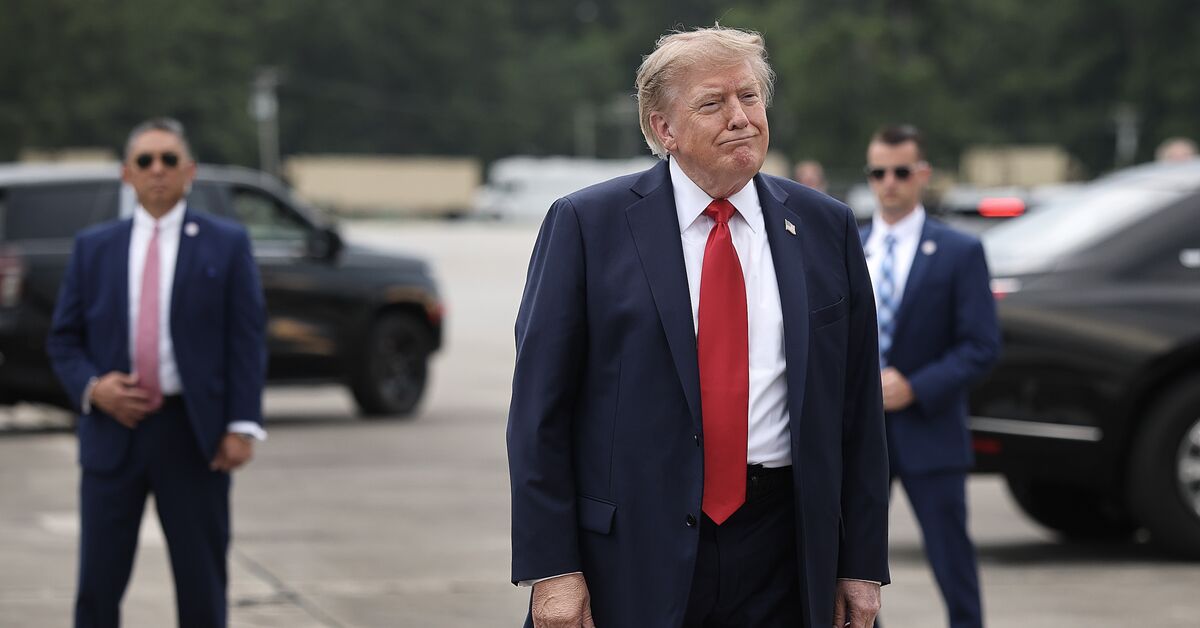
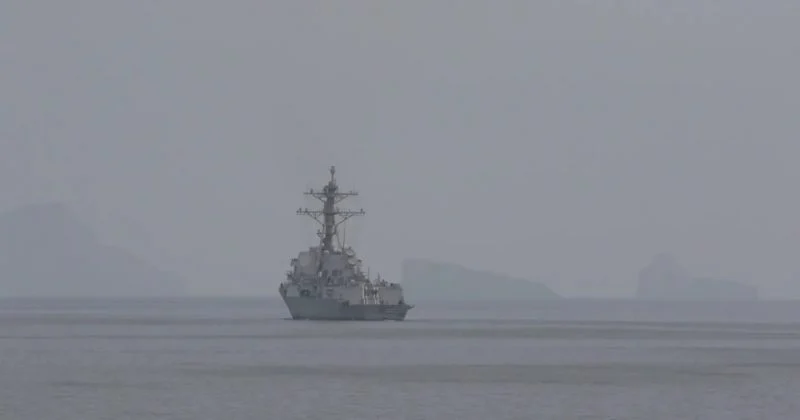
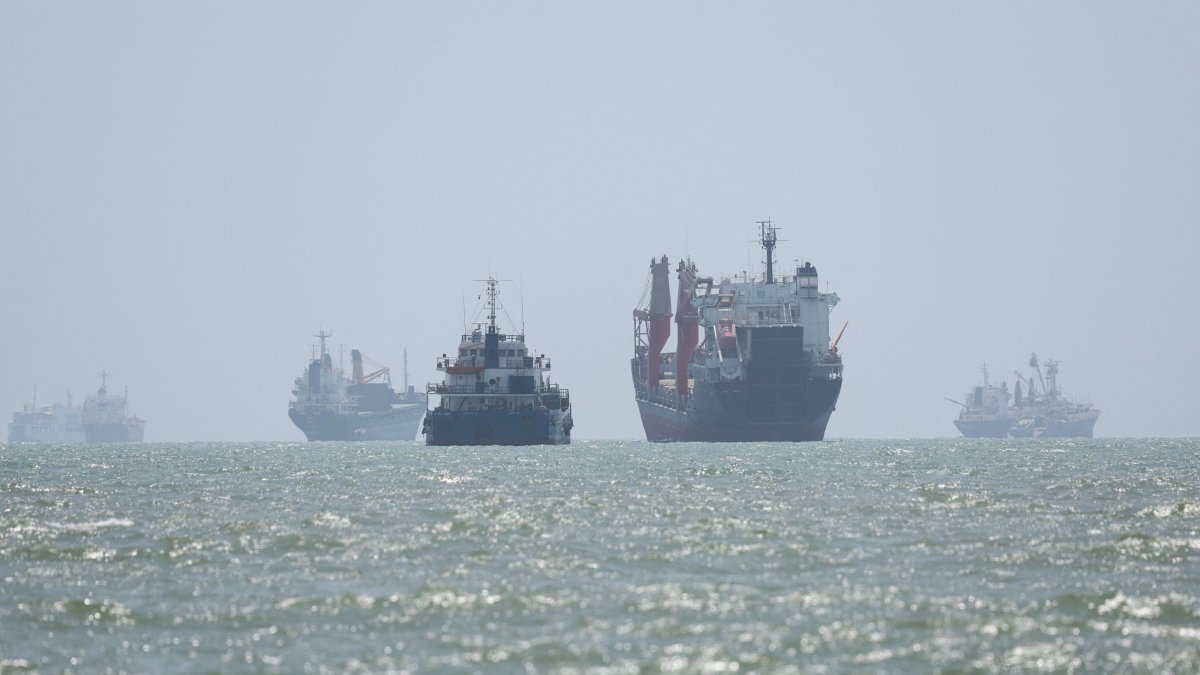
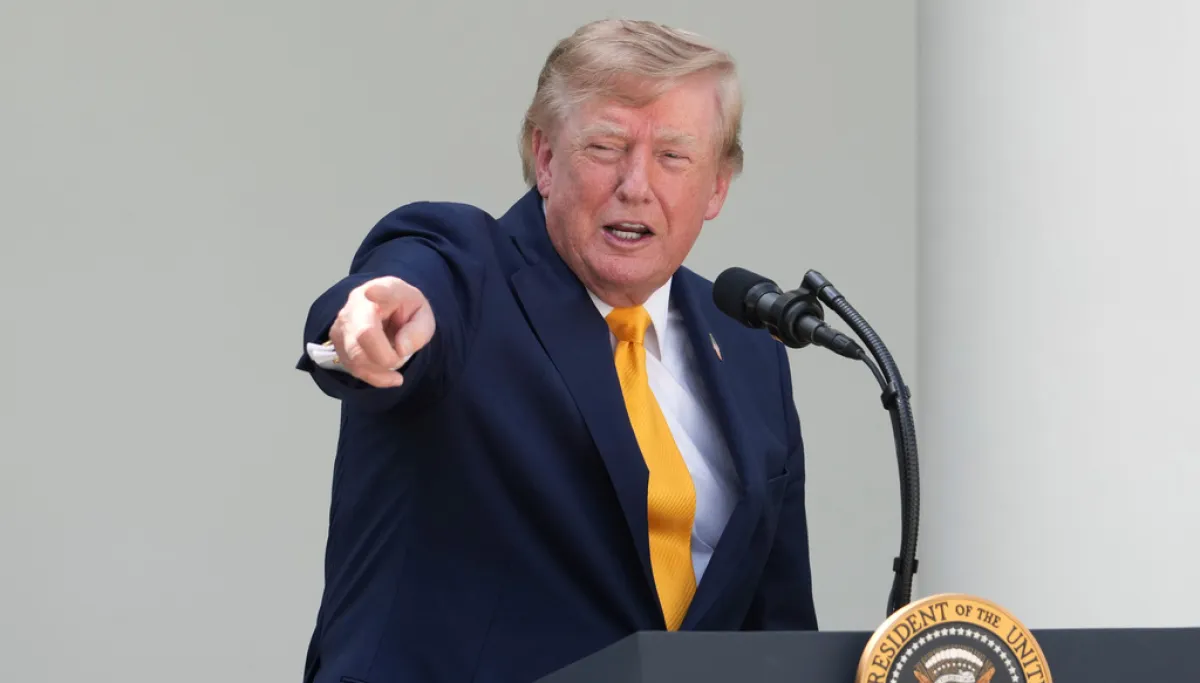
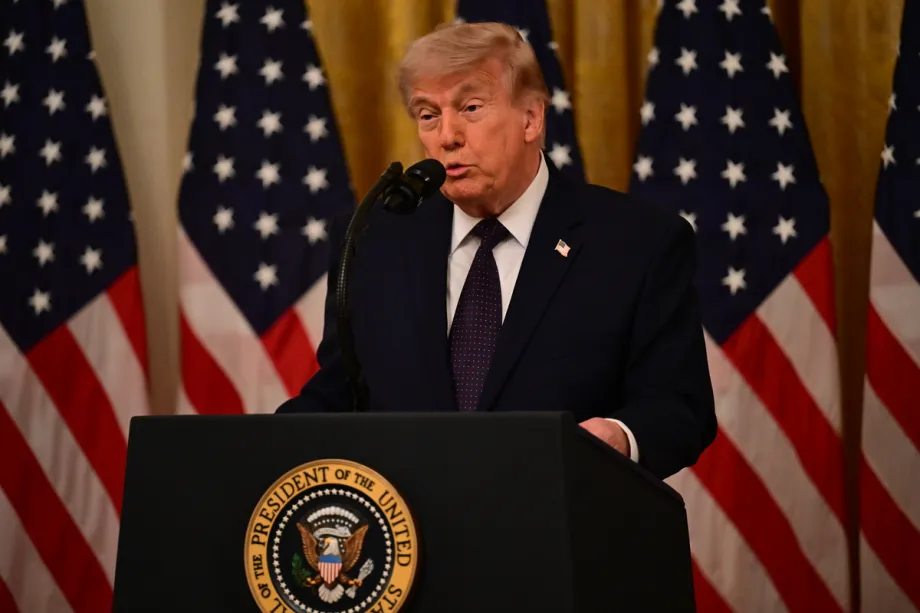
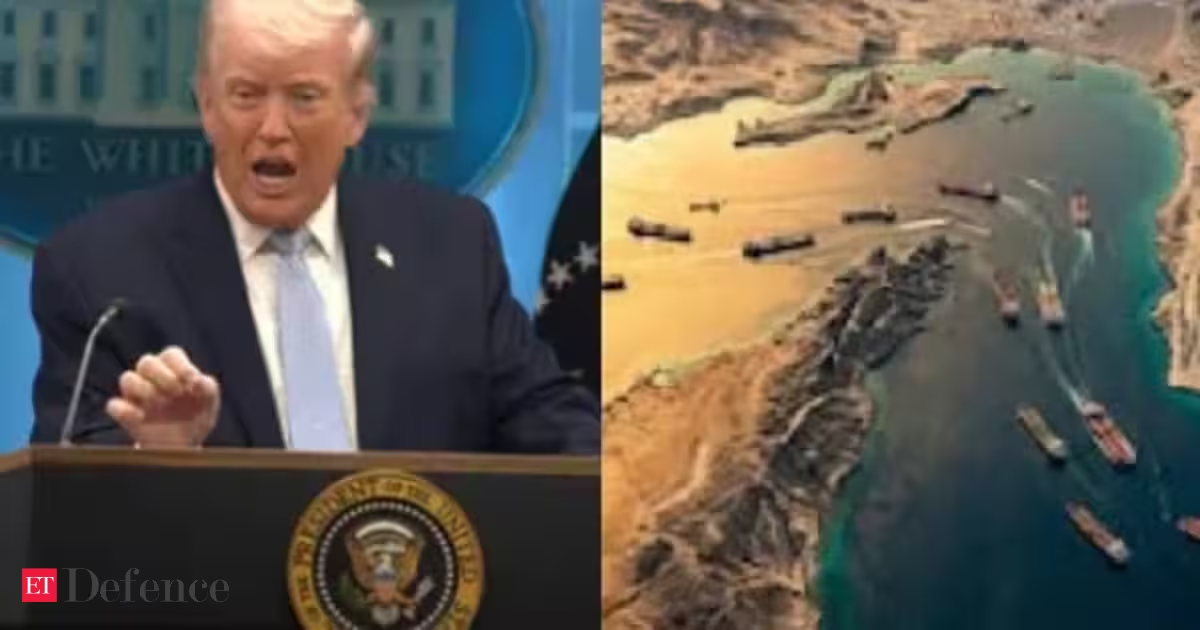
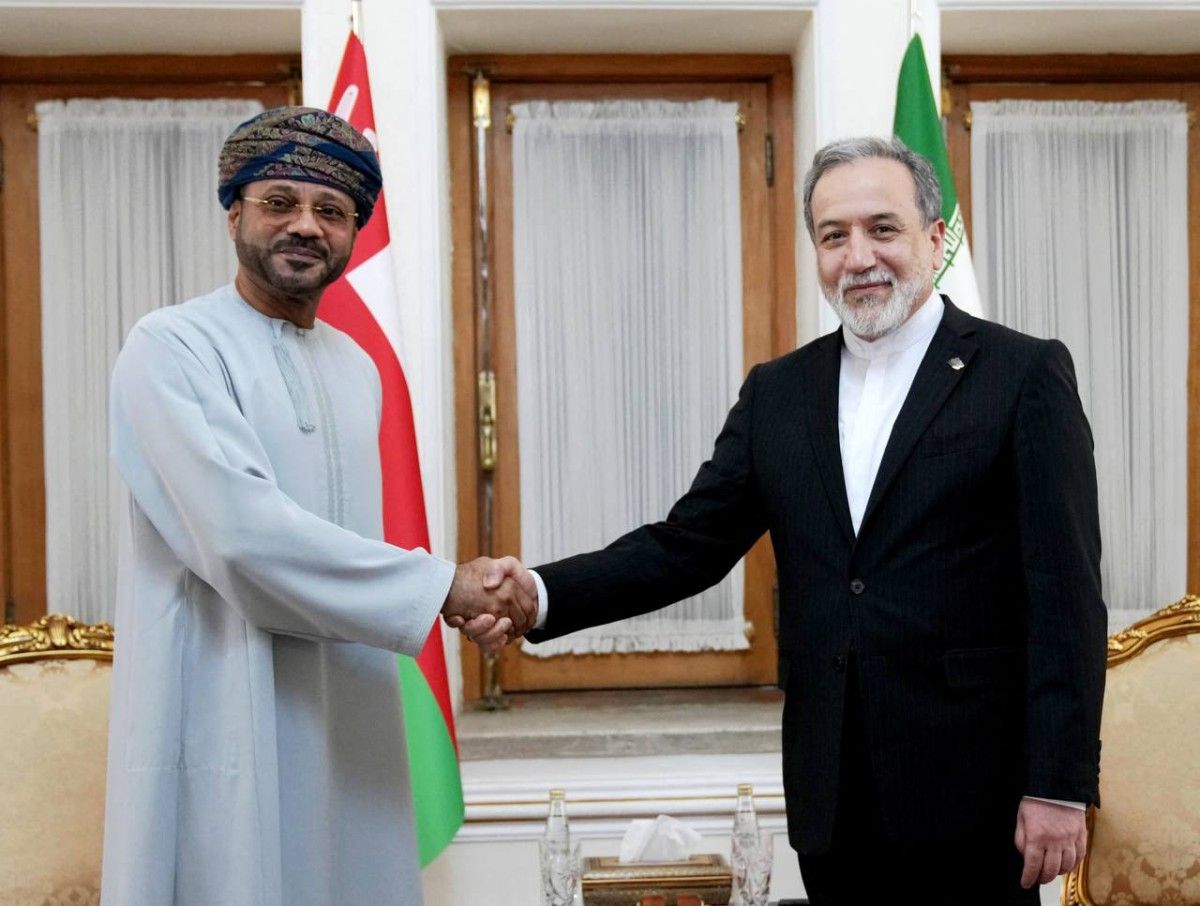
ALBAWABA- U.S. President Donald Trump said Tuesday that the U.S. Navy has cleared or detonated all mines from the international waters of the Strait of Hormuz, claiming the operation has reopened the strategic waterway’s main shipping lane and could ease pressure on global energy supplies. Trump also warned Iran that any vessel attempting to lay new mines would be “immediately and systematically destroyed.”The announcement comes as the United States and Iran remain locked in a months-long conflict and competing efforts to control maritime traffic through Hormuz. The strait is one of the world’s most important energy chokepoints, carrying a substantial share of global oil and liquefied natural gas shipments. Shipping through the waterway has fallen sharply during the conflict because of security concerns, with only two commodity tankers crossing on Monday, according to shipping data. Trump said the mine-clearing operation had been conducted over several months and focused on international waters and the main traffic separation scheme used by commercial vessels. He said the United States was maintaining a “zero tolerance” policy toward any renewed mine-laying, adding that U.S. Space Force assets were monitoring the waterway. The U.S. announcement came against the backdrop of increasingly assertive Iranian measures to regulate shipping through Hormuz. On Monday, Iran warned that vessels violating its transit arrangements could face fines, detention or cargo confiscation. The newly established Persian Gulf Strait Authority has blacklisted 45 tankers that it says failed to comply with Iranian requirements, further raising concerns among international shipping companies. Iran, however, maintains that its control over the strait reflects its sovereign rights. Vice President Mohammad Reza Aref has described Tehran’s authority over the waterway as an exercise of Iran’s legal and sovereign rights over its national resources, underscoring the fundamental dispute between Tehran and Washington over the strait’s security and management.Diplomatic efforts have continued alongside the military confrontation. Pakistan’s army chief, Gen. Asim Munir, traveled to Tehran for talks with Iranian President Masoud Pezeshkian and Parliament Speaker Mohammad Bagher Ghalibaf, who has played a central role in negotiations with Washington. Pakistani officials said the talks focused on de-escalation, reopening Hormuz and finding a peaceful resolution to the conflict. Oman has also intensified its mediation efforts. During a visit to Tehran, Omani Foreign Minister Badr bin Hamad Al-Busaidi held consultations with his Iranian counterpart on restoring safe navigation through Hormuz. In a joint statement, Oman and Iran said they had discussed a phased framework that includes a temporary joint navigation corridor, a joint mine-clearance project and eventual negotiations over a permanent navigation route and mechanisms for managing maritime traffic. The parallel developments highlight a potential opening for de-escalation, but also expose a fundamental difference over who should control and guarantee navigation through the strait. While Washington is asserting that it has secured the main international shipping lane through its own military operation, Tehran and Muscat are pursuing a framework based on cooperation among regional states and respect for coastal states’ sovereignty.Trump’s announcement therefore comes at a potentially decisive moment. The physical removal of mines could facilitate the return of commercial shipping, while diplomatic efforts by Pakistan and Oman could provide a pathway toward a broader settlement of the conflict. Whether the two tracks converge, however, remains uncertain as Washington continues to intensify economic pressure on Tehran and Iran maintains its claim to sovereign authority over the strategic waterway.