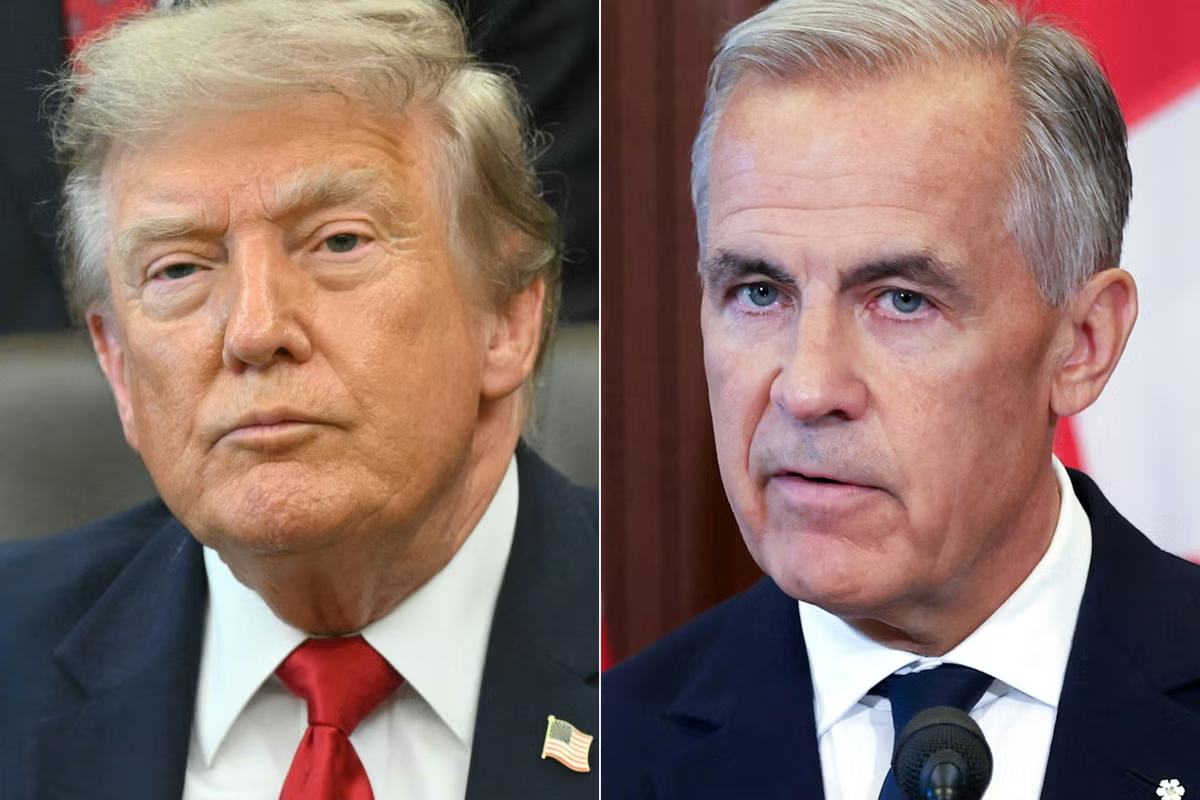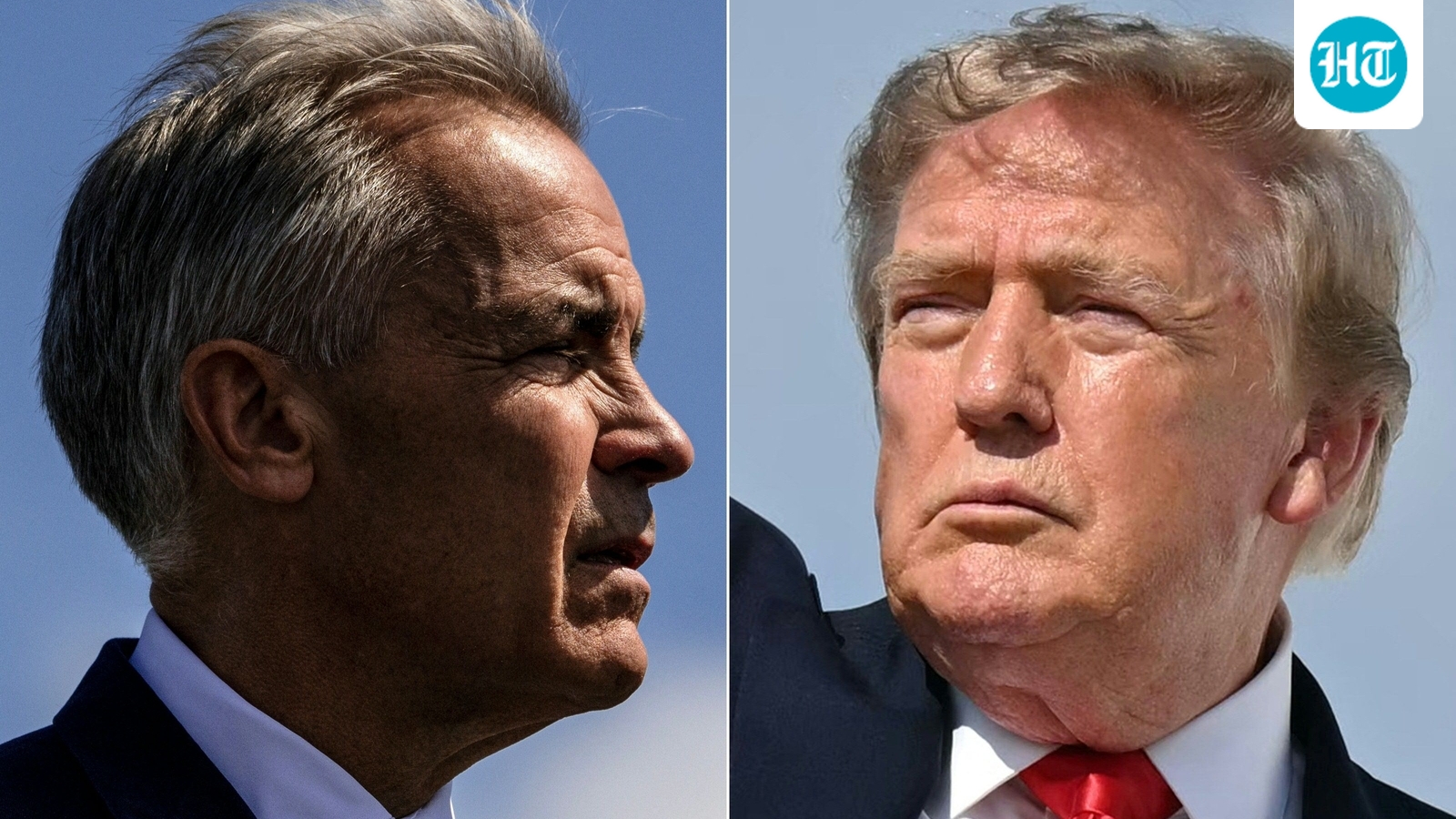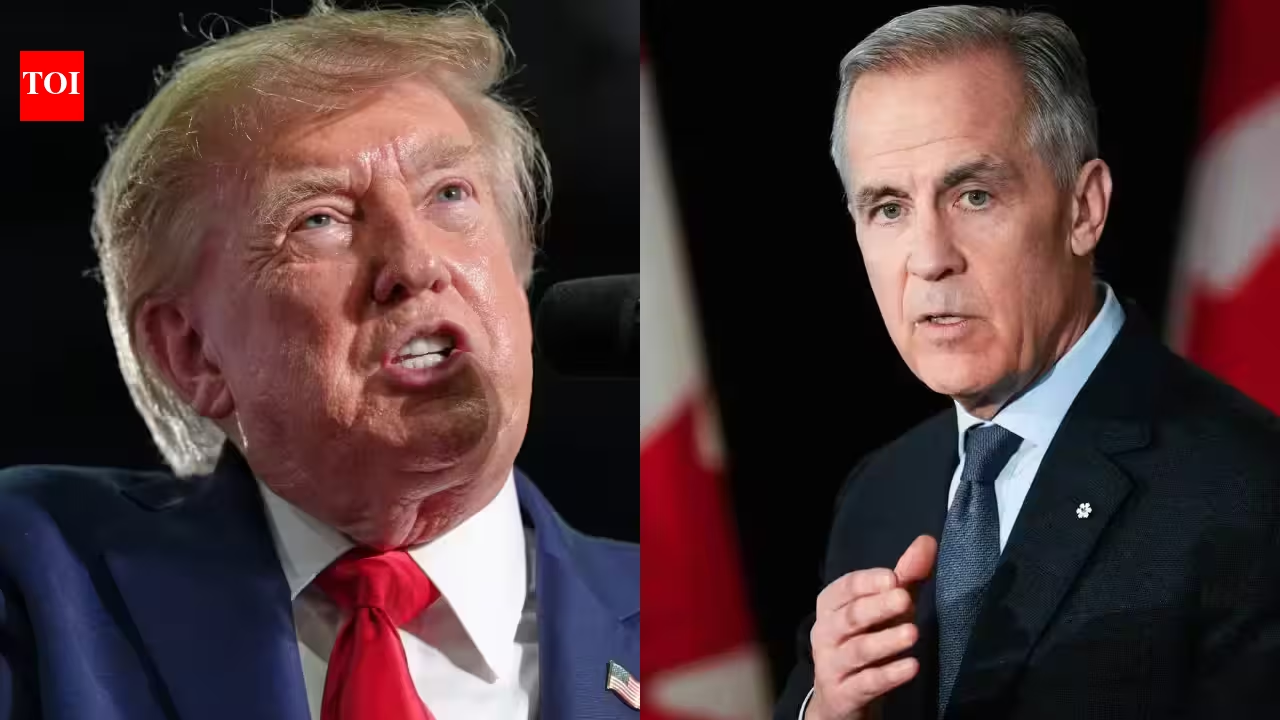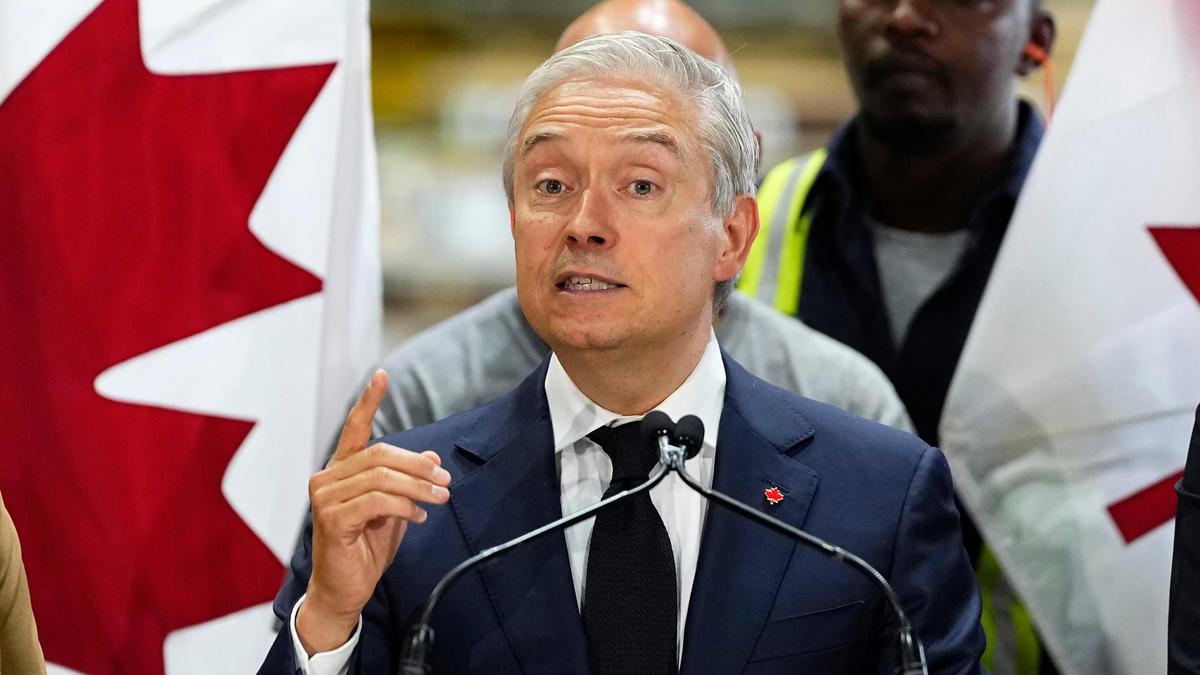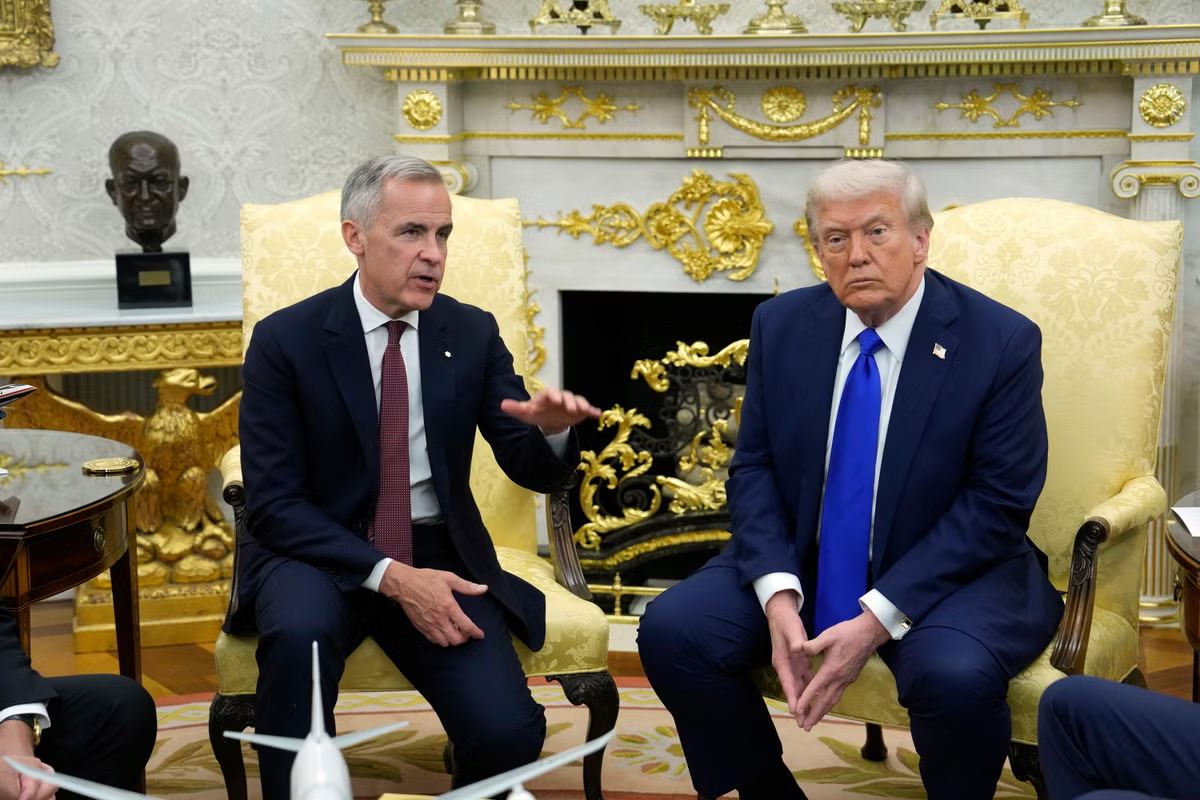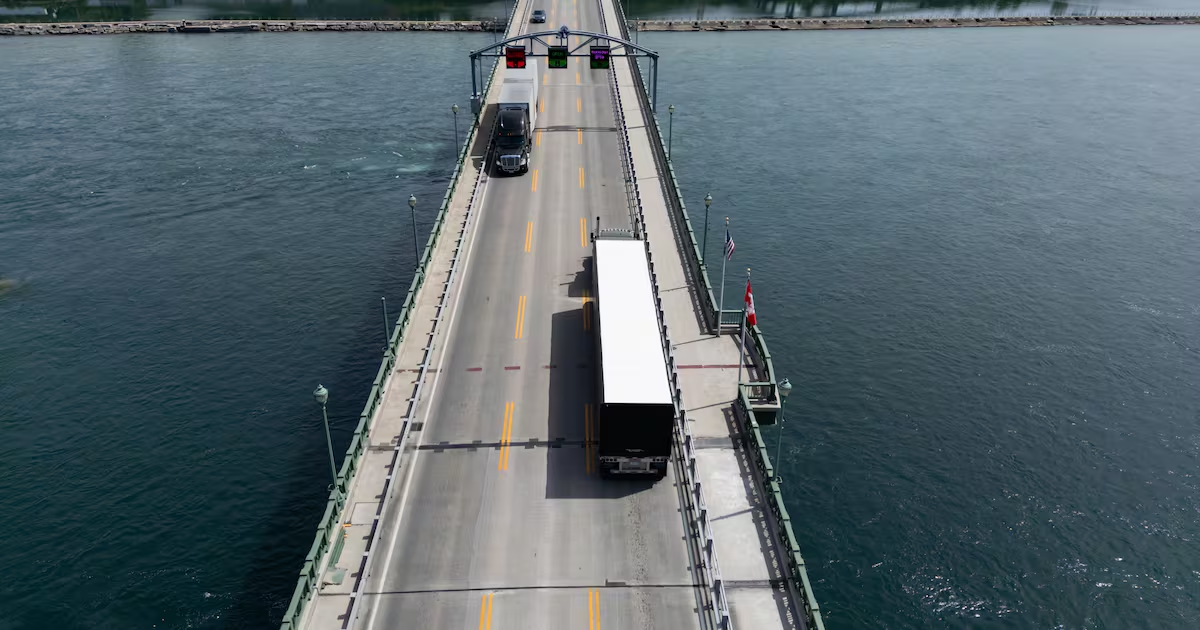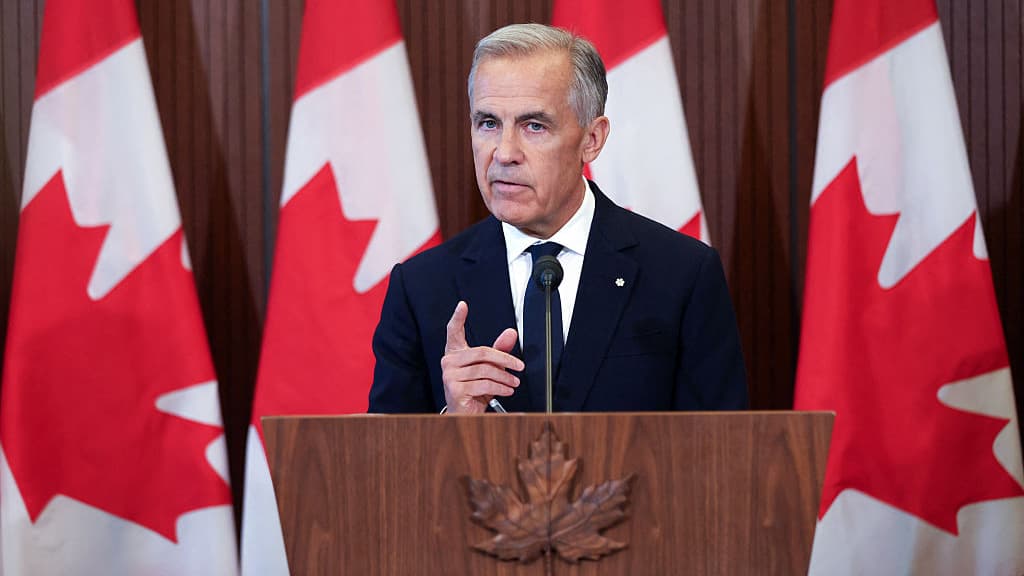
Canada has imposed retaliatory tariffs of up to 50% on U.S. goods in response to President Donald Trump’s sweeping tariffs and amid an escalating trade war between the neighboring allies.Canada’s Finance Minister François-Philippe Champagne announced Tuesday that effective Sept. 8 the country “will match the United States tariffs dollar for dollar, rate for rate," by imposing counter tariffs of up to 15%, 25%, or 50% on near $20 billion U.S. imports.“For each product, our tariff would match the American tariff on the same type of Canadian goods,” he said during a press conference alongside Canadian federal officials.Tensions between the U.S. and its northern neighbor have deepened after trade negotiations broke down over the weekend, with both sides blaming one another for last-minute changes.“Ultimately, the terms proposed by the U.S. Administration were uneconomic, unfair, and ultimately unacceptable. They asked too much of Canada and offered too little in return,” Champagne said.The tariffs are set to target more than 700 U.S.-made products and, if matched against the U.S. tariffs on Canada, will include everyday purchases such as seafood, cheese, clothing, cosmetics, and toilet paper.Canadian officials said the goal is not to raise revenue, but to protect Canadian companies and reduce reliance on U.S. imports.“Canada's counter tariffs are designed primarily to provide protection for Canadian industry impacted by U.S. tariffs and allow them to compete against U.S. products in the Canadian market. It's all about fairness. It's all about level playing field. It's all about supporting Canadian workers and Canadian businesses,” he said.Trade between the U.S. and Canada totaled an estimated $872.3 billion in 2025.In Addition to Tariffs, Trump Targets Canada With TauntsThe announcement came shortly after Trump began taunting the Canadian government over a range of cultural issues.The President said his Administration is considering renaming Lake Ontario to “Lake America” in the latest cultural swipe at Canada amid the broader trade war.“The United States is giving serious consideration to changing the name of Lake Ontario to Lake America in that we don’t expect to be doing much business with Ontario any longer,” Trump said Tuesday morning.Lake Ontario is the easternmost of the five Great Lakes and is bordered by the Canadian province of Ontario and the U.S. state of New York and Pennsylvania. Canada’s retaliation also drew Trump’s ire, with the President unleashing a barrage of insults against the U.S.’s second-largest trading partner in goods.“I deal with many countries, and Canada is easily the most difficult and unreasonable,” Trump said Tuesday before the official counter tariff announcement by Ottawa, adding his repeated accusation that Canada “has been 'ripping off' the U.S.A. for decades.”Trump announced Monday that, on top of the initial 50% tariffs, the U.S. would raise tariffs on all Canadian cars and trucks, automotive parts, and steel to 50% starting Jan. 1, 2027.U.S. officials, including the President, have also appeared to publicly undermine Canada by repeatedly comparing the country to a U.S. state.“They feel entitled, but they are not a State, and will be entitled no longer!” Trump repeated Tuesday.Similarly, Vice President J.D. Vance referred to Canada as a “state” during a political rally in Maine on Monday, which he claimed was a "Freudian slip.”Trump has repeatedly expressed his desire to annex Canada and make it the 51st U.S. state—an idea Carney has strongly rejected.Why French Language and Culture Became a Sticking Point in U.S.-Canada TalksBoth sides have blamed the other for the breakdown in negotiations over the weekend, but French language and culture have emerged as a contentious point of tension.Carney said Monday that U.S. negotiators had raised the discoverability of French-language content on streaming platforms, along with French-language labeling rules, as trade irritants."For the Americans, French language, francophone culture, Quebec culture, and Canadian culture, for them these are irritants. Here in Quebec, here in Canada, they are rights—fundamental rights,” Carney said in French while taking questions from the media at an event in Lévis, Quebec.The Canadian leader added that there was “an enormous gap between the U.S. perspective and Canadian perspectives” during negotiations when it came to French culture.Trump has moved to deny the accusations made by his Canadian counterpart, framing them as a “lie” by Carney to “to gain political support” from those in Quebec.“I would never interfere with Canadians speaking French! In fact, I have never even thought of doing such a stupid thing,” he said on social media Tuesday.Last year, Quebec implemented a law requiring streaming giants to add French-language content and make it more easily accessible to users. The French-speaking province also has strict labeling rules requiring packaging to include French.Which Canadian Goods Are Hit by Trump’s 50% Tariffs?The tariffs placed on various Canadian goods affect around 5% of all trade between Canada and the U.S. and cover a wide range of products.A variety of Canadian alcoholic beverages, including beer made from malt, sparkling wine and other grape wines, and various spirits are the primary target of the first list, but this also includes a range of wood-based goods, such as selected wooden kitchenware and decorative products, as well as ice hockey and field hockey equipment.The tariffs set to target a variety of dairy ingredients include powdered or otherwise concentrated milk and cream, various milk protein and whey protein concentrates, and lactose and lactose syrup.The lengthy list of “motor-vehicle” related items includes a variety of products beyond vehicles themselves. The list ranges from agricultural and plant goods, including natural honey, feathers, selected animal products, and plant extracts, to salt and baking mixes.Textiles and clothing are also set to be hit by the tariffs, including silk, wool, cotton, yarn, fabrics, carpets, dresses, trousers, T-shirts, sweaters, coats, padded jackets, suits, blazers, tracksuits, and even wigs. Tech-related goods are also included, such as smartphones, video recorders, and camera and computer equipment, alongside leisure and cultural products including toys, puzzles, arcade machines, and video game consoles. Other technology products covered include television and radio transmitters, cameras, radar equipment, and computer monitors.Canada's newly announced counter tariffs are set to target similar products.
Canada Retaliates Against Trump’s Tariffs With Levies of Up to 50% on U.S. Goods
The move comes in response to President Donald Trump’s latest tariffs against Canada and amid an escalating trade war.
992 words~5 min read