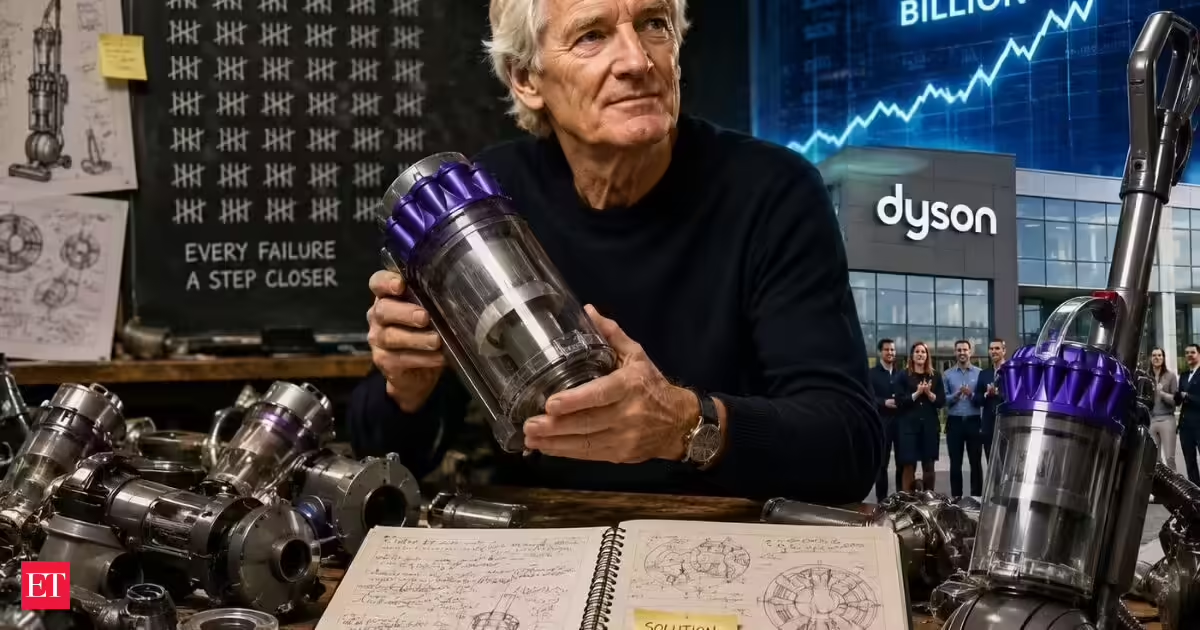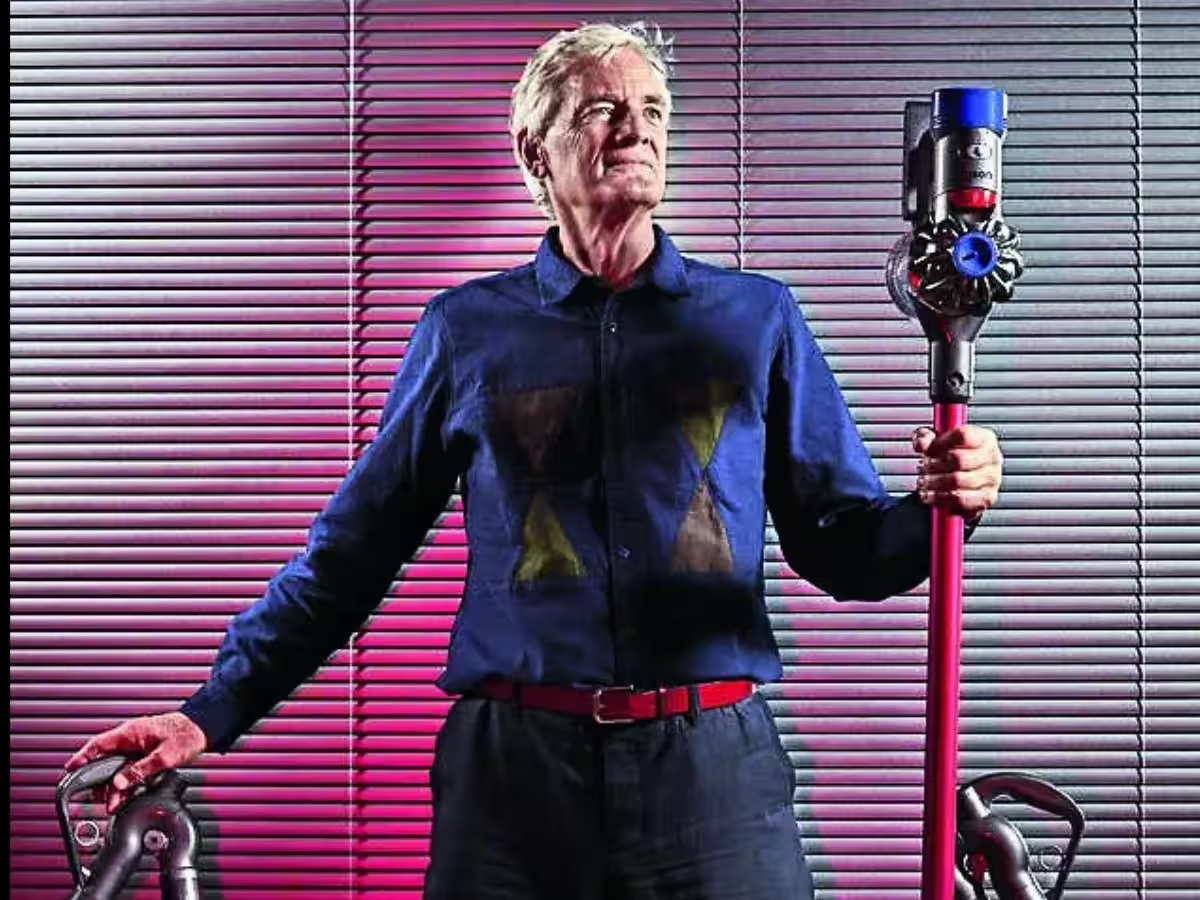
SynopsisJames Dyson's journey to creating iconic products involved extensive prototyping and persistence. He views failure not as a setback but as a crucial part of the invention process. The inventor's career challenges conventional thinking about how things have always been done. His approach emphasizes questioning established wisdom and radical improvement in design. This mindset of failing, rethinking, and redesigning drives innovation and creation.ET BureauWhat does it take to turn a vacuum cleaner into a cultural icon? A lot of failure, persistence and an almost unreasonable refusal to accept that something cannot be done. In her conversation with James Dyson in Best of Design Matters: James Dyson, podcast host Debbie Millman gets to the heart of the philosophy behind the Dyson empire - and the stubborn inventor who built it.Dyson is an unusually compelling guest because he treats failure not as a setback but as a necessary part of invention. His account of developing thousands of prototypes before arriving at the bag-less vacuum cleaner is less a tale of genius than a lesson in persistence. Millman draws out this tension between creativity and engineering, asking how design can move beyond making objects attractive to making them work radically better.The conversation is at its best when Dyson talks about questioning received wisdom. His career is an extended argument against the phrase 'that's how it's always been done'.For anyone interested in creativity, innovation or the messy business of making something new, this is a thoughtful and surprisingly energising listen. Dyson's greatest invention may be a mindset: fail, rethink, redesign - and try again. ...moreElevate your knowledge and leadership skills at a cost cheaper than your daily tea.Subscribe Now
Nature adores a vacuum - The Economic Times
James Dyson's journey to creating iconic products involved extensive prototyping and persistence. He views failure not as a setback but as a crucial part of the invention process. The inventor's career challenges conventional thinking about how things have always been done. His approach emphasizes questioning established wisdom and radical improvement in design. This mindset of failing, rethinking, and redesigning drives innovation and creation.
275 words~1 min read