Published August 25th, 2026 - 16:41 GMT
Highlights
With negotiations stalled and tariffs escalating, the dispute is becoming more than a conventional trade confrontation. It is increasingly testing the political relationship between the two neighbors
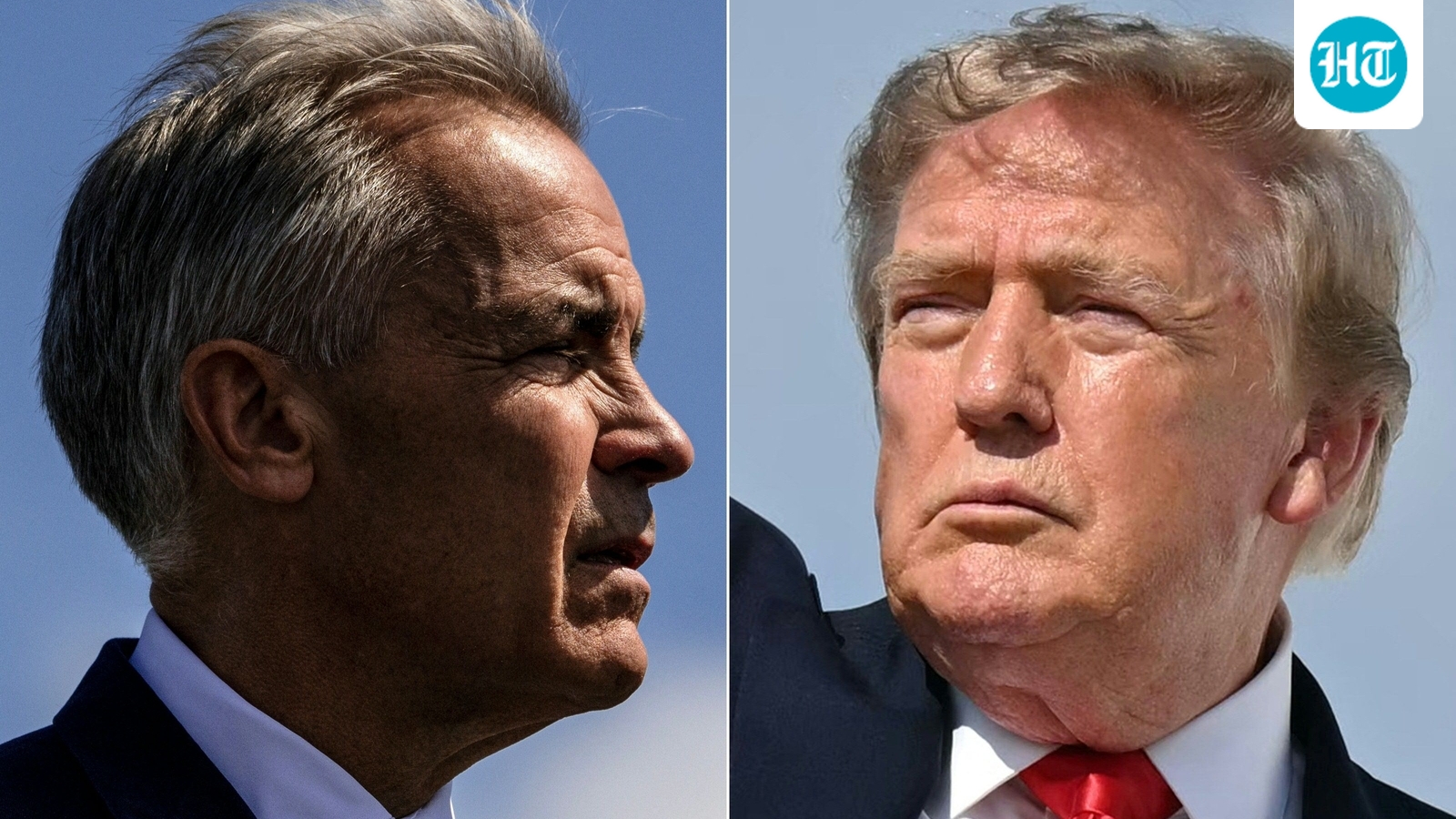
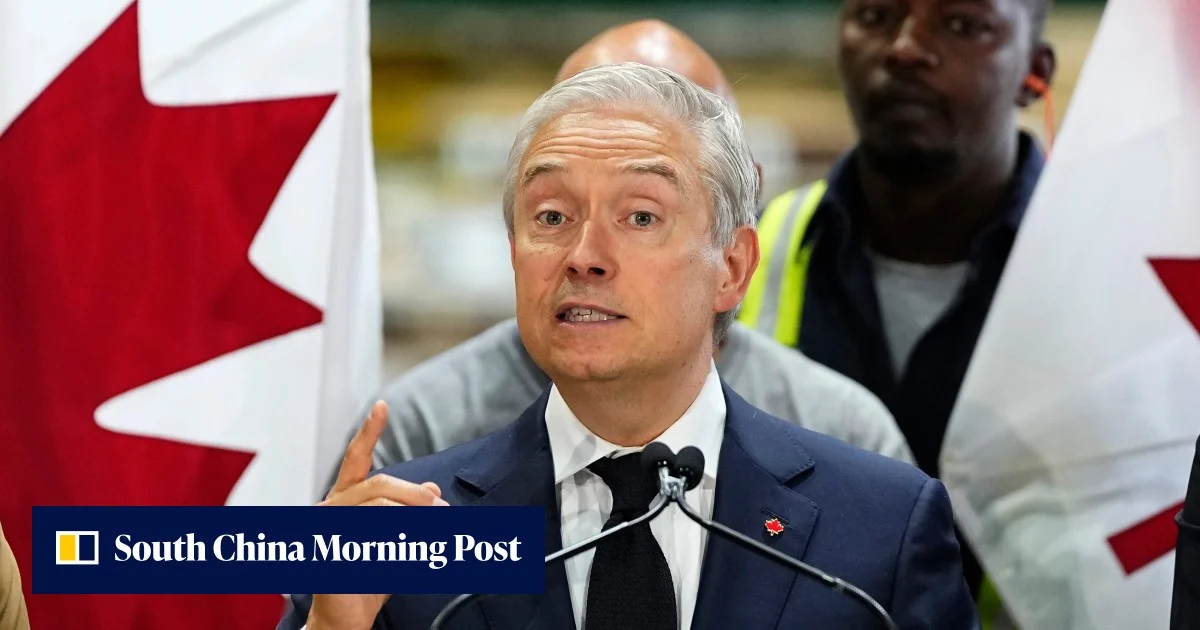
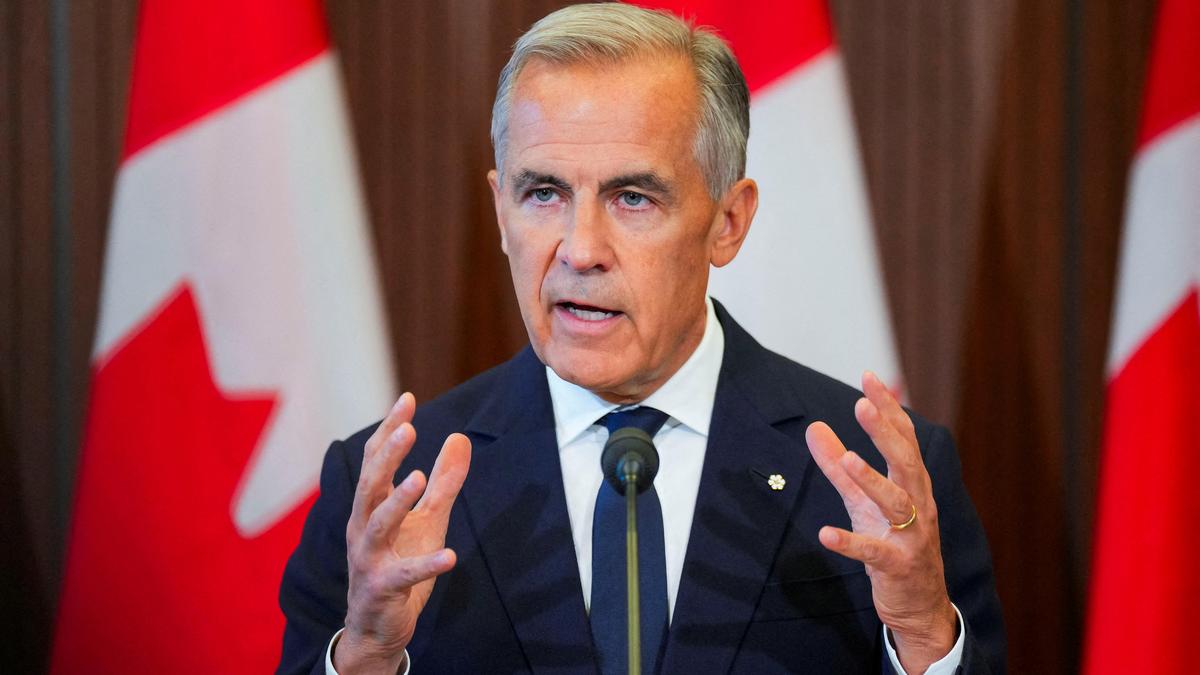
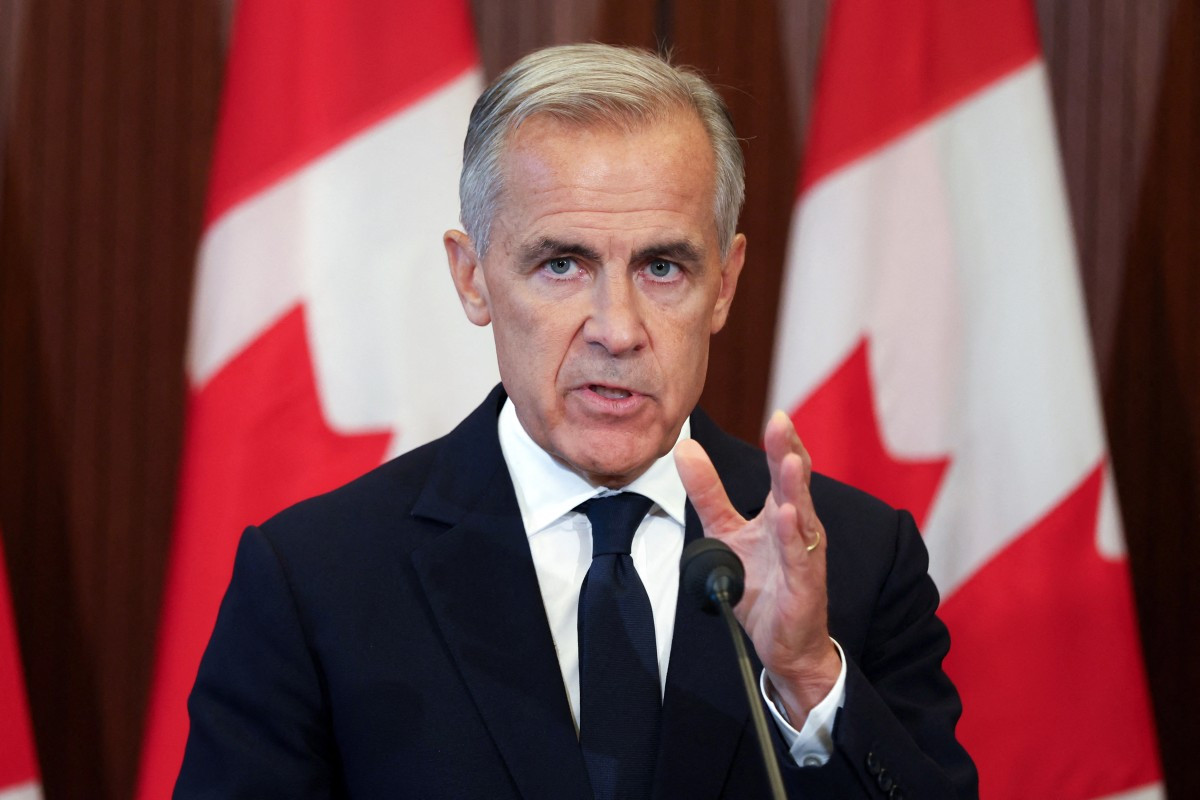
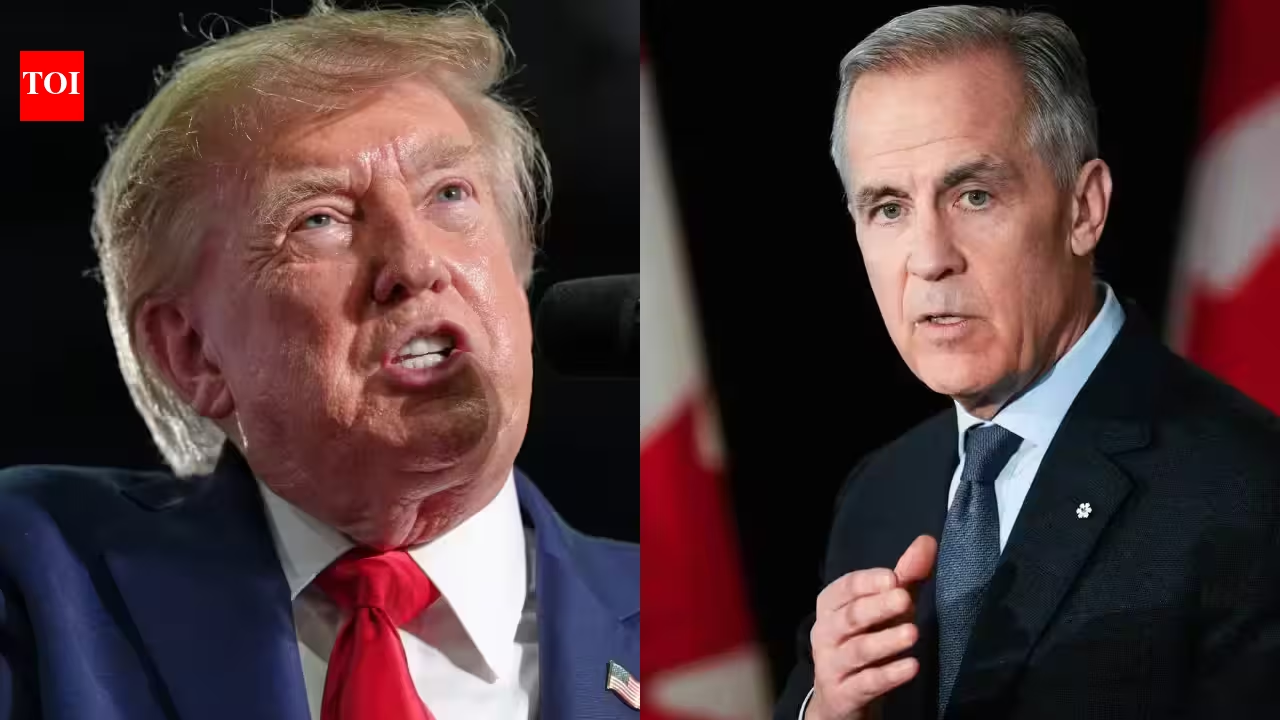
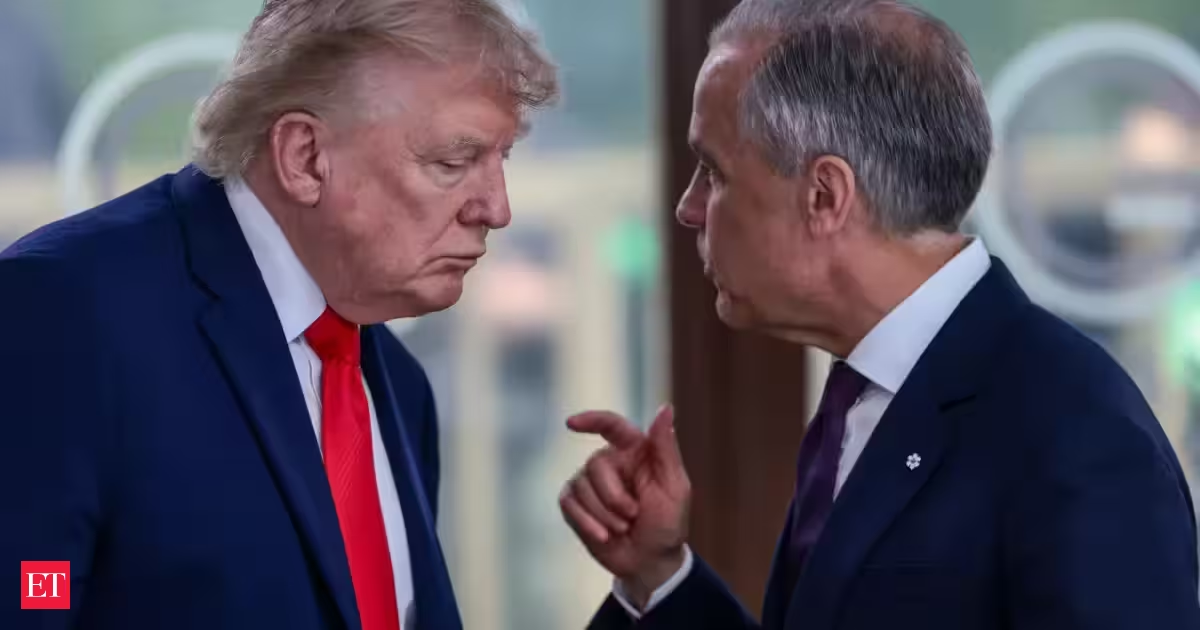
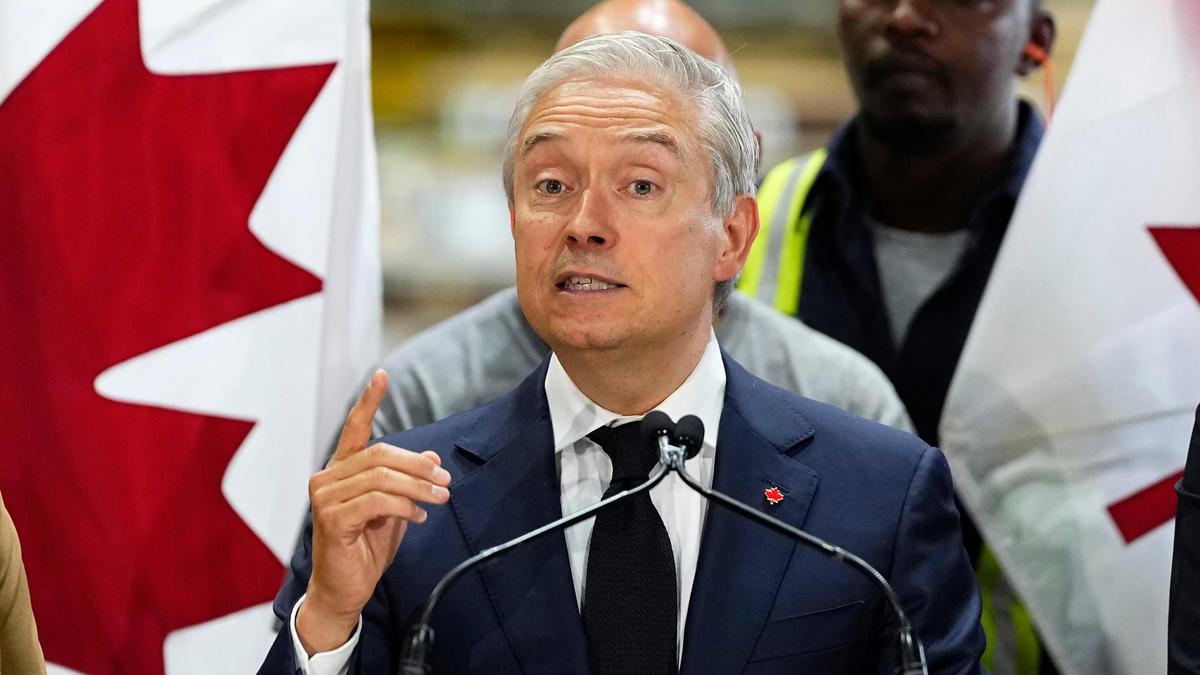
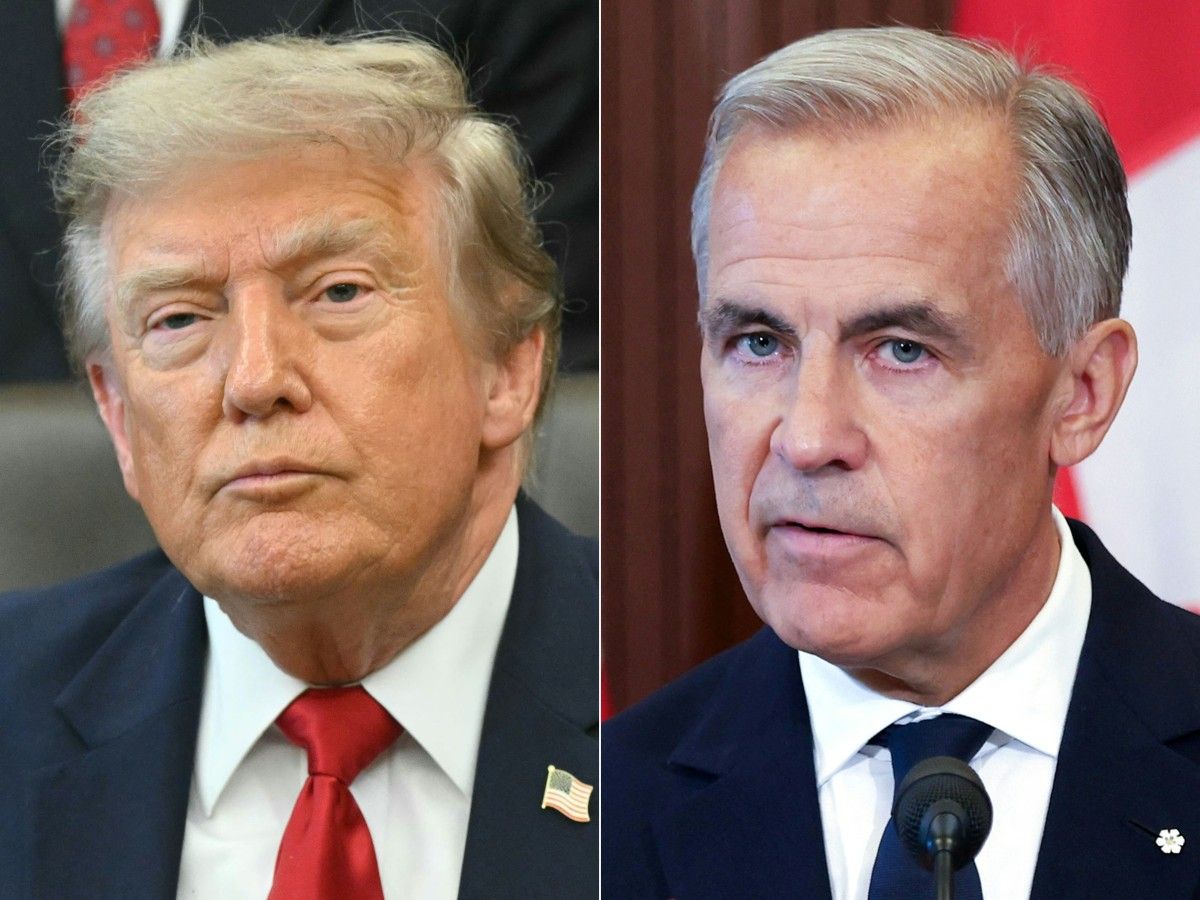
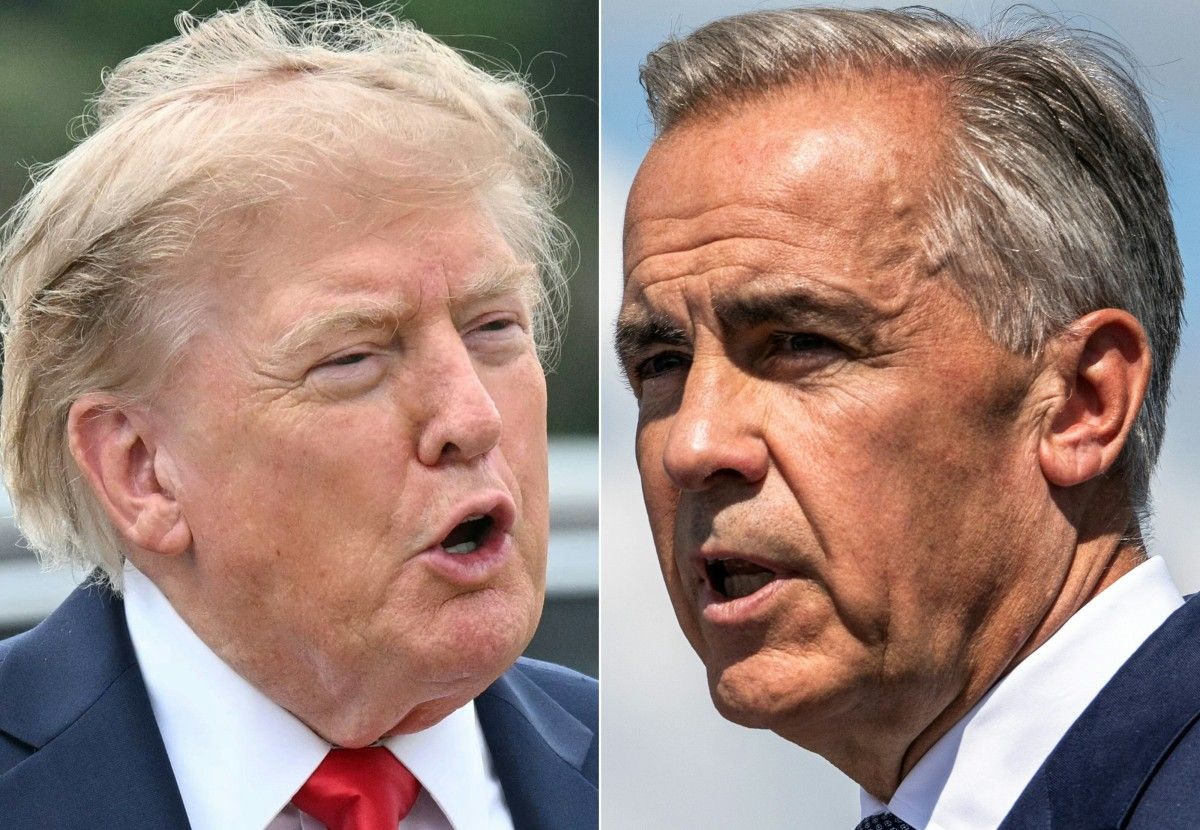
ALBAWABA- Canada is imposing retaliatory tariffs of up to 50% on roughly $20 billion worth of U.S. imports after trade talks between Ottawa and Washington collapsed, escalating an increasingly bitter dispute between the two countries.The measures, covering about 700 products, including certain steel and aluminum goods, furniture, clothing, electronics, appliances and other consumer products, are scheduled to take effect on September 8, according to a senior Canadian government official cited by ABC News.The move follows President Donald Trump’s decision to raise tariffs on some Canadian goods to as high as 50%, prompting Ottawa to respond dollar-for-dollar. The latest escalation comes after negotiations between the two governments failed to produce an agreement, with both sides increasingly adopting tougher positions.Canadian Prime Minister Mark Carney has sought to project a firm but measured response, saying Ottawa will not accept an agreement simply for the sake of reaching a deal. “Our goal has always been to get the best deal for Canadians, never a deal at any price or on any time frame,” Carney said, emphasizing the protection of Canadian workers and strengthening Canada’s domestic economy.The trade dispute has unfolded alongside increasingly provocative rhetoric from Washington. Trump has repeatedly referred to Canada as a potential “51st state,” comments Ottawa has rejected as an affront to Canadian sovereignty. The U.S. president has also threatened further economic measures against Canada as relations deteriorate.The latest controversy came when Trump suggested that the United States was seriously considering renaming Lake Ontario “Lake America.” The proposal was immediately rejected in Canada, where officials stressed that the lake’s name was not up for negotiation.Canadian Industry Minister Mélanie Joly responded defiantly, saying Canada would continue to call it Lake Ontario. She emphasized the lake’s importance to Canadian history and identity and said Ottawa would remain “smart” and “strategic” while defending the country’s interests.The tensions have also extended to questions of Canadian national identity. Trump recently indicated that he had no intention of interfering with the French language in Canada, following Prime Minister Mark Carney’s criticism of any U.S. interference in Canadian domestic affairs, including suggestions that the status of French could become part of trade negotiations.U.S. Vice President JD Vance has meanwhile criticized Canada and China over their retaliatory tariffs, describing them as among the countries taking the strongest measures against U.S. trade policy.Provincially, Ontario Premier Doug Ford has urged Ottawa to respond forcefully, including by targeting politically influential “deep red states” with retaliatory measures. Ford has backed Carney’s call for a dollar-for-dollar response to Trump’s tariffs.With negotiations stalled and tariffs escalating, the dispute is becoming more than a conventional trade confrontation. It is increasingly testing the political relationship between the two neighbors and Canada’s ability to defend its economic interests and sovereignty while managing its dependence on the United States, its largest trading partner.