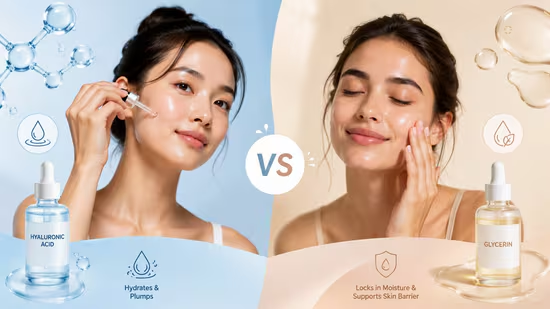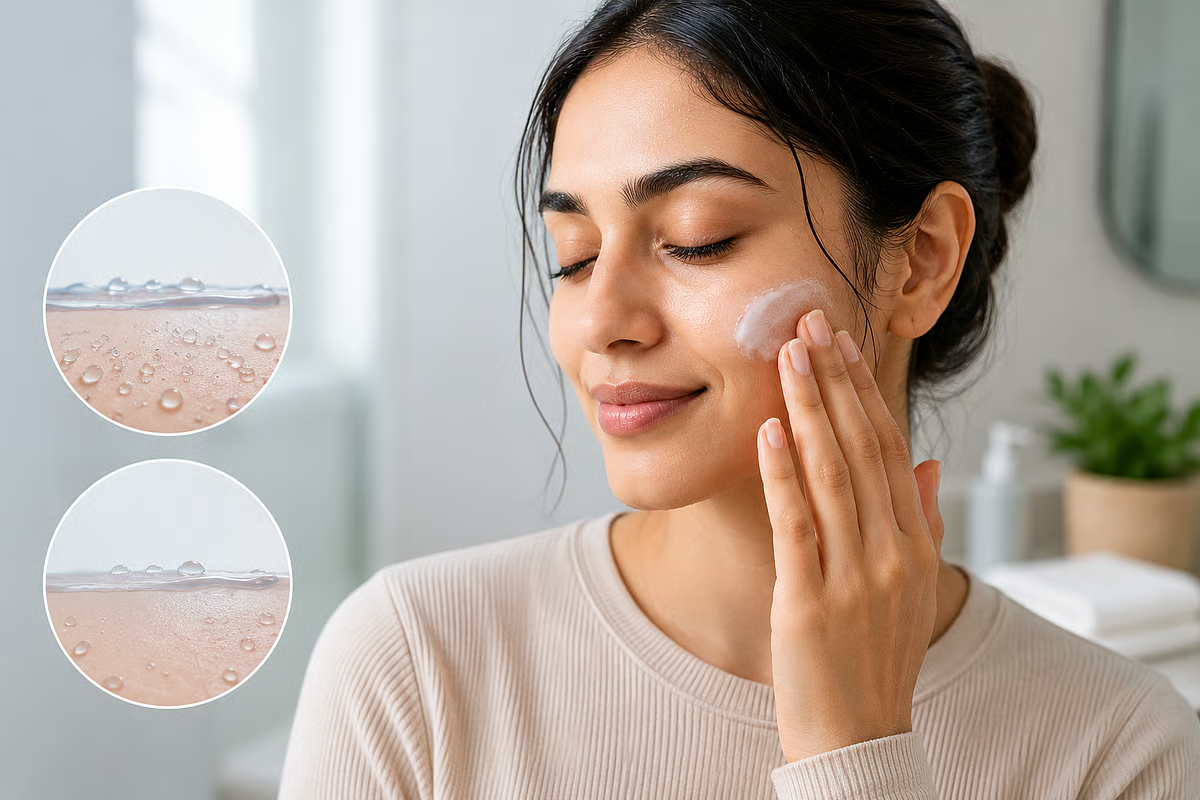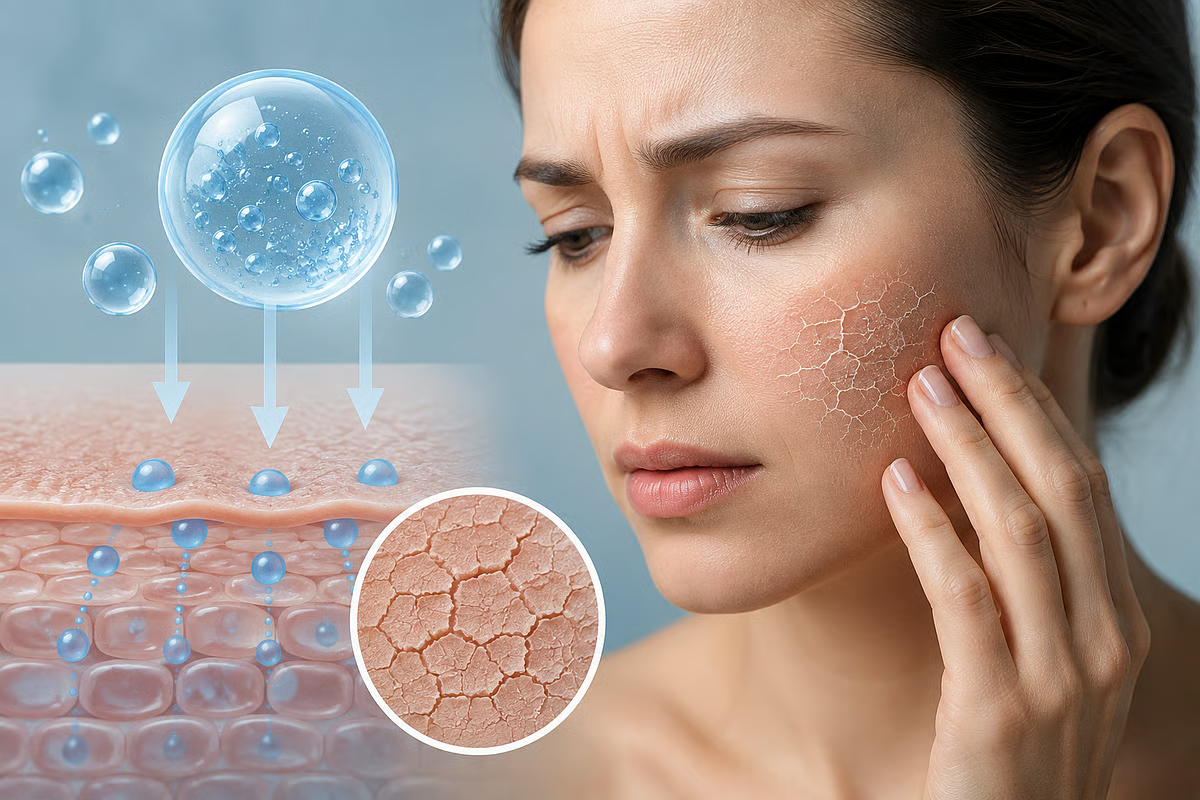
Hyaluronic acid has become shorthand for hydration, but the chemistry is more interesting than the label suggests. It is hygroscopic, meaning it attracts and binds water, and occurs naturally in human skin. Research describes topical HA as a humectant, with different molecular weights affecting how it behaves at and below the skin surface. Yet adding a water-binding ingredient is only half of a good moisturising routine. The stratum corneum, the skin's outer layer, also needs to slow the escape of water. That distinction helps explain why an HA serum can feel excellent in one routine and leave skin feeling tight in another.What hyaluronic acid actually doesHyaluronic acid does not manufacture water. As a humectant, it helps bind water within a formulation and at the skin surface. A review of skin hydration describes water retention in the stratum corneum as a balance involving natural hygroscopic substances and intercellular lipids, which form a barrier against transepidermal water loss.This makes the familiar warning that HA automatically “sucks water out of your skin” in dry air too simplistic. The evidence supports a more useful principle: humectancy works best as part of a complete moisturising system. A serum supplies water-binding ingredients, while emollient and occlusive components in a moisturiser help limit evaporation.That matters when you spend hours in dry feeling, climate-controlled rooms, including air-conditioned homes and offices in the UAE. Rather than abandoning HA, consider what goes over it.What to look forTreat the routine as two jobs. First comes hydration, usually from water plus humectants such as hyaluronic acid or glycerin. Then comes a moisturiser that helps retain that water. Applying products while skin is slightly damp can also add water to the equation.Do not judge an HA serum solely by a dramatic concentration claim. Formula design, other humectants and what you layer afterwards matter too.Recommended productsL'Oréal Paris Hyaluron Expert 1.5% Hyaluronic Acid SerumThis is the dedicated humectant step. L'Oréal Paris Middle East lists the Hyaluron Expert serum at 1.5 per cent pure hyaluronic acid and describes it as its highest concentration of pure HA. The appeal here is less about chasing the largest percentage and more about using a lightweight hydrating layer before cream. Apply it according to the pack directions, then follow with moisturiser rather than treating serum as the final step.EltaMD Moisture SealIf the serum is the water-binding stage, Moisture Seal represents the other side of the equation. EltaMD lists a notably short ingredient list of petrolatum and paraffin and describes the product as an intensive occlusive moisturiser. The manufacturer recommends applying a small amount to clean, moist skin. Its concentrated, waterless format makes it a particularly clear example of why an occlusive can complement humectants. It is best considered when you want a richer final layer rather than another lightweight hydrating product.Dr. Althea Oasis Soothing MistA facial mist addresses the simplest part of the equation: supplying water to the skin surface before subsequent layers. That can make one useful before a humectant serum, especially if you prefer not to apply serum to completely dry skin. A mist alone, however, is not a substitute for moisturiser. Water sprayed onto the face can simply evaporate, so the practical sequence is mist, humectant and then moisturiser.The Face Shop Ceramide Moisturizing CreamA conventional cream offers a more everyday finishing step than a highly occlusive ointment style moisturiser. This makes this Face Shop option potentially useful for readers who want to layer HA underneath a cream in a normal morning or evening routine. Ceramides are lipids naturally associated with the skin barrier. For now, its role in this selection is straightforward: it is the cream layer after the water and humectant stages. VerdictThe useful lesson is not that hyaluronic acid becomes a bad ingredient when humidity drops. It is that a humectant cannot do every part of moisturising by itself. Water-binding ingredients and a barrier supporting finishing layer perform different jobs. For a simple starting point, the L'Oréal Paris Hyaluron Expert serum makes sense as the dedicated HA step, followed by a suitable moisturiser. If dryness, irritation or another skin problem persists despite changes to your routine, speak to a doctor or dermatologist.Gulf News earns a commission on purchases made through links in this article, at no extra cost to you. Our editorial team selects products independently.Also Read: CeraVe moisturiser review: the dermatologist favourite explainedAlso Read: Best beginner skincare sets on Amazon.ae 2026: Simple essentials for a healthy routineAlso Read: How to prevent heat rash and summer breakouts in the UAE, according to doctorsAlso Read: Beat the Heat: Expert skincare to stop your routine sliding off your faceGet Updates on Topics You Choose
Why hyaluronic acid can leave skin feeling dry
Hyaluronic acid binds water, but dry air changes how a routine feels. Here is why moisturiser matters and how to layer HA correctly.
767 words~3 min read