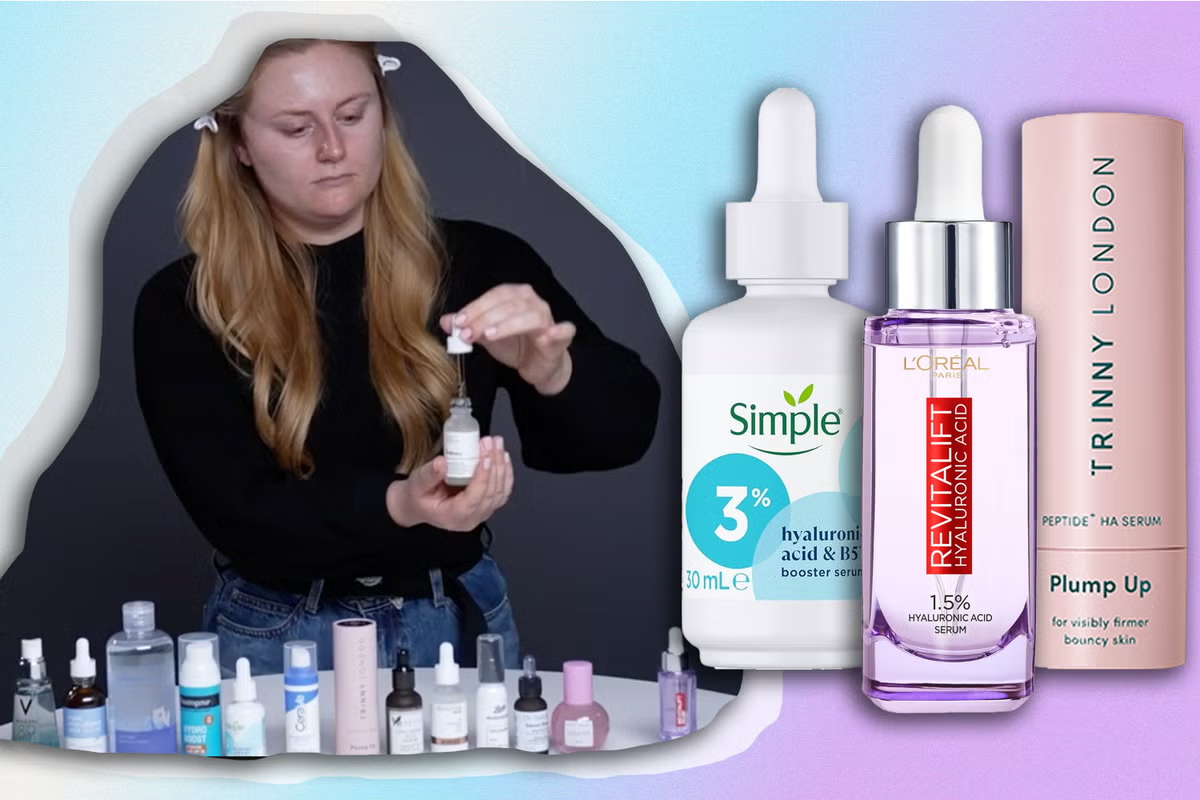
Your questions about hyaluronic acid answeredWhat is the best hyaluronic acid?The HA serum I enjoyed the most after my 12 week trial (and the two years of subsequent testing) was Vichy’s mineral 89. Everything from its price and slightly bigger 50ml size, to its fragrance-free, springy formula impressed, and my skin and wallet were left feeling comforted. Honourable mentions certainly go to Glow Recipe’s plum plump and Rhode’s peptide glazing serum for their sheer quantity of skin-loving actives (think: peptides and vitamins C + E), while The Ordinary’s HA + B5 formula wowed with its hefty concentration of hyaluronic acid itself. The overall feel was that fleshing out lots of cash to secure an effective hyaluronic acid formula wasn’t really necessary, but that’s not to say that the likes of Medik8 and Skinceuticals didn’t prove suitable, I’d merely suggest investing your skincare budget elsewhere – e.g. on a retinol or LED mask. When should I use hyaluronic acid, and how often?For the best results, use your hyaluronic acid products both morning and night, post-cleansing. Like moisturiser, it’s a great way to seal in the rest of your skincare products. Dr. Ourian says: “It’s best to apply it on damp skin and follow up with a moisturiser to lock in that moisture—this way, it doesn’t pull hydration from the skin itself, especially in dry climates.” Can hyaluronic acid be used for all skin types?Part of the beauty of hyaluronic acid is it suits all skin types, even sensitive or acne-prone. While some brands may specialise their product towards certain skin types, it’s generally a very safe and kind product for all to use.Can hyaluronic acid and retinol be used together?In short: yes. Retinol is a very strong skincare product (read our article on the best retinol, for more information on how best to use it) and, when combined with hyaluronic acid, they work together to help with a multitude of skincare concerns, creating a more youthful and radiant complexion when combined. What does it mean when hyaluronic acids have different molecular weights?While it sounds scientific and technical, Dr. Ourian breaks down the meaning of molecular weights for us in layman’s terms. “Hyaluronic acid molecules come in different sizes and are used in skincare products for various purposes,” he explains. “Small molecules penetrate deeper to improve elasticity, while larger ones sit on the surface, providing an immediate hydration boost.”He adds that both weights of the ingredient can boost your skin’s moisture level but explains how “when you have different molecular weights, it’s the best possible outcome for immediate and long-term benefits, and ensures hydration reaches all layers of the skin”.How I tested hyaluronic acidsMy guide to the best hyaluronic acids has now been the work of more than two years. Back in 2024, I spent a period of three months testing a range of popular, affordable and high-end HA formulas. Now, two years on, I’ve reassessed my initial choices, swapping out any that didn’t stand the test if time and supplementing my picks with a handful of new favourites. Between 2024 and now, I tried a selection of multitasking and pure hyaluronic acid formulas, taking into account both recent launches and long-standing industry performers. I noted my first impressions of each product, plus my opinions after extended use, giving each formula at least five days of AM and PM use. Specifically, I considered the following criteria:Texture: I assessed how each serum felt on the skin, including its consistency, spreadability and how quickly it absorbed.Ingredients: I reviewed the formulations, including active ingredients and whether they were multitasking blends or focused hyaluronic acid serums.Application: I tested how easy each serum was to apply, how well it layered with other skincare, and whether it pilled under moisturiser or SPF.Feel on the skin: I noted how each product sat on my skin throughout the day and whether it felt lightweight, sticky, hydrating or uncomfortable.Results over time: I tracked changes in hydration, smoothness and overall skin appearance after both short-term use and 12 weeks of consistent application.Skin type suitability: I considered how well each serum worked for different skin needs, including dryness, sensitivity and combination skin.Packaging: I assessed the design and functionality of the packaging, including ease of dispensing and how practical it was for daily use.Price: I considered the cost of each serum against its performance, ingredients and overall effectiveness. Why you can trust IndyBest reviews Lucy Smith is The Independent’s senior shopping writer. She specialises in skincare and make-up and has a wealth of knowledge on everything from SPF moisturisers to micellar waters. She’s also a lifelong user of hyaluronic acid serums and has spent months researching everything from ingredient lists to formula concentrations to discover those that work – and the ones that miss the mark. Meet the expertDr Ourian : Co-founder of Simon Ourian MDFor more skincare heroes, read our best eye cream round-up for tackling dark circles and fine lines
14 best hyaluronic acid serums for long-lasting hydration, tried and tested
I’ve been testing formulas over a period totalling two years, so I know what to look for
818 words~4 min read