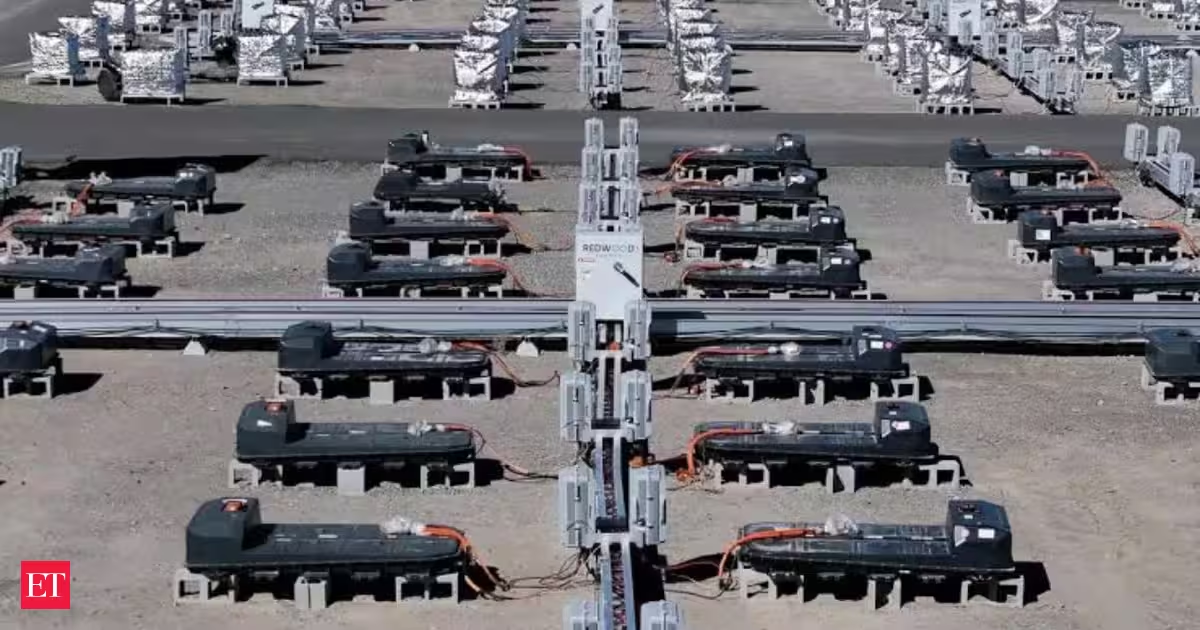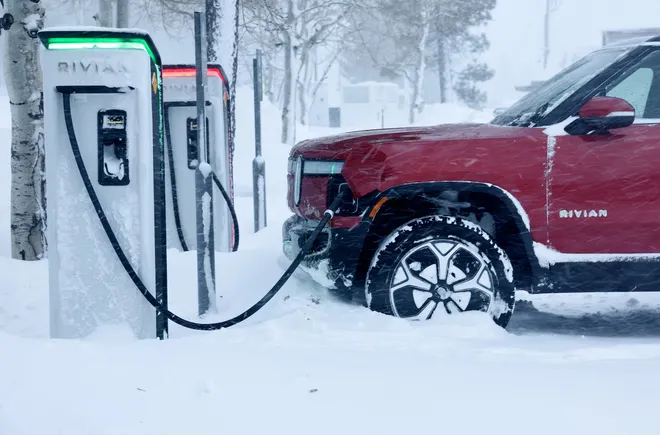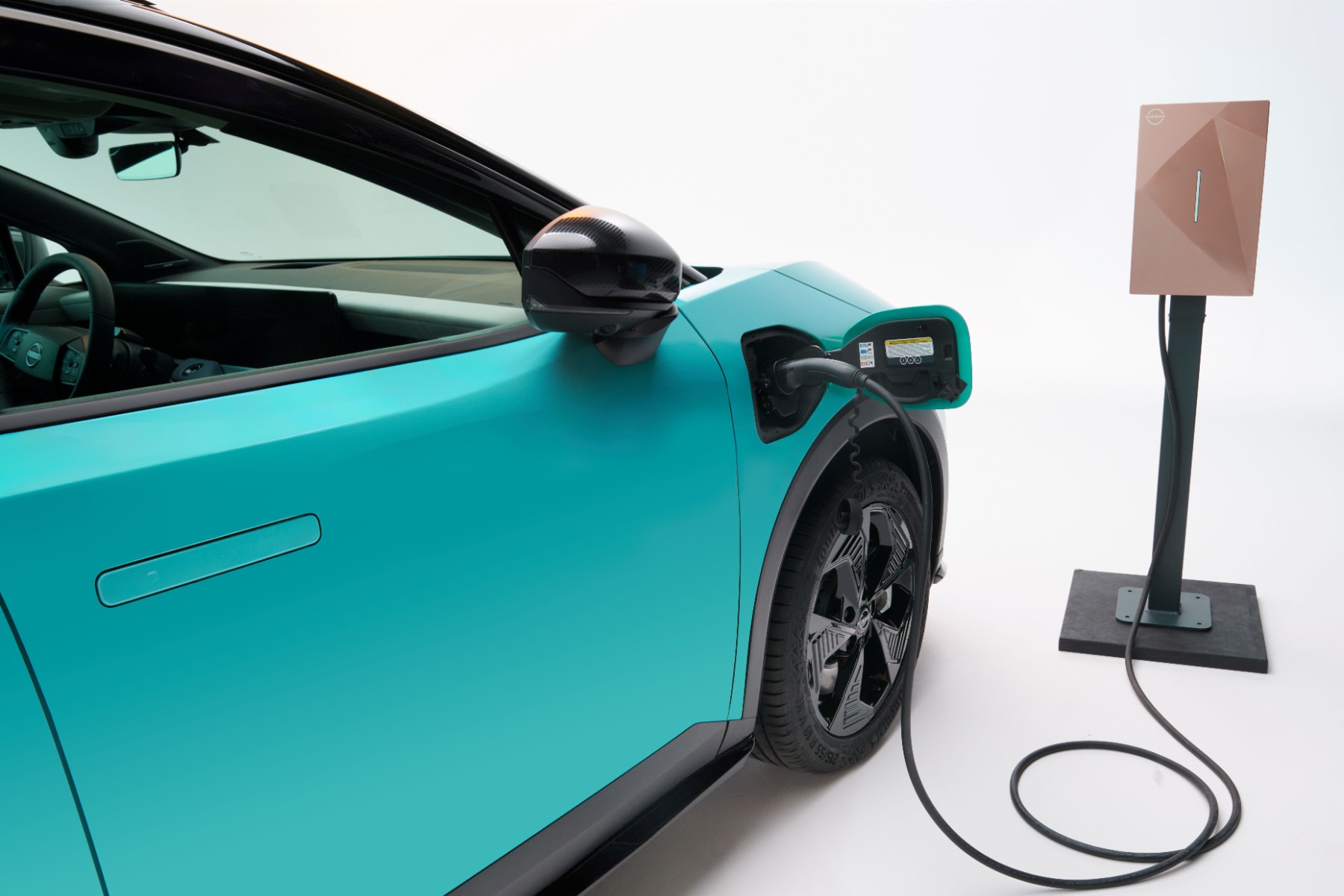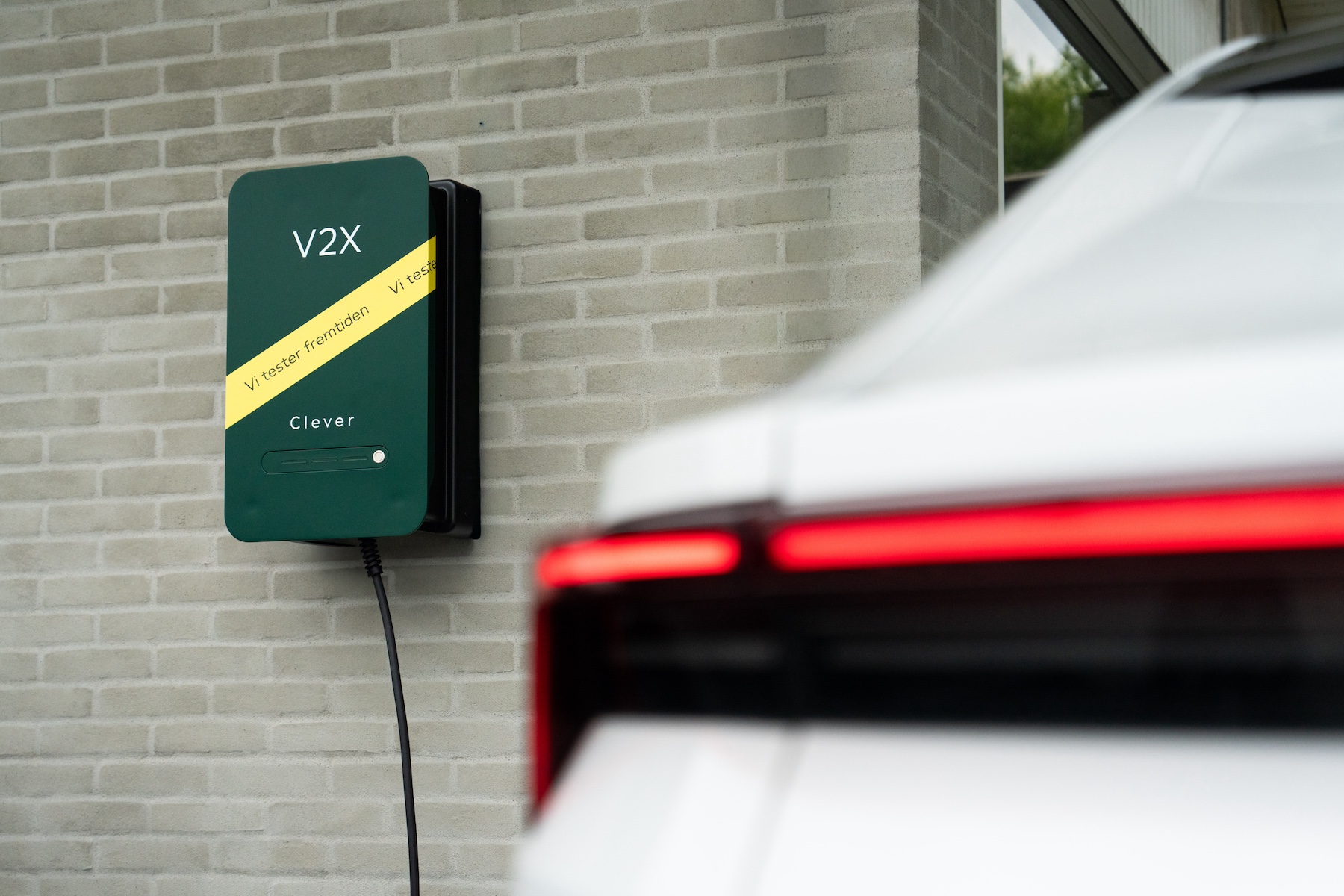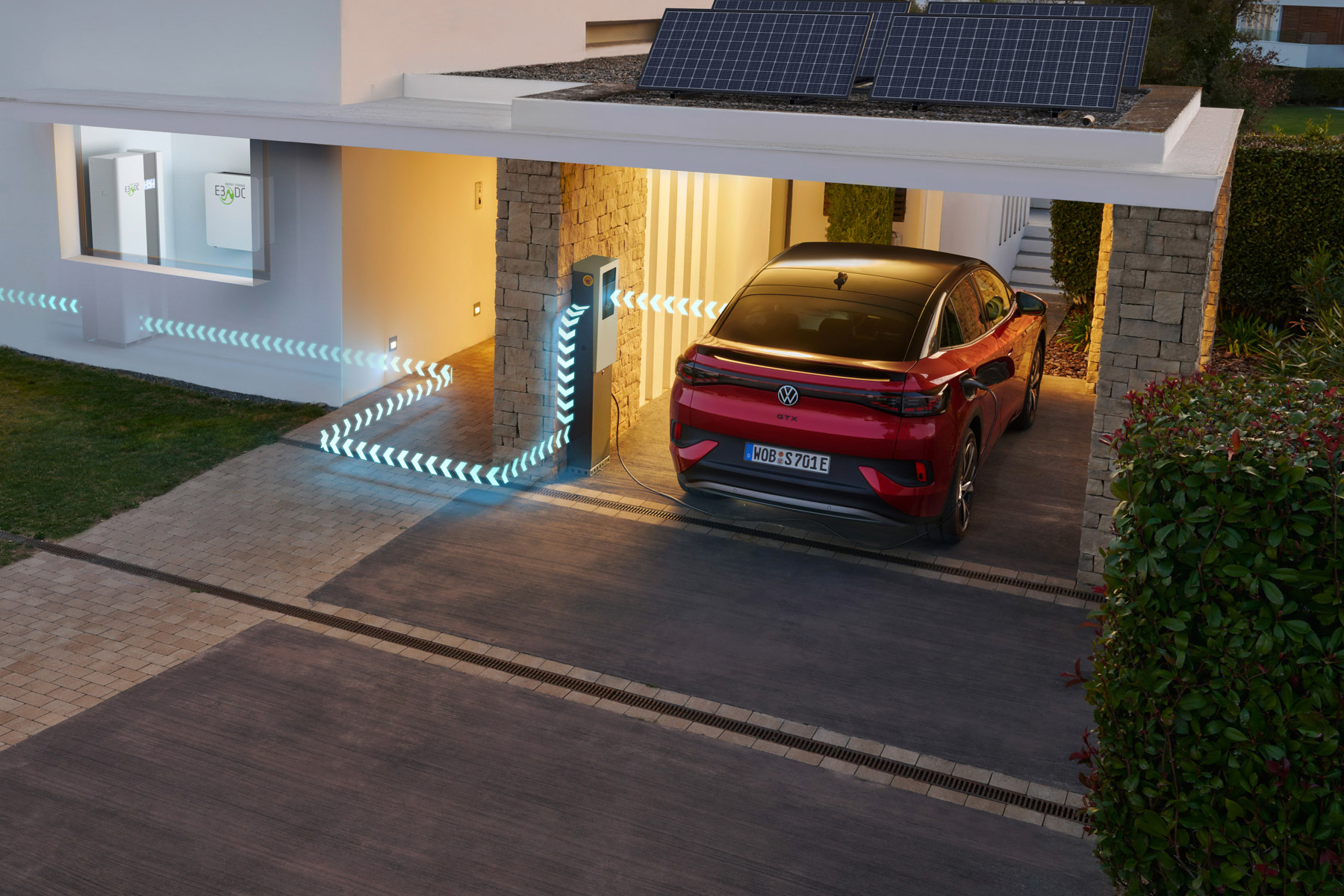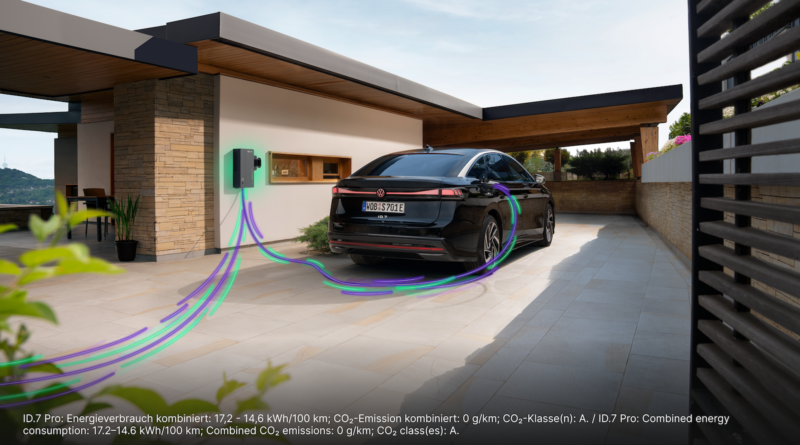
Bidirectional charging has been discussed for years, but it is now starting to become a reality. Electric vehicles can not only draw electricity from the grid but also feed it back. The first commercial products are reaching the market, pilot projects are growing in scale, and companies are beginning to integrate vehicle batteries into the energy market. Corporate fleets, with their long and predictable downtimes, are considered particularly well suited to providing and marketing this flexibility.
At the same time, this electrive-themed week has shown why a broader breakthrough has yet to happen. Standards, grid codes and regulatory frameworks are still not fully aligned. Even implementing ISO 15118-20 does not automatically make a charging point capable of bidirectional operation. In Germany, questions around grid fees and market integration also remain unresolved, while the highly fragmented grid operator landscape adds another layer of complexity.
The key question, then, is no longer whether bidirectional charging works, but how it can become a mass-market solution.
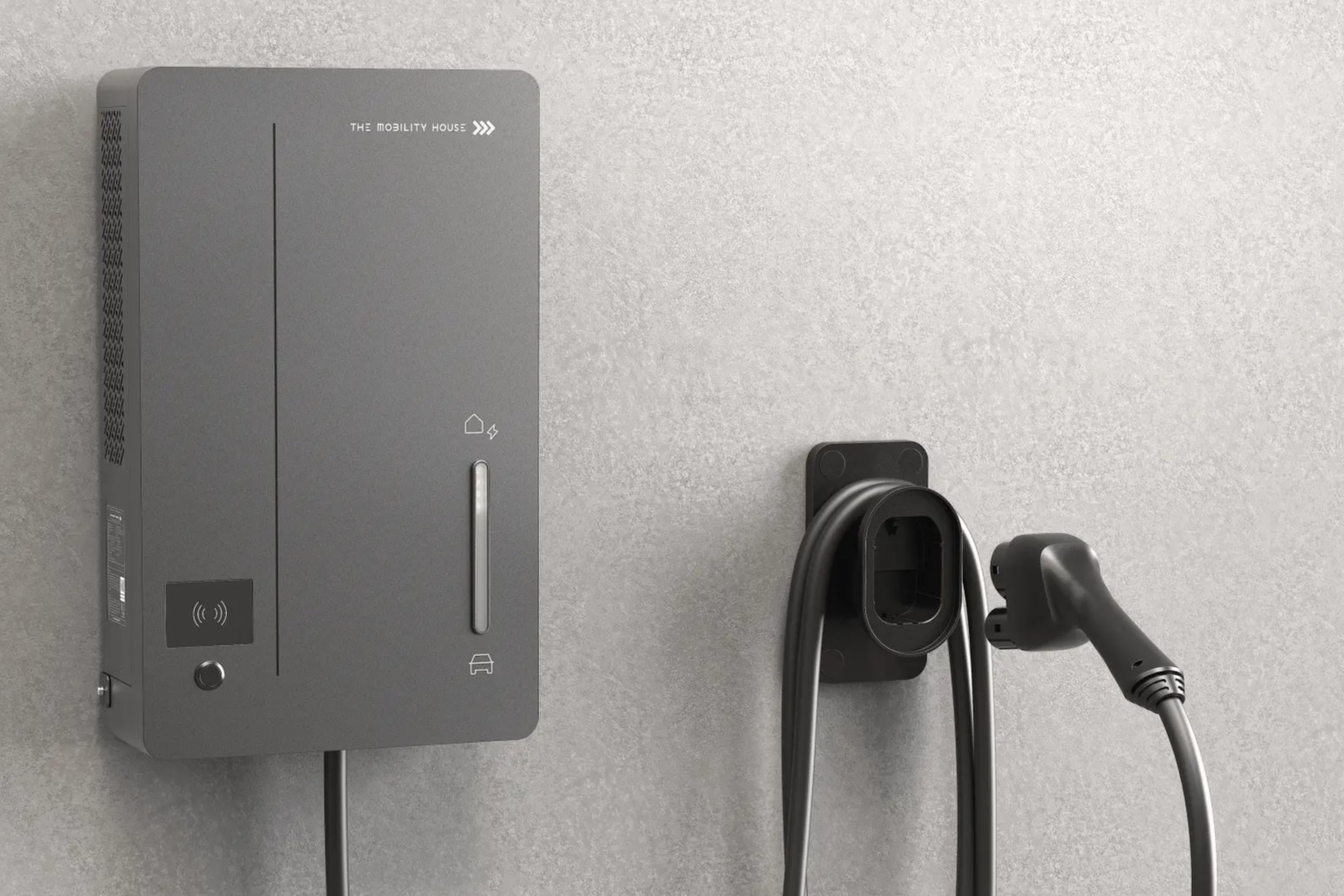
There are good reasons why many of today’s prominent vehicle-to-grid (V2G) projects use direct current (DC). With a DC solution, the direct current from the vehicle battery is converted into grid-compliant alternating current (AC) outside the vehicle. Much of the necessary power electronics sits in the wallbox, making it easier to integrate existing vehicles and handle the complex grid connection outside the vehicle.