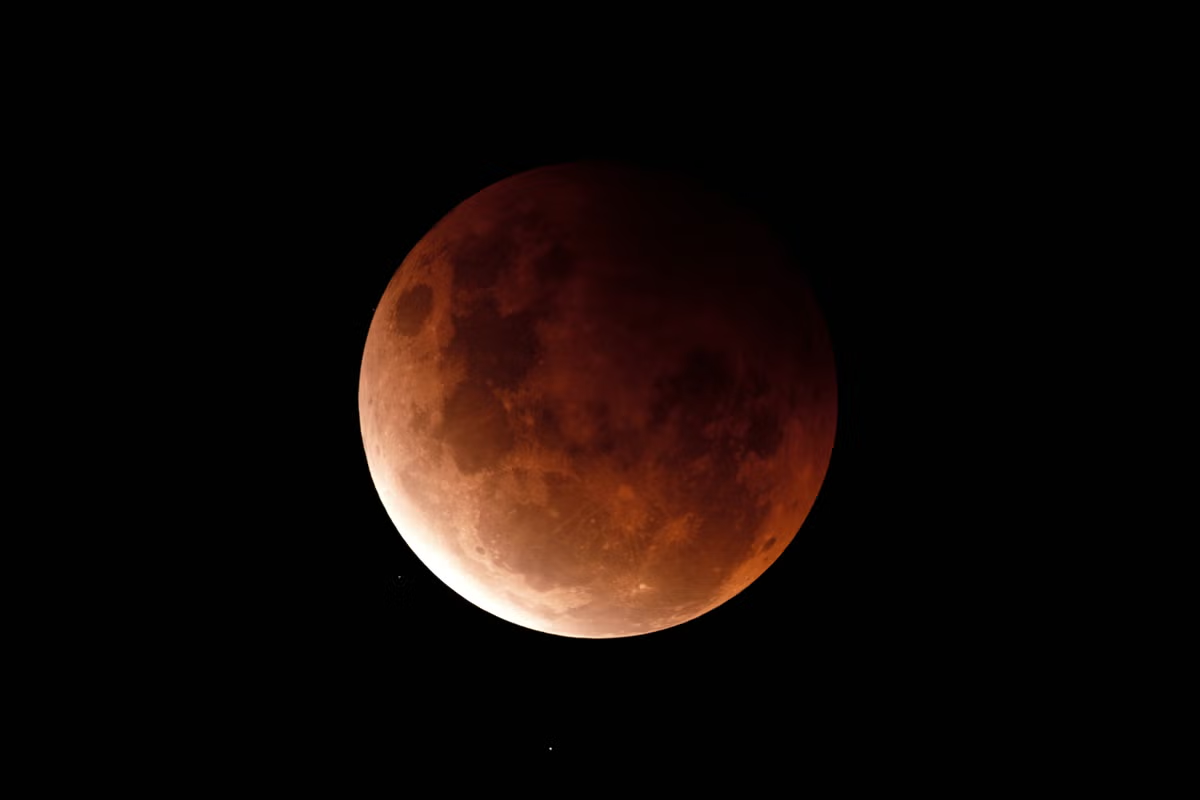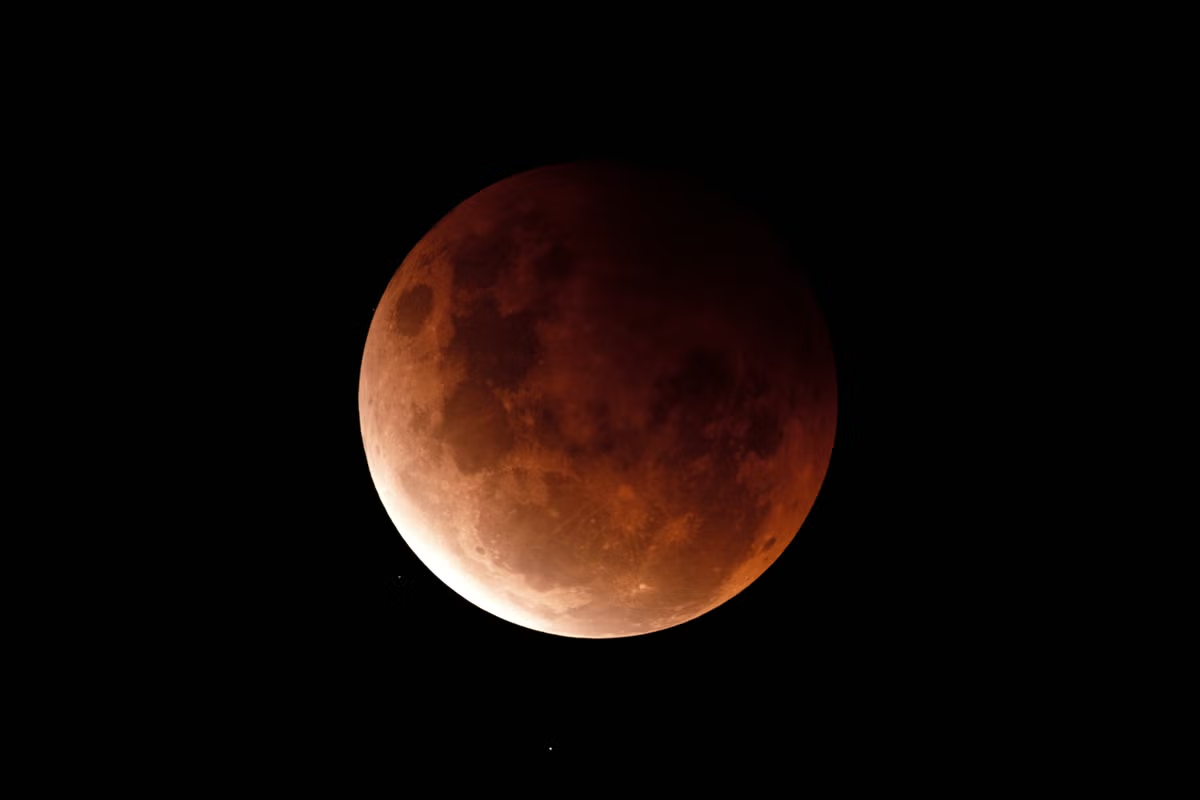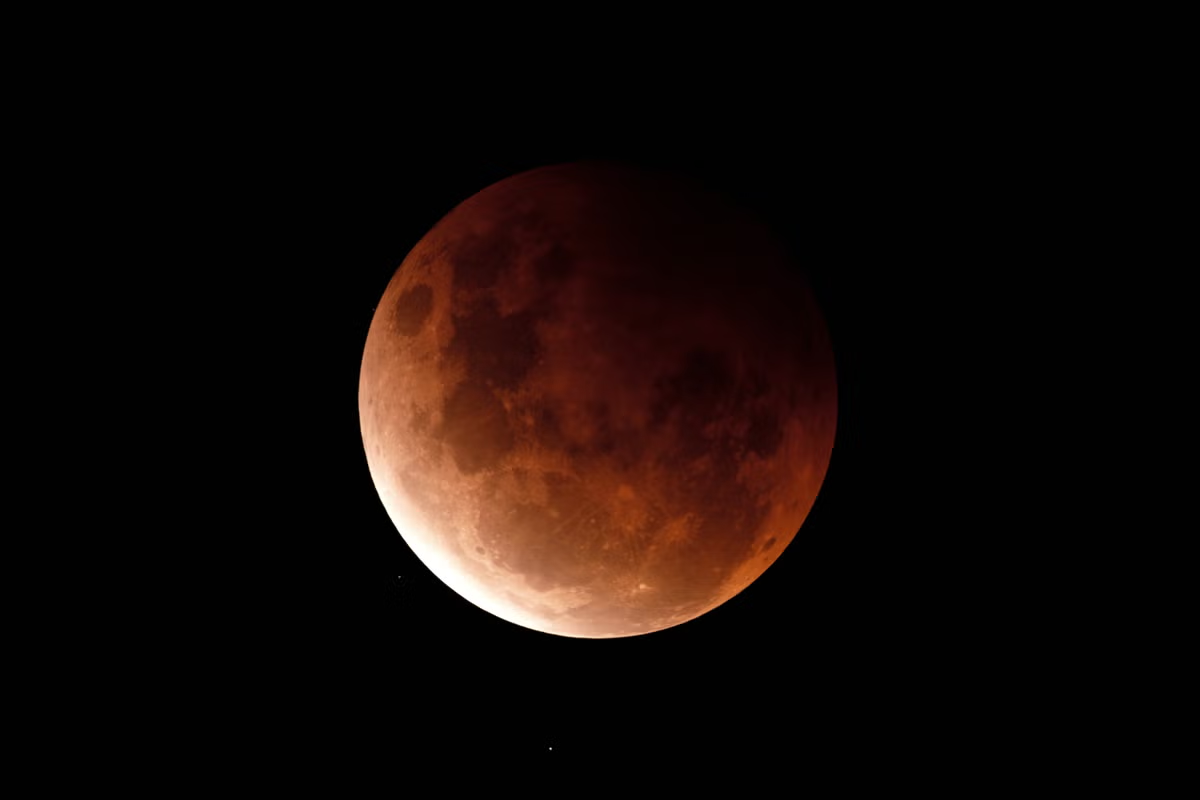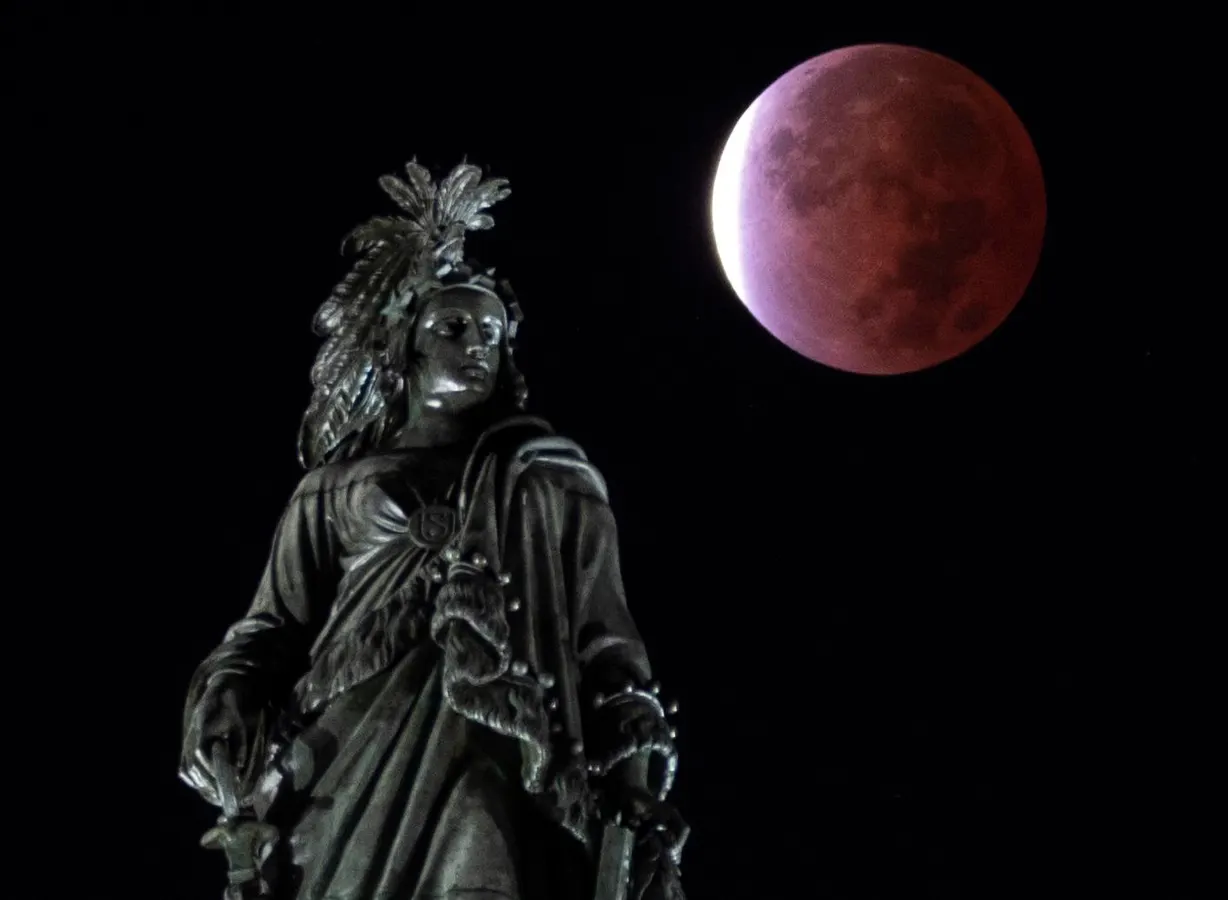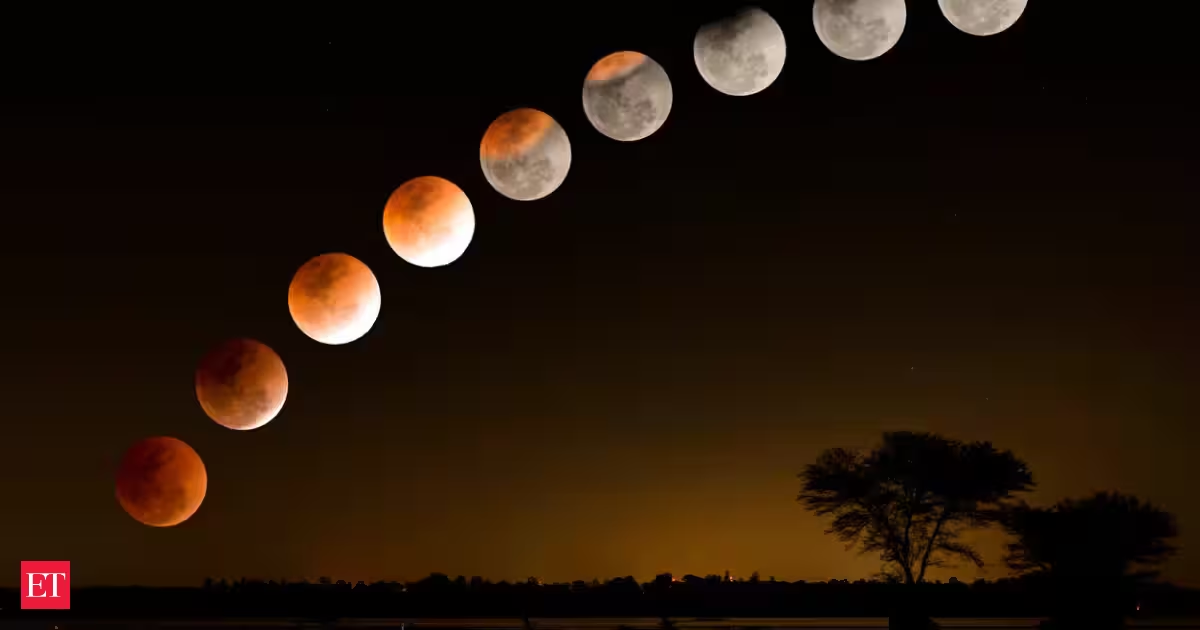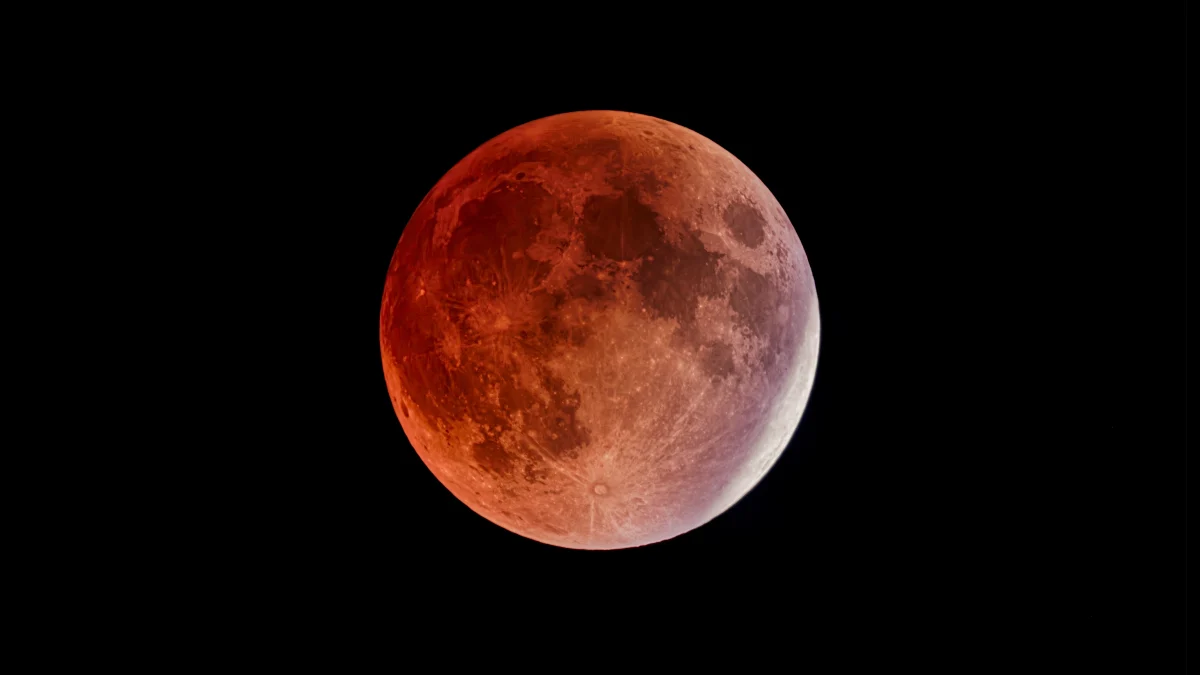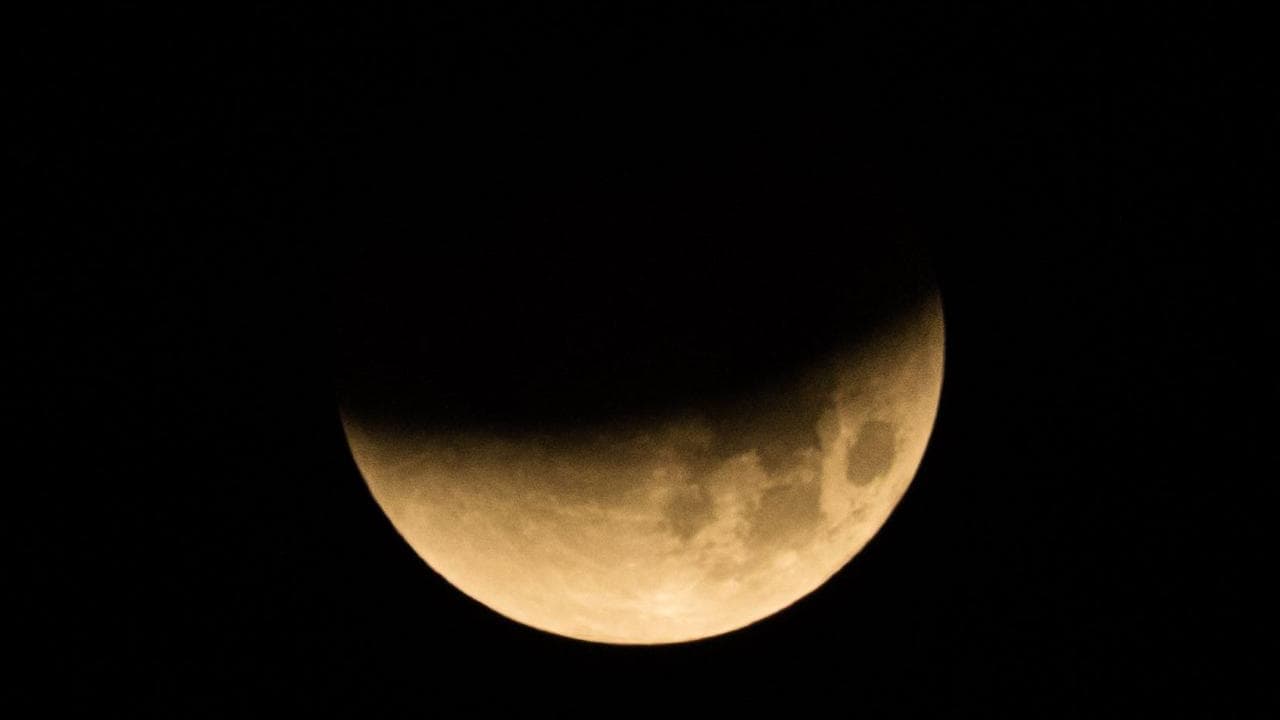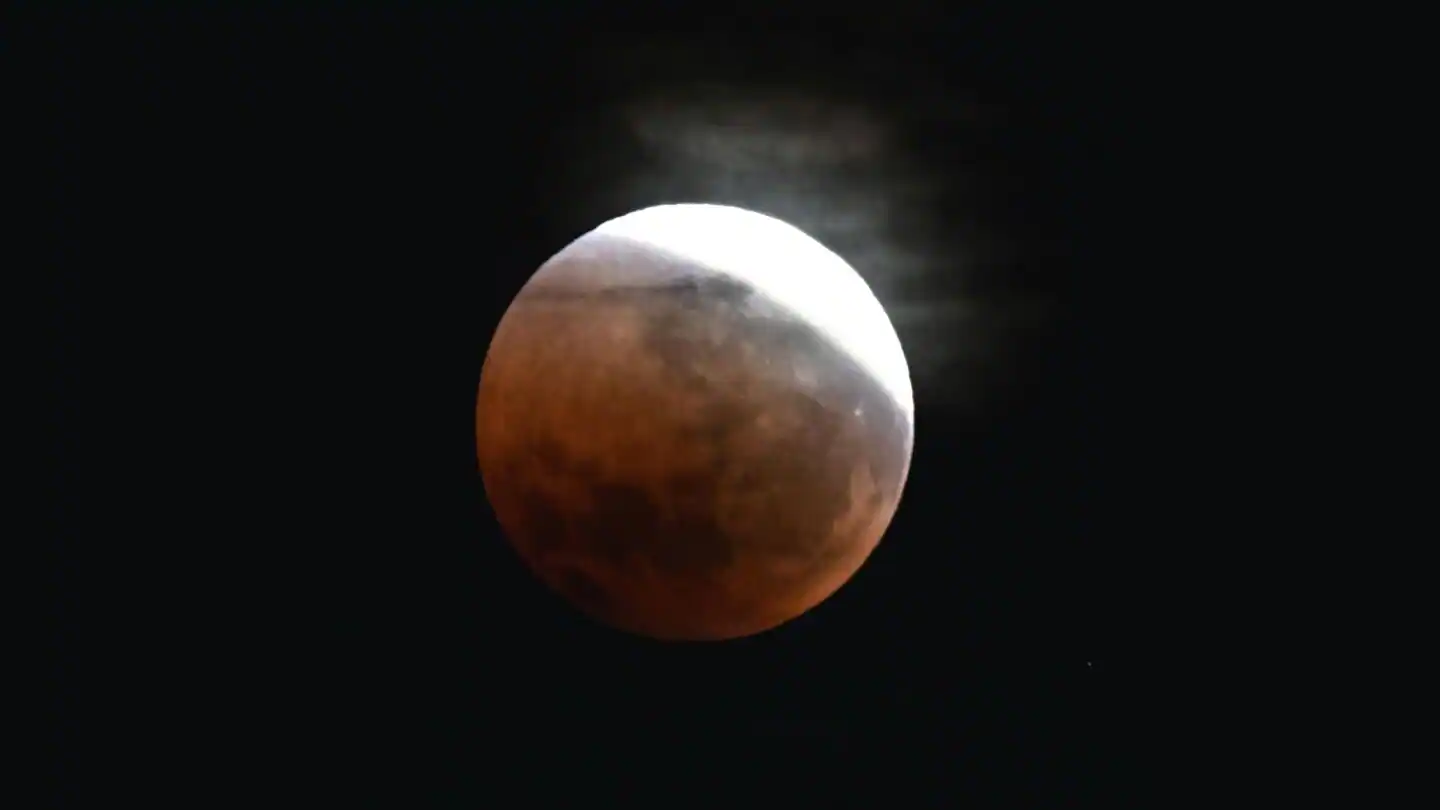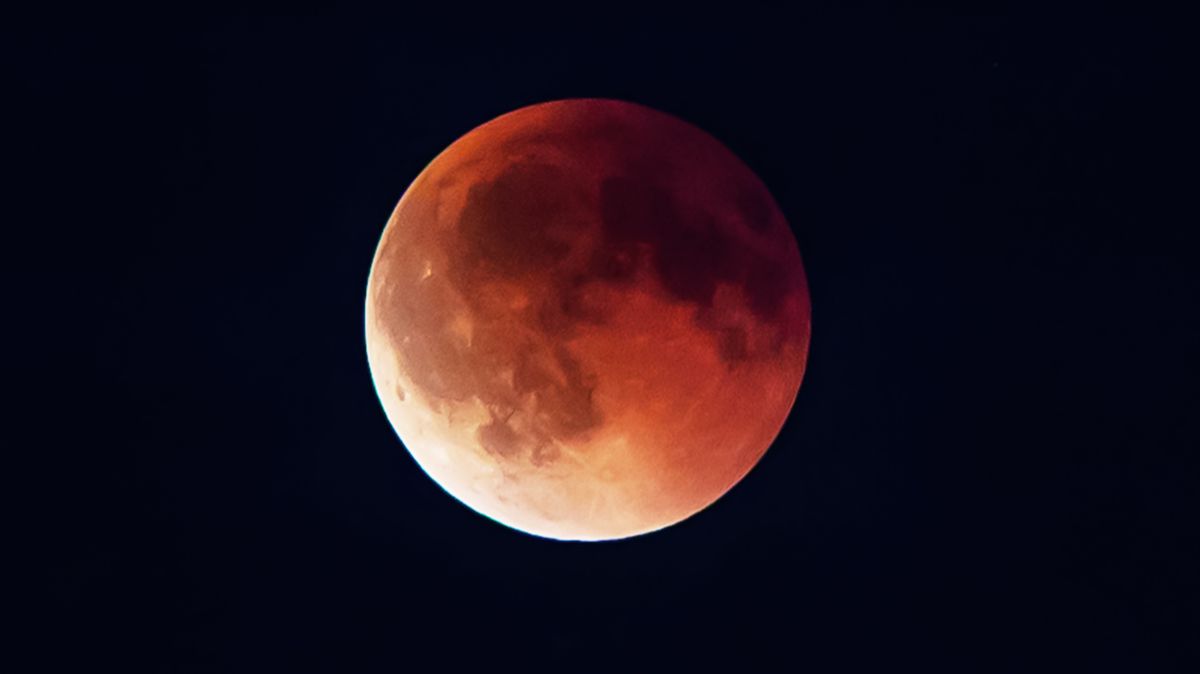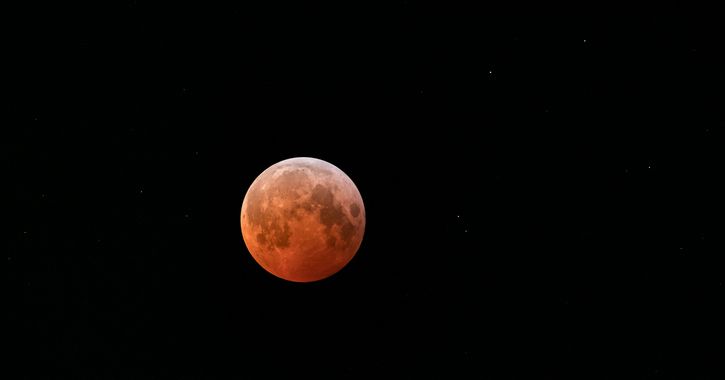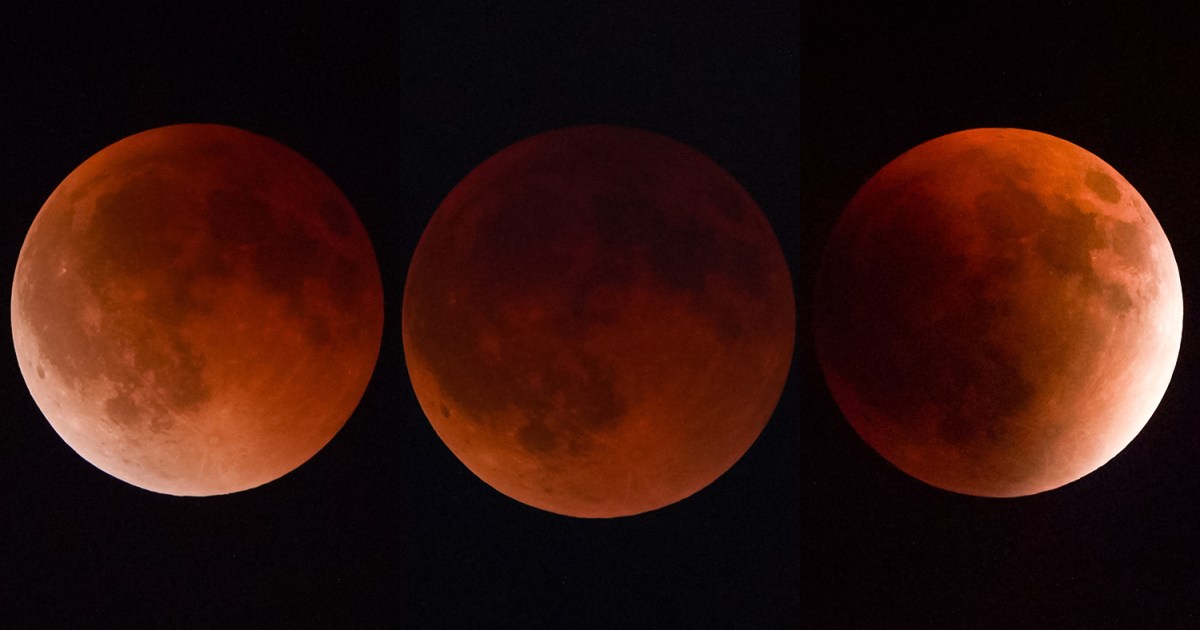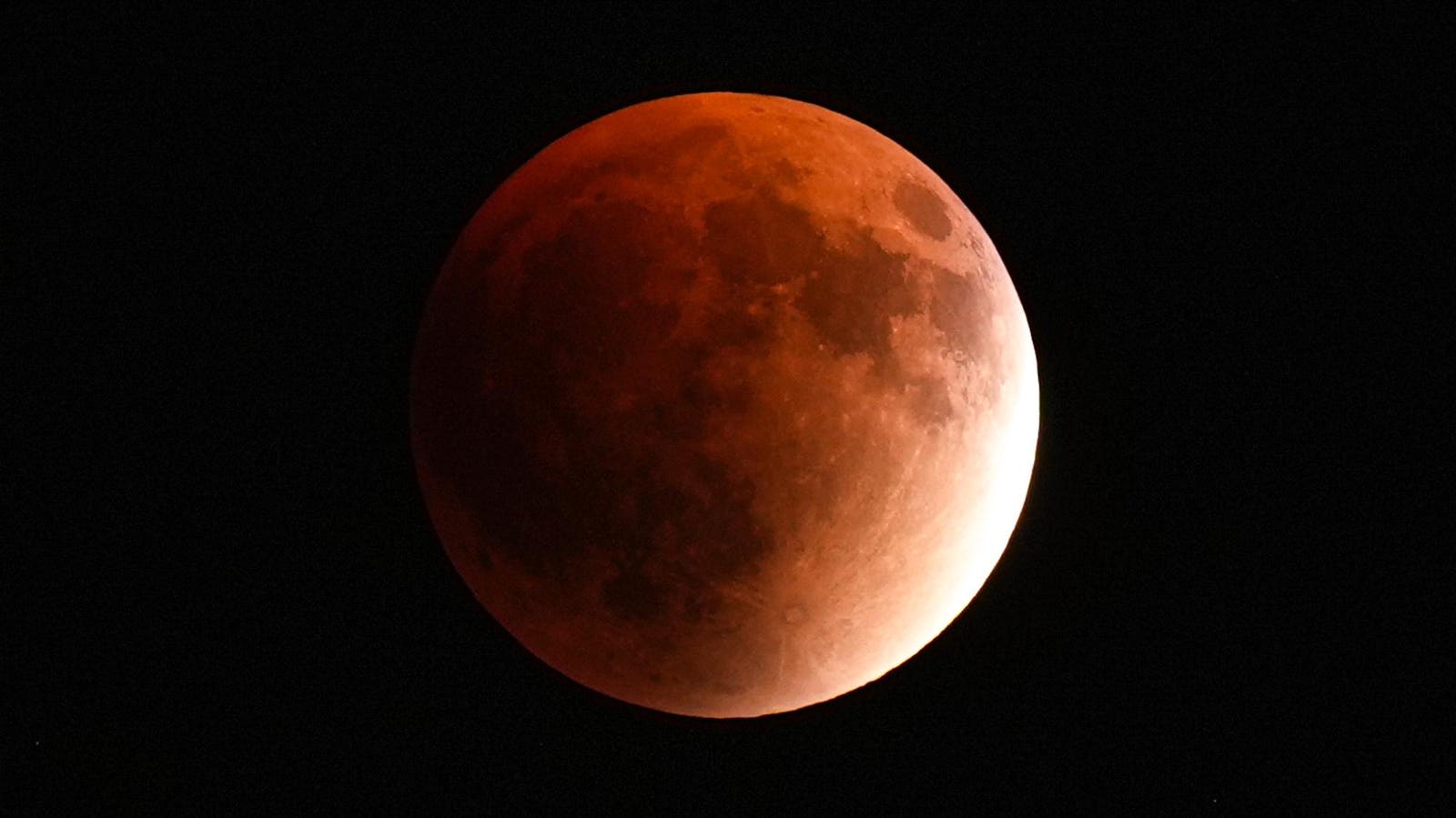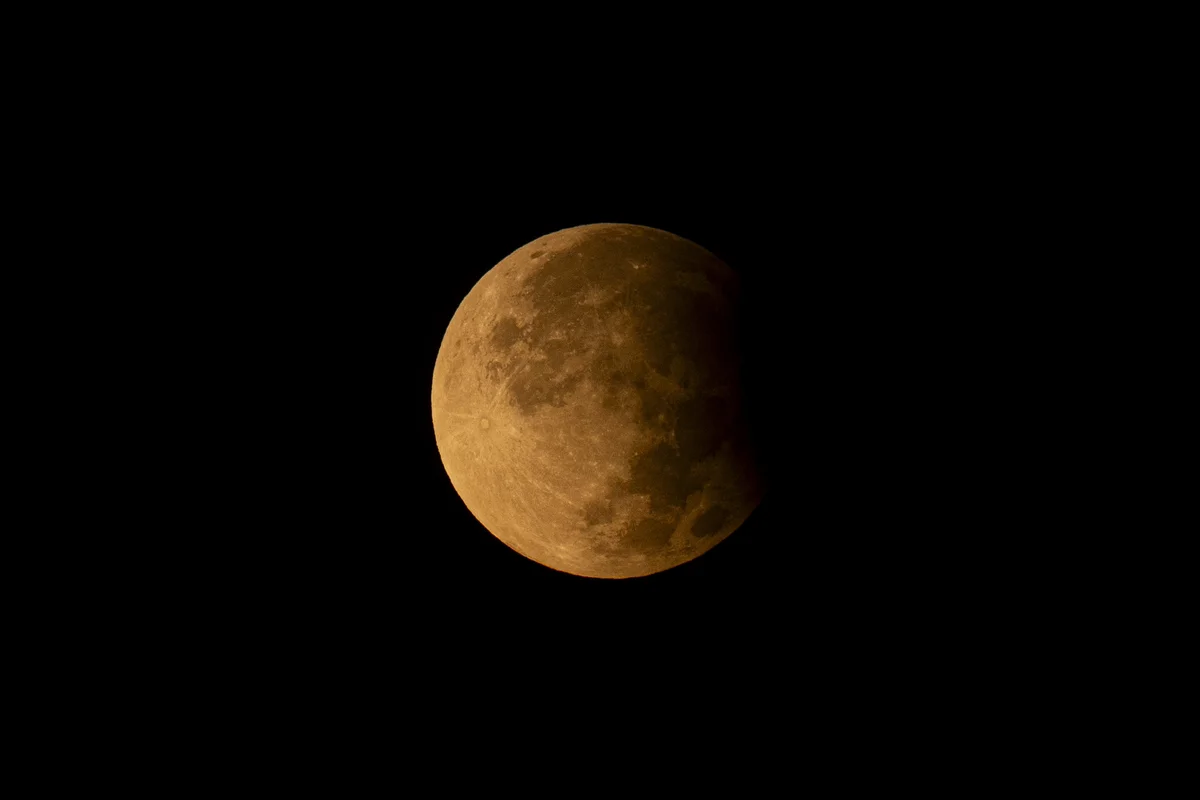
August 25, 20262 min read Add Us On GoogleAdd SciAmYou need to see the ‘blood moon’ lunar eclipse this weekThis near-total eclipse will be visible from the Americas, Africa, and Europe—here’s how to see itBy Jackie Flynn Mogensen edited by Claire CameronA partial lunar eclipse, as seen in Ankara, Turkiye on September 18, 2024 Anadolu/Getty ImagesJoin Our Community of Science Lovers!Sky gazers who were disappointed not to catch the total solar eclipse this month, we have a consolation prize. This week, people in the Americas, Africa, and Europe can expect to see a near-total lunar eclipse, as the Earth’s umbra—the shadow cast when the sun is blocked by Earth—covers 96.3 percent of the moon.The display begins on the night of Thursday, August 27 at around 10:34 P.M. EDT. At that point, the moon will start to slip into the Earth’s shadow.The moment of greatest eclipse will occur at around 12:13 A.M. EDT on August 28 (which happens to be Scientific American’s 181st birthday). Then, the moon is expected to become an almost “blood moon,” turning a reddish hue. The spectacle will be at least somewhat visible from any place in the U.S. except for certain areas of Alaska, according to NASA.On supporting science journalismIf you're enjoying this article, consider supporting our award-winning journalism by subscribing. By purchasing a subscription you are helping to ensure the future of impactful stories about the discoveries and ideas shaping our world today.A map showing where the eclipse will be visible in different phasesNASA Scientific Visualization StudioA lunar eclipse occurs when Earth passes directly between the sun and the moon. Because of how light bends and filters around our planet, blue light is scattered away, while red light is cast on the moon, hence the “blood moon” monicker.To see the eclipse, go outside to a safe, dark space at around 10:34 P.M. EDT on Thursday, as the moon begins to cut into the Earth’s umbra. Your eyes will need around 30 minutes to become accustomed to the dark.This week’s lunar eclipse follows a total lunar eclipse in March and will be the second and last of the year. But if you miss it, more celestial events are coming in 2027.Two solar eclipses will take place next year—one on February 6 and the other on August 2. But you might want to make this lunar eclipse count: Three lunar eclipses in 2027 will be “penumbral”—meaning, the moon will pass through the fainter part of the Earth’s shadow, the penumbra, which won’t make quite as spectacular a view. The next total lunar eclipse will take place on New Year’s Eve 2028—what a way to ring in 2029!It’s Time to Stand Up for ScienceIf you enjoyed this article, I’d like to ask for your support. Scientific American has served as an advocate for science and industry for 180 years, and right now may be the most critical moment in that two-century history.SciAm always educates and delights me, and inspires a sense of awe for our vast, beautiful universe. I hope it does that for you, too.If you subscribe to Scientific American, you help ensure that our coverage is centered on meaningful research and discovery; that we have the resources to report on the decisions that threaten labs across the U.S.; and that we support both budding and working scientists at a time when the value of science itself too often goes unrecognized.In return, you get essential news, captivating podcasts, brilliant infographics, can't-miss newsletters, must-watch videos, challenging games, and the science world's best writing and reporting. You can even gift someone a subscription.There has never been a more important time for us to stand up and show why science matters. I hope you’ll support us in that mission.
You need to see the ‘blood moon’ lunar eclipse this week
This near-total eclipse will be visible from the Americas, Africa, and Europe—here’s how to see it
619 words~3 min read