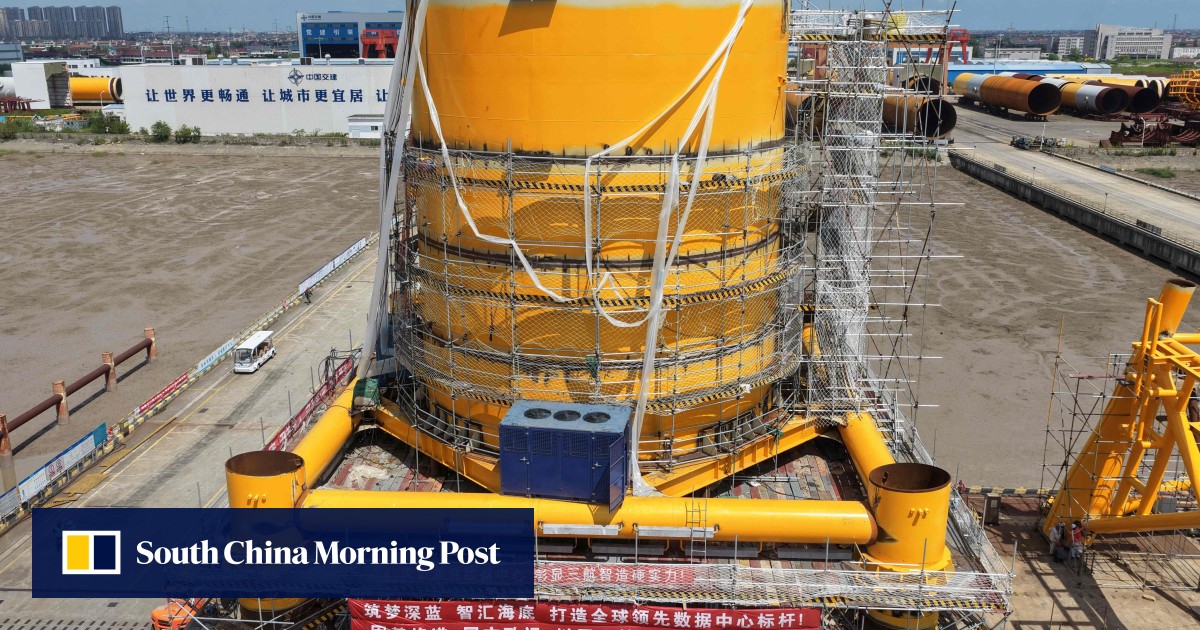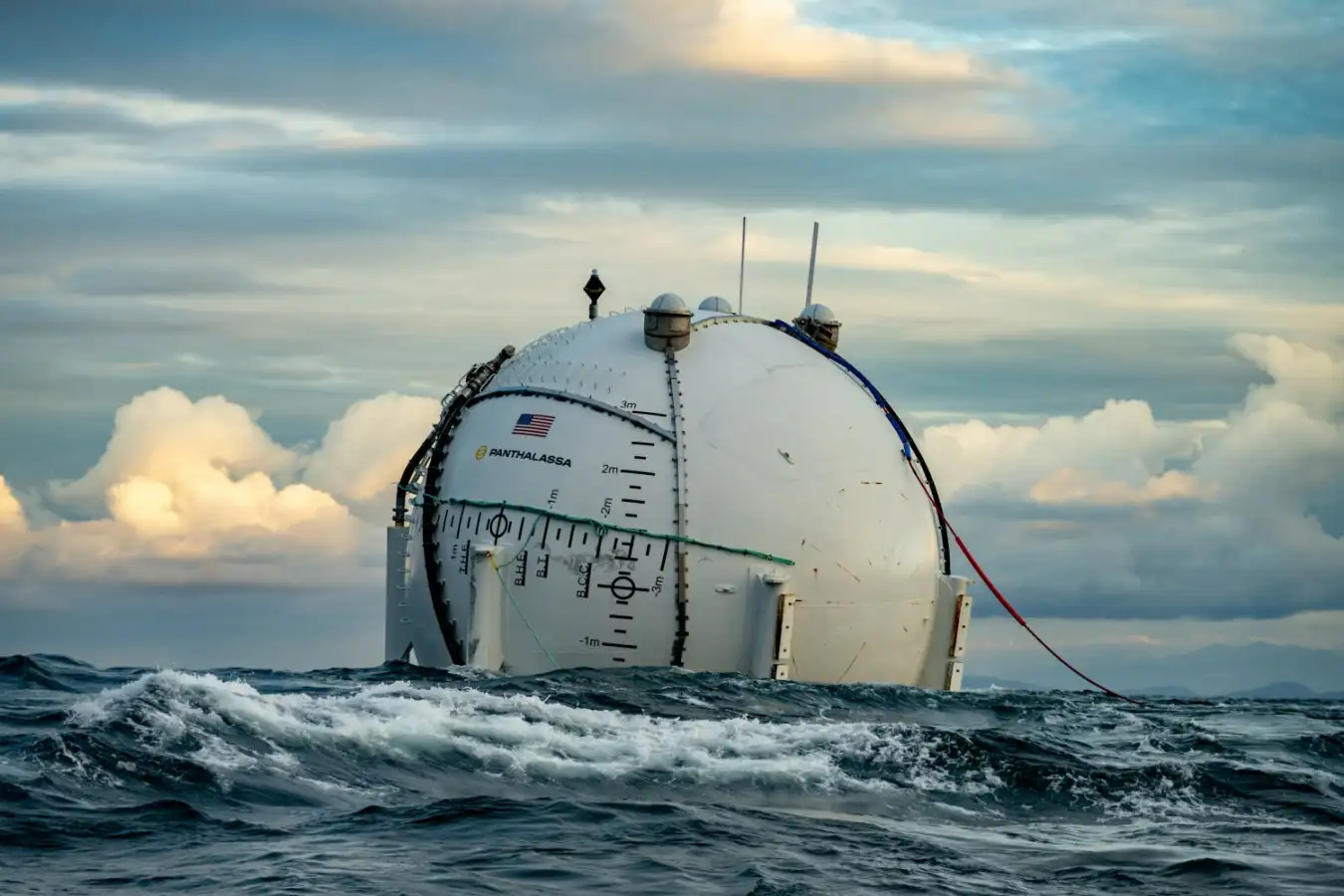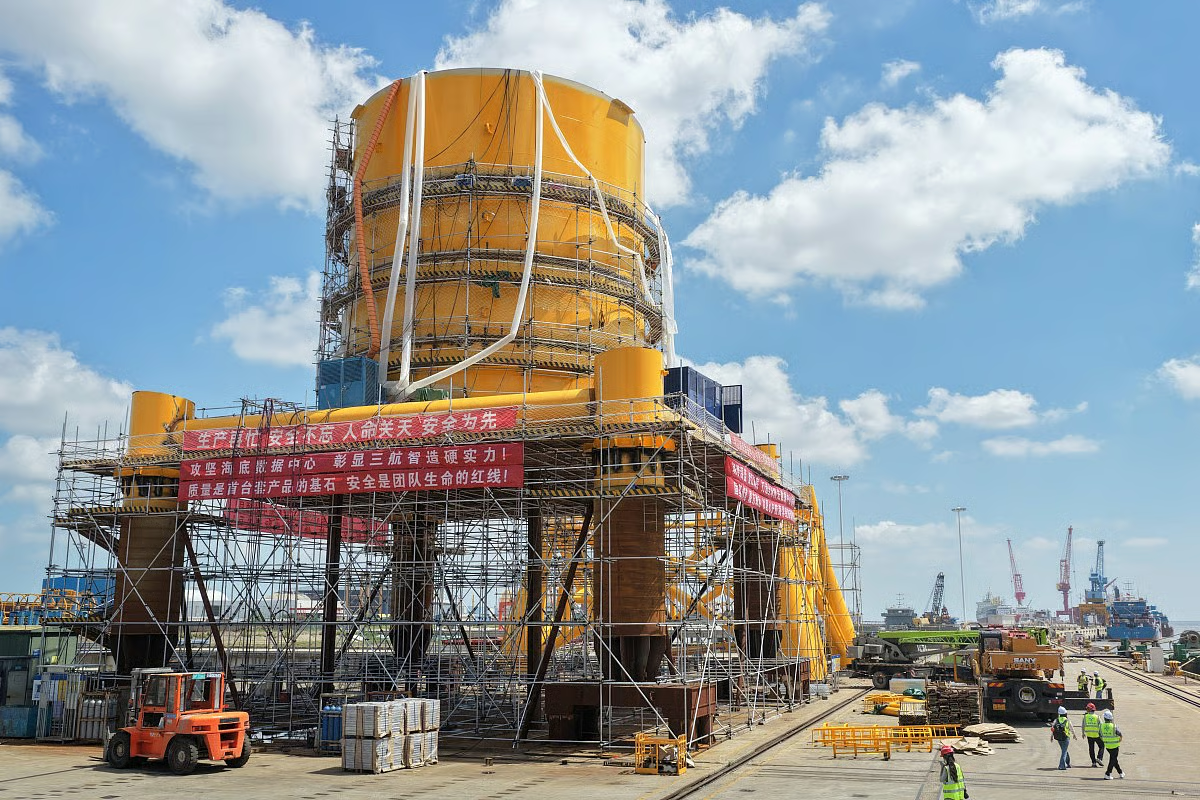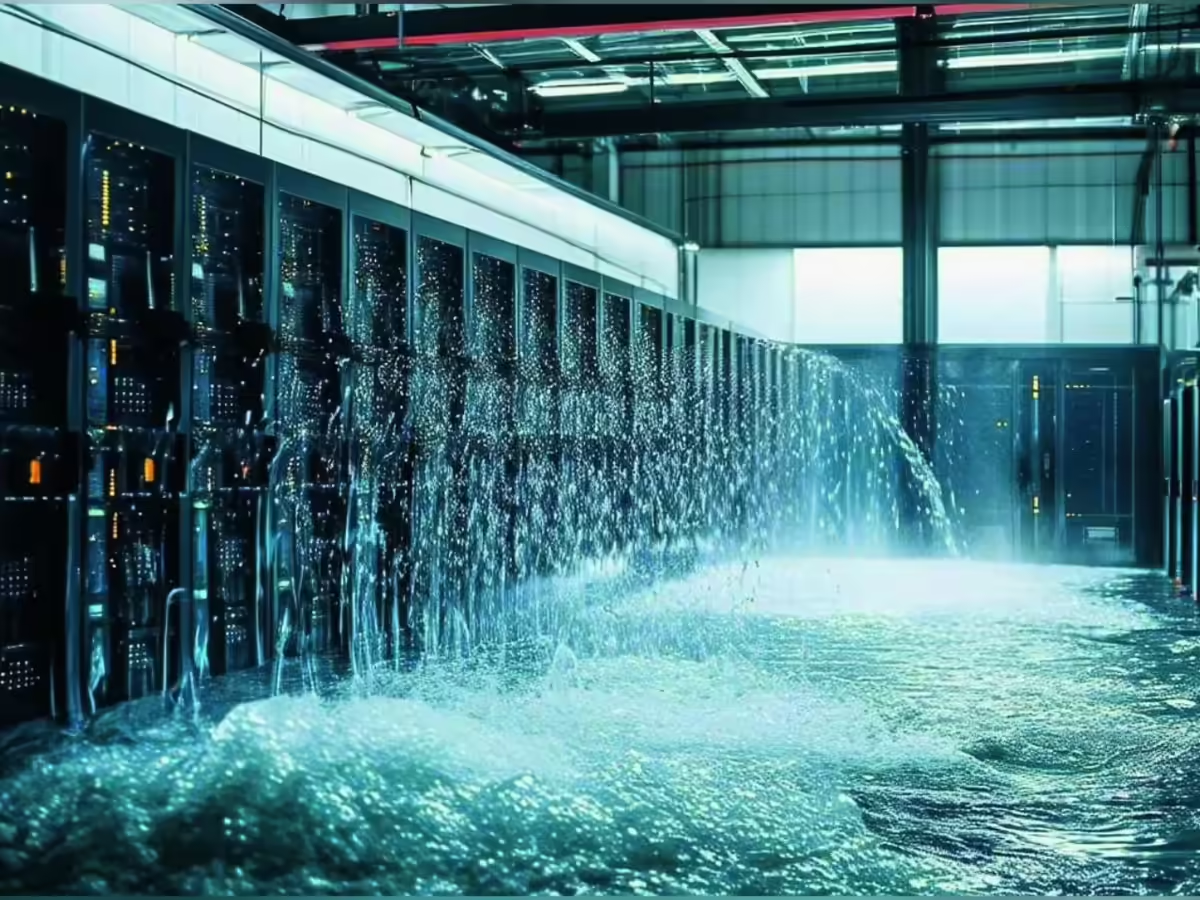
But moving servers into the ocean does not make other underlying environmental challenges such as energy consumption and carbon emissions disappear. And it creates new concerns about harm to the marine environment, as well as questions about how these data centers can be regulated – and how companies can maintain and expand them if needed. Whether underwater data centers can become sustainable alternatives to traditional data centers depends on solving these economic, technical and environmental problems.An underwater data center is under construction in a Chinese shipyard in September 2025. CN-STR / AFP via Getty Images
The rise of ocean-based AI infrastructure
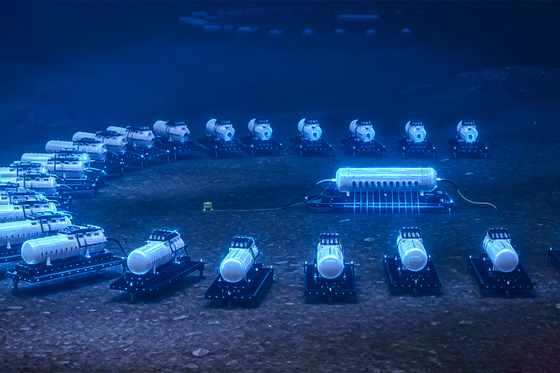
In 2015, Microsoft launched a research project to explore the feasibility, benefits and challenges of underwater data centers. Part of that effort included setting up a waterproof data center on the seafloor near Scotland’s Orkney Islands in 2018. It contained 864 servers and was connected to shore by an underwater cable.
After two years, Microsoft reported that the servers in the underwater data center failed at about one-eighth the rate of servers in comparable land-based data centers. The company is still studying the possible reasons but hypothesizes that in a sealed underwater environment the equipment is less exposed to oxygen, humidity and temperature fluctuations – as well as less jostling from people working to replace broken components.