So incredibly stable, govt branches, banks and dentist offices still haven't figured out how to close it
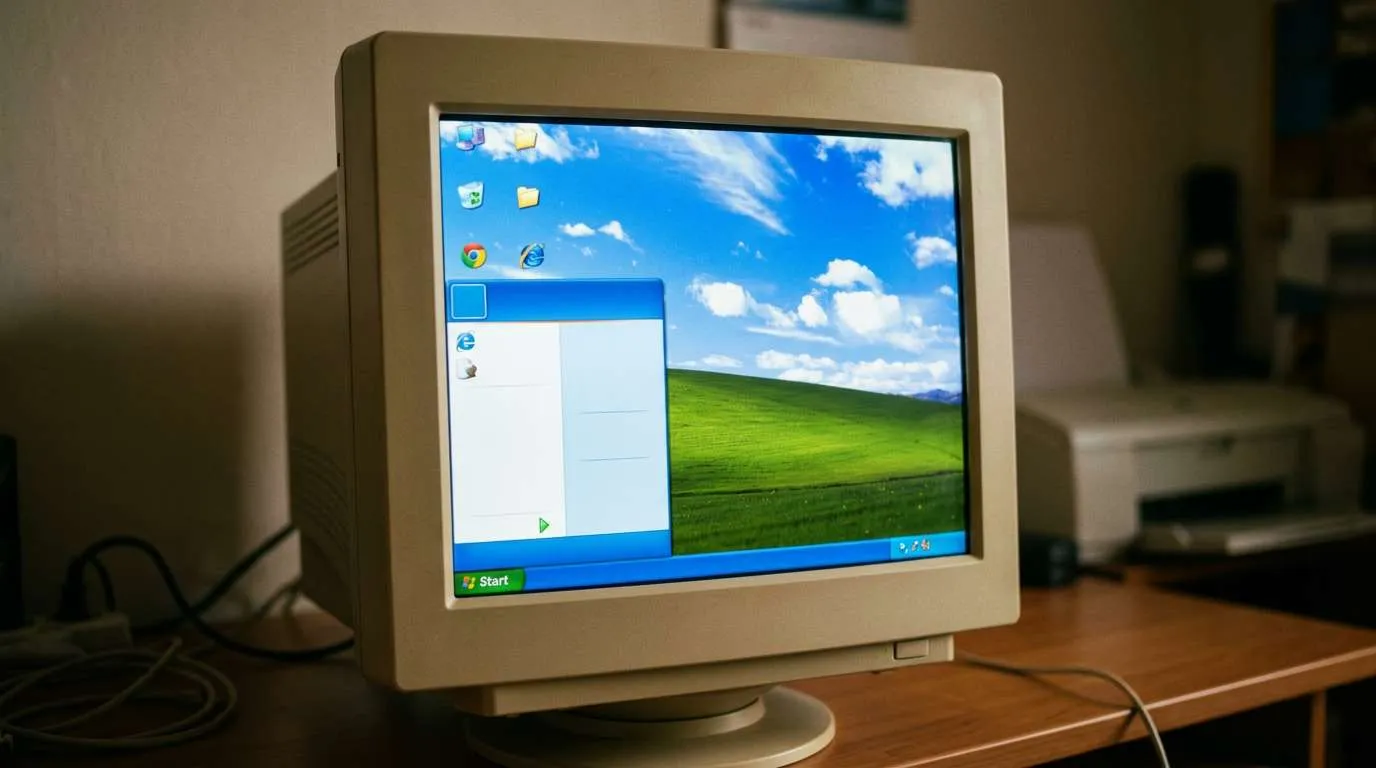
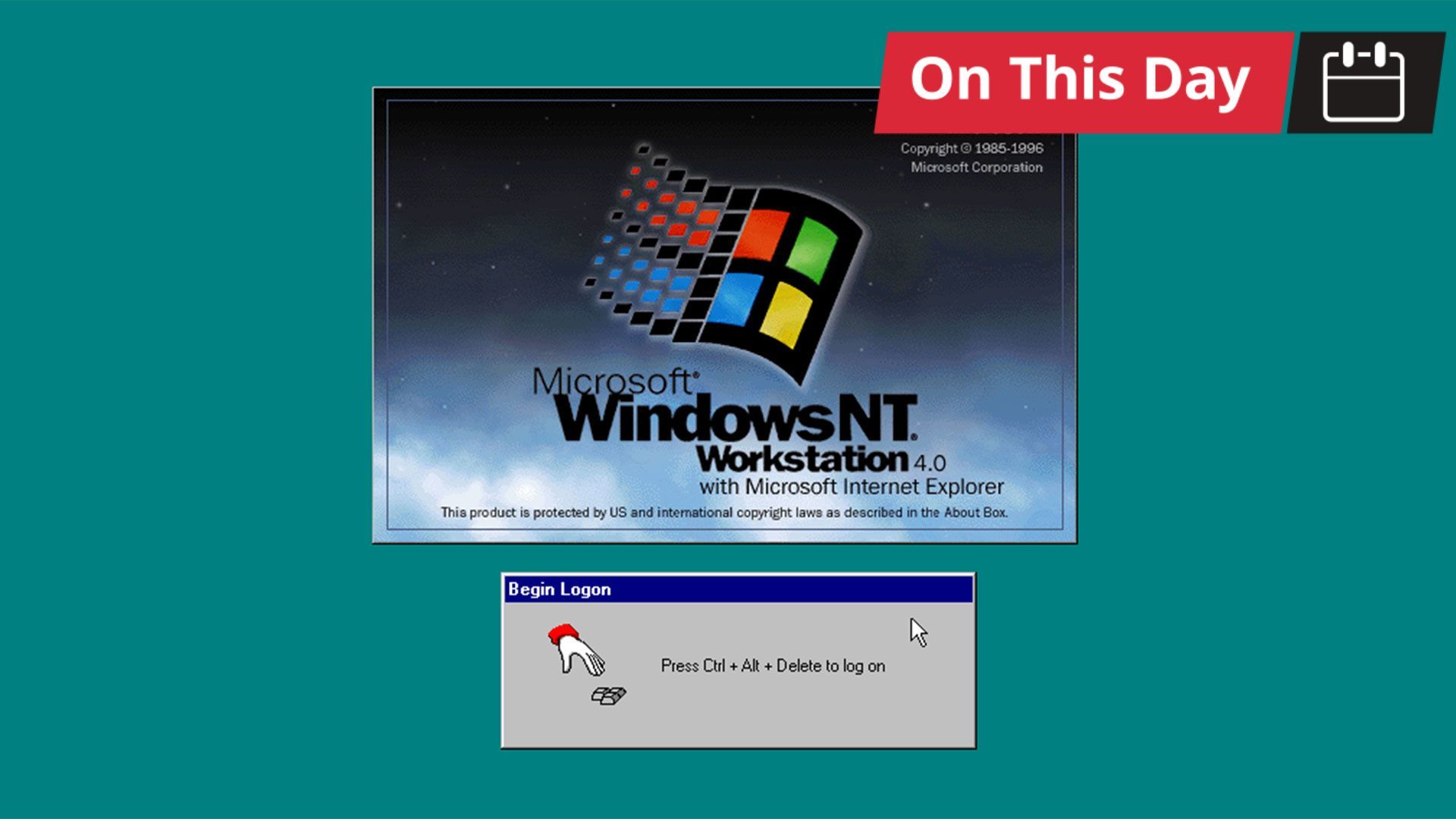
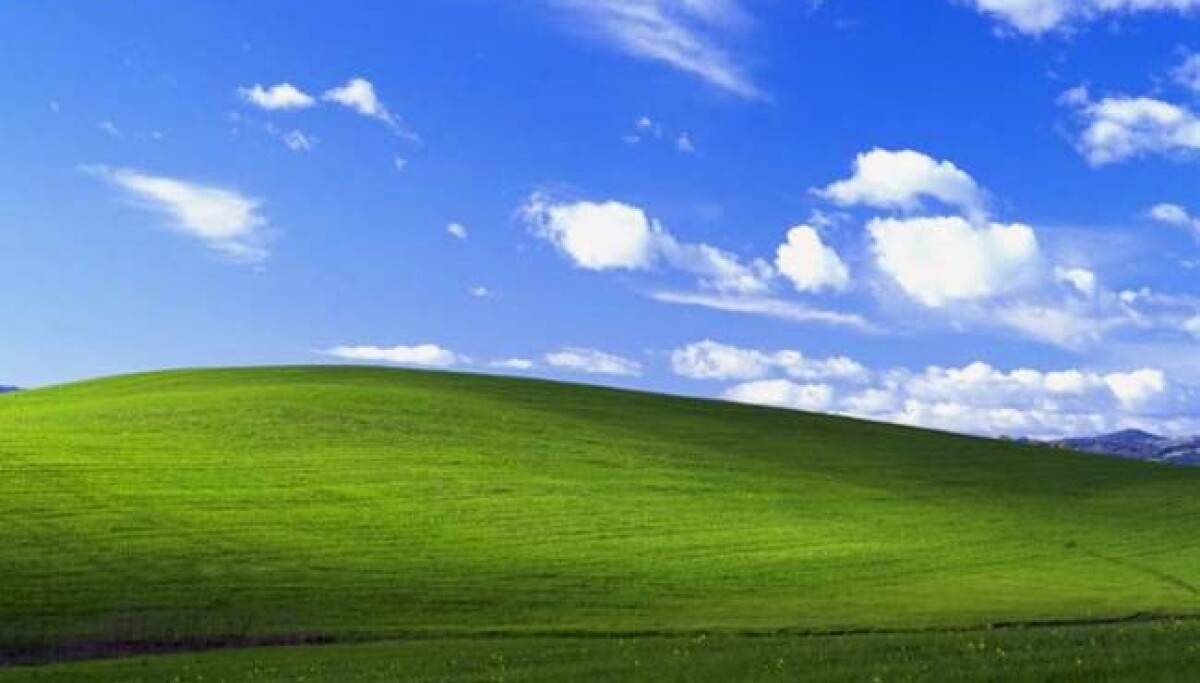
It is a quarter of a century since Microsoft packed Windows XP off to manufacturing, finally drawing a line under the Windows 9x codebase (behind Windows 95, 98, and Me) and making Windows NT something for consumers.Before Windows XP, consumers and businesses lived in two different software worlds. XP was released to manufacturing on August 24, 2001, succeeding Windows 2000 for professionals and Windows ME (Millennium Edition) for home users. Compared to Windows ME, XP was rock solid (although, to put things in perspective, compared to Windows ME, an elephant perched on a traffic cone is rock solid.)Codenamed Whistler, the operating system marked the start of Microsoft's relentless tinkering with the Start Menu it introduced in Windows 95. With XP, the Windows maker moved to a two-column layout, and took the chance to overhaul the user interface entirely.
Redmond engineers tweaked the taskbar too, and introduced grouping by application. As many will fondly remember, they also brought in plenty of visual effects and new icons. And Microsoft made an effort, although this was not always successful, to make backward-compatibility a viable option for that one, weird application that could not be ditched.