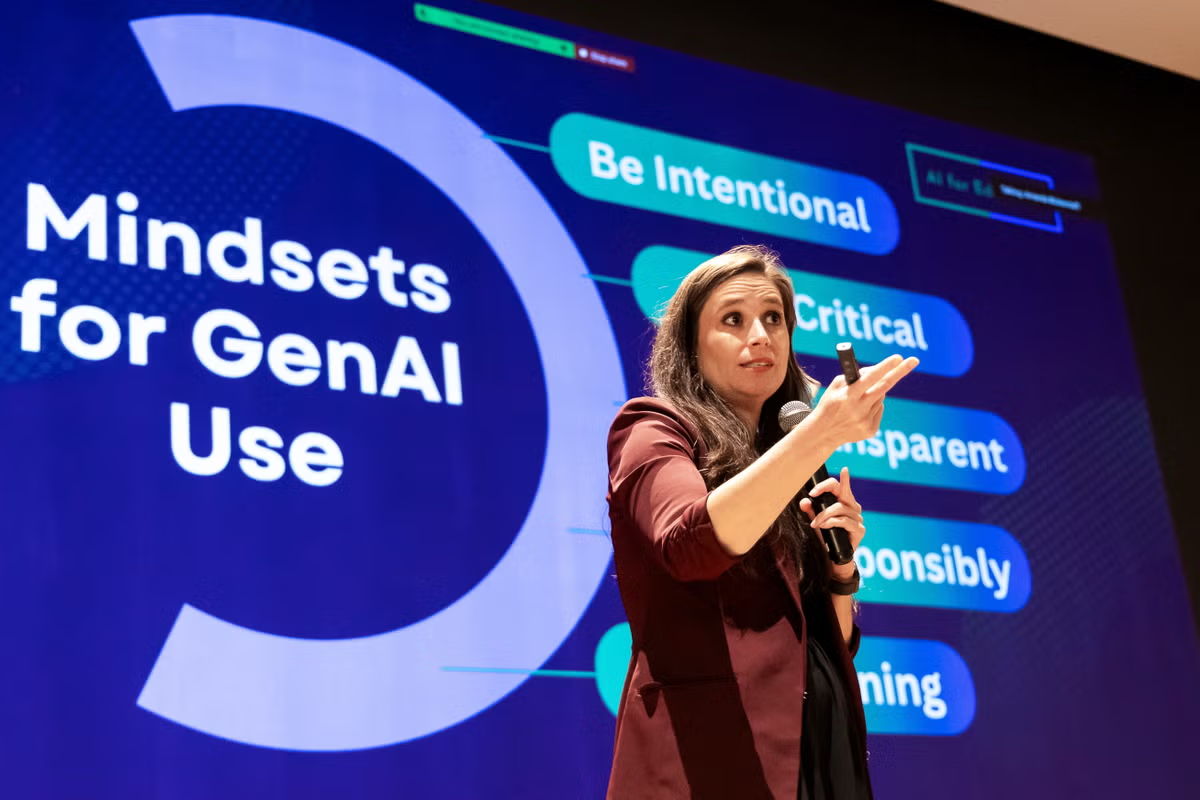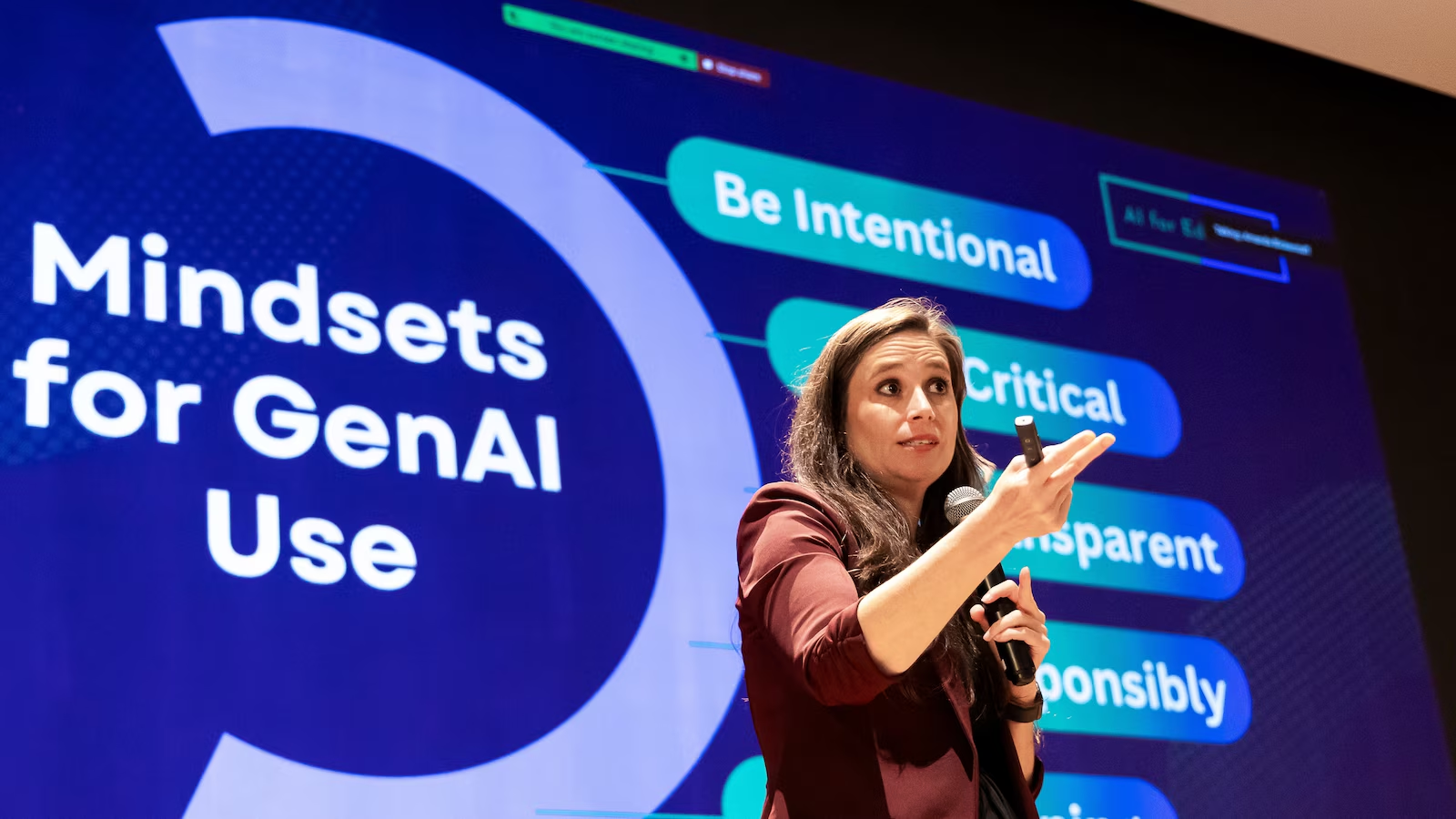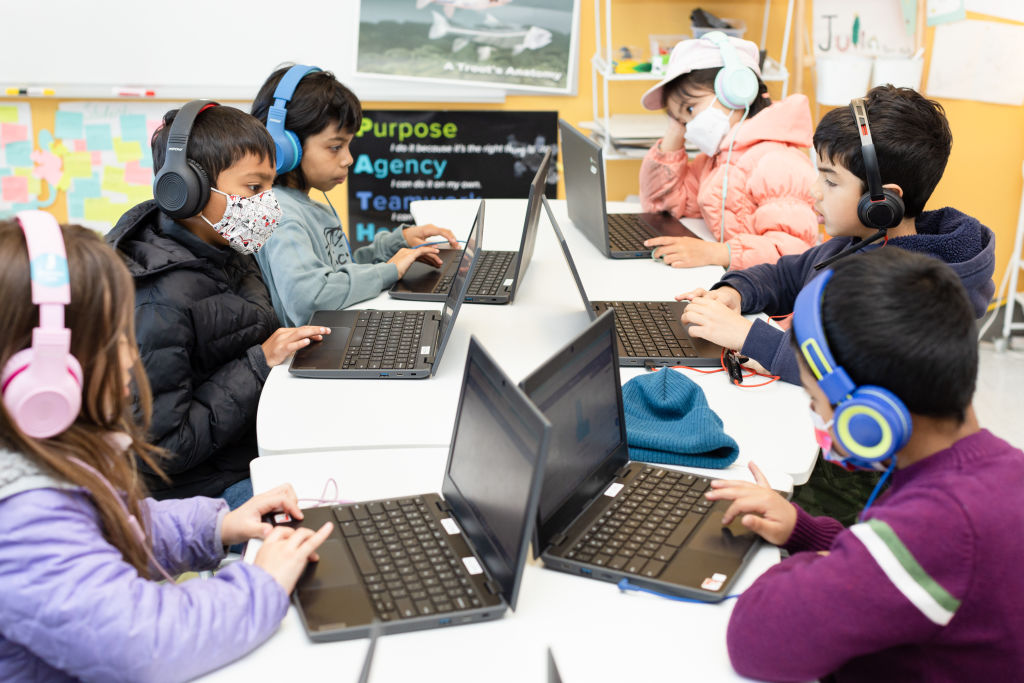
Organizations ranging from OpenAI to UNESCO encourage AI use in the classroom, but many teachers aren’t sure how to handle it. Yet some promising approaches are emerging. At Cheshire Academy, for example, teachers are trained on general techniques for using AI rather than prescribed tools. They use generative AI to prepare class materials, and one teacher has developed a traffic light system that tells students when they can use AI for assignments.
The school has also explored specialized tools including an AI platform for educators. Here’s how it works—and how other teachers can apply it. —Peter HallThis article is from Making AI Work, our limited-run newsletter examining how to apply LLMs across industries. To receive it in your inbox, sign up here.
I spent a day at a robot “carnival” in Shanghai. Here’s what I saw. —You Xiaoying Applause rings out from the main tent of a robot “carnival” on the outskirts of Shanghai. There, a humanoid wearing a blinged-out top is showing off a martial arts style known as drunken boxing as a fellow humanoid performs a front flip to woo the crowd. The audience can’t get enough. They chant: “More, more, more.” Humanoid robots are having a moment in China. The popular machines are part of the country’s strategy to bring AI into daily life. Nearly 90% of the more than 13,000 two-armed, two-legged robots delivered globally last year were made in China. Showcases like this event are important because they invite the public to experience robots up close. And exposure matters, as elsewhere, humanoids’ progress has been slow, Take a tour of the robot carnival to see what it reveals about China’s humanoid ambitions. This story is from the next issue of our print magazine, which is all about kids. Subscribe now to get a copy when it lands. The must-reads