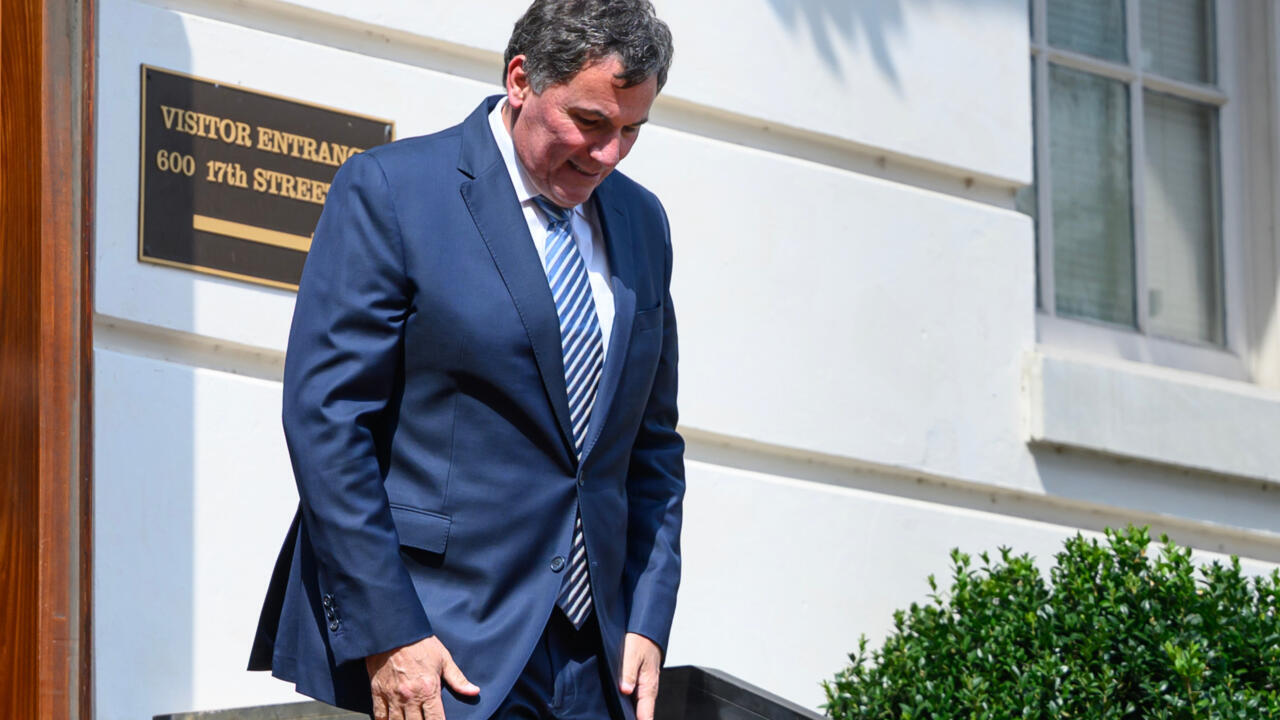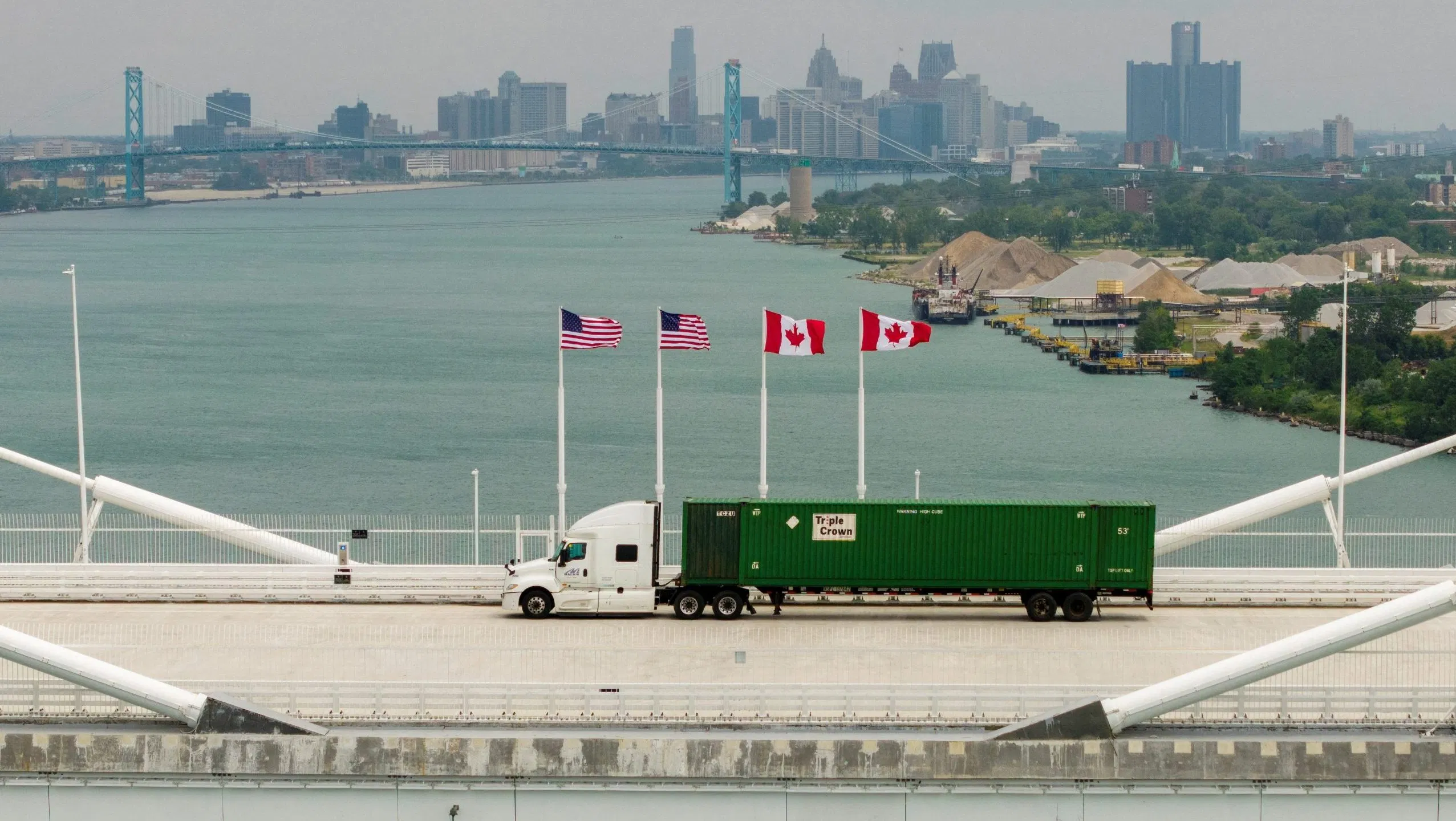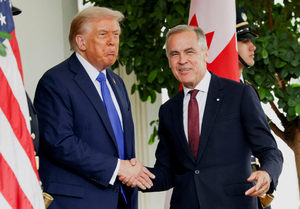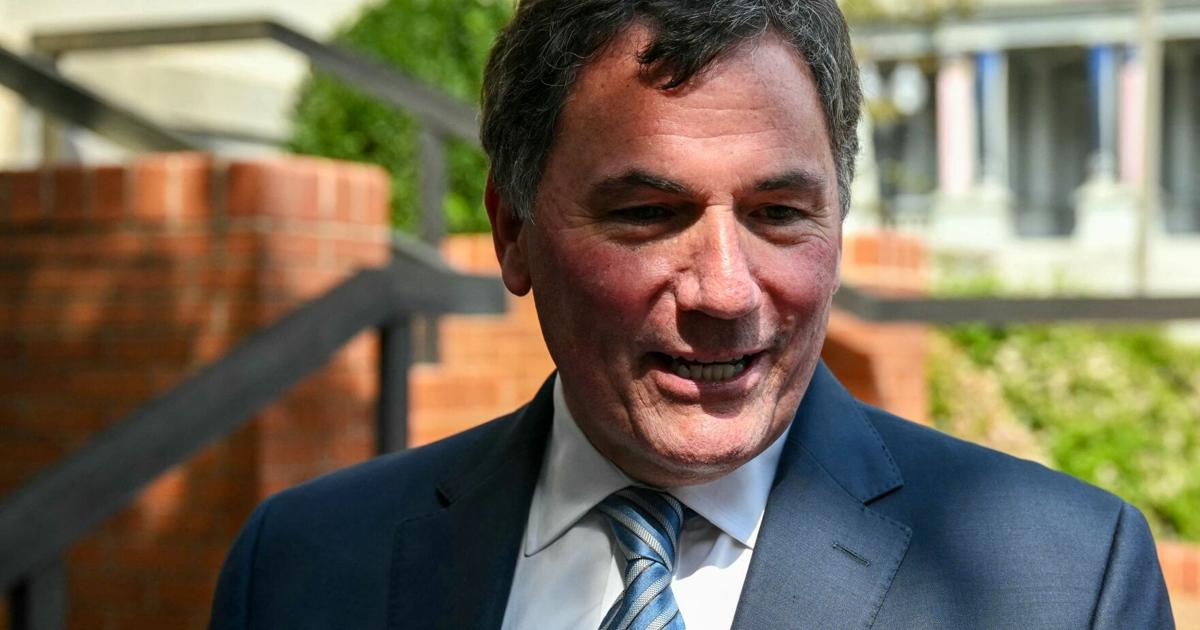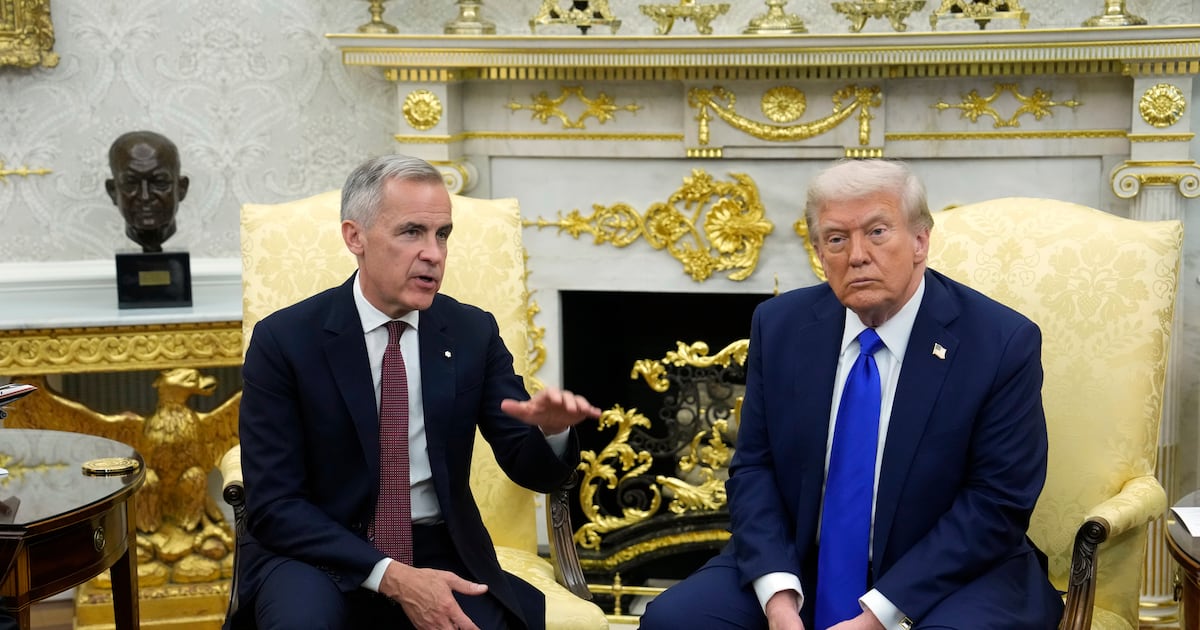
The clock ticked toward midnight on Friday. New US tariffs on Canada were about to come into effect and negotiators cooped up across the street from the White House were still plodding through the differences on each side. Aides shuffled in and out with new drafts, adjusting and readjusting.
US officials said they had offered Canada the best trade deal of any nation. Canadians believed it was a bad one. In the waning hours, both sides dug in even more.
One Canadian negotiator said it was as if “shadow figures were suddenly in the room,” raising topics that had supposedly been settled in previous days.
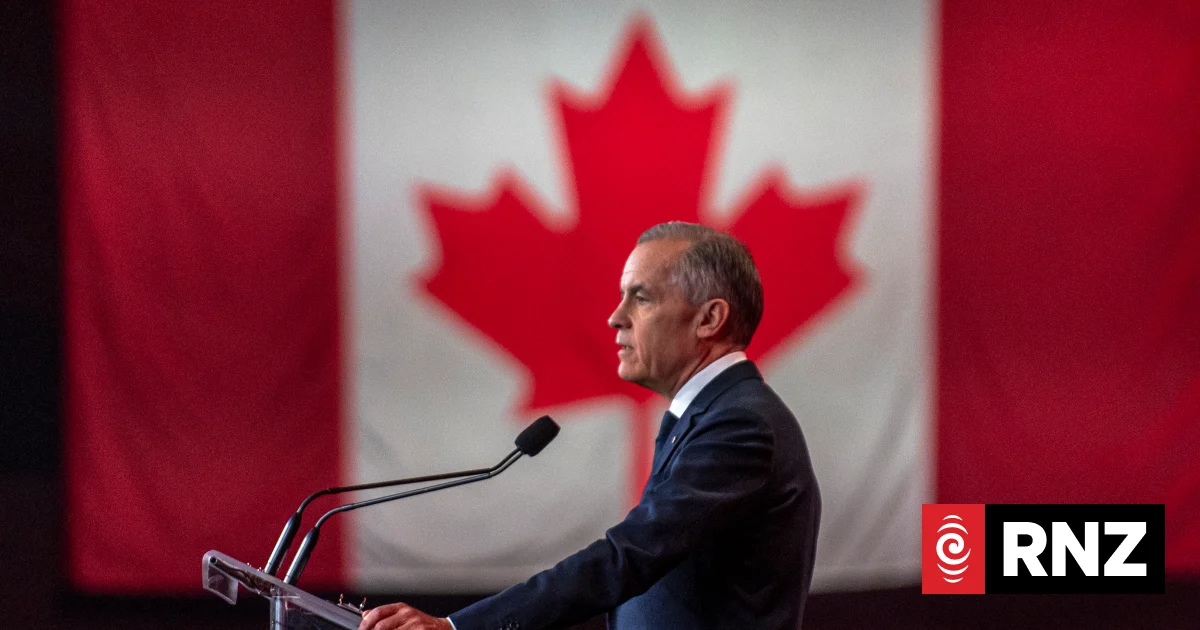
Back in Ottawa, prime minister Mark Carney got off the phone with Doug Ford, the premier of Ontario. Ford had told him plainly: Don’t take the deal.
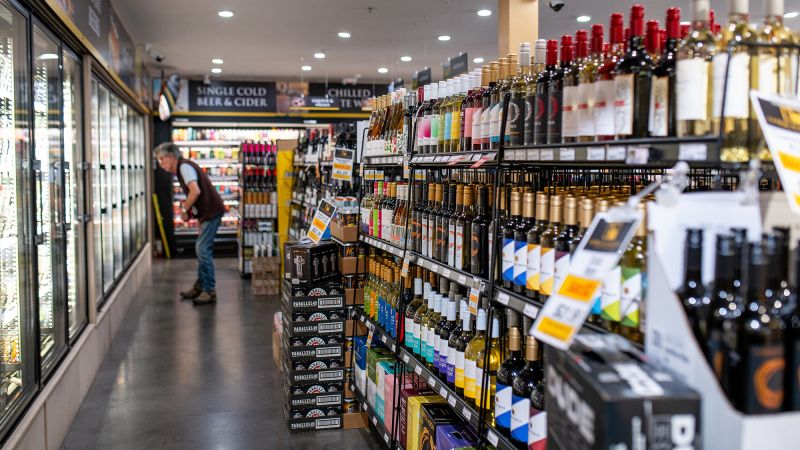
Ford told Carney he would not comply with a key US demand: restoring the sale of US alcohol that he, alongside most other provincial leaders, had banned. American tariffs on Canadian steel and automobiles were still too high to enable their long-term survival, Ford had decided.