Research finds households in South Korea moving into lower tariff tiers after installing PV systems can offset 11% to 22% of expected energy savings, while net metering can further amplify the rebound effect.
South Korea’s tiered electricity pricing system can lead to a rebound effect following residential solar adoption, according to new research.
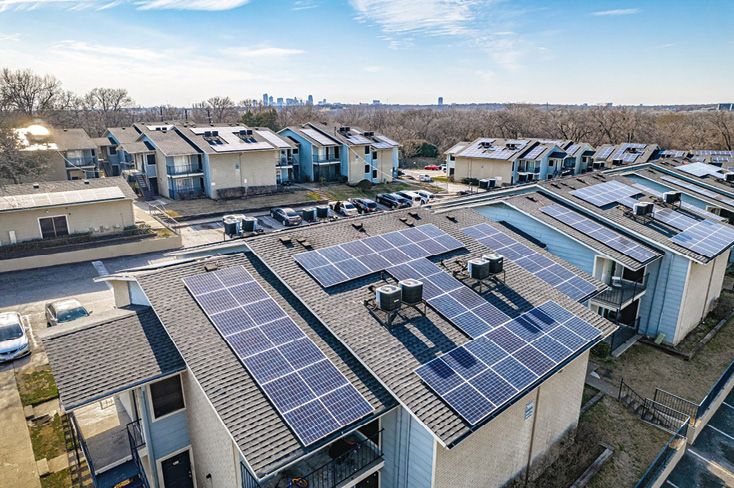
Researchers Jiyoung Eum and Gyeong-Seok Choi, from the Korea Institute of Civil Engineering and Building Technology in Goyang, explored whether installing residential solar systems can lead to households in South Korea using more electricity after adopting solar, a phenomenon known as the rebound effect, which occurs when the expected benefits of a more resource-efficient technology are partly offset by changes in consumer behavior or energy use.
In residential solar, for example, households may consume more electricity after installing PV because their self-generated power effectively lowers the cost of consumption. This, in turn, can partially offset the energy-saving and emissions-reduction benefits initially expected from the installation.
Eum and Choi built a simulation framework that matches hourly solar generation against household electricity use to calculate self-consumption rates. It also tracked how households respond when solar adoption shifts them into cheaper price tiers under Korea’s progressive tariff.