Comments
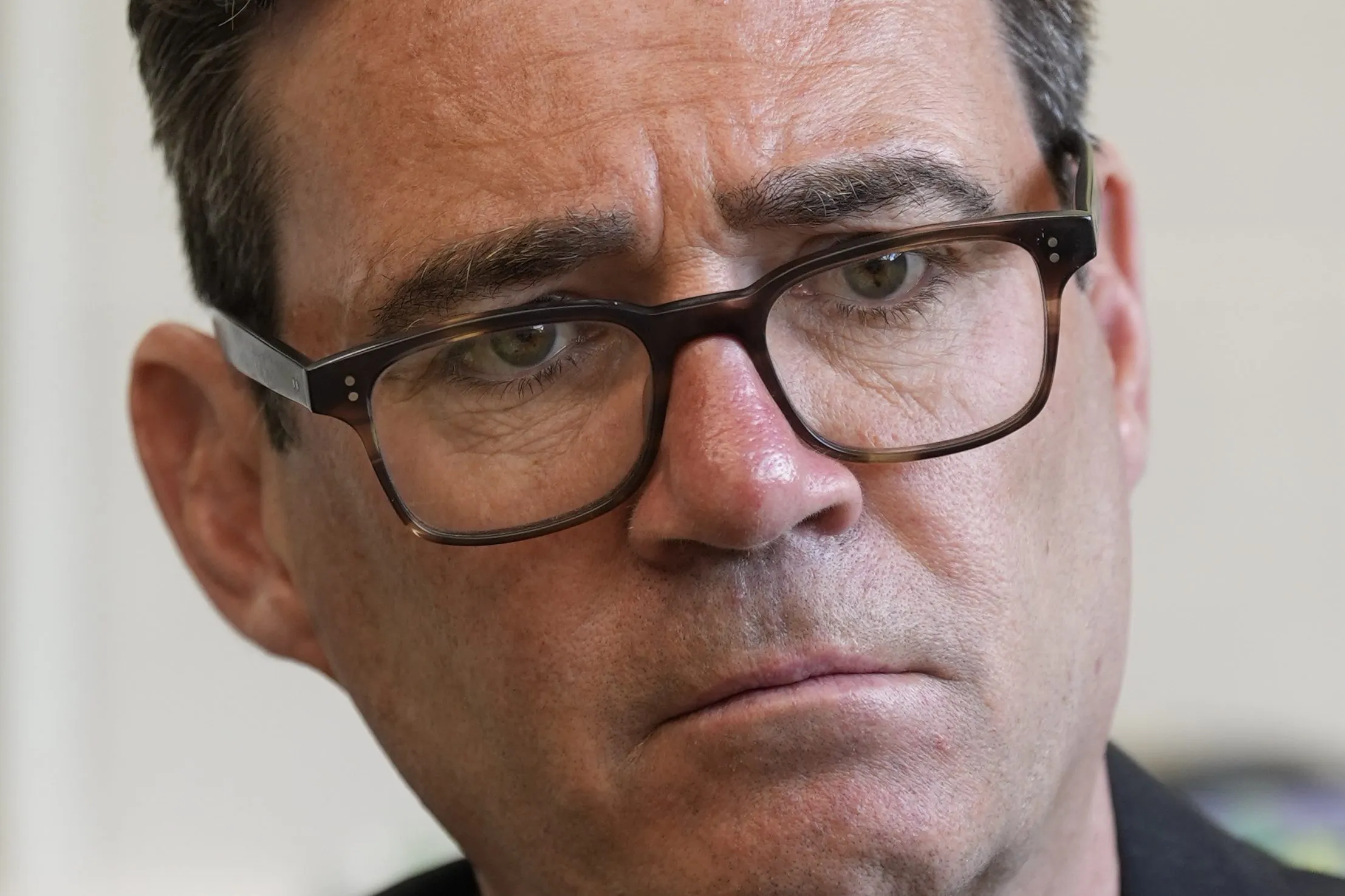
The buses would run on time. The trains would be cheaper. And perhaps most of all, the water companies would start providing a far better service. Andy Burnham was vague about most of his promises while campaigning to become Prime Minister. But he was very clear about one thing: back under greater public control, the utilities would start working for the whole country again, and not just for a handful of greedy shareholders. There is one catch. It is turning out to be far more expensive than he realised.
It turns out that taking Thames Water into a form of state ownership doesn’t magically make all its financial problems disappear
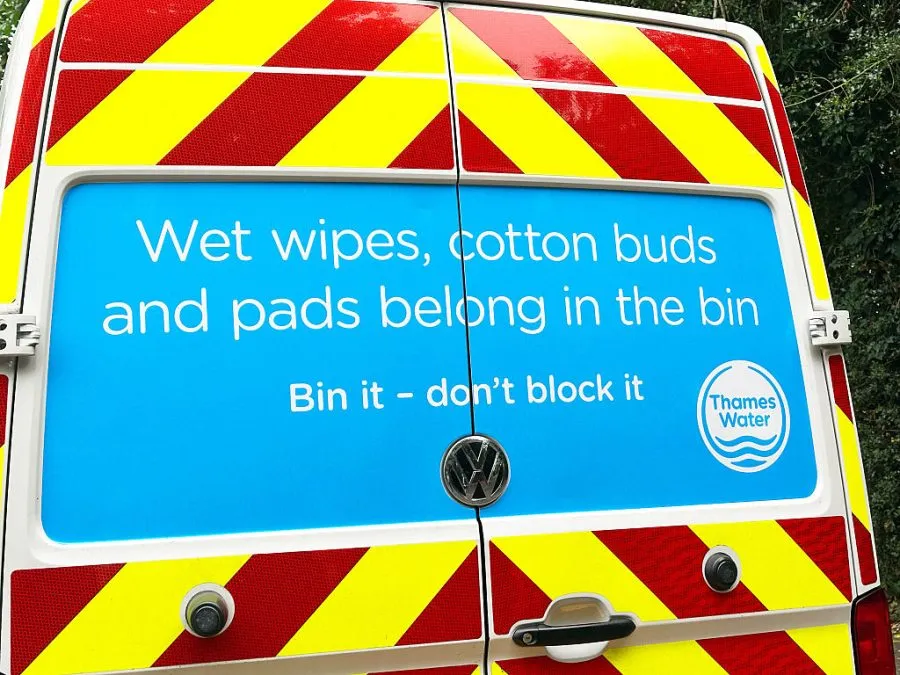
We learned today that Thames Water, probably the most chaotically mis-managed of all the privatised utilities, won’t be back in public ownership quite as quickly as expected. Plans to put the company into a ‘special administration regime’, effectively a form of state ownership, have been postponed. The reason? It could cost the government up to £2 billion, given that it would need to cover its funding costs for the next year, as well as open the government up to legal action from rival bidders. Indeed, if it stays under state ownership permanently, and if the reservoirs and pipes need lots of investment, it may cost ten times that amount. At a time when the Treasury is already struggling with a soaring deficit it is hard to find that kind of money.