Comments
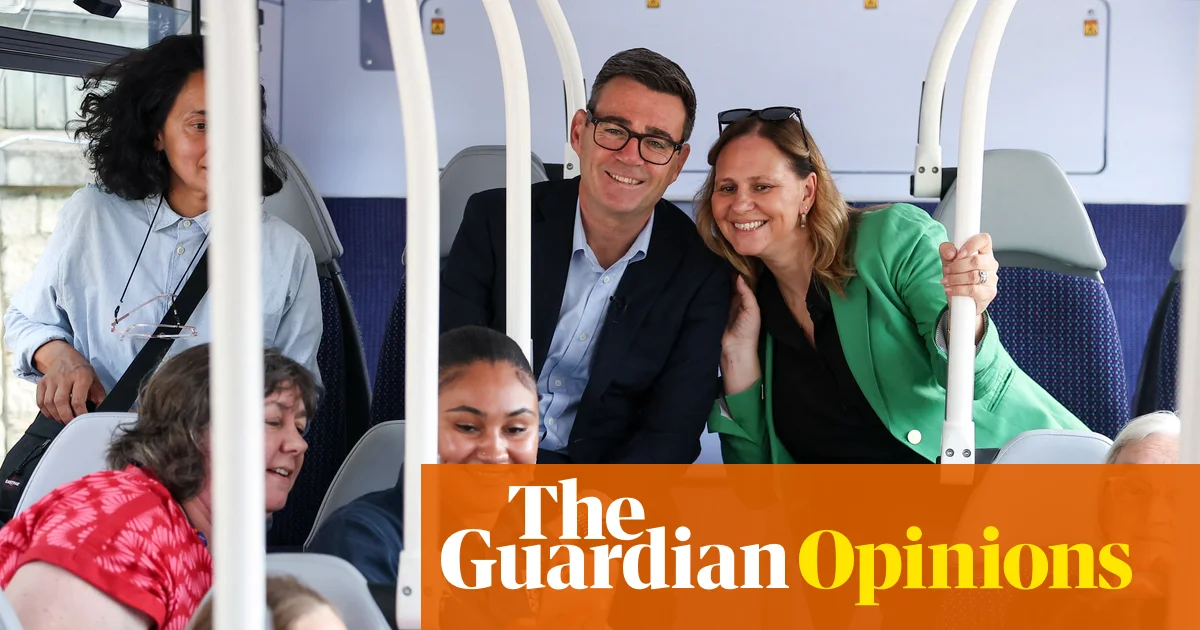
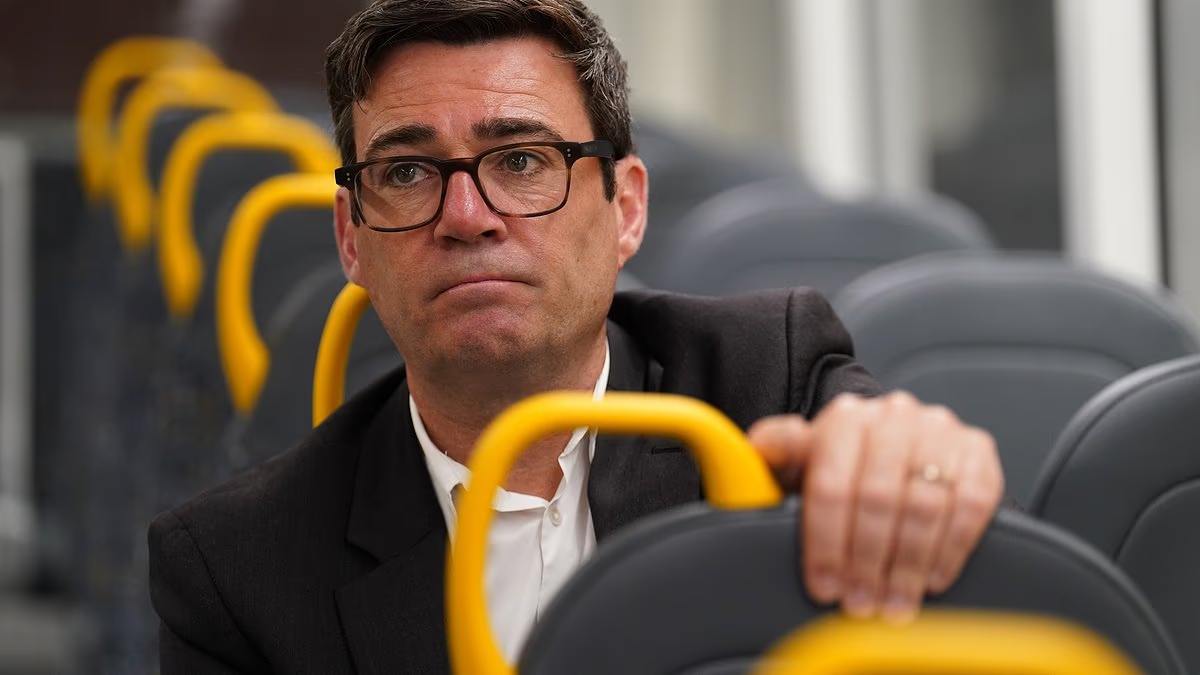
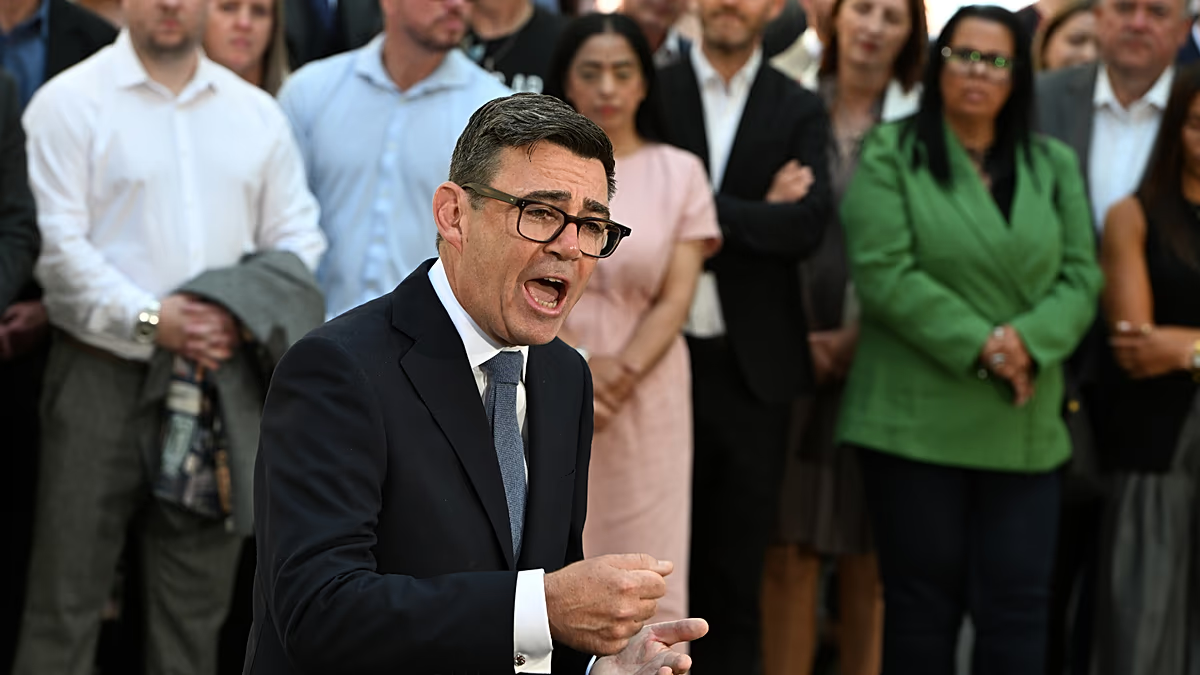
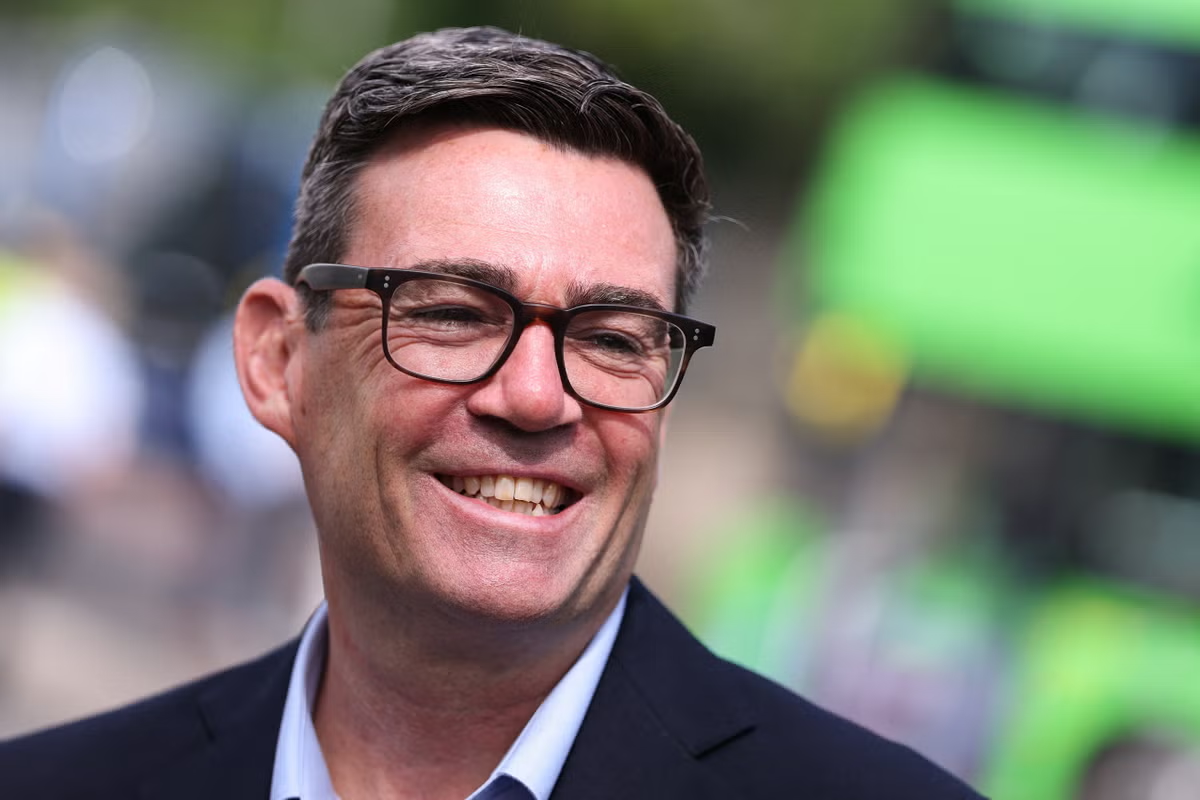
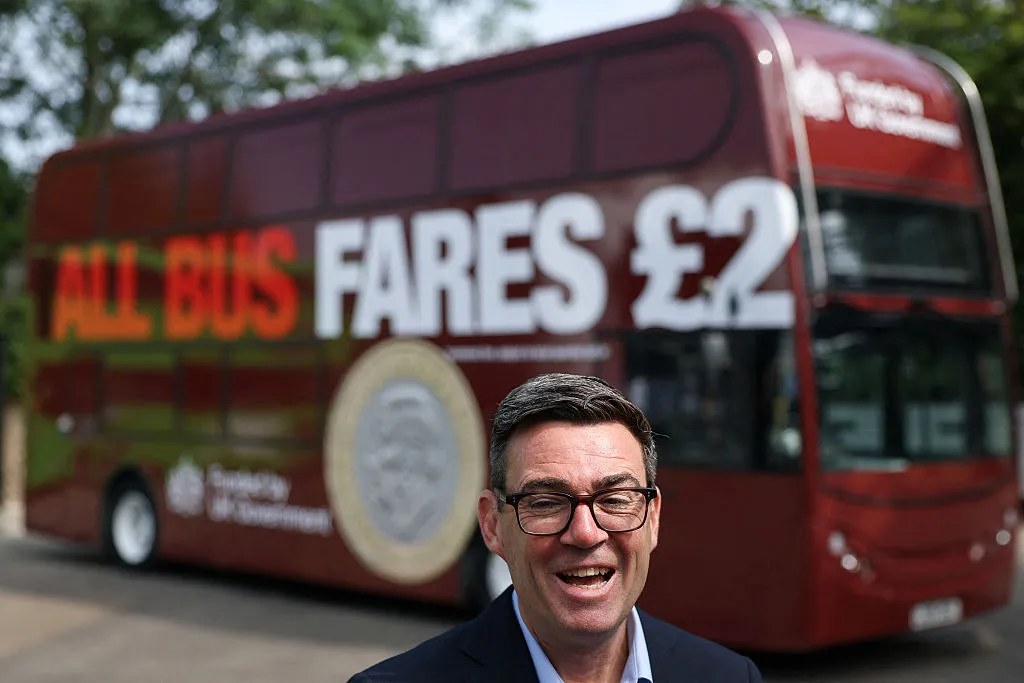
Andy Burnham’s third day in office tells us much about the man. This morning he unveiled his latest proposal to help on the cost of living: a reduction in England’s bus cap from £3 to £2 from January. For the benefit of the TV cameras, the policy was emblazoned on the side of a big red bus – a stunt that certainly has form in political lore. Expected to cost more than £500 million, ministers believe it will ‘give people the breathing space they need’. Smiling on his ever-present smartphone, the new PM declared that affordable transport links were an essential as ‘lower fares will help people get to where they need to.’ It builds on Burnham’s work in Manchester, when buses were brought under local control through franchising.
The interesting intellectual tension is between Burnham’s stated goal of devolving power and his revealed preference of enforcing his vision nationwide
Team Burnham believes this announcement plays to their man’s strengths – but the stunt reveals his limitations too. For the £3 cap was only introduced in January after Labour abandoned Rishi Sunak’s £2 plan. In a challenging economic climate, even ministers have had to admit that the measure is only piecemeal. Heidi Alexander, the Transport Secretary, told the BBC that it would give people ‘a little bit of hope’ and did not amount to ‘the whole solution’. The more interesting intellectual tension is between Burnham’s stated goal of devolving power and his revealed preference of enforcing his vision nationwide. Prices will be mandated from the centre, rather than give local cities outside of London the choice of investing the subsidy handout into an expansion or upgrade. It is worth noting too that use of public transport tends to be inelastic to fare prices: growth will not be boosted as a result.