Bitcoin bears just got introduced to the financial equivalent of a wood chipper. Over a volatile 45-hour stretch on August 19-20, more than $3 billion in crypto derivatives positions were forcibly liquidated, with short sellers absorbing roughly $2.77 billion of the pain. That’s approximately 92% of total liquidations landing on one side of the trade.
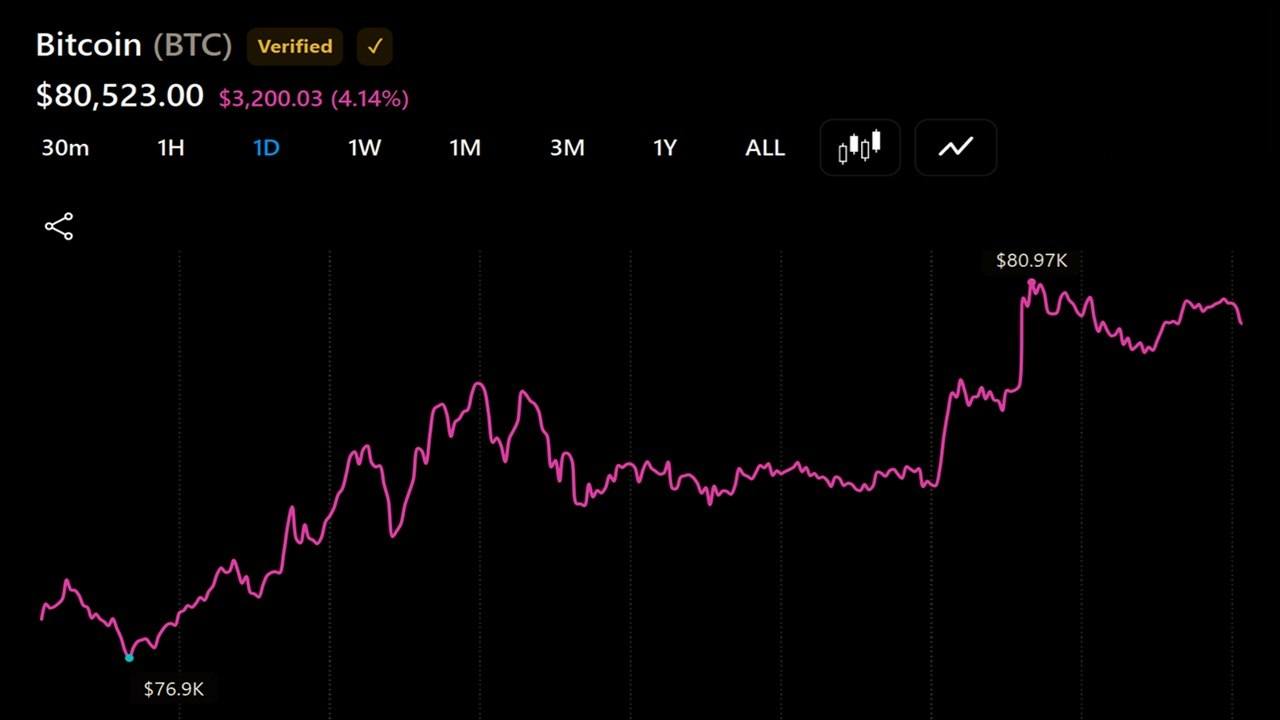
The catalyst wasn’t some mysterious whale or exchange malfunction. It was the US Treasury, which announced it would double the maximum size of liquidity support buyback operations for longer-dated bonds. Yields dropped, risk appetite surged, and Bitcoin punched through a six-week resistance level to briefly touch $71,000 before rocketing as high as $79,600 during the chaos.
The anatomy of a crowded trade gone wrong
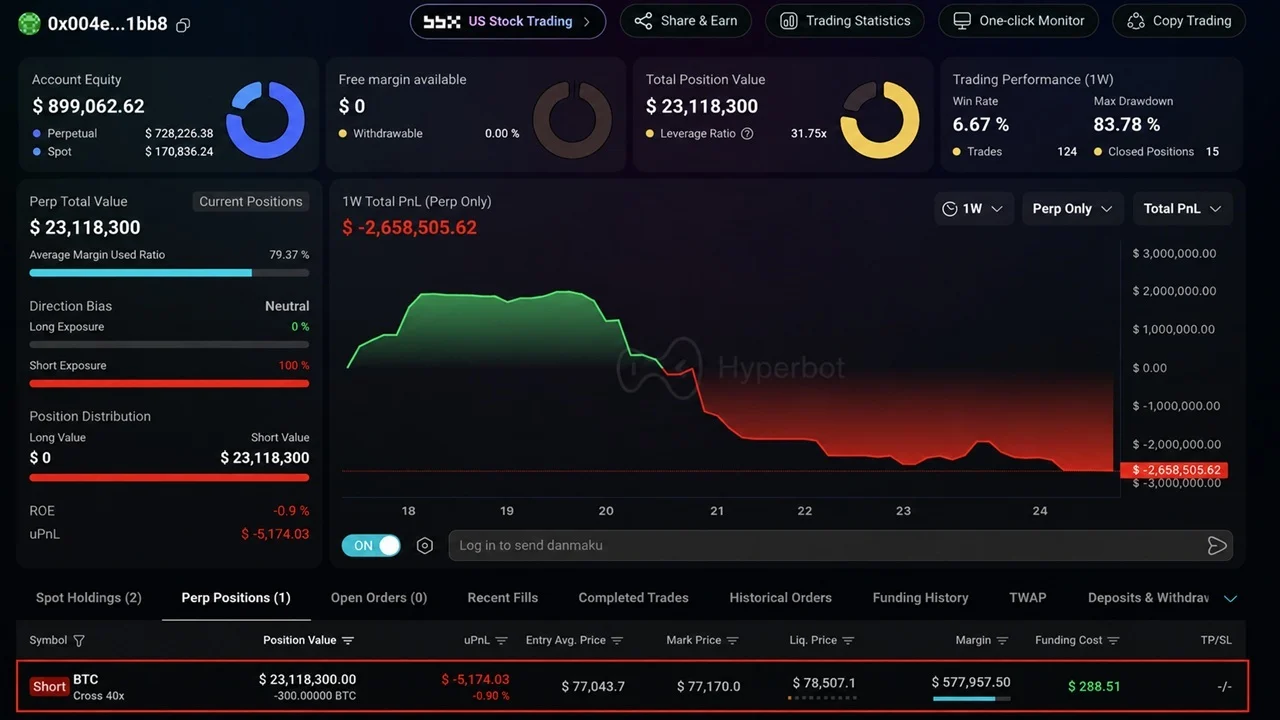
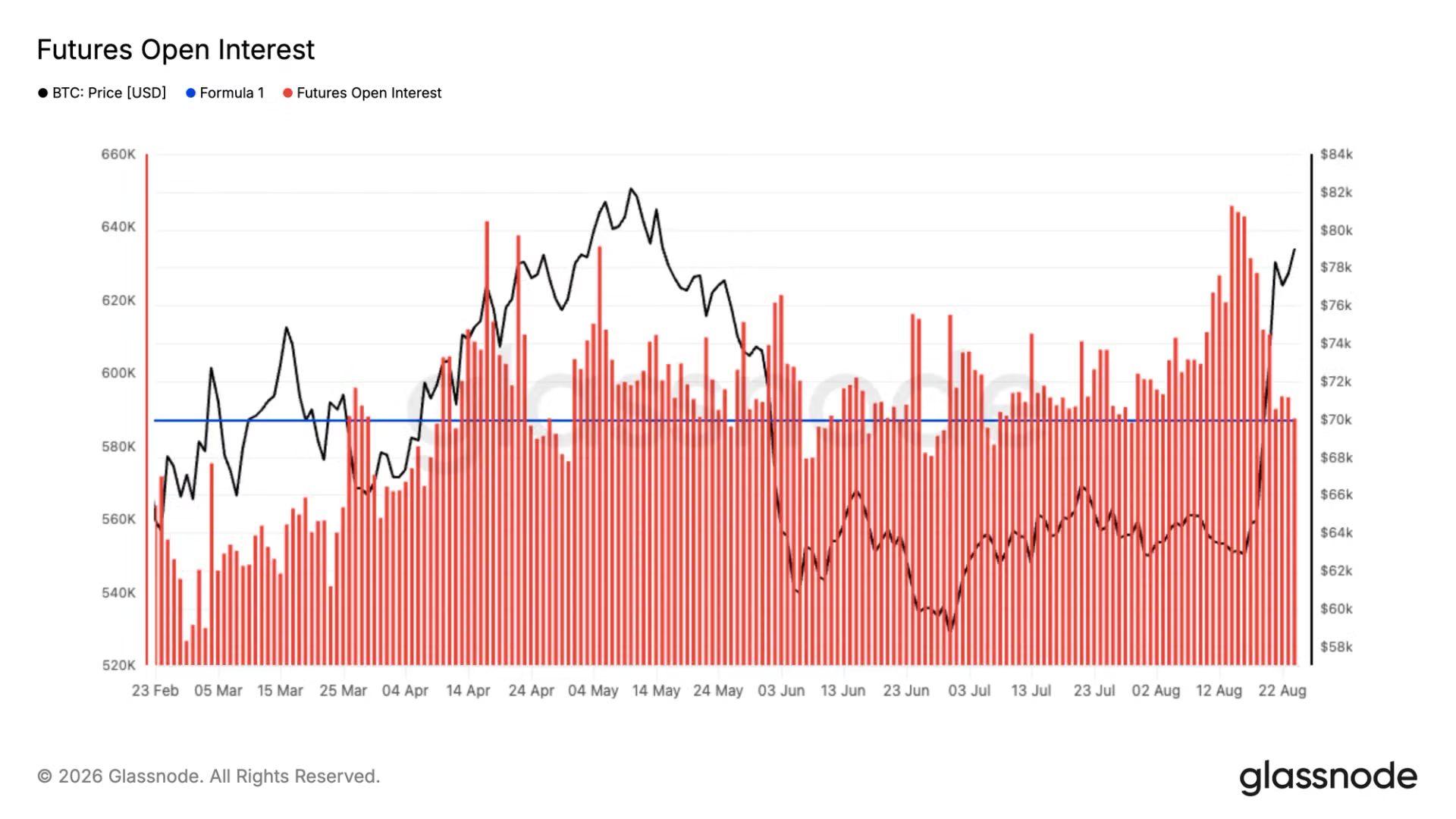
Short sellers had been quietly stacking bets against Bitcoin for weeks. Across major exchanges, shorts held 51-52% of open interest, a meaningful tilt in a market where even a few percentage points of imbalance can create explosive conditions.
When the Treasury announcement hit, Bitcoin started climbing. That forced some short sellers to close positions at a loss, which pushed prices higher, which forced more short sellers to close, which pushed prices higher still. This was the largest short squeeze since late 2021.