Stanford University’s decision to close its research centre in South Korea reflects continuing pressure on US institutions’ foreign partnerships and contradictions inherent in Seoul’s internationalisation push, experts have said.
The elite university is closing the Stanford Center at the Incheon Global Campus (IGC) after five years, it has announced.
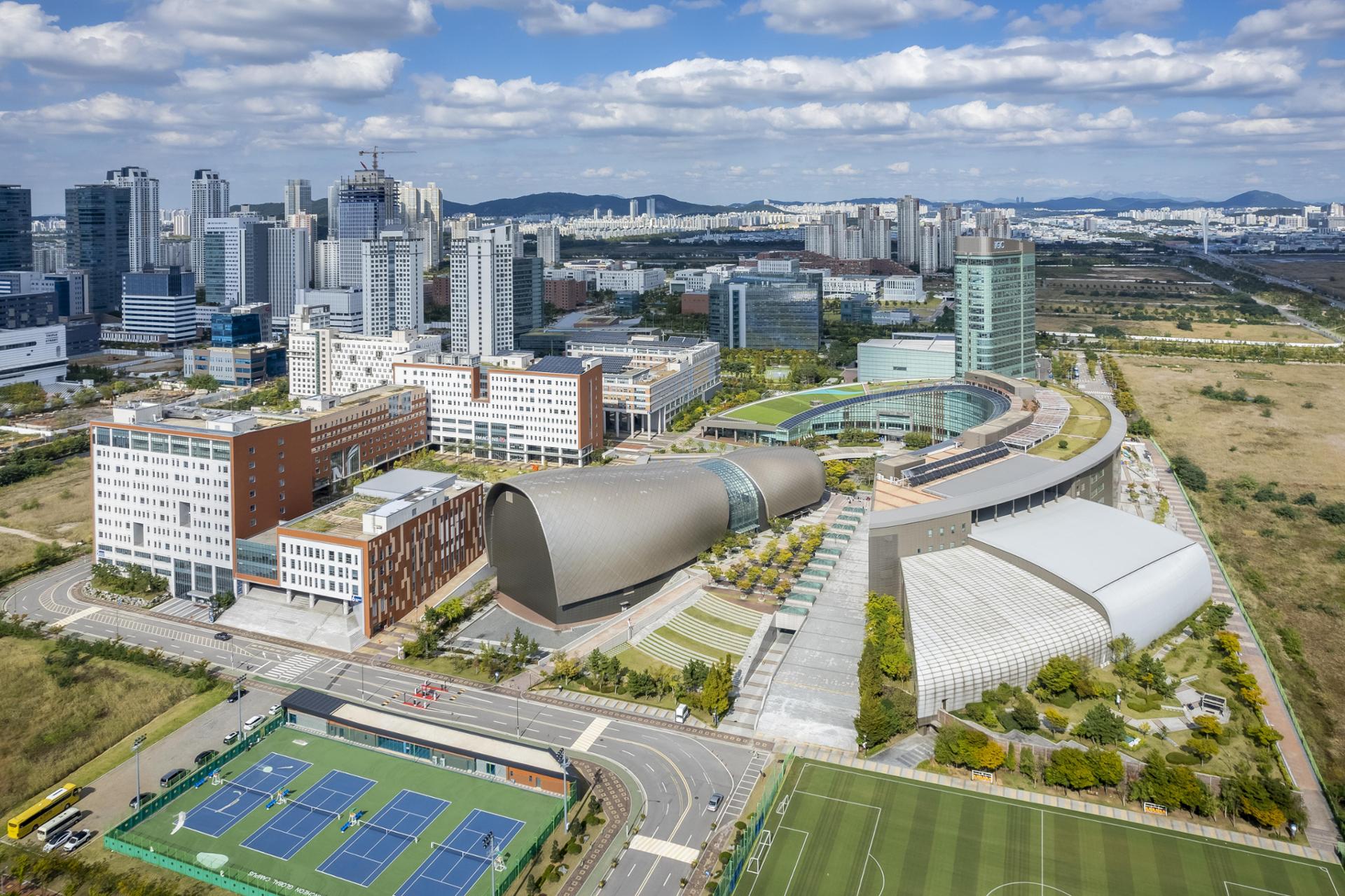
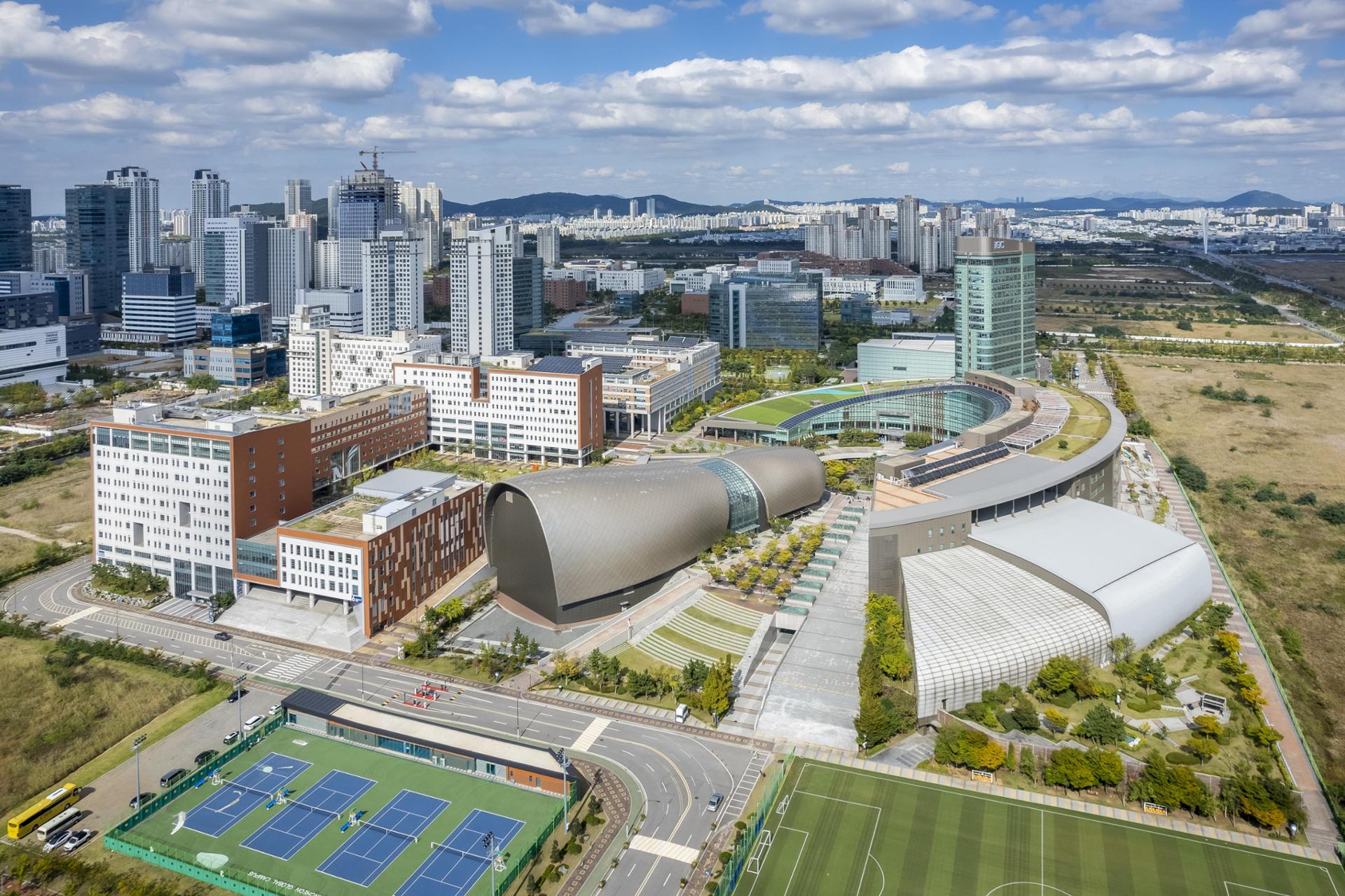
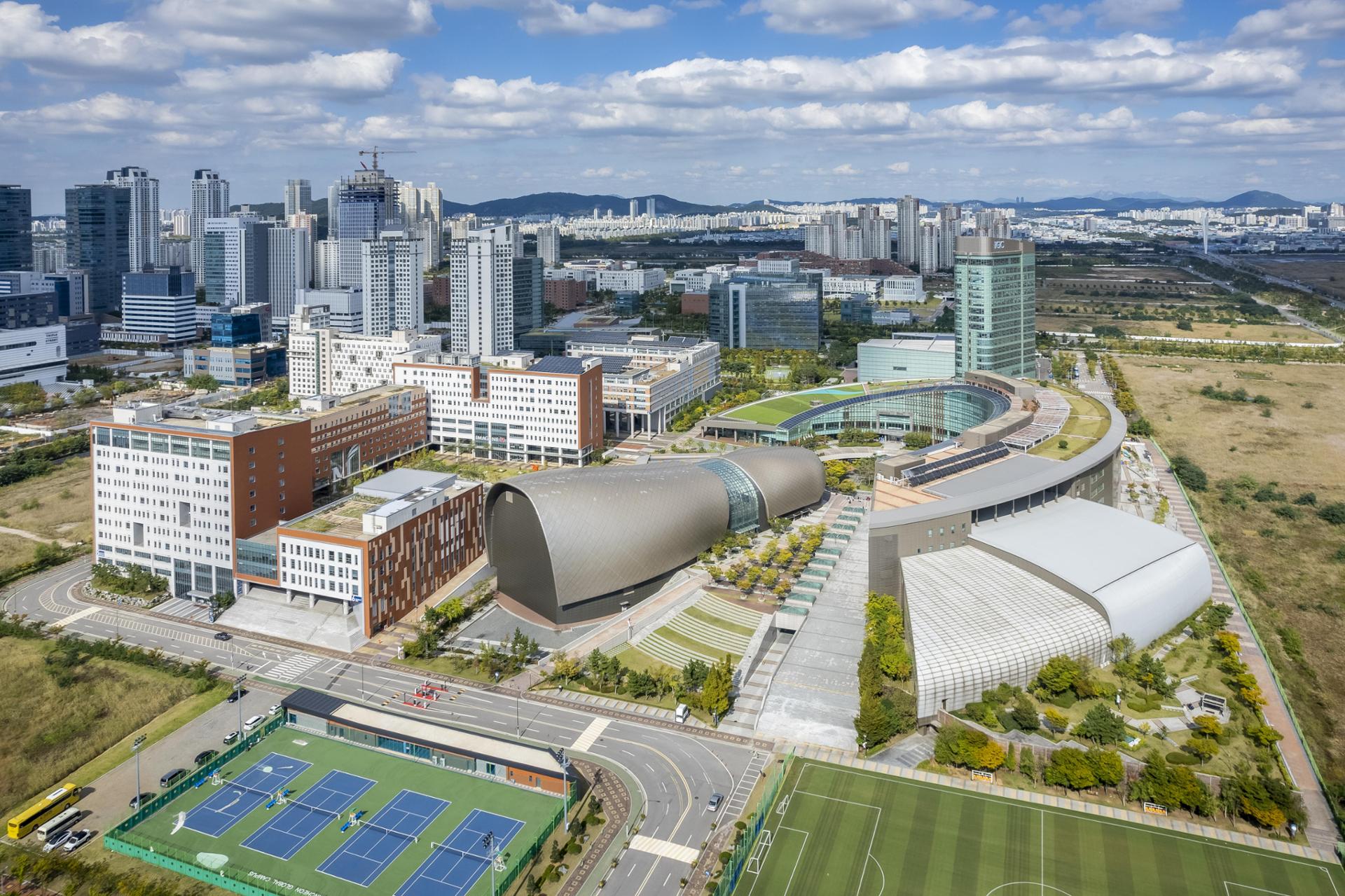
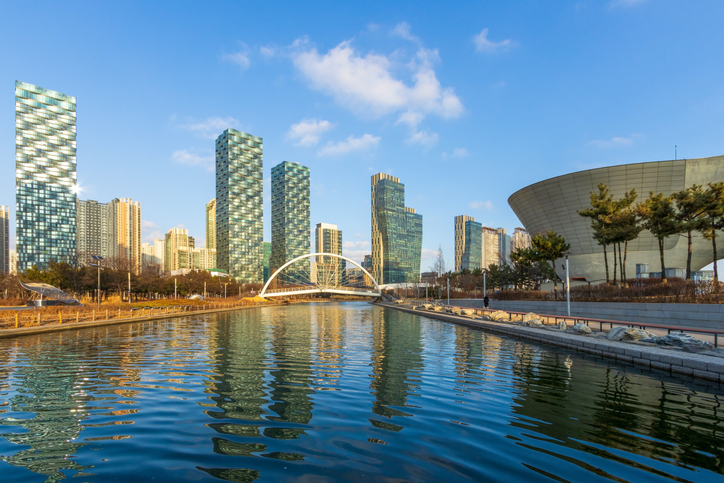
Located in Songdo, a “smart city” about 40km outside Seoul, IGC launched in 2012 through a collaboration between the South Korean government and Incheon Metropolitan City. The vision of the shared university campus was “to create a world-class global educational hub” where students could pursue education at foreign universities at a more affordable cost.
Having Stanford’s research centre in Songdo was expected to facilitate joint research with leading universities in Korea such as Yonsei University, Seoul National University and Korea University. It also aimed to further strengthen the educational ecosystem in South Korea amid a national internationalisation drive.
The central government, Incheon Free Economic Zone Authority (IFEZ) and the Ministry of Trade, Industry and Energy poured more than W17 billion (£9 million) into the Stanford Center.