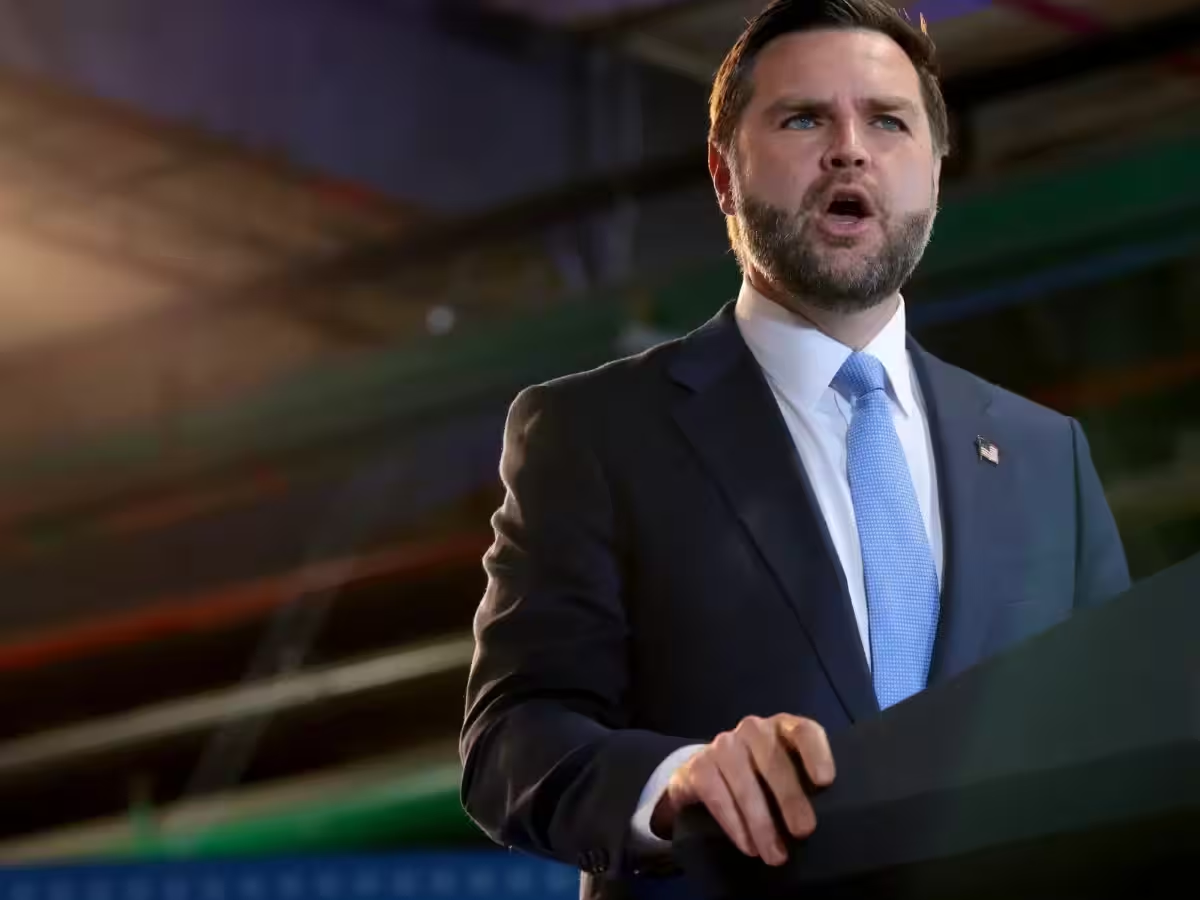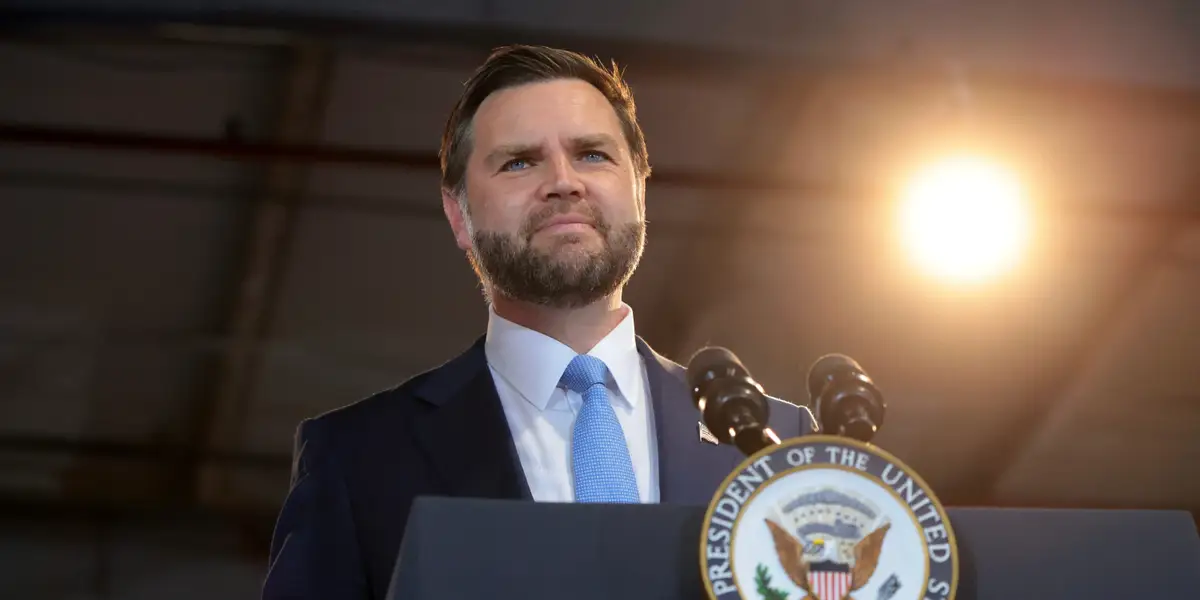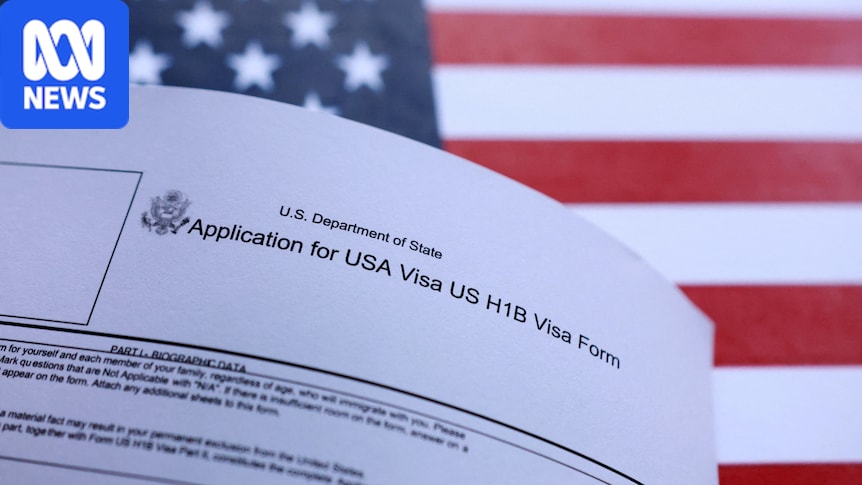
JD Vance's intention is to incentivise American employers to prioritise the training and hiring of domestic talent.US Vice-President JD Vance has backed the Trump administration's proposal to impose a $103,265 fee on cap-subject H-1B petitions (applications), saying American companies should hire and train domestic workers instead of relying on foreign talent. “If an American corporation needs workers, it should hire and train Americans,” Vance said in a post on X.The proposal, unveiled by the Department of Homeland Security (DHS), would add $103,265 to existing H-1B filing and statutory fees for petitions subject to the annual cap. The cap covers 65,000 regular H-1B visas and a further 20,000 for foreign nationals with qualifying US master's or higher degrees. The fee would be payable when the petition is filed by the sponsoring employer.The proposal comes as the administration's earlier $100,000 H-1B payment, introduced through a presidential proclamation in Sept 2025, has run into legal trouble. A federal district court vacated the guidance implementing that payment in June, while the Trump administration's appeal remains pending. The earlier measure was also due to expire on Sept 21, 2026, unless extended. DHS stresses that the new $103,265 proposal is based on a different legal authority.DHS says the new fee is intended to recover costs incurred in administering the US legal immigration system across various agencies. At the proposed rate and an estimated 85,000 fee-paying petitions, it expects to raise about $8.8 billion annually. The proposal has drawn sharp criticism from policy groups.David Bier, director of immigration studies at the Cato Institute, referred to the earlier $100,00 fee for H-1B petitions that was limited to applicants hired from abroad, stating that this has been blocked by the court. In this backdrop he added, “The administration claims the new fee will be a ‘cost recovery mechanism,’ even though the first fee led to a nearly 90 percent reduction in filings and a $28 million loss in revenue. The government itself told the court that the $100,000 fee was ‘arguably prohibitive’ and ‘does not raise revenue.’ Even if it did raise revenue, that would not make it legal because immigration fees can only be imposed to recover the costs of adjudication and naturalization services.”As this is a filing fee, sponsoring employers would have to pay the new amount without any guarantee that a petition would be approved. “Almost no one will risk more than $100,000 with no guarantee of approval,” he stressed.Todd Schulte, president at FWD.us called the proposal a massive tax on American businesses that recruit global talent, warning that it could undermine US competitiveness and push jobs and businesses overseas.The Presidents' Alliance on Higher Education and Immigration said the measure could make it prohibitively expensive for employers to hire international graduates. Zuzana C. Wootson, deputy director of federal policy at Presidents’ Alliance stated that“International students do not choose where to study based on the classroom experience alone. They also consider whether they will have a meaningful opportunity to apply their education after graduation. The proposed rule would severely weaken the education-to-workforce pipeline and make the US a far less attractive destination for the world’s most talented students.”The American Immigration Lawyers Association (AILA) similarly warned that the fee could shut out employers using H-1Bs to fill critical positions, including teachers, researchers and rural doctors. AILA president Jeff Joseph called the proposal an unprecedented move to fund immigration processing across federal agencies without specific congressional authorisation.AILA Executive Director Benjamin Johnson added, “This proposal comes on the heels of other administration policies making the H-1B program more expensive and out of reach for many US employers. The proposed pay-to-play fees do not make our country great, but signal to the world that the US is closing its doors to scientists, doctors, engineers, and entrepreneurs who help build companies, expand research, and strengthen communities. In response, countries like China and Canada have opened their doors to innovation by welcoming the world’s best and the brightest. When we push talent away, America loses jobs, innovation slows, and we hand our competitive edge over to other countries in areas such as business, healthcare, and technology. Rather than pursuing legally dubious measures to score political points, AILA urges the administration to strengthen America’s prosperity by investing in common-sense solutions."
JD Vance backs $103,265 H-1B fee, policy groups push back
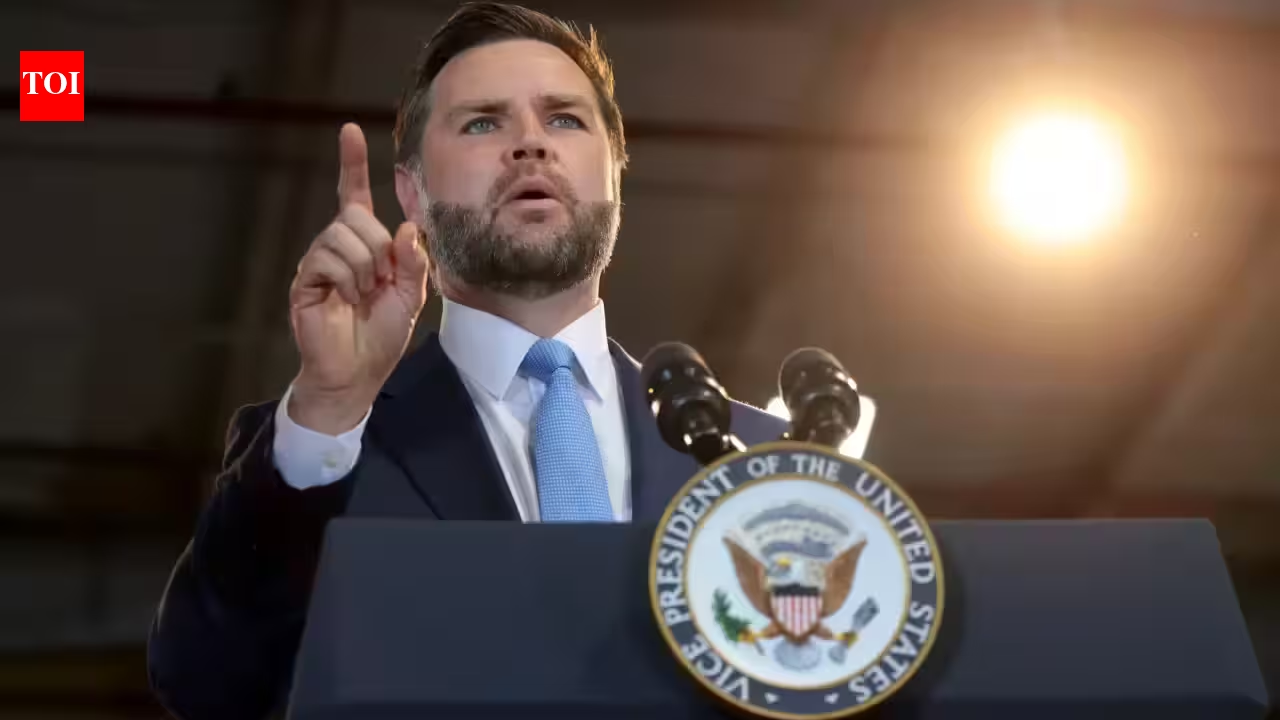
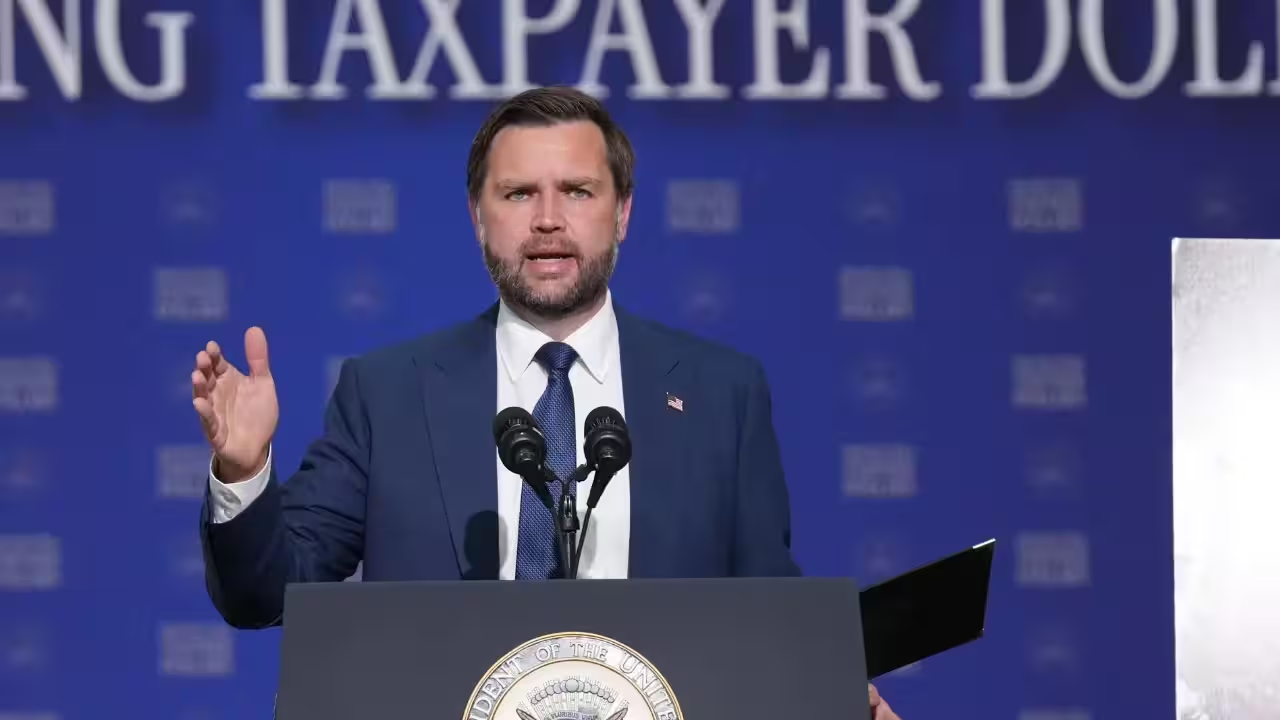
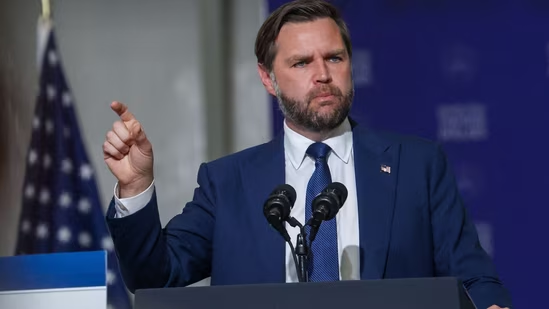
US Vice-President JD Vance has backed the Trump administration's proposal to impose a $103,265 fee on cap-subject H-1B petitions (applications), saying American companies should hire and train domestic workers instead of relying on foreign talent. “If an American corporation needs workers, it should hire and train Americans,” Vance said in a post on X.
706 words~3 min read