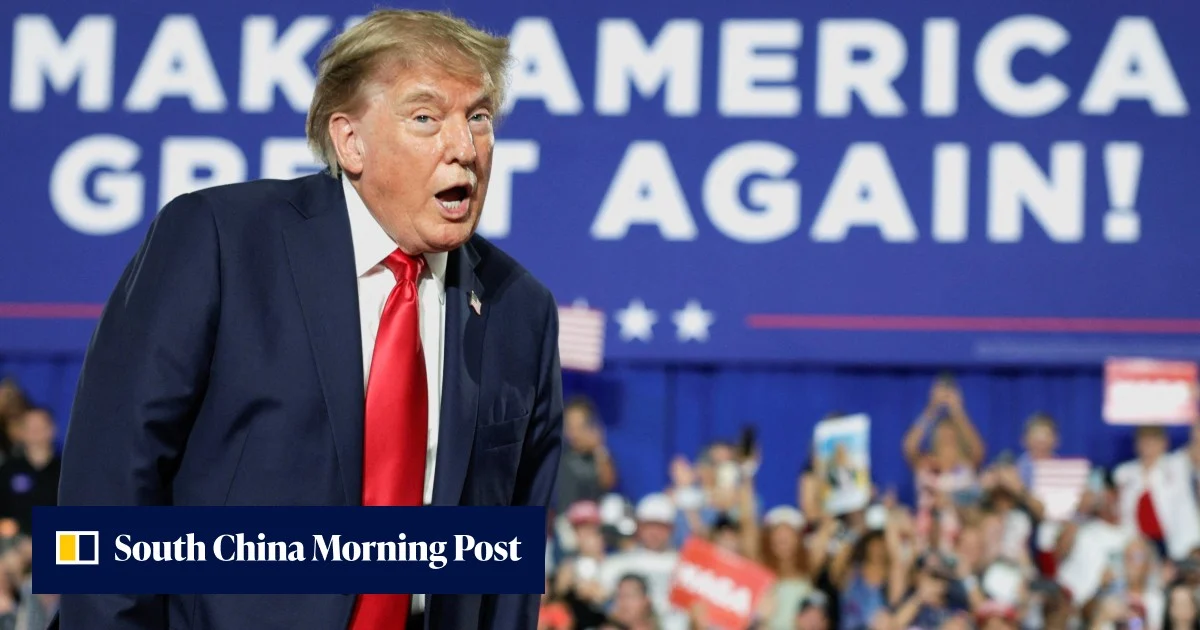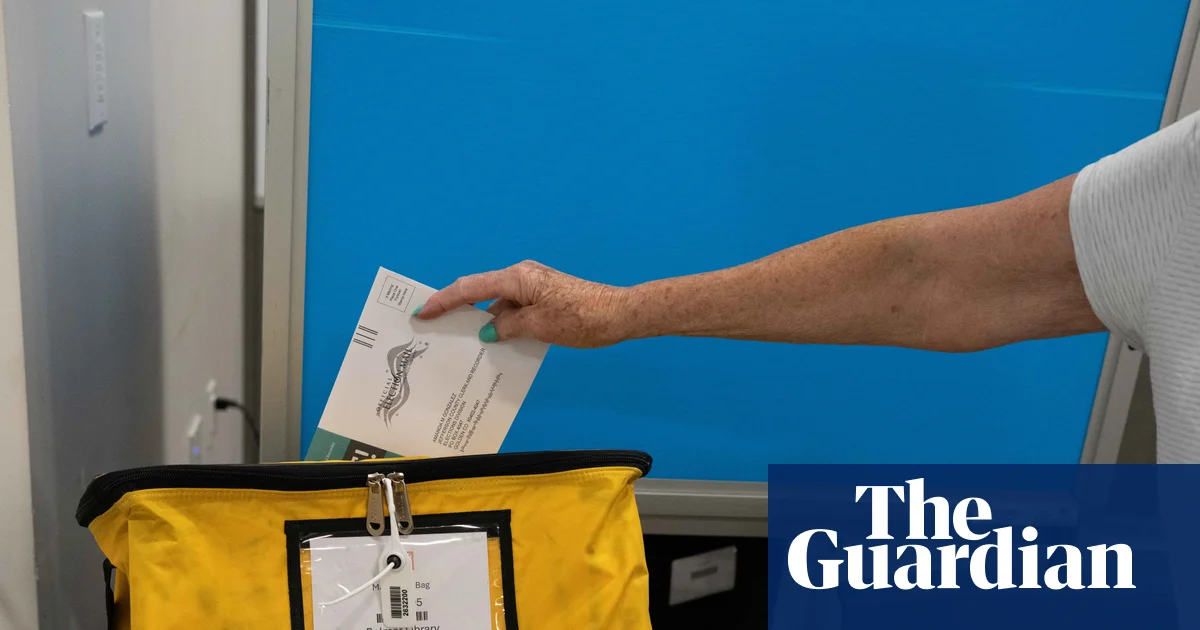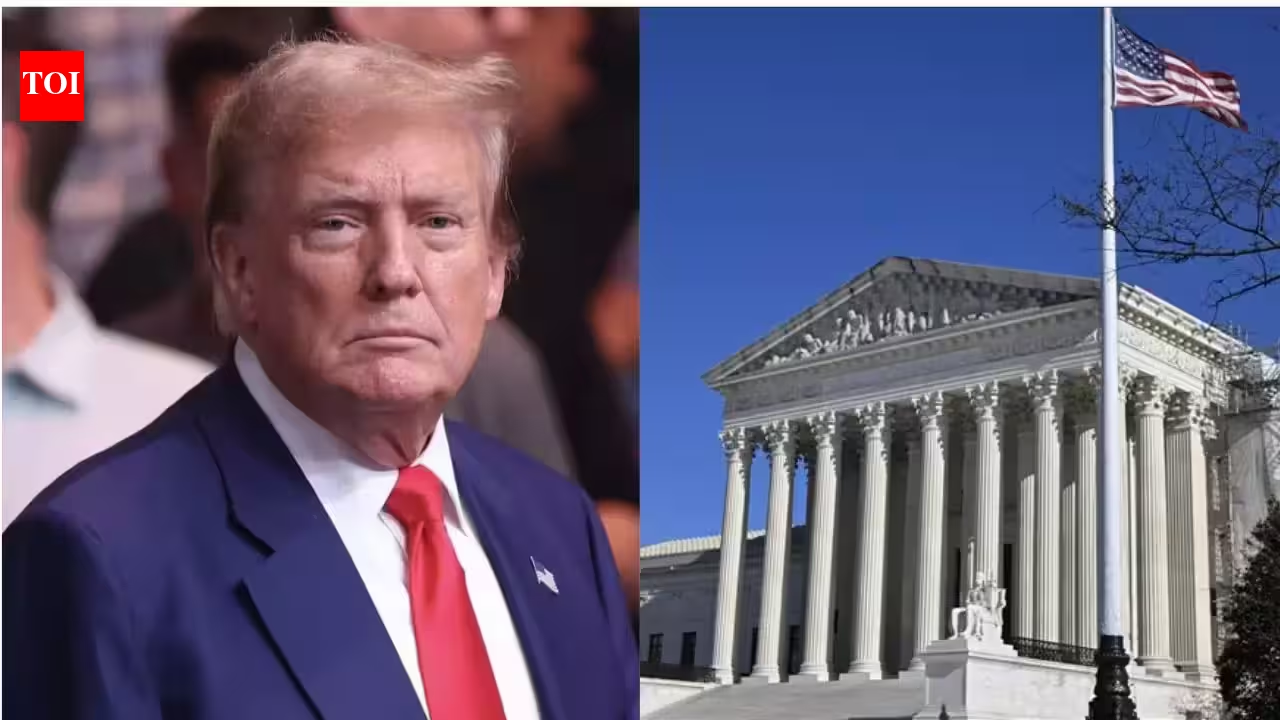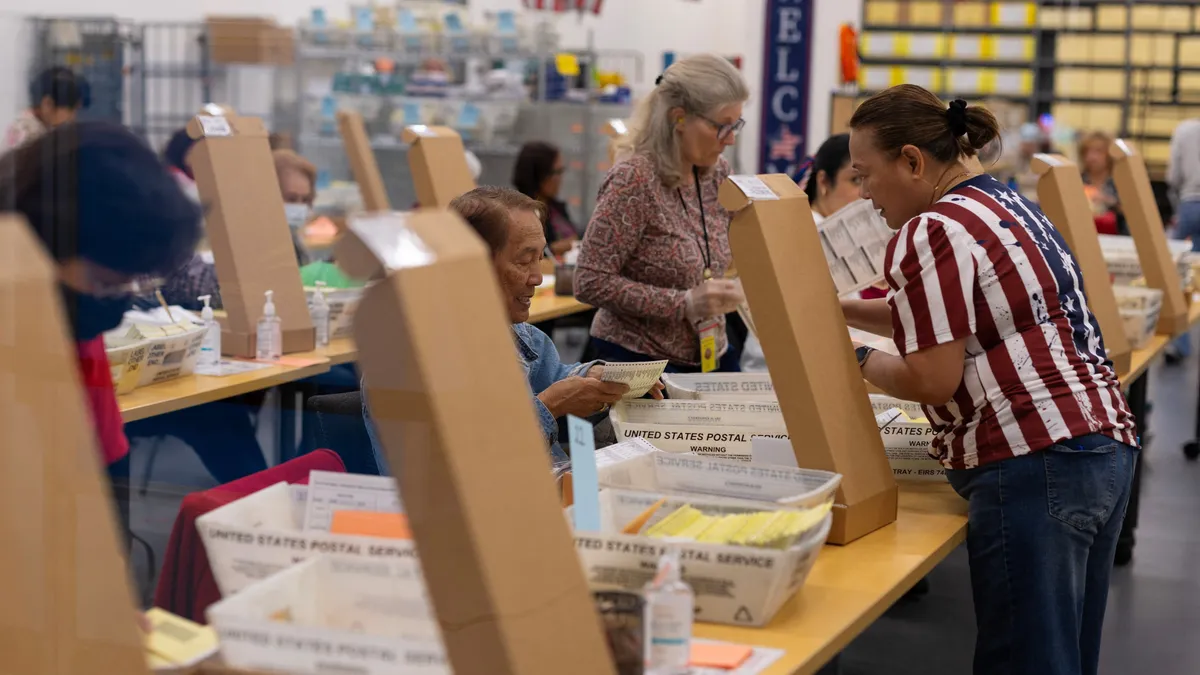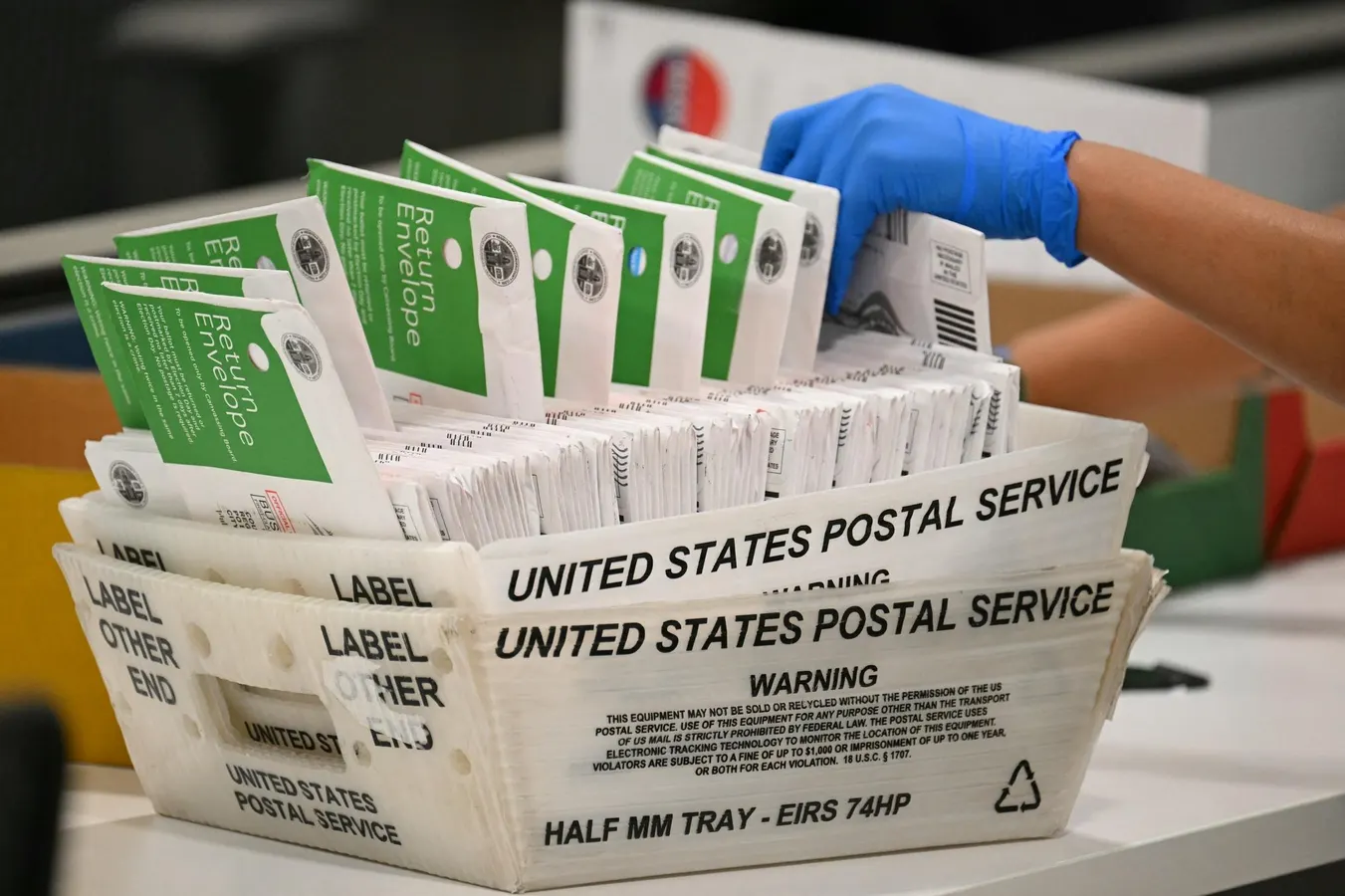
ToplineDemocrat-led states signaled they will continue to fight President Donald Trump administration’s efforts to restrict the use of mail-in voting ahead of November’s midterm elections, after the Supreme Court, in an emergency ruling, lifted a lower court injunction blocking the efforts without weighing in on their legality.An election worker processes mail-in ballots at the Los Angeles County Ballot Processing Center during California's state primary election.AFP via Getty ImagesKey FactsIn a statement issued after the ruling, New York Attorney General Letitia James said the court’s decision was a “painful setback” but not the “final word,” and added that the “fight is far from over,” and the state was exploring legal options.California Attorney General Rob Bonta said the Supreme Court had “reopened the door” for the Trump administration to “make it harder for Americans to vote,” and said the decision was not based on the “merits of the case.”Bonta noted that the Constitution gives the president “no authority” over how states administer their elections and said California will continue to fight back against “unlawful federal overreach.”Washington Attorney General Nick Brown criticized the Supreme Court’s conservative majority, saying they don’t seem to recognize “ the grave threat the president’s actions pose for our democracy.”Brown, however, noted that the ruling does not “bless the substance of the president’s actions,” and Washington state stands ready to “take action to protect the integrity of our elections and prevent this clearly unconstitutional overreach.”Arizona Attorney General Kris Mayes described the ruling as “procedural” in an X post and reiterated comments made by other AGs saying states run their elections: “Not the Postal Service. Not the President.”What Have Other Democratic Leaders and Officials Said?In a post on X, California Gov. Gavin Newsom criticized the ruling and wrote: “The Supreme Court just let the Trump Admin move ahead (for now) with its plan to disenfranchise voters across the country. California will be suing AGAIN to block these Orwellian rules from being implemented.” Pennsylvania Gov. Josh Shapiro tweeted the “SCOTUS decision does NOT deal with the substance of Trump’s unconstitutional Executive Order and does not mean his illegal attempt to restrict mail-in voting will go forward,” and vowed to see the Trump administration in court. New York Gov. Kathy Hochul expressed a similar sentiment and said the ruling doesn’t change the facts that “Trump does not get to rewrite election law or suppress the right to vote with the stroke of a pen.” Senate Minority Leader Chuck Schumer, D-N.Y., was even more forceful in his criticism and said: “Trump’s effort to turn the Postal Service into a voter suppression machine is blatantly unconstitutional – yet his MAGA Supreme Court is refusing to stop it from going forward…Senate Democrats will fight every attempt to hijack mail-in voting and rig the rules before voters have their say this November.”What Do We Know About The Supreme Court Ruling?In the 6-3 ruling, the Supreme Court’s conservative majority granted the Trump administration’s appeal against a lower court injunction that had blocked federal agencies like the U.S. Postal Service and the Department of Homeland Security from implementing elements of Trump’s executive order from March. The majority, however, noted that the ruling “does not mean that any measure taken by the Government to implement the Order will necessarily be lawful. On that score, time will tell,” leaving the door open for future challenges. The court’s three liberal justices wrote the dissenting opinion noting that the ruling “needlessly injects chaos and uncertainty into the upcoming midterm elections.” TangentThe president has not yet commented on the Supreme Court’s ruling or the Democrats’ reaction. Last week, the U.S. Postal Service finalized a new rule that would allow the agency to send mail-in ballots only to voters whose information has been shared with the federal government. The rule was based on Trump’s March executive order and required state and local election officials to submit voters’ names and addresses to USPS through a new portal. The service would send mail-in ballots only to voters whose information had been submitted by the states.further readingWill New USPS Rule Impact Your Ballot In November? What To Know (Forbes)Supreme Court sides with Trump administration on mail voting restrictions ahead of midterms (Associated Press)
Democratic States Vow To Fight After Supreme Court Hands Trump Win On Mail-In Voting Curbs
The Supreme Court lifted a lower court injunction blocking the implementation of Trump’s executive order seeking to limit mail-in voting but did not weigh in on its legality.
696 words~3 min read