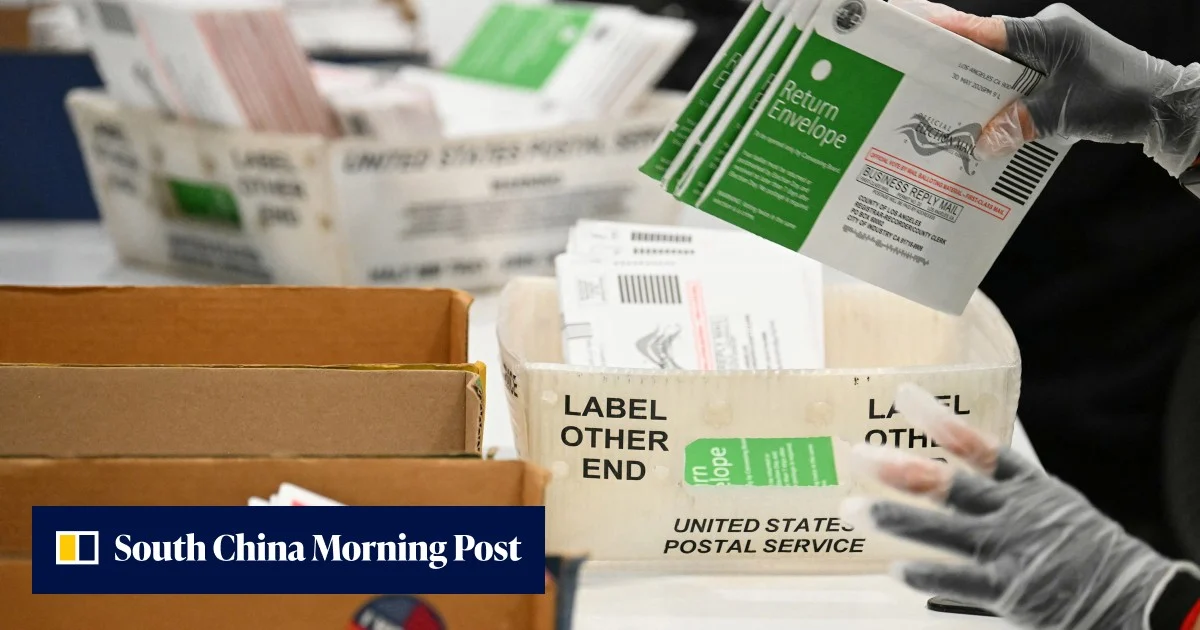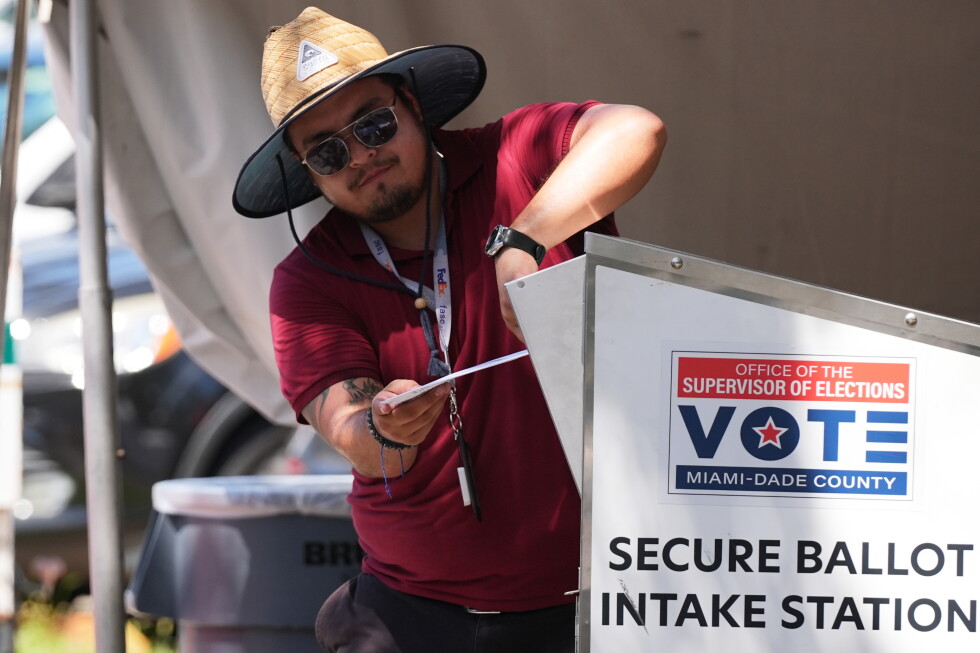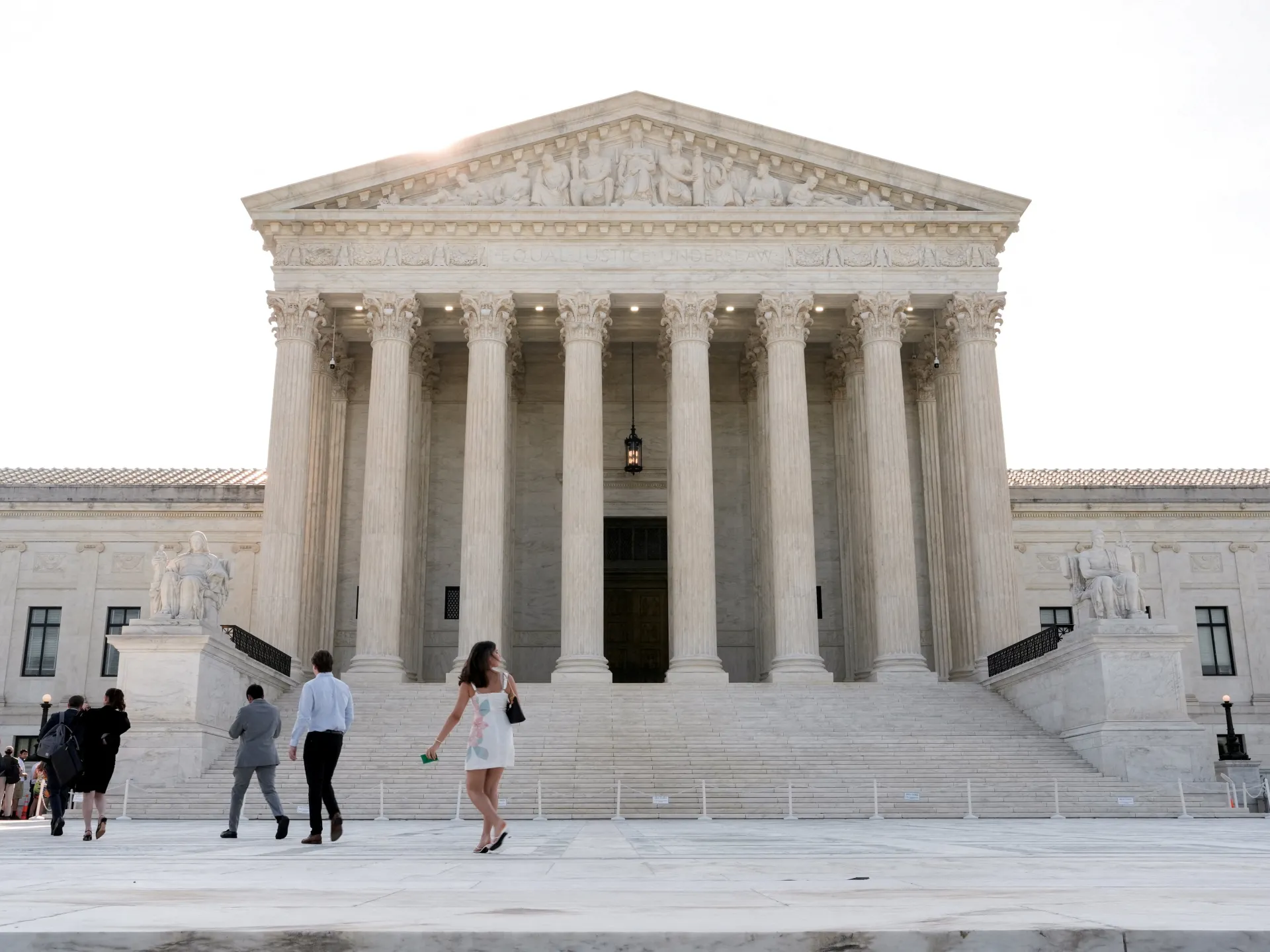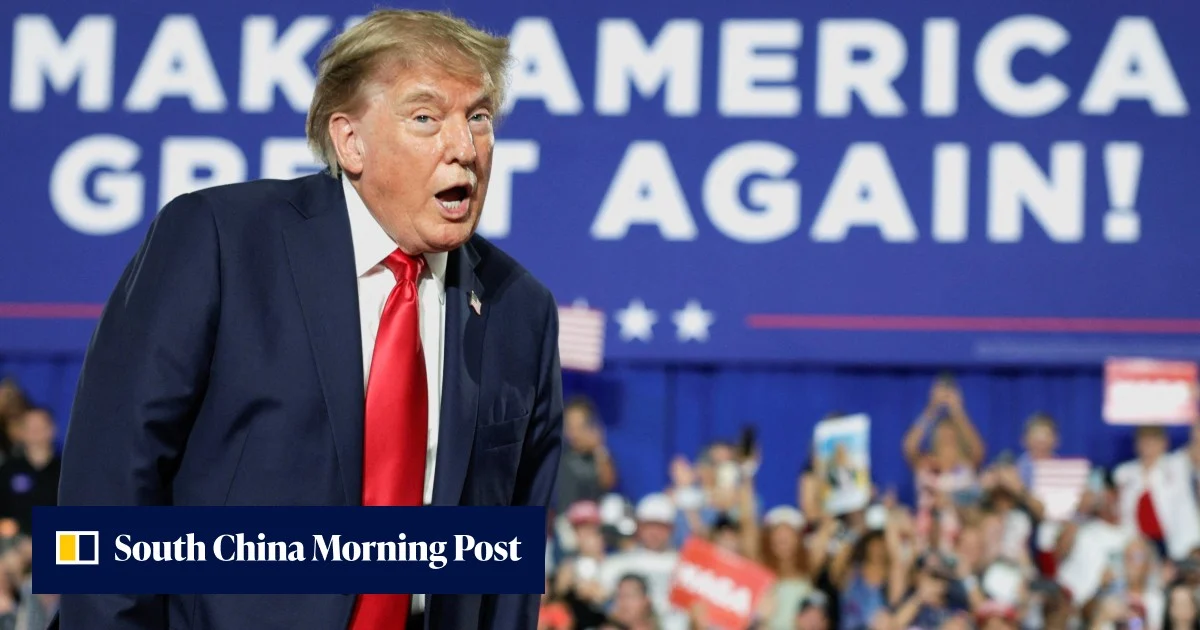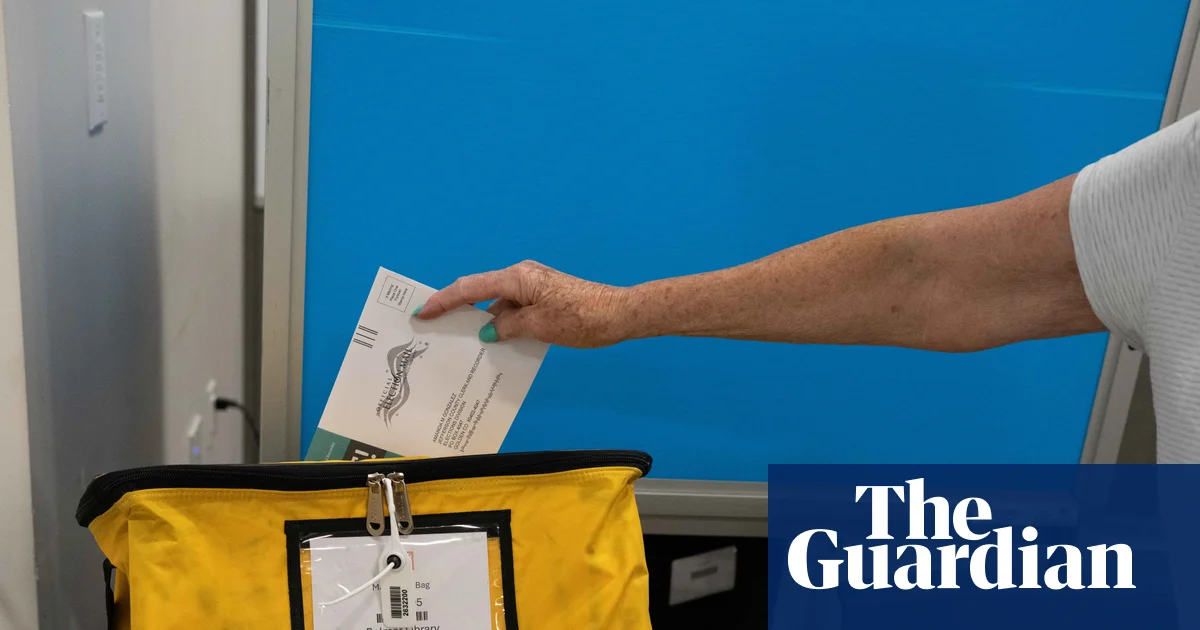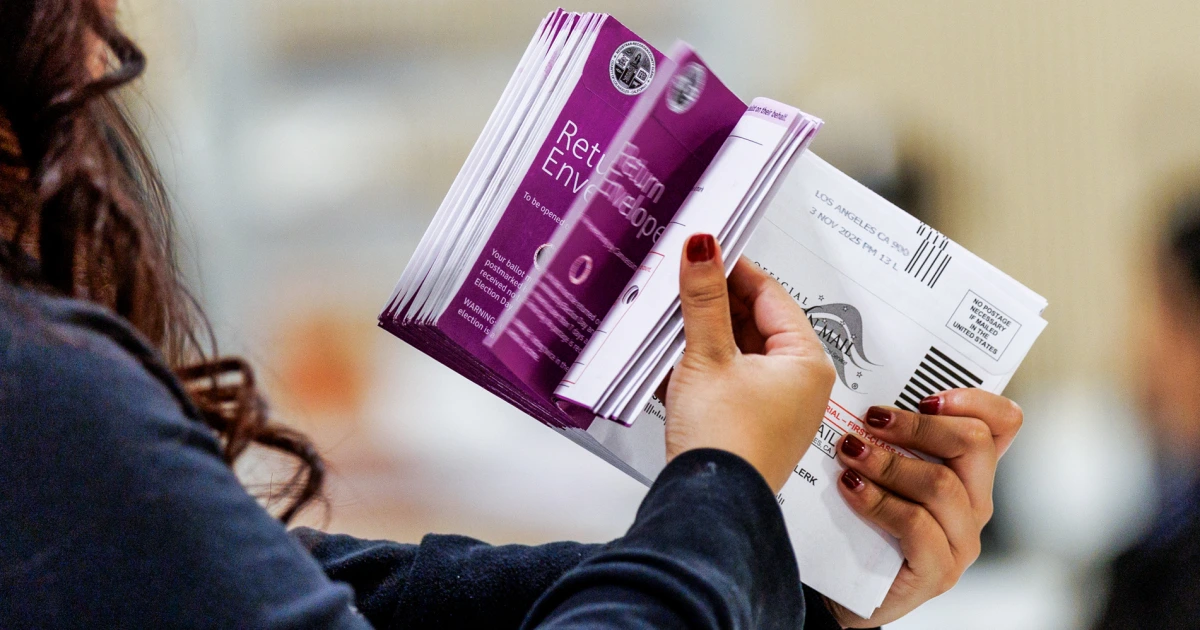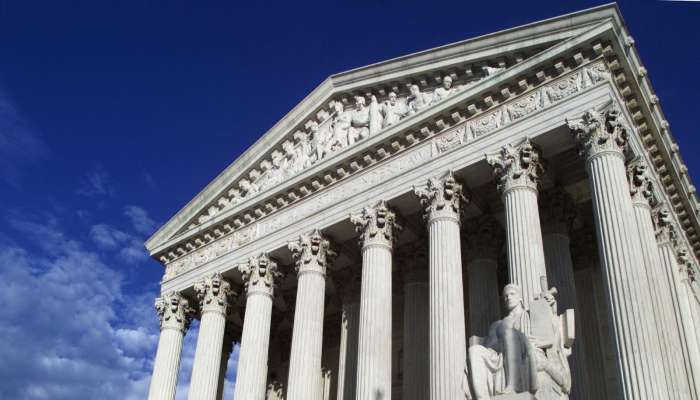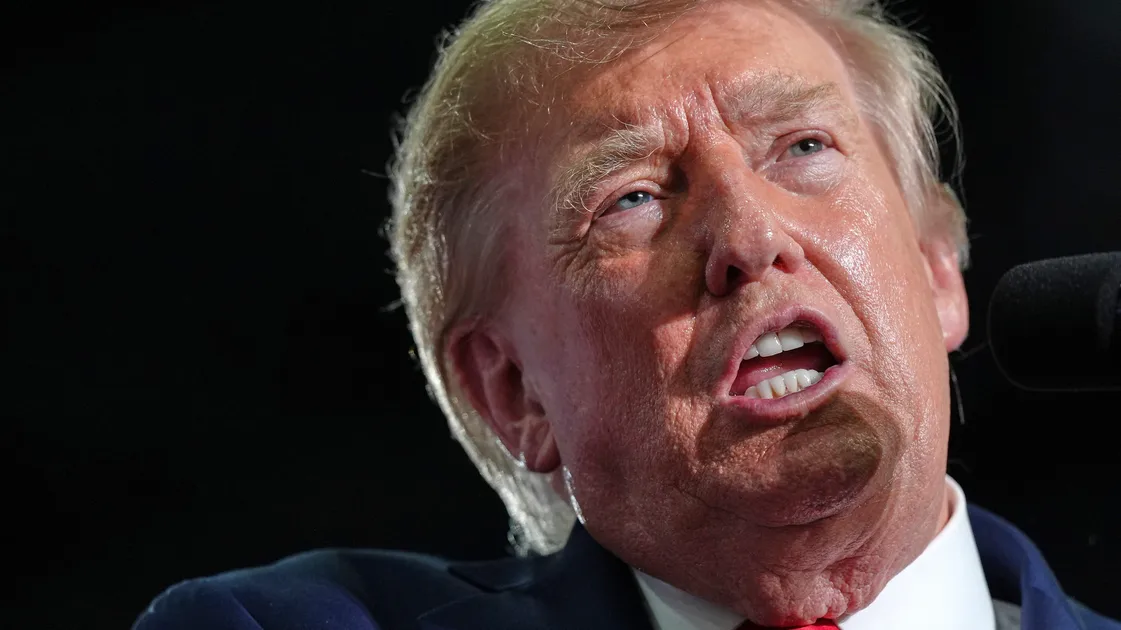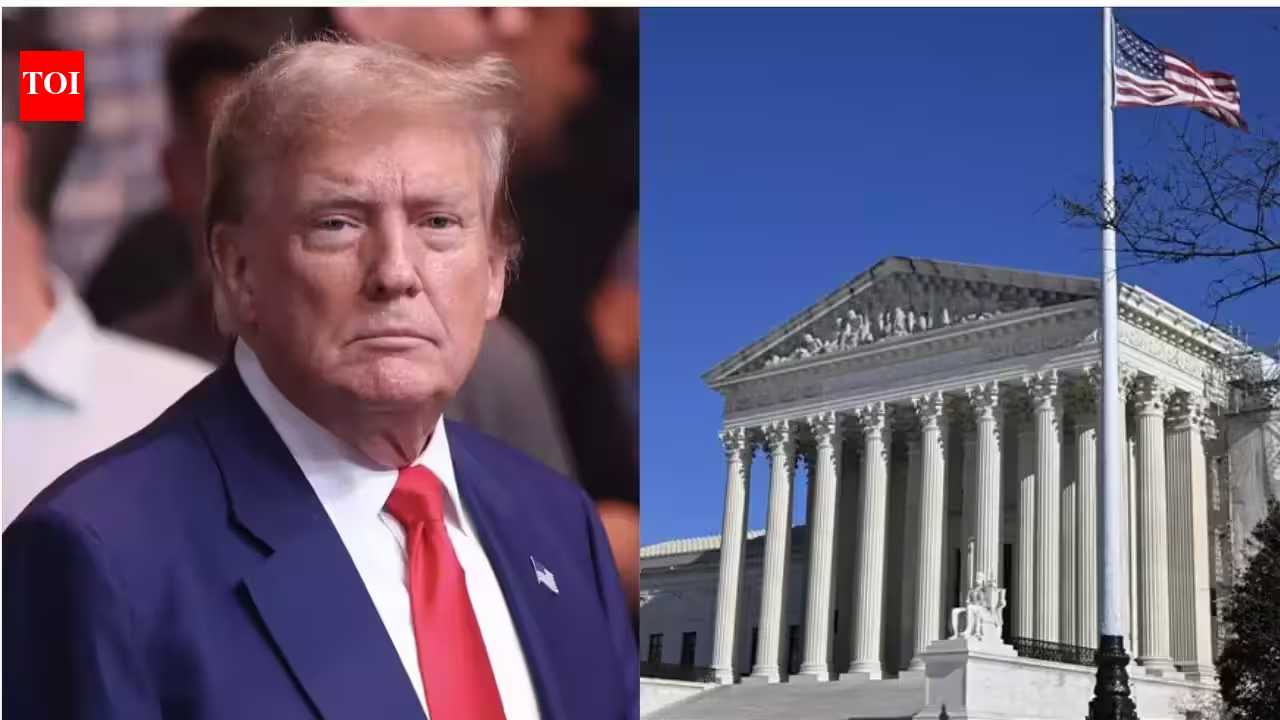
Mail voting faces new Trump curbs after Supreme Court sides with administrationThe US Supreme Court on Monday sided with the Trump administration in a legal fight over President Donald Trump’s executive order restricting mail-in voting, clearing a procedural hurdle for the policy just weeks before states begin sending ballots for the November midterm elections.The conservative-majority court did not rule on whether Trump’s order itself is lawful. Instead, the justices ruled that the states challenging the order did not have the legal standing to bring the case. The decision allows the administration to move forward, while leaving open the possibility of fresh lawsuits that could again halt or delay implementation.“The Court’s disposition of this application does not mean that any measure taken by the Government to implement the Order will necessarily be lawful. On that score, time will tell,” the majority wrote in an unsigned order.The ruling comes with the election timetable rapidly closing in. The US Postal Service outlined plans last week for implementing Trump’s order, but some states are due to begin sending mail ballots to voters within weeks. North Carolina is scheduled to send the first mail ballots to overseas and military voters in about 10 days.“This is just the first inning of a very fast nine-inning game,” said Derek Muller, a law professor at Notre Dame University.The three liberal-leaning justices dissented from Monday’s decision, with Justice Ketanji Brown Jackson sharply criticising the ruling.Jackson wrote that the decision “lets another shoe drop in the Kafkaesque nightmare that our precedents have been steadily creating for certain plaintiffs who seek to bring election-related challenges.”New York Attorney General Letitia James described the ruling as a “painful setback” but said it would “not be the final word.”The case began after Democratic officials in 23 states and the District of Columbia challenged Trump’s executive order. They argued that the Constitution gives states and Congress authority over election administration and warned that the changes could create confusion and invite partisan abuse.“The consequences of allowing such transformative changes to take effect so close to this fall’s elections would be extreme,” attorneys for the states wrote.Dozens of state and local election officials also urged the Supreme Court to keep the order blocked while preparations for the midterms were already under way.A federal judge in Massachusetts initially blocked the policy for the states involved in that case, and an appeals court upheld her ruling. The judge later issued a second order blocking implementation nationwide, creating another obstacle for the Trump administration.The Justice Department took the case to the Supreme Court on procedural grounds in late July, arguing that the states had challenged the order prematurely. Federal lawyers also cited a separate ruling in Washington in which a judge allowed the policy to proceed.An appeals court upheld that Washington ruling while leaving open the possibility of further challenges if the administration actually implemented the changes.Federal attorneys argued that the Massachusetts ruling “blocks the government’s ability to finalize and implement the President’s proposed policies to promote election integrity for the upcoming federal elections in November.”Twelve Republican-leaning states backed the federal government before the Supreme Court, arguing that states would still have a role in determining the final voter lists.Trump signed the executive order in March as part of his broader campaign against mail-in voting. The order directs his administration to create lists of eligible voters and requires the US Postal Service to deliver mail ballots only to people included on those lists.Rules released on Friday would also prevent the Postal Service from sending mail ballots from states that do not comply with the order.Trump has repeatedly claimed that mail voting creates opportunities for fraud, despite strong evidence contradicting that claim and his own use of mail ballots. He has also blamed mail voting, without credible evidence, for his 2020 election loss to Democrat Joe Biden.The administration has presented the new restrictions as safeguards against non-US citizens voting in federal elections. Trump has separately pushed legislation requiring voters to provide proof of citizenship.Noncitizen voting is rare and is already a felony that can carry deportation as a consequence.Mail voting has nevertheless grown increasingly popular among voters from both major parties. About 30% of all ballots cast in the 2024 presidential election were submitted by mail, according to federal data.A 2025 Brookings Institution study found roughly four cases of fraud for every 10 million mail ballots cast, highlighting the rarity of fraudulent voting through the system.Monday’s ruling was not the first recent Supreme Court decision involving Trump-backed arguments over mail voting.In June, the court ruled that states may count ballots arriving after Election Day. That case was decided after full briefing and oral arguments, rather than through the court’s emergency docket.The latest decision does not settle the broader legal dispute over Trump’s executive order. Instead, it removes the current challenge brought by the states while leaving the administration exposed to further lawsuits once implementation moves ahead.David Becker, a former Justice Department lawyer who co-wrote a book challenging Trump’s false claims about the 2020 election, said the decision created “pure chaos leading up to the midterm elections, waiting weeks after an administration filing, and just days before mail ballots go out, to compltiely rewrite the rules.”Becker said he expects Trump’s order to eventually be blocked through the new legal process opened by the Supreme Court’s decision.With the first overseas and military mail ballots expected to go out within days, the administration now has a path to begin implementing the restrictions, but the policy remains vulnerable to further legal challenges that could once again disrupt the rules before voting begins.
Donald Trump wins US Supreme Court nod to tighten mail voting rules before midterms
The US Supreme Court on Monday sided with the Trump administration in a legal fight over President Donald Trump’s executive order restricting mail-in voting, clearing a procedural hurdle for the policy just weeks before states begin sending ballots for the November midterm elections.
927 words~4 min read